
Ayn Khor
About Ayn Khor
Key Features
More Details
Updated April 15, 2024
## Ayn Khor (Salalah, Oman): Seasonal Waterfall, Real-World Tips, and Safety Notes
Ayn Khor (also spelled Ain Khor / Ayn Korr) is a seasonal waterfall and spring west of Salalah in Oman’s Dhofar Governorate. It runs during the Khareef monsoon, when mist and drizzle transform the brown hills into green slopes and wadis fill with flowing water. If you’re targeting dramatic cascades and turquoise pools, this is one of the classic Khareef stops near the city. of Oman
Coordinates: 17.0487533, 53.9637357 (approx.; field GPS pins commonly used by travelers place the falls a few hundred meters north of this point).
—
### Why Ayn Khor is special—when it flows
– Khareef-only spectacle. Ayn Khor is seasonal. The waterfall appears in force during Khareef (roughly late June–September), then tapers off once the monsoon lifts. Peak flow typically lands mid-July through August; Dhofar authorities have in recent years set official Khareef calendars around late June to mid/late September. Plan within those bounds for the best chance of water. Travel
– Close to town, still adventurous. It sits ~20 km west of central Salalah, near Raysut and Wadi Jardum. Despite proximity, the final approach is off-road, keeping it wilder than the big-name roadside cascades. of Oman
—
### Getting there (and what the last mile is really like)
– General approach: Drive toward Raysut / Raysut Cement Factory, then follow tracks into Wadi Jardum. There’s no formal visitor center; you’re aiming for the wadi riverbed that leads upstream to the falls. High-clearance 4×4 is strongly recommended in season. of Oman
– If you don’t have a 4×4: Park where the track gets rough and walk about 2 km along the riverbed to reach the waterfall. Expect ankle- to calf-deep crossings and rounded stones underfoot—trekking sandals or water shoes help. Multiple independent trip reports confirm the ~2 km estimate.
– Driving conditions in Khareef: You may literally drive on/through shallow flowing sections of the wadi. This is part of the fun—with a capable vehicle. Avoid attempting crossings when water is fast or opaque; rock steps hide under silt. Early morning offers lighter traffic and easier maneuvering.
—
### On-site experience: what to expect
– Scenery: A stepped cascade dropping into a turquoise plunge pool framed by green slopes—classic Dhofar monsoon scenery documented across multiple photography and guide sources for Ayn Khor. Salalah
– Crowds: It’s not a secret during peak Khareef, though it’s often less manicured and less crowded than Wadi Darbat. Arrive early for easier parking, cooler temps, and cleaner sightlines. Safari Tours
– Facilities: None formal (no built toilets, cafés, or lifeguards). Bring water, sun/rain protection, and a trash bag; pack out everything. (Operator itineraries and on-the-ground reports describe Ayn Khor as an off-road outing without amenities.) Salalah Tours
– Accessibility: The final approach is uneven and slippery; wheelchair/stroller access isn’t feasible and very young children may struggle on wet rocks. (Trip reports note pebble-strewn, uneven walking and stream wades.)
—
### Seasonal timing: when you’ll actually see water
– Window: Late June–September, with mid-July–August as the most reliable period for active waterfalls; government and media advisories have lately framed June 21–September 20 as the official Dhofar Khareef window, though precise dates can shift year to year. Times
– Outside Khareef: Expect little to no flow. Plan waterfall days flexibly around current conditions; local operators and municipality channels update flow status each season. (Recent seasonal articles and operator pages emphasize the Khareef dependency.) Travel
—
### Health & safety (read this—conditions vary)
– Flood & footing: Wadi levels can rise quickly with upstream showers or overnight drizzle. If the water turns brown/opaque or rises suddenly, retreat to higher ground and do not attempt vehicle crossings. Use footwear with grip; algae on dolomite is slick. (Standard wadi safety + local off-road notes.)
– Freshwater exposure: Dhofar historically had schistosomiasis (bilharzia) transmission in select freshwater sites, prompting long-standing public health warnings. Oman’s national program has driven transmission to very low levels, but reputable advisories still recommend avoiding swimming in freshwater wadis. If you choose to wade, keep exposure brief and avoid submerging open cuts.
– Driving: If you’re not comfortable with water crossings and rock steps, park and hike; don’t block the track for emergency access. (Trip reports show sedans abandoned mid-track causing congestion.)
—
### Practical checklist
– Vehicle: High-clearance 4×4 (in season). Otherwise, plan a 2 km wade/walk.
– Footwear: Trek sandals/water shoes; rocks are smooth and slippery.
– Timing: Early morning for calmer water, fewer vehicles, better light.
– Supplies: Water, snacks, small first-aid kit, drybag, trash bag. (No facilities.) Salalah Tours
– Navigation pin: Use the Raysut / Wadi Jardum approach and traveler-shared pins; expect last-mile track changes each season. of Oman
—
### Pair it with nearby stops (logic for itinerary building)
– Job’s Tomb (Nabi Ayyub): Panoramic ridge road and a quick cultural stop pairs well with Ayn Khor in a half-day loop.
– Fazayah beach viewpoints: When the weather clears, the coastal escarpment west of Salalah delivers huge vistas—common off-roaders pair Ayn Khor and Fazayah in the same day. | Trails of the World
– Wadi Darbat: The region’s most famous Khareef cascades (busier, more infrastructure). Use it as your guaranteed “water day,” then slot Ayn Khor for something rougher.
—
### Quick facts (to set expectations)
– Type: Seasonal waterfall/spring in a wadi (riverbed)
– Season: Khareef only (best mid-July–August) Travel
– Distance from Salalah: ~20 km (Raysut/Wadi Jardum sector) of Oman
– Access: 4×4 track or ~2 km riverbed hike (each way)
– Facilities: None (pack in/out) Salalah Tours
– Health note: Avoid freshwater swimming due to historic schistosomiasis foci in Dhofar; Oman has achieved very low transmission, but advisories persist.
—
### Outdated or conflicting data to flag
– Some blogs call Ayn Khor “Raysut Waterfall”—that alias exists but isn’t official; use “Ayn Khor” locally and on maps. Around the World
– You’ll find scattered claims that it’s the “largest waterfall in Salalah.” That’s not consistently supported; flow varies year-to-year and other sites (e.g., Wadi Darbat) can surpass it depending on rainfall. Prefer seasonal condition checks over superlatives.
—
#### Bottom line
If you want a Khareef-only cascade that still feels like an off-road find within striking distance of Salalah, Ayn Khor delivers—provided you time it for the monsoon, bring the right footwear (or a 4×4), and treat freshwater exposure conservatively in light of Dhofar’s history. Do those things, and you get the moody fog, the aquamarine pool, and the sound of water in a place that’s arid ten months of the year. Travel
—
Notes on inclusivity & access: the last-mile terrain (water crossings, wet rocks) is not accessible for most mobility devices; plan a scenic approach and short stroll only if traveling with mobility constraints, and consider Wadi Darbat’s developed viewpoints instead for easier access to monsoon scenery.
All guidance above is based on current and historical sources about Khareef timing, site location, off-road access, and public health advisories; waterfall flow varies each season.
Table of Contents
Key Highlights
Ayn Khor
Location
Places to Stay Near Ayn Khor
Find and Book a Tour
Explore More Travel Guides
No reviews found! Be the first to review!
Traveler Reviews for Ayn Khor
There are no reviews yet. Be the first one to write one.
Have you visited Ayn Khor? Help other travelers by sharing your review.
You Might Also Like
Ain Jarziz
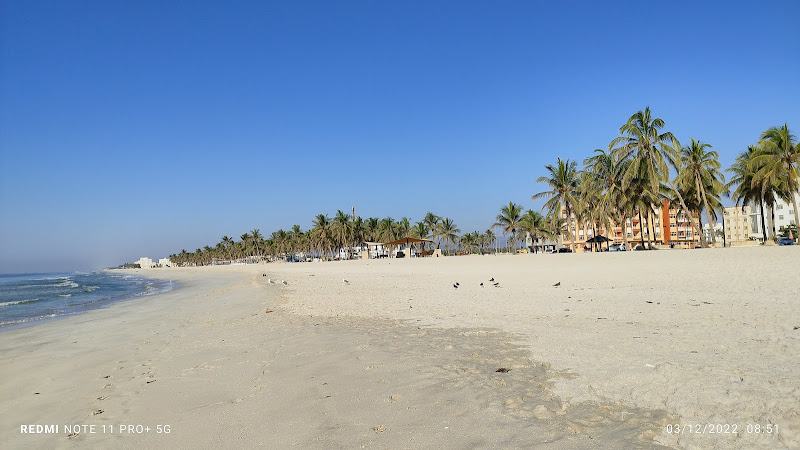
Dahariz Beach - Khor End
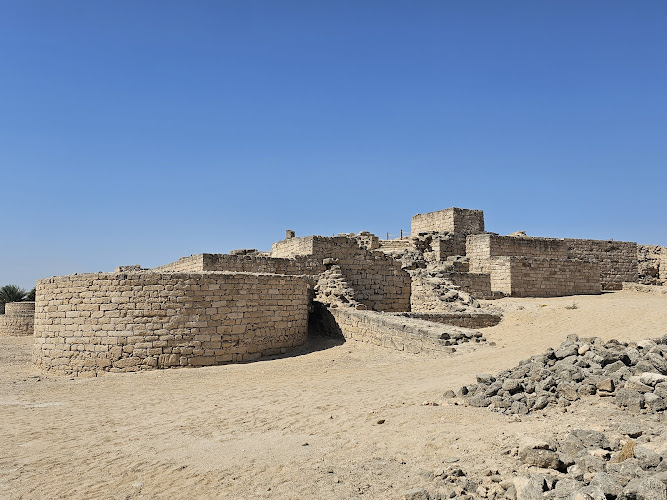
Al Baleed Archeological Park
Find Accommodations Nearby
Recommended Tours & Activities
Visitor Reviews
There are no reviews yet. Be the first one to write one.
Share Your Experience
Have you visited Ayn Khor? Help other travelers by leaving a review.