
Asian Arts Museum
About Asian Arts Museum
Description
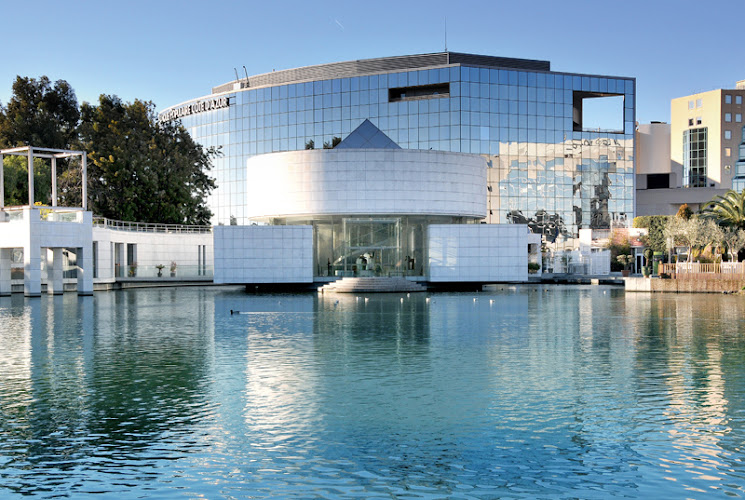
The Asian Arts Museum in Nice feels like a quiet pause in the middle of the French Riviera’s constant motion. It’s one of those places that doesn’t shout for your attention but gently invites you in, like a soft-spoken friend with fascinating stories. Designed with clean lines and calm symmetry, the museum sits right by the water, its reflection shimmering on sunny days. Inside, you’ll find a carefully curated collection that spans centuries of Asian culture—Japanese prints, Chinese ceramics, delicate Indian sculptures, and even a few unexpected treasures from Southeast Asia. There’s this sense of harmony that runs through it all, a rhythm that makes you slow down and actually look.
One of the highlights, at least for me, was the tea ceremony room. It’s not just a display; it’s an experience. Watching the ritual unfold—every gesture deliberate, every sound intentional—reminded me that art isn’t always something you hang on a wall. Sometimes it’s a moment, a breath, a shared silence. The museum’s free admission makes it even more inviting, especially for travelers who like to wander without a strict itinerary. And yes, it’s family-friendly and accessible, so no one feels left out.
While some visitors might find the collection smaller than expected, I think that’s part of its charm. It’s manageable, digestible, and personal. You can actually absorb what you’re seeing instead of rushing through endless galleries. The atmosphere is serene, almost meditative, and the staff are genuinely welcoming. It’s the kind of place where you can spend an hour—or three—without realizing it.
Key Features
- Extensive collection of Asian art, including Japanese, Chinese, Indian, and Southeast Asian pieces
- Authentic tea ceremony room offering cultural demonstrations
- Striking waterfront architecture with panoramic views
- Free admission for all visitors
- Fully wheelchair accessible facilities and restrooms
- Family-friendly atmosphere suitable for children
- Quiet, contemplative environment ideal for art lovers and travelers seeking calm
Best Time to Visit
If you ask me, mornings are the sweet spot. The light coming through the windows is soft and golden, and the galleries are usually quiet enough to hear your own footsteps. Spring and autumn are particularly lovely times to visit—Nice isn’t too crowded, and the weather’s just right for a stroll along the Promenade before or after your museum stop. Summer can be busier, of course, but even then, the museum offers a cool, peaceful retreat from the heat.
There’s something special about visiting during cultural events or temporary exhibitions too. The museum occasionally hosts workshops, performances, and talks that dive deeper into Asian traditions and artistry. If you’re the kind of traveler who likes to feel connected to the local cultural rhythm, it’s worth checking what’s on before you go.
How to Get There
Getting to the museum is pretty straightforward. If you’re staying in the city center, public transport is the easiest option—buses and trams run regularly along the main coastal routes. For those driving, parking is available nearby, and the area is well signposted. Honestly, though, if you’re up for a walk, the route along the seaside is gorgeous. You’ll pass palm trees, sea air, and that unmistakable Riviera light that painters have been chasing for centuries.
I once walked there from my hotel near the old town, and it took about 40 minutes. But it didn’t feel like a trek—it felt like part of the experience. The closer you get, the more the museum’s modern lines stand out against the blue horizon. It’s one of those buildings that looks different from every angle, and I found myself stopping more than once just to take it in.
Tips for Visiting
Here’s a bit of advice from someone who’s been there and learned a few things the slow way. First, take your time. Don’t rush through the exhibits. Each piece has a story, and sometimes the smallest details reveal the most. Bring a notebook if you’re into sketching or journaling—it’s that kind of place.
If you’re traveling with kids, the museum’s calm environment makes it surprisingly easy to keep them engaged. Some of the exhibits are interactive, and the staff are patient and happy to answer questions. Just remember there’s no restaurant inside, so grab a bite nearby before or after your visit. There are plenty of cafés along the waterfront where you can sit, sip, and reflect on what you’ve just seen.
For accessibility, the museum does an excellent job. Wheelchair users will find ramps, accessible restrooms, and wide pathways throughout. Photography is usually allowed (without flash), so you can capture a few memories—though honestly, some moments are better left unfiltered.
And if you’re like me and enjoy a good souvenir, check the small museum shop before leaving. It’s not huge, but you’ll find some beautiful handcrafted items inspired by Asian art traditions. I picked up a small Japanese print that still hangs by my desk—a quiet reminder of that day by the sea.
In the end, the Asian Arts Museum isn’t just about art—it’s about perspective. It’s about slowing down, appreciating detail, and realizing how cultures halfway across the world can feel strangely familiar. Whether you’re an art lover, a curious traveler, or simply someone looking for a peaceful hour away from the bustle, this museum delivers. And maybe, just maybe, you’ll leave with a little more calm than when you arrived.
Key Features
- Extensive collection of Asian art, including Japanese, Chinese, Indian, and Southeast Asian pieces
- Authentic tea ceremony room offering cultural demonstrations
- Striking waterfront architecture with panoramic views
- Free admission for all visitors
- Fully wheelchair accessible facilities and restrooms
- Family-friendly atmosphere suitable for children
- Quiet, contemplative environment ideal for art lovers and travelers seeking calm
Tours & Activities
GetYourGuide provides this tour inventory. We may earn a commission if you book through it; verify current availability, prices, and terms with the provider.
Visitor Reviews
There are no reviews yet. Be the first one to write one.
Share Your Experience
Have you visited Asian Arts Museum? Help other travelers by leaving a review.