Description
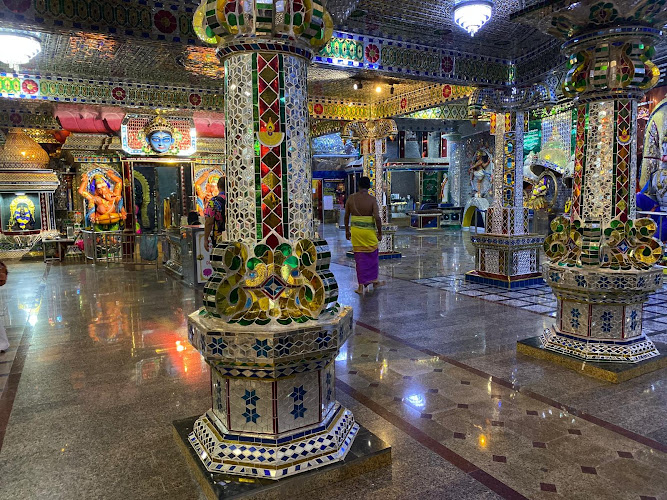
The Arulmigu Sri Rajakaliamman Glass Temple stands as one of Malaysia’s most extraordinary architectural achievements, and honestly, calling it just a temple feels like an understatement. This isn’t your typical place of worship—it’s a dazzling spectacle where spirituality meets artistry in the most unexpected way. Every surface you lay your eyes on seems to shimmer and reflect light, creating an almost otherworldly atmosphere that stays with you long after you’ve left.
What makes this Hindu temple truly remarkable is its extensive use of glass and mirrors throughout the entire structure. We’re talking about thousands upon thousands of glass pieces meticulously arranged to create intricate mosaics, murals, and decorative patterns that cover walls, ceilings, pillars, and even the floor in certain sections. The craftspeople who worked on this temple didn’t just slap some mirrors on the walls and call it a day—they created genuine works of art that tell stories from Hindu mythology while simultaneously creating a visual experience that’s nothing short of mesmerizing.
I’ve visited quite a few temples across Southeast Asia, and this one manages to strike a balance between maintaining its sacred purpose while also serving as a tourist attraction that welcomes people from all backgrounds. The temple honors the goddess Kali, and you’ll find her depicted prominently throughout the structure alongside other Hindu deities. But what sets this apart is how the glass work transforms the traditional temple experience into something that feels almost magical, especially when sunlight streams through and bounces off all those reflective surfaces.
The attention to detail here is genuinely impressive. Every deity statue, every depiction of mythological scenes, every decorative element has been enhanced with glass work that adds depth and dimension you just don’t see in conventional temples. And the colors—they’re bold and striking without being gaudy, which is a fine line to walk when you’re working with materials that could easily veer into Las Vegas territory if not handled carefully.
Key Features
The temple offers visitors several distinctive elements that make it worth adding to any travel itinerary:
- Extensive glass mosaic work covering nearly every interior surface, creating a kaleidoscope effect that changes throughout the day as natural light shifts
- Detailed murals depicting scenes from Hindu epics like the Ramayana and Mahabharata, all rendered in glass and mirror work that brings these ancient stories to life in a contemporary medium
- Statues of various Hindu deities including Kali, Ganesh, Murugan, and others, each adorned with glass decorations and positioned throughout the temple complex
- Ornate pillars and archways that showcase traditional South Indian temple architecture enhanced with modern glass artistry
- A main prayer hall where devotees and visitors can observe religious ceremonies and rituals, providing insight into Hindu worship practices
- Restroom facilities on-site, which might seem like a mundane detail but trust me, after visiting several attractions in the region, you learn to appreciate these amenities
- Photography opportunities at nearly every turn—the reflective surfaces create interesting compositional challenges and rewards for amateur and professional photographers alike
- Educational value for those interested in learning about Hindu culture, mythology, and the fusion of traditional religious architecture with innovative decorative techniques
Best Time to Visit
Timing your visit to the Glass Temple can significantly impact your experience, and there’s a few things worth considering before you head out. The temple welcomes visitors throughout the year, but certain times definitely offer advantages over others.
Morning visits, particularly between 9 AM and 11 AM, tend to be less crowded and offer beautiful natural lighting conditions. The sun at this angle creates some really stunning effects as it hits the glass surfaces, making the entire interior seem to glow. Plus, you’ll beat the midday heat, which in this part of the world can be pretty intense and make temple exploration less enjoyable than it should be.
If you’re someone who wants to see the temple in action with active worship taking place, evenings around 6 PM to 8 PM often see more devotees coming for prayers. This adds an authentic dimension to your visit—you’ll witness the temple being used for its intended purpose rather than just as a tourist photo op. The artificial lighting in the evening creates a completely different ambiance too, warmer and more intimate than the brightness of daytime.
Weather-wise, Malaysia’s climate doesn’t vary dramatically throughout the year, but the drier months between March and October generally provide more comfortable visiting conditions. That said, the temple is primarily an indoor experience, so rain won’t completely ruin your plans. Actually, I once visited during a light rain and the overcast sky created this soft, diffused light that made the glass work appear even more ethereal.
Weekdays are noticeably quieter than weekends, especially Saturdays when local visitors tend to come in larger numbers. If you’re someone who gets stressed in crowds or wants unobstructed photos, plan for a Tuesday or Wednesday visit if your schedule allows.
Major Hindu festivals like Deepavali see the temple decorated even more elaborately, and special ceremonies take place that can be fascinating to observe. But these times also draw significantly larger crowds, so it becomes a trade-off between witnessing something special and dealing with the masses of people.
How to Get There
Getting to the Glass Temple requires a bit of planning since it’s located in Johor Bahru, but the journey is straightforward enough once you know your options. The temple sits in the Tebrau area, which is accessible by various means of transportation.
For those staying in Johor Bahru itself, grabbing a Grab car (Southeast Asia’s equivalent to Uber) is probably your easiest bet. Taxis work too, though using the app-based services tends to be more transparent with pricing and routing. The drivers in the area are generally familiar with the temple—it’s become enough of a landmark that you won’t need to provide detailed directions.
If you’re coming from Singapore, which many visitors do given the proximity, you’ve got a couple of routes to consider. The most common approach involves crossing the Causeway into Johor Bahru and then taking local transport to the temple. Some tour companies actually offer day trips that include the Glass Temple along with other Johor Bahru attractions, which eliminates the hassle of navigation if you’re not comfortable finding your way around independently.
Driving yourself is certainly possible if you have access to a car and don’t mind navigating Johor Bahru’s traffic, which can get congested during peak hours. Parking is available near the temple, though spaces can fill up during busy periods.
Public buses do serve the general area, but I’ll be honest—unless you’re really familiar with the local bus system or enjoy the adventure of figuring out public transport in unfamiliar cities, this probably isn’t the most efficient option for most travelers. The routes can be confusing, and you might spend more time waiting and transferring than actually visiting the temple.
One thing to keep in mind is that your phone’s GPS should work fine in the area for navigation purposes, so having Google Maps or a similar app downloaded with offline capabilities can be a lifesaver if you’re directionally challenged like I sometimes am.
Tips for Visiting
A successful visit to the Glass Temple involves more than just showing up—there’s some practical considerations that’ll make your experience smoother and more enjoyable.
First off, dress appropriately. This is an active place of worship, and while they generally welcome tourists, respect for the sacred space matters. Cover your shoulders and knees at minimum. Long pants or skirts work well, and avoid anything too tight or revealing. Some visitors worry about bringing specific clothing, but honestly, modest casual wear is perfectly fine—you don’t need to dress in traditional Indian attire unless that’s something you personally want to do.
Footwear gets removed before entering the temple proper, which is standard practice in Hindu temples. Wear shoes that are easy to slip on and off, and maybe bring socks if you’re squeamish about walking barefoot. The floors are generally clean, but during busy times with lots of foot traffic, having socks can make some people more comfortable.
Photography is allowed in most areas, which is great because you’ll definitely want to capture this place. But be mindful of your flash settings—the glass and mirrors can create harsh reflections that ruin photos anyway, and bright flashes can be disruptive during prayer times. Natural light photography works better here anyway, giving you those gorgeous, soft reflections that make the temple so photogenic.
Actually take time to look at the details rather than just rushing through for photos. I know it’s tempting to go into full photographer mode, but some of the most intricate glass work appears in unexpected places—ceiling corners, behind pillars, in smaller alcoves. The craftspeople put effort into every square inch, and you’ll miss a lot if you’re just hitting the obvious spots.
Bring some cash for donations if you’re inclined. While there’s no mandatory fee to enter, donations help maintain this remarkable structure, and considering you’re essentially getting to experience a working temple as a tourist, leaving something in the donation box seems like the decent thing to do.
The temple does have restrooms available, which I mentioned earlier but it bears repeating—use them if you need to because your next stop might not have facilities as accessible or clean.
Stay hydrated, especially if you’re visiting during midday. The Malaysian heat is no joke, and while the temple interior stays somewhat cooler, you’ll still be walking around in a tropical climate. Carrying a water bottle is smart, though be respectful about where you drink (not directly in front of the deity statues, for instance).
If you’re visiting during active worship times, hang back and observe quietly. You’re welcome to watch ceremonies, but this isn’t a performance for tourists—it’s genuine religious practice. Keep a respectful distance, don’t interrupt or walk directly in front of people who are praying, and silence your phone.
Consider hiring a local guide if you really want to understand the mythology and symbolism depicted in the glass work. The temple is visually stunning on its own, but knowing the stories behind the images adds layers of meaning that transform the experience from “wow, pretty glass” to genuine cultural education.
Give yourself at least an hour, preferably longer if you’re not rushed. Quick in-and-out visits miss the point of this place. The temple rewards slow, contemplative exploration where you can appreciate not just the overall effect but the thousands of individual artistic choices that create it.
And finally—this might sound odd—but visit the temple with an open mind even if Hindu culture is unfamiliar to you. This place represents incredible devotion, both spiritual and artistic. Whether you’re religious yourself or not, recognizing the human effort and faith that created this space adds depth to the experience that pure tourism can’t match.
 Real Journey Travels