
Arisugawa-no-miya Memorial Park
About Arisugawa-no-miya Memorial Park
Description
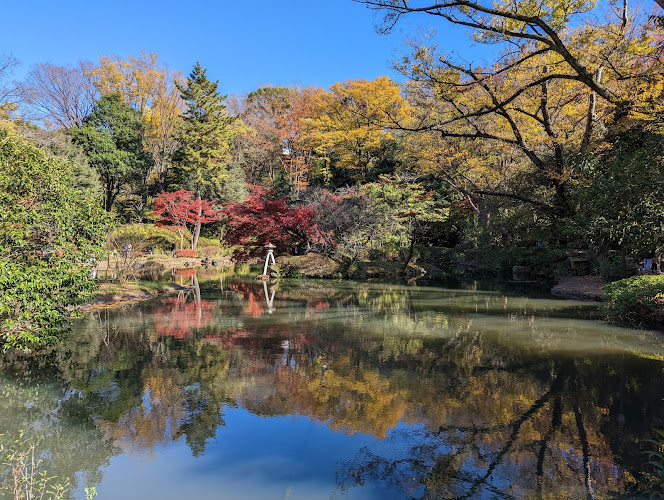
Arisugawa-no-miya Memorial Park is one of those rare spots in Tokyo where you can almost forget you’re in one of the busiest cities on Earth. Spread over gently rolling hills, the park feels more like a piece of countryside that’s somehow been dropped into the middle of Minato. The winding paths lead you past small waterfalls, shaded groves, and a central pond where koi lazily circle under the surface. It’s not pristine in a manicured way—there’s a natural, slightly wild charm to it, which I personally think makes it even more appealing. You’ll see office workers grabbing a quiet lunch, parents chasing toddlers around the playground, and the occasional elderly couple feeding the ducks.
It’s not perfect, of course. On weekends, it can get a bit crowded, and you might find yourself dodging joggers on the narrower paths. And if you’re expecting a massive garden like Shinjuku Gyoen, you might be surprised by its more compact size. But that’s part of its charm—it’s intimate, easy to explore in under an hour, and still full of little corners that feel like your own secret find. The park also holds a bit of history, having once been the grounds of a feudal lord’s villa before being transformed into a public space. That layered past gives it a quiet dignity, even when kids are squealing on the swings nearby.
For me, the best part is how the park changes with the seasons. In spring, cherry blossoms frame the pond in pale pink clouds. Summer brings lush greenery and the sound of cicadas. Autumn turns the hillsides into a warm tapestry of reds and golds, and winter strips everything back to bare branches and crisp air. It’s a park that rewards repeat visits, and each time you’ll notice something you missed before—a statue tucked behind a hedge, a heron standing still in the shallows, or a particularly gnarled tree that looks like it belongs in a fairytale.
Key Features
- Hilly walking paths with varied scenery
- Central pond with koi and seasonal waterfowl
- Multiple statues and historical markers
- Playground with slides and swings for children
- Public restrooms available
- Wheelchair-accessible entrance (note: parking is not wheelchair accessible)
- On-site parking for visitors
- Dog-friendly environment
- Shaded areas perfect for picnics
Best Time to Visit
If you want the park at its most photogenic, spring and autumn are unbeatable. The cherry blossoms in late March to early April are gorgeous, but you’ll be sharing the view with plenty of other people. Autumn—usually late November—is my personal favorite. The colors are rich, the air is crisp, and it’s less crowded than during blossom season. Summer can be lovely too, especially if you like the deep greens and the sound of running water, but the humidity in Tokyo can be intense. Winter has its own quiet beauty, and you’ll practically have the place to yourself, though you’ll want to bundle up.
Morning visits are the best if you’re after peace and quiet. By mid-afternoon, especially on weekends, families and groups tend to fill the open spaces. If you’re into photography, the light filtering through the trees in the early morning or late afternoon is just magic.
How to Get There
The park is centrally located in Tokyo’s Minato ward, making it easy to fit into a day of sightseeing. The most straightforward route is via Hiroo Station on the Hibiya Line—it’s just a few minutes’ walk from there. If you’re already in the Roppongi area, it’s a pleasant stroll downhill, though be warned that coming back up might feel like a mini workout. There’s also on-site parking, but spaces are limited and can fill up quickly, especially on weekends. Public transport is generally the smarter choice unless you’re traveling with kids, pets, or a lot of gear.
Tips for Visiting
First off, wear comfortable shoes. The park’s paths aren’t difficult, but they do go up and down more than you might expect. If you’re bringing a stroller or wheelchair, stick to the main paths for easier navigation. And if you’re planning a picnic, aim for a weekday to avoid the busiest times—there are plenty of shaded spots that make for a perfect lunch break.
Bring a camera (or at least your phone with plenty of storage) because you’ll want to capture the seasonal changes. If you’re visiting with kids, the playground is a nice bonus, but keep an eye on them near the pond—there’s no barrier in some areas. Dog owners will be glad to know leashed pets are welcome, and there’s enough open space to let them enjoy the outing too.
Also, don’t rush. This isn’t the kind of park you power-walk through. Take your time, sit on a bench, and just watch the world go by. You might even spot a local artist sketching by the pond or a group practicing tai chi under the trees. It’s those little moments that make the visit memorable.
Key Features
- Hilly walking paths with varied scenery
- Central pond with koi and seasonal waterfowl
- Multiple statues and historical markers
- Playground with slides and swings for children
- Public restrooms available
- Wheelchair-accessible entrance (note: parking is not wheelchair accessible)
- On-site parking for visitors
- Dog-friendly environment
More Details
Updated August 9, 2025
Table of Contents
Description
Arisugawa-no-miya Memorial Park is one of those rare spots in Tokyo where you can almost forget you’re in one of the busiest cities on Earth. Spread over gently rolling hills, the park feels more like a piece of countryside that’s somehow been dropped into the middle of Minato. The winding paths lead you past small waterfalls, shaded groves, and a central pond where koi lazily circle under the surface. It’s not pristine in a manicured way—there’s a natural, slightly wild charm to it, which I personally think makes it even more appealing. You’ll see office workers grabbing a quiet lunch, parents chasing toddlers around the playground, and the occasional elderly couple feeding the ducks.
It’s not perfect, of course. On weekends, it can get a bit crowded, and you might find yourself dodging joggers on the narrower paths. And if you’re expecting a massive garden like Shinjuku Gyoen, you might be surprised by its more compact size. But that’s part of its charm—it’s intimate, easy to explore in under an hour, and still full of little corners that feel like your own secret find. The park also holds a bit of history, having once been the grounds of a feudal lord’s villa before being transformed into a public space. That layered past gives it a quiet dignity, even when kids are squealing on the swings nearby.
For me, the best part is how the park changes with the seasons. In spring, cherry blossoms frame the pond in pale pink clouds. Summer brings lush greenery and the sound of cicadas. Autumn turns the hillsides into a warm tapestry of reds and golds, and winter strips everything back to bare branches and crisp air. It’s a park that rewards repeat visits, and each time you’ll notice something you missed before—a statue tucked behind a hedge, a heron standing still in the shallows, or a particularly gnarled tree that looks like it belongs in a fairytale.
Key Features
- Hilly walking paths with varied scenery
- Central pond with koi and seasonal waterfowl
- Multiple statues and historical markers
- Playground with slides and swings for children
- Public restrooms available
- Wheelchair-accessible entrance (note: parking is not wheelchair accessible)
- On-site parking for visitors
- Dog-friendly environment
- Shaded areas perfect for picnics
Best Time to Visit
If you want the park at its most photogenic, spring and autumn are unbeatable. The cherry blossoms in late March to early April are gorgeous, but you’ll be sharing the view with plenty of other people. Autumn—usually late November—is my personal favorite. The colors are rich, the air is crisp, and it’s less crowded than during blossom season. Summer can be lovely too, especially if you like the deep greens and the sound of running water, but the humidity in Tokyo can be intense. Winter has its own quiet beauty, and you’ll practically have the place to yourself, though you’ll want to bundle up.
Morning visits are the best if you’re after peace and quiet. By mid-afternoon, especially on weekends, families and groups tend to fill the open spaces. If you’re into photography, the light filtering through the trees in the early morning or late afternoon is just magic.
How to Get There
The park is centrally located in Tokyo’s Minato ward, making it easy to fit into a day of sightseeing. The most straightforward route is via Hiroo Station on the Hibiya Line—it’s just a few minutes’ walk from there. If you’re already in the Roppongi area, it’s a pleasant stroll downhill, though be warned that coming back up might feel like a mini workout. There’s also on-site parking, but spaces are limited and can fill up quickly, especially on weekends. Public transport is generally the smarter choice unless you’re traveling with kids, pets, or a lot of gear.
Tips for Visiting
First off, wear comfortable shoes. The park’s paths aren’t difficult, but they do go up and down more than you might expect. If you’re bringing a stroller or wheelchair, stick to the main paths for easier navigation. And if you’re planning a picnic, aim for a weekday to avoid the busiest times—there are plenty of shaded spots that make for a perfect lunch break.
Bring a camera (or at least your phone with plenty of storage) because you’ll want to capture the seasonal changes. If you’re visiting with kids, the playground is a nice bonus, but keep an eye on them near the pond—there’s no barrier in some areas. Dog owners will be glad to know leashed pets are welcome, and there’s enough open space to let them enjoy the outing too.
Also, don’t rush. This isn’t the kind of park you power-walk through. Take your time, sit on a bench, and just watch the world go by. You might even spot a local artist sketching by the pond or a group practicing tai chi under the trees. It’s those little moments that make the visit memorable.
Key Highlights
- Hilly walking paths with varied scenery
- Central pond with koi and seasonal waterfowl
- Multiple statues and historical markers
- Playground with slides and swings for children
- Public restrooms available
- Wheelchair-accessible entrance (note: parking is not wheelchair accessible)
- On-site parking for visitors
- Dog-friendly environment
Location
Places to Stay Near Arisugawa-no-miya Memorial Park
Find and Book a Tour
Explore More Travel Guides
No reviews found! Be the first to review!
Traveler Reviews for Arisugawa-no-miya Memorial Park
There are no reviews yet. Be the first one to write one.
Have you visited Arisugawa-no-miya Memorial Park? Help other travelers by sharing your review.
You Might Also Like
Amishiro Park
Tokyo Metropolitan Teien Art Museum

Sengaku-ji
Find Accommodations Nearby
Recommended Tours & Activities
Visitor Reviews
There are no reviews yet. Be the first one to write one.
Share Your Experience
Have you visited Arisugawa-no-miya Memorial Park? Help other travelers by leaving a review.