
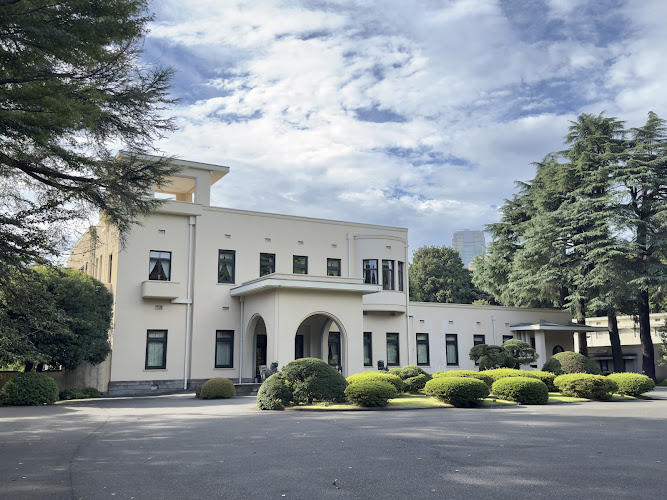
Tokyo Metropolitan Teien Art Museum
About Tokyo Metropolitan Teien Art Museum
Description
The Tokyo Metropolitan Teien Art Museum offers visitors something genuinely different from your typical museum experience in Japan's bustling capital. This isn't just another gallery space stuffed with paintings behind velvet ropes. Instead, you're stepping into what was once the actual home of Prince Asaka Yasuhiko and his family, a stunning example of Art Deco architecture that manages to blend Western design sensibilities with Japanese craftsmanship in ways that still feel fresh nearly a century later. Walking through these rooms, you can't help but imagine the dinner parties and gatherings that once filled these halls back in the 1930s. The building itself became a museum in 1983, and honestly, that transition saved this architectural gem from potentially being demolished or sitting empty. I've visited a lot of museums over the years, and there's something special about experiencing art in a space that was designed as a living environment rather than a purpose-built exhibition hall. The scale feels more human, more intimate somehow. The museum runs rotating exhibitions throughout the year, which means every visit can offer something completely different. You might catch contemporary photography one season and traditional Japanese ceramics the next. This approach keeps the museum feeling dynamic and gives locals reasons to return multiple times rather than treating it as a one-and-done tourist stop.Key Features
The Tokyo Metropolitan Teien Art Museum distinguishes itself through several remarkable characteristics that travelers should know about before visiting:- Original Art Deco interiors throughout the former princely residence - The mansion's design represents one of the finest examples of Art Deco architecture in Japan, featuring original details like decorative glass panels by René Lalique, geometric light fixtures, and custom metalwork that transport visitors back to the 1930s aesthetic movement.
- Rotating exhibition program featuring diverse artistic disciplines - Rather than maintaining a permanent collection, the museum presents carefully curated temporary exhibitions ranging from fashion and design to painting and sculpture, ensuring fresh experiences for repeat visitors throughout the year.
- French-influenced mansion architecture combined with Japanese materials - The building embodies a fascinating East-meets-West approach where European design principles were executed using Japanese craftsmen and materials, creating something that belongs wholly to neither tradition but represents both beautifully.
- Expansive traditional Japanese garden surrounding the property - The grounds feature a meticulously maintained garden that changes dramatically with the seasons, offering peaceful walking paths, mature trees, and traditional landscaping that provides a serene contrast to the geometric Art Deco interiors.
- Onsite restaurant serving lunch in elegant surroundings - Visitors can extend their experience by dining in the museum's restaurant, which serves seasonal Japanese and Western cuisine in rooms that maintain the building's historical atmosphere.
- Full accessibility features for wheelchair users - The museum provides accessible entrances, parking, and restrooms, making this historical site surprisingly accommodating for visitors with mobility considerations despite the building's age.
- Intimate scale compared to Tokyo's massive museum complexes - The former residential nature of the space means exhibitions feel more personal and less overwhelming than major institutions, allowing for contemplative viewing without fighting crowds in endless galleries.
Best Time to Visit
Timing your visit to the Tokyo Metropolitan Teien Art Museum requires thinking about both seasonal considerations and exhibition schedules. And honestly, both matter quite a bit for getting the most from your experience. Spring, particularly late March through April when cherry blossoms bloom, ranks as one of the most popular periods. The museum's garden becomes absolutely spectacular during this time, with sakura trees adding their pink and white clouds to the grounds. But here's the thing - everyone else knows this too. You'll be sharing the space with significantly more visitors during cherry blossom season, which can diminish that intimate atmosphere the museum normally provides. Autumn presents another excellent window for visiting, roughly from mid-November through early December. The garden's trees transform into brilliant reds and oranges, creating a stunning backdrop for the Art Deco architecture. Temperature-wise, autumn in Tokyo tends to be more comfortable than spring, with clearer skies and less rain. I'd personally lean toward autumn if I had to pick between the two peak seasons. Summer gets hot and humid in Tokyo, and wandering through the garden in July or August can feel more like endurance training than leisurely cultural appreciation. However, the museum itself maintains comfortable climate control, and summer exhibitions sometimes lean into lighter, more contemporary themes that suit the season. Plus, you'll encounter fewer tourists overall during Tokyo's sticky summer months. Winter visitors often overlook the Teien Art Museum, which actually makes it a smart choice for travelers who prefer quieter experiences. The garden takes on a more austere beauty, and the Art Deco interiors feel particularly cozy when it's chilly outside. Just be aware that the museum closes for brief periods between exhibitions, so checking their schedule becomes essential. Speaking of schedules, the museum typically closes on the second and fourth Wednesday of each month, plus during exhibition changeovers that can last one to two weeks. Major exhibitions often debut in spring and autumn, aligning with Tokyo's tourist high seasons. Weekday mornings, especially right when doors open, provide the most peaceful viewing conditions regardless of season.How to Get There
Getting to the Tokyo Metropolitan Teien Art Museum proves surprisingly straightforward despite the museum being tucked away in a residential area of Minato Ward. The location puts you in one of Tokyo's more upscale neighborhoods, which means the journey there already starts showing you a different side of the city than the neon-soaked districts most first-time visitors experience. The closest train stations are Meguro Station and Shirokane-Takanawa Station, both requiring about a 7-10 minute walk to reach the museum entrance. Meguro Station gets served by JR Yamanote Line, Tokyo Metro Namboku Line, Toei Mita Line, and Tokyu Meguro Line - basically, you've got options coming from wherever you're staying in Tokyo. Exit from the east side of Meguro Station and follow the signs toward the museum. The walk takes you through quiet streets lined with high-end homes and small shops, which gives you a glimpse of how actual Tokyoites live outside the tourist zones. Shirokane-Takanawa Station on the Namboku and Mita subway lines actually sits slightly closer to the museum than Meguro Station. Take exit 1 and you'll find yourself maybe a 6-minute walk away. The route from this station feels even more residential and peaceful. For visitors using buses, several routes stop near the museum. The route numbers change occasionally, but asking your hotel concierge about current bus options from your location can sometimes provide a more direct route than trains, especially if you're staying in certain parts of the city. Taxis work perfectly well too, and drivers will recognize "Teien Bijutsukan" if you pronounce it reasonably clearly. Given Tokyo's excellent public transportation and the museum's accessible location, taxis make most sense if you're traveling with mobility issues or coming from somewhere without convenient train connections. The museum does operate an onsite paid parking lot for those renting cars, though driving in Tokyo generally ranks pretty low on my list of recommended activities. Parking spaces can fill up quickly on weekends and during popular exhibitions. If you're determined to drive, arriving early significantly improves your chances of snagging a spot.Tips for Visiting
Making the most of your Tokyo Metropolitan Teien Art Museum experience involves some practical considerations that'll help you avoid common frustrations other visitors encounter. First and absolutely most important - purchase tickets in advance whenever possible. The museum strongly recommends this, and there's good reason behind that recommendation. During popular exhibitions, same-day tickets can sell out entirely, leaving you standing at the entrance with nothing to show for your journey across the city. Their website offers advance ticketing in English, and the process takes maybe five minutes. Just do it as soon as you've confirmed your Tokyo dates. Photography policies vary depending on the specific exhibition, but the Art Deco architectural features of the building itself are generally fair game for photos without flash. Always check current rules when you arrive though, because nothing's more embarrassing than getting called out by museum staff. And please, for the love of everything, don't be that person trying to sneak photos when they're clearly prohibited. Plan to spend at least two hours at the museum if you want to properly appreciate both the exhibition and the building itself. Many visitors make the mistake of rushing through in 45 minutes and missing half of what makes this place special. The garden alone deserves 20-30 minutes of wandering, and that's before you've even entered the main building. Comfortable walking shoes matter more than you might think. The garden paths can be uneven in places, and you'll be on your feet for a while. This isn't the time to break in those new leather shoes you bought in Shibuya. The onsite restaurant books up quickly, especially on weekends. If you're planning to have lunch there, either arrive early or make a reservation in advance. The menu changes seasonally and tends toward the pricey side, but the experience of dining in those Art Deco rooms adds something special to your visit. Alternatively, the Meguro area around the station has plenty of dining options for post-museum meals. Consider downloading the museum's audio guide if available, or at minimum grab an English pamphlet at the entrance. The Art Deco details and historical context add so much to understanding what you're seeing, and it's easy to miss significant design elements without some guidance. Visit the restrooms before entering the main exhibition spaces. Trust me on this one - the flow of the exhibition sometimes makes backtracking awkward, and you don't want to be that person shuffling uncomfortably through a contemplative art gallery. The museum shop near the exit carries some genuinely interesting items related to both Art Deco design and the current exhibitions. Budget a few minutes and some yen for browsing, because the quality generally exceeds your typical museum shop souvenirs. Finally, try visiting when you're not rushed. The Tokyo Metropolitan Teien Art Museum rewards slow, contemplative appreciation rather than check-box tourism. If you're cramming it between five other attractions in a single day, you'll miss what makes it special. Give yourself permission to linger in rooms that speak to you, to sit in the garden when your feet get tired, to really absorb the atmosphere of this remarkable building that somehow survived decades of urban development that demolished so many of Tokyo's historical structures.Key Features
- Art Deco Main Building with original period interiors
- Decorative glass and fixtures by René Lalique
- Carefully curated rotating exhibitions of modern, decorative arts and design
- Formal garden that complements the mansion and is open separately at times
- Intimate scale and historical atmosphere set in central Minato
More Details
Updated January 16, 2026
Table of Contents
- Description
- Key Features
- Best Time to Visit
- How to Get There
- Tips for Visiting
- Key Highlights
- Location
- Places to Stay Near Tokyo Metropolitan Teien Art Museum
- Find and Book a Tour
- Explore More Travel Guides
- Nearby Places You Might Like
- Traveler Reviews for Tokyo Metropolitan Teien Art Museum
- Share Your Experience
Description
The Tokyo Metropolitan Teien Art Museum offers visitors something genuinely different from your typical museum experience in Japan’s bustling capital. This isn’t just another gallery space stuffed with paintings behind velvet ropes. Instead, you’re stepping into what was once the actual home of Prince Asaka Yasuhiko and his family, a stunning example of Art Deco architecture that manages to blend Western design sensibilities with Japanese craftsmanship in ways that still feel fresh nearly a century later.
Walking through these rooms, you can’t help but imagine the dinner parties and gatherings that once filled these halls back in the 1930s. The building itself became a museum in 1983, and honestly, that transition saved this architectural gem from potentially being demolished or sitting empty. I’ve visited a lot of museums over the years, and there’s something special about experiencing art in a space that was designed as a living environment rather than a purpose-built exhibition hall. The scale feels more human, more intimate somehow.
The museum runs rotating exhibitions throughout the year, which means every visit can offer something completely different. You might catch contemporary photography one season and traditional Japanese ceramics the next. This approach keeps the museum feeling dynamic and gives locals reasons to return multiple times rather than treating it as a one-and-done tourist stop.
Key Features
The Tokyo Metropolitan Teien Art Museum distinguishes itself through several remarkable characteristics that travelers should know about before visiting:
- Original Art Deco interiors throughout the former princely residence – The mansion’s design represents one of the finest examples of Art Deco architecture in Japan, featuring original details like decorative glass panels by René Lalique, geometric light fixtures, and custom metalwork that transport visitors back to the 1930s aesthetic movement.
- Rotating exhibition program featuring diverse artistic disciplines – Rather than maintaining a permanent collection, the museum presents carefully curated temporary exhibitions ranging from fashion and design to painting and sculpture, ensuring fresh experiences for repeat visitors throughout the year.
- French-influenced mansion architecture combined with Japanese materials – The building embodies a fascinating East-meets-West approach where European design principles were executed using Japanese craftsmen and materials, creating something that belongs wholly to neither tradition but represents both beautifully.
- Expansive traditional Japanese garden surrounding the property – The grounds feature a meticulously maintained garden that changes dramatically with the seasons, offering peaceful walking paths, mature trees, and traditional landscaping that provides a serene contrast to the geometric Art Deco interiors.
- Onsite restaurant serving lunch in elegant surroundings – Visitors can extend their experience by dining in the museum’s restaurant, which serves seasonal Japanese and Western cuisine in rooms that maintain the building’s historical atmosphere.
- Full accessibility features for wheelchair users – The museum provides accessible entrances, parking, and restrooms, making this historical site surprisingly accommodating for visitors with mobility considerations despite the building’s age.
- Intimate scale compared to Tokyo’s massive museum complexes – The former residential nature of the space means exhibitions feel more personal and less overwhelming than major institutions, allowing for contemplative viewing without fighting crowds in endless galleries.
Best Time to Visit
Timing your visit to the Tokyo Metropolitan Teien Art Museum requires thinking about both seasonal considerations and exhibition schedules. And honestly, both matter quite a bit for getting the most from your experience.
Spring, particularly late March through April when cherry blossoms bloom, ranks as one of the most popular periods. The museum’s garden becomes absolutely spectacular during this time, with sakura trees adding their pink and white clouds to the grounds. But here’s the thing – everyone else knows this too. You’ll be sharing the space with significantly more visitors during cherry blossom season, which can diminish that intimate atmosphere the museum normally provides.
Autumn presents another excellent window for visiting, roughly from mid-November through early December. The garden’s trees transform into brilliant reds and oranges, creating a stunning backdrop for the Art Deco architecture. Temperature-wise, autumn in Tokyo tends to be more comfortable than spring, with clearer skies and less rain. I’d personally lean toward autumn if I had to pick between the two peak seasons.
Summer gets hot and humid in Tokyo, and wandering through the garden in July or August can feel more like endurance training than leisurely cultural appreciation. However, the museum itself maintains comfortable climate control, and summer exhibitions sometimes lean into lighter, more contemporary themes that suit the season. Plus, you’ll encounter fewer tourists overall during Tokyo’s sticky summer months.
Winter visitors often overlook the Teien Art Museum, which actually makes it a smart choice for travelers who prefer quieter experiences. The garden takes on a more austere beauty, and the Art Deco interiors feel particularly cozy when it’s chilly outside. Just be aware that the museum closes for brief periods between exhibitions, so checking their schedule becomes essential.
Speaking of schedules, the museum typically closes on the second and fourth Wednesday of each month, plus during exhibition changeovers that can last one to two weeks. Major exhibitions often debut in spring and autumn, aligning with Tokyo’s tourist high seasons. Weekday mornings, especially right when doors open, provide the most peaceful viewing conditions regardless of season.
How to Get There
Getting to the Tokyo Metropolitan Teien Art Museum proves surprisingly straightforward despite the museum being tucked away in a residential area of Minato Ward. The location puts you in one of Tokyo’s more upscale neighborhoods, which means the journey there already starts showing you a different side of the city than the neon-soaked districts most first-time visitors experience.
The closest train stations are Meguro Station and Shirokane-Takanawa Station, both requiring about a 7-10 minute walk to reach the museum entrance. Meguro Station gets served by JR Yamanote Line, Tokyo Metro Namboku Line, Toei Mita Line, and Tokyu Meguro Line – basically, you’ve got options coming from wherever you’re staying in Tokyo. Exit from the east side of Meguro Station and follow the signs toward the museum. The walk takes you through quiet streets lined with high-end homes and small shops, which gives you a glimpse of how actual Tokyoites live outside the tourist zones.
Shirokane-Takanawa Station on the Namboku and Mita subway lines actually sits slightly closer to the museum than Meguro Station. Take exit 1 and you’ll find yourself maybe a 6-minute walk away. The route from this station feels even more residential and peaceful.
For visitors using buses, several routes stop near the museum. The route numbers change occasionally, but asking your hotel concierge about current bus options from your location can sometimes provide a more direct route than trains, especially if you’re staying in certain parts of the city.
Taxis work perfectly well too, and drivers will recognize “Teien Bijutsukan” if you pronounce it reasonably clearly. Given Tokyo’s excellent public transportation and the museum’s accessible location, taxis make most sense if you’re traveling with mobility issues or coming from somewhere without convenient train connections.
The museum does operate an onsite paid parking lot for those renting cars, though driving in Tokyo generally ranks pretty low on my list of recommended activities. Parking spaces can fill up quickly on weekends and during popular exhibitions. If you’re determined to drive, arriving early significantly improves your chances of snagging a spot.
Tips for Visiting
Making the most of your Tokyo Metropolitan Teien Art Museum experience involves some practical considerations that’ll help you avoid common frustrations other visitors encounter.
First and absolutely most important – purchase tickets in advance whenever possible. The museum strongly recommends this, and there’s good reason behind that recommendation. During popular exhibitions, same-day tickets can sell out entirely, leaving you standing at the entrance with nothing to show for your journey across the city. Their website offers advance ticketing in English, and the process takes maybe five minutes. Just do it as soon as you’ve confirmed your Tokyo dates.
Photography policies vary depending on the specific exhibition, but the Art Deco architectural features of the building itself are generally fair game for photos without flash. Always check current rules when you arrive though, because nothing’s more embarrassing than getting called out by museum staff. And please, for the love of everything, don’t be that person trying to sneak photos when they’re clearly prohibited.
Plan to spend at least two hours at the museum if you want to properly appreciate both the exhibition and the building itself. Many visitors make the mistake of rushing through in 45 minutes and missing half of what makes this place special. The garden alone deserves 20-30 minutes of wandering, and that’s before you’ve even entered the main building.
Comfortable walking shoes matter more than you might think. The garden paths can be uneven in places, and you’ll be on your feet for a while. This isn’t the time to break in those new leather shoes you bought in Shibuya.
The onsite restaurant books up quickly, especially on weekends. If you’re planning to have lunch there, either arrive early or make a reservation in advance. The menu changes seasonally and tends toward the pricey side, but the experience of dining in those Art Deco rooms adds something special to your visit. Alternatively, the Meguro area around the station has plenty of dining options for post-museum meals.
Consider downloading the museum’s audio guide if available, or at minimum grab an English pamphlet at the entrance. The Art Deco details and historical context add so much to understanding what you’re seeing, and it’s easy to miss significant design elements without some guidance.
Visit the restrooms before entering the main exhibition spaces. Trust me on this one – the flow of the exhibition sometimes makes backtracking awkward, and you don’t want to be that person shuffling uncomfortably through a contemplative art gallery.
The museum shop near the exit carries some genuinely interesting items related to both Art Deco design and the current exhibitions. Budget a few minutes and some yen for browsing, because the quality generally exceeds your typical museum shop souvenirs.
Finally, try visiting when you’re not rushed. The Tokyo Metropolitan Teien Art Museum rewards slow, contemplative appreciation rather than check-box tourism. If you’re cramming it between five other attractions in a single day, you’ll miss what makes it special. Give yourself permission to linger in rooms that speak to you, to sit in the garden when your feet get tired, to really absorb the atmosphere of this remarkable building that somehow survived decades of urban development that demolished so many of Tokyo’s historical structures.
Key Highlights
- Art Deco Main Building with original period interiors
- Decorative glass and fixtures by René Lalique
- Carefully curated rotating exhibitions of modern, decorative arts and design
- Formal garden that complements the mansion and is open separately at times
- Intimate scale and historical atmosphere set in central Minato
Location
Places to Stay Near Tokyo Metropolitan Teien Art Museum
Find and Book a Tour
Explore More Travel Guides
No reviews found! Be the first to review!
Traveler Reviews for Tokyo Metropolitan Teien Art Museum
There are no reviews yet. Be the first one to write one.
Have you visited Tokyo Metropolitan Teien Art Museum? Help other travelers by sharing your review.
Nearby Attractions
You Might Also Like
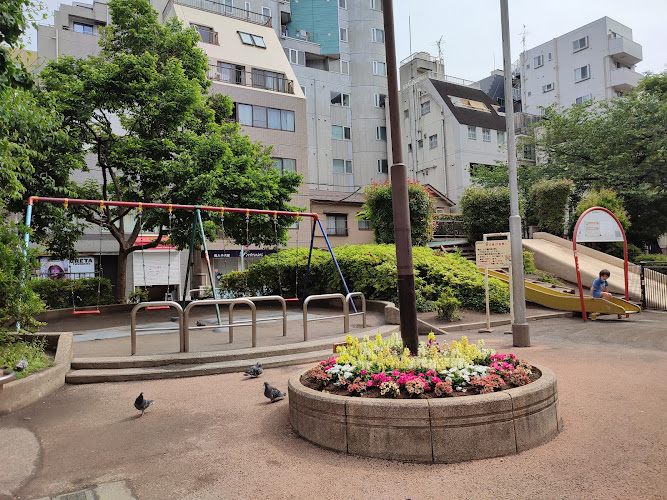
Amishiro Park

Entsuji-zaka Park
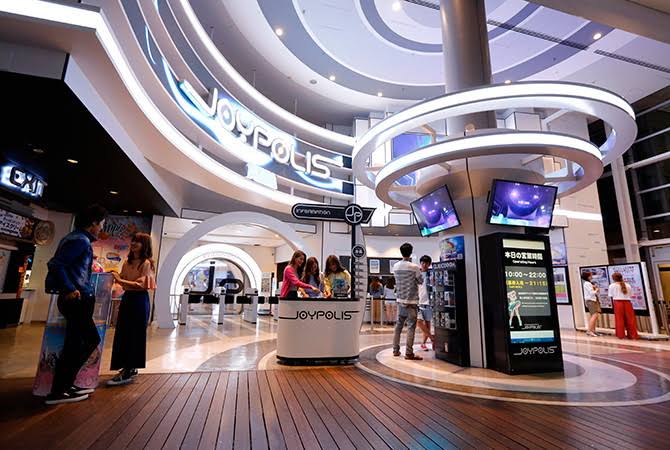
Tokyo Joypolis
Find Accommodations Nearby
Recommended Tours & Activities
Visitor Reviews
There are no reviews yet. Be the first one to write one.
Share Your Experience
Have you visited Tokyo Metropolitan Teien Art Museum? Help other travelers by leaving a review.