Guided Sightseeing Tours & Activities in Jamnagar
- Browse sightseeing excursions and activities in Jamnagar
- Check live availability, rates & traveler reviews on Viator
- Secure online booking with flexible options
F38C+Q57, Shri Prembhikshuji Marg, Government Colony, Jamnagar, Gujarat 361005, India

The Archaeological Museum in Jamnagar offers travelers a fascinating window into Gujarat’s rich historical tapestry, though it remains one of those quietly compelling destinations that doesn’t always make it onto the typical tourist radar.
The Archaeological Museum in Jamnagar offers travelers a fascinating window into Gujarat’s rich historical tapestry, though it remains one of those quietly compelling destinations that doesn’t always make it onto the typical tourist radar. And honestly, that’s part of its charm. Located in this coastal city known more for its refineries and marine national parks, the museum houses an impressive collection of artifacts that tell stories spanning centuries of human civilization in this region.
When I think about what makes this place special, it’s the intimate scale of the experience. You won’t find massive crowds here competing for photo opportunities or rushing past displays. Instead, visitors get to engage with history at their own pace, really absorbing the details of each exhibit. The museum showcases sculptures, inscriptions, coins, and various archaeological finds that have been unearthed from sites across the Saurashtra region. Many of these pieces date back to medieval periods, though some artifacts reach even further into antiquity.
What strikes most travelers is how the museum manages to bridge the gap between academic preservation and public accessibility. The collections aren’t just dusty relics behind glass—though there is plenty of glass, naturally. They’re curated in ways that help you understand the daily lives, religious practices, and artistic achievements of people who lived in this region generations ago. For families traveling with children, this becomes an unexpectedly engaging educational experience. Kids often find themselves drawn to the sculptural works and ancient coins, sparking questions that lead to meaningful conversations about history and culture.
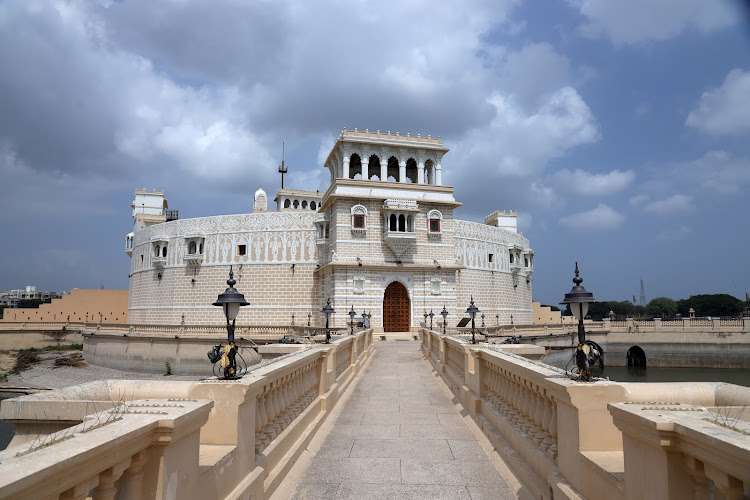
The building itself reflects the practical architectural sensibilities typical of regional museums established in the mid-20th century. It’s not going to win awards for contemporary design, but it serves its purpose well—protecting valuable artifacts while making them available for public viewing and study. The modest scale means you can thoroughly explore everything in a couple of hours without feeling overwhelmed or experiencing museum fatigue.
The Archaeological Museum in Jamnagar presents several noteworthy elements that distinguish it as a worthwhile cultural destination:
• Collection of medieval sculptures showcasing the artistic traditions of Gujarat, including pieces representing various Hindu deities that demonstrate the region’s devotional practices and aesthetic sensibilities
• Ancient coins from different dynasties that ruled over Saurashtra, providing tangible connections to economic systems and political powers that shaped this coastal area
• Inscriptional evidence in various scripts that scholars and curious visitors alike find valuable for understanding linguistic evolution and administrative practices of bygone eras
• Pottery and ceramic artifacts recovered from archaeological excavations, offering insights into domestic life and trade patterns of historical communities
• Child-friendly displays that make the museum genuinely educational for younger visitors, helping families introduce historical concepts in accessible ways
• Relatively uncrowded environment that allows for contemplative viewing and photography without the pressure of tourist masses
• Regional focus that concentrates specifically on Saurashtra’s archaeological heritage rather than attempting to cover too broad a territory
• Educational value for students and researchers interested in Gujarat’s medieval period and archaeological methodologies
Planning your visit to the Archaeological Museum requires thinking about Jamnagar’s climate patterns, which can be pretty intense depending on when you show up. The most comfortable period for exploring the museum runs from October through March, when temperatures in this coastal city remain pleasant and manageable. During these months, you’ll find daytime temperatures hovering between 15 to 30 degrees Celsius, making the walk to and from the museum quite enjoyable.
Winter months, particularly December and January, offer the absolute best conditions. The weather during this time is cool enough that you won’t arrive at the museum drenched in perspiration, yet warm enough that you don’t need heavy layers. This matters more than you might think because examining artifacts and reading informational plaques requires standing still for extended periods, and comfort really enhances the experience.
But let me be honest about the summer situation. April through June brings scorching heat to Jamnagar, with temperatures often climbing above 40 degrees Celsius. If your travel dates happen to fall during these months, plan your museum visit for early morning hours when the building opens. The museum provides shelter from the heat once you’re inside, but getting there during midday summer can be exhausting.
The monsoon season from July through September presents its own considerations. While the rains cool things down considerably and bring a refreshing change to the landscape, unpredictable downpours can complicate travel plans. However, if you don’t mind carrying an umbrella and navigating occasional puddles, the post-rain atmosphere has its own appeal, and the museum sees even fewer visitors during this period.
Weekdays generally offer a more peaceful experience than weekends, though crowds here are never overwhelming compared to major tourist attractions. School holidays and local festival periods might bring more families, which creates a different energy—not necessarily worse, just different from the quiet contemplation you might prefer.
Reaching the Archaeological Museum in Jamnagar is straightforward once you’ve arrived in the city, though the journey to Jamnagar itself varies depending on your starting point. The city is well-connected by rail, road, and air to other parts of Gujarat and India.
If you’re flying in, Jamnagar Airport handles regular flights from major cities like Mumbai, Delhi, and Ahmedabad. From the airport, you’ll need to arrange ground transportation into the city center where the museum is located. Auto-rickshaws and taxi services are readily available, and most drivers know the museum’s location. The drive typically takes around 20-30 minutes depending on traffic conditions.
Rail travelers will find Jamnagar railway station conveniently connected to Gujarat’s extensive rail network. The station receives trains from Ahmedabad, Rajkot, and other regional cities. From the railway station, the museum is accessible via local transportation—auto-rickshaws remain the most practical option for tourists unfamiliar with the city’s layout. The journey shouldn’t take more than 15-20 minutes in normal traffic.
For those driving, Jamnagar is connected by well-maintained highways to surrounding cities. National Highway 8E and State Highway 6 provide the primary road access. If you’re staying in the city center, the museum is generally within easy reach by rental car or taxi. Parking near the museum can be found, though spaces are somewhat limited—another advantage of arriving during off-peak hours.
Local buses operate throughout Jamnagar, though navigating the bus system requires some familiarity with routes and stops. For first-time visitors, auto-rickshaws offer greater convenience and flexibility. Most auto drivers understand basic English or can work with smartphone translation apps if communication becomes challenging.
Once you’re in the general vicinity, asking locals for directions to “Archaeological Museum” usually yields helpful guidance. Jamnagar residents are typically friendly and willing to point travelers in the right direction, even if language barriers require some creative communication.
Making the most of your Archaeological Museum experience requires a bit of preparation and awareness. First off, check the museum’s opening hours before planning your visit. Like many smaller regional museums, it may have limited operating hours or close on certain days of the week—usually one day for maintenance or administrative purposes.
Photography policies vary among museums, so verify whether picture-taking is permitted and if there are any restrictions on flash usage. Many artifacts are sensitive to light exposure, so even if photography is allowed, using flash might be prohibited to protect the collections. Respecting these rules ensures these treasures remain preserved for future visitors.
Wear comfortable shoes. This might seem obvious, but museum floors can be hard on your feet after standing and walking for extended periods. Since you’ll likely be examining displays closely, bending and moving around quite a bit, comfort matters more than fashion here.
Bring along a water bottle, especially during warmer months. While the museum provides shelter from heat, staying hydrated improves concentration and enjoyment. Some museums have restrictions on food and drinks near exhibits, so check policies and keep your bottle in your bag when viewing collections.
For families with children, a little advance preparation goes a long way. Talk with kids beforehand about what they’ll see and why these objects matter. Turn it into a treasure hunt—challenge them to find specific types of artifacts or the oldest item in a particular section. This engagement transforms the visit from potential boredom into an adventure.
Consider hiring a local guide if available, or at minimum, invest time reading the informational plaques thoroughly. The context behind artifacts makes them infinitely more interesting than simply viewing old objects. Understanding why a particular sculpture was created or what a coin reveals about trade routes adds depth to the visual experience.
Plan to spend at least 90 minutes to two hours for a thorough visit. Rushing through defeats the purpose of coming. Archaeological museums reward patience and curiosity rather than quick Instagram photo sessions.
Respect the space and other visitors by maintaining appropriate noise levels and avoiding touching artifacts unless explicitly permitted. The oils from human hands can damage ancient materials, and even well-intentioned touching contributes to deterioration over time.
Finally, approach the experience with genuine curiosity rather than expectations shaped by blockbuster museums in major cities. This museum’s value lies in its focused collection and the specific stories it tells about this region’s past. What it might lack in scale, it compensates for through authenticity and the opportunity to connect with Gujarat’s archaeological heritage in a meaningful, unhurried way.
Last modified March 30, 2026
The Archaeological Museum in Jamnagar offers travelers a fascinating window into Gujarat’s rich historical tapestry, though it remains one of those quietly compelling destinations that doesn’t always make it onto the typical tourist radar. And honestly, that’s part of its charm. Located in this coastal city known more for its refineries and marine national parks, the museum houses an impressive collection of artifacts that tell stories spanning centuries of human civilization in this region.
When I think about what makes this place special, it’s the intimate scale of the experience. You won’t find massive crowds here competing for photo opportunities or rushing past displays. Instead, visitors get to engage with history at their own pace, really absorbing the details of each exhibit. The museum showcases sculptures, inscriptions, coins, and various archaeological finds that have been unearthed from sites across the Saurashtra region. Many of these pieces date back to medieval periods, though some artifacts reach even further into antiquity.
What strikes most travelers is how the museum manages to bridge the gap between academic preservation and public accessibility. The collections aren’t just dusty relics behind glass—though there is plenty of glass, naturally. They’re curated in ways that help you understand the daily lives, religious practices, and artistic achievements of people who lived in this region generations ago. For families traveling with children, this becomes an unexpectedly engaging educational experience. Kids often find themselves drawn to the sculptural works and ancient coins, sparking questions that lead to meaningful conversations about history and culture.
The building itself reflects the practical architectural sensibilities typical of regional museums established in the mid-20th century. It’s not going to win awards for contemporary design, but it serves its purpose well—protecting valuable artifacts while making them available for public viewing and study. The modest scale means you can thoroughly explore everything in a couple of hours without feeling overwhelmed or experiencing museum fatigue.
The Archaeological Museum in Jamnagar presents several noteworthy elements that distinguish it as a worthwhile cultural destination:
• Collection of medieval sculptures showcasing the artistic traditions of Gujarat, including pieces representing various Hindu deities that demonstrate the region’s devotional practices and aesthetic sensibilities
• Ancient coins from different dynasties that ruled over Saurashtra, providing tangible connections to economic systems and political powers that shaped this coastal area
• Inscriptional evidence in various scripts that scholars and curious visitors alike find valuable for understanding linguistic evolution and administrative practices of bygone eras
• Pottery and ceramic artifacts recovered from archaeological excavations, offering insights into domestic life and trade patterns of historical communities
• Child-friendly displays that make the museum genuinely educational for younger visitors, helping families introduce historical concepts in accessible ways
• Relatively uncrowded environment that allows for contemplative viewing and photography without the pressure of tourist masses
• Regional focus that concentrates specifically on Saurashtra’s archaeological heritage rather than attempting to cover too broad a territory
• Educational value for students and researchers interested in Gujarat’s medieval period and archaeological methodologies
Planning your visit to the Archaeological Museum requires thinking about Jamnagar’s climate patterns, which can be pretty intense depending on when you show up. The most comfortable period for exploring the museum runs from October through March, when temperatures in this coastal city remain pleasant and manageable. During these months, you’ll find daytime temperatures hovering between 15 to 30 degrees Celsius, making the walk to and from the museum quite enjoyable.
Winter months, particularly December and January, offer the absolute best conditions. The weather during this time is cool enough that you won’t arrive at the museum drenched in perspiration, yet warm enough that you don’t need heavy layers. This matters more than you might think because examining artifacts and reading informational plaques requires standing still for extended periods, and comfort really enhances the experience.
But let me be honest about the summer situation. April through June brings scorching heat to Jamnagar, with temperatures often climbing above 40 degrees Celsius. If your travel dates happen to fall during these months, plan your museum visit for early morning hours when the building opens. The museum provides shelter from the heat once you’re inside, but getting there during midday summer can be exhausting.
The monsoon season from July through September presents its own considerations. While the rains cool things down considerably and bring a refreshing change to the landscape, unpredictable downpours can complicate travel plans. However, if you don’t mind carrying an umbrella and navigating occasional puddles, the post-rain atmosphere has its own appeal, and the museum sees even fewer visitors during this period.
Weekdays generally offer a more peaceful experience than weekends, though crowds here are never overwhelming compared to major tourist attractions. School holidays and local festival periods might bring more families, which creates a different energy—not necessarily worse, just different from the quiet contemplation you might prefer.
Reaching the Archaeological Museum in Jamnagar is straightforward once you’ve arrived in the city, though the journey to Jamnagar itself varies depending on your starting point. The city is well-connected by rail, road, and air to other parts of Gujarat and India.
If you’re flying in, Jamnagar Airport handles regular flights from major cities like Mumbai, Delhi, and Ahmedabad. From the airport, you’ll need to arrange ground transportation into the city center where the museum is located. Auto-rickshaws and taxi services are readily available, and most drivers know the museum’s location. The drive typically takes around 20-30 minutes depending on traffic conditions.
Rail travelers will find Jamnagar railway station conveniently connected to Gujarat’s extensive rail network. The station receives trains from Ahmedabad, Rajkot, and other regional cities. From the railway station, the museum is accessible via local transportation—auto-rickshaws remain the most practical option for tourists unfamiliar with the city’s layout. The journey shouldn’t take more than 15-20 minutes in normal traffic.
For those driving, Jamnagar is connected by well-maintained highways to surrounding cities. National Highway 8E and State Highway 6 provide the primary road access. If you’re staying in the city center, the museum is generally within easy reach by rental car or taxi. Parking near the museum can be found, though spaces are somewhat limited—another advantage of arriving during off-peak hours.
Local buses operate throughout Jamnagar, though navigating the bus system requires some familiarity with routes and stops. For first-time visitors, auto-rickshaws offer greater convenience and flexibility. Most auto drivers understand basic English or can work with smartphone translation apps if communication becomes challenging.
Once you’re in the general vicinity, asking locals for directions to “Archaeological Museum” usually yields helpful guidance. Jamnagar residents are typically friendly and willing to point travelers in the right direction, even if language barriers require some creative communication.
Making the most of your Archaeological Museum experience requires a bit of preparation and awareness. First off, check the museum’s opening hours before planning your visit. Like many smaller regional museums, it may have limited operating hours or close on certain days of the week—usually one day for maintenance or administrative purposes.
Photography policies vary among museums, so verify whether picture-taking is permitted and if there are any restrictions on flash usage. Many artifacts are sensitive to light exposure, so even if photography is allowed, using flash might be prohibited to protect the collections. Respecting these rules ensures these treasures remain preserved for future visitors.
Wear comfortable shoes. This might seem obvious, but museum floors can be hard on your feet after standing and walking for extended periods. Since you’ll likely be examining displays closely, bending and moving around quite a bit, comfort matters more than fashion here.
Bring along a water bottle, especially during warmer months. While the museum provides shelter from heat, staying hydrated improves concentration and enjoyment. Some museums have restrictions on food and drinks near exhibits, so check policies and keep your bottle in your bag when viewing collections.
For families with children, a little advance preparation goes a long way. Talk with kids beforehand about what they’ll see and why these objects matter. Turn it into a treasure hunt—challenge them to find specific types of artifacts or the oldest item in a particular section. This engagement transforms the visit from potential boredom into an adventure.
Consider hiring a local guide if available, or at minimum, invest time reading the informational plaques thoroughly. The context behind artifacts makes them infinitely more interesting than simply viewing old objects. Understanding why a particular sculpture was created or what a coin reveals about trade routes adds depth to the visual experience.
Plan to spend at least 90 minutes to two hours for a thorough visit. Rushing through defeats the purpose of coming. Archaeological museums reward patience and curiosity rather than quick Instagram photo sessions.
Respect the space and other visitors by maintaining appropriate noise levels and avoiding touching artifacts unless explicitly permitted. The oils from human hands can damage ancient materials, and even well-intentioned touching contributes to deterioration over time.
Finally, approach the experience with genuine curiosity rather than expectations shaped by blockbuster museums in major cities. This museum’s value lies in its focused collection and the specific stories it tells about this region’s past. What it might lack in scale, it compensates for through authenticity and the opportunity to connect with Gujarat’s archaeological heritage in a meaningful, unhurried way.

No reviews found! Be the first to review!
Archaeological Museum ,Jamnagar is a prominent museums located in Jamnagar.
Visit us at: F38C+Q57, Shri Prembhikshuji Marg, Government Colony, Jamnagar, Gujarat 361005, India.
Explore verified points of interest within walking or short transit distance.
No neighboring places mapped within 5 km yet.
Stay22 provides this accommodation search. We may earn a commission if you book through it; verify current prices and terms with the provider.
GetYourGuide provides this tour inventory. We may earn a commission if you book through it; verify current availability, prices, and terms with the provider.
We may earn a commission if you book through links on this page at no extra cost to you. All tours feature verified customer reviews and flexible cancellation options.
No traveler reviews yet. Share your experience below!
No traveler questions yet. Be the first to ask a local!