Description
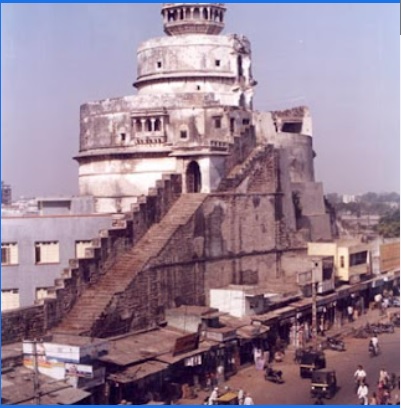
When you first approach Bhujiyo Kotho, you’ll notice it’s not exactly what modern tourism brochures would call perfectly maintained. And honestly, that’s part of its charm for many travelers who visit. The structure bears the marks of time, weather, and perhaps a bit of neglect, but these imperfections tell their own story about resilience and survival through the ages. I’ve always believed that places like this, where you can see the authentic wear and tear of history, offer something more valuable than perfectly restored monuments that sometimes feel more like movie sets than actual historical sites.
The monument appeals particularly to history enthusiasts and travelers who prefer off-the-beaten-path experiences over crowded tourist hotspots. You won’t find massive tour groups here or vendors selling overpriced souvenirs every few feet. What you will find is a structure that invites contemplation and exploration, though visitors should come prepared with realistic expectations about amenities and preservation levels.
Key Features
The distinctive characteristics of Bhujiyo Kotho make it worth considering for your travel itinerary, especially if you’re the type who appreciates historical authenticity:
• The architectural style reflects traditional construction methods that have largely disappeared from modern building practices, offering insight into how structures were designed to withstand harsh environmental conditions
• The structure’s positioning provides excellent vantage points for photography, particularly during golden hour when the light hits the weathered surfaces just right
• Suitable for families traveling with children who are interested in history and exploration, though parents should supervise carefully given the aged condition of certain areas
• Limited crowds mean you can often explore at your own pace without feeling rushed or fighting for photo opportunities
• The surrounding landscape adds context to understanding why this location was chosen for construction and how it served its historical purpose
• Architectural details visible in various sections reveal craftsmanship techniques that modern builders might find fascinating
• The site’s relatively undeveloped nature means you’re experiencing something closer to how travelers would have encountered it decades ago
• Free from excessive commercialization, allowing for a more authentic and meditative visit
• Opportunity to observe conservation challenges firsthand and understand the complexities of preserving historical structures in changing climates
Best Time to Visit
Timing your visit to Bhujiyo Kotho can significantly impact your experience. The cooler months generally offer the most comfortable conditions for exploration, typically from October through March. During this period, temperatures are more manageable for walking around and spending time outdoors examining the structure’s features.
Early mornings present perhaps the best opportunity for visits. You’ll encounter fewer fellow travelers, and the morning light creates beautiful conditions for photography while the air remains relatively cool. I’ve found that arriving shortly after sunrise not only provides comfortable temperatures but also lends an almost magical quality to these historical sites when the world is still quiet.
The summer months can be brutally hot, and since there’s limited shade around the structure, you’ll find yourself cutting your visit shorter than you might have planned. But if summer is your only option, aim for very early morning or late afternoon visits. Just be prepared with plenty of water and sun protection.
Monsoon season brings its own considerations. While the landscape around Bhujiyo Kotho becomes more scenic after rains, the structure itself may have areas that become slippery or temporarily inaccessible. The humidity can also be challenging for some visitors, though the cooler temperatures compared to summer might be welcomed.
Avoid major regional holidays if you prefer solitude during your visit, as local tourism tends to increase during these periods. Though even on busier days, Bhujiyo Kotho typically doesn’t reach the overwhelming crowd levels you’d find at more famous monuments.
How to Get There
Reaching Bhujiyo Kotho requires a bit of planning, but the journey is certainly manageable for most travelers. The structure isn’t located in the middle of a major city with convenient metro access, so you’ll need to arrange transportation specifically for this visit.
Hiring a local taxi or using ride-sharing services provides the most straightforward approach. You can negotiate with drivers for round-trip service, which is often advisable since finding return transportation from the site itself might prove challenging. Make sure your driver understands exactly where you want to go, as some may not be immediately familiar with the name.
For travelers who prefer independence, renting a vehicle offers flexibility in timing your visit and exploring the surrounding area at your own pace. The roads leading to the site are generally navigable, though they may not meet the standards travelers from highly developed countries are accustomed to. A GPS or reliable map application is essential since signage can be minimal or unclear.
Local buses do serve the general area, but you’ll likely need to combine bus travel with some walking or arrange for additional short-distance transportation. This option works best for budget-conscious travelers who don’t mind adding some adventure to their journey.
If you’re staying nearby, some hotels and guesthouses can arrange transportation or guide you toward the most reliable local drivers. Don’t hesitate to ask for recommendations, as locals often know which drivers are most dependable and fair with their pricing.
Tips for Visiting
Making the most of your visit to Bhujiyo Kotho requires some advance preparation and realistic expectations. First and foremost, understand that accessibility features are essentially non-existent here. The site isn’t wheelchair accessible, and mobility-challenged visitors will face significant difficulties navigating the structure and surrounding terrain. This isn’t meant to discourage anyone, but honest assessment helps everyone plan appropriately.
Bring your own water and snacks because you won’t find vendors or facilities at the site. Actually, facilities in general are minimal to non-existent, so plan accordingly before you arrive. This means using restrooms at your hotel or at a restaurant along the way.
Wear sturdy, comfortable shoes with good traction. The surfaces around and within the structure can be uneven, and you’ll want footwear that can handle rough terrain safely. Those fashionable sandals might look great in photos, but they’re not ideal for exploring historical structures with worn surfaces.
Dress modestly and appropriately for both the cultural context and the physical activity of exploring. Comfortable, breathable fabrics work best, especially during warmer months. And don’t forget sun protection – a hat, sunglasses, and sunscreen are essential since shade is limited.
Bring a flashlight or ensure your phone is fully charged if you plan to explore darker areas within the structure. Some sections may have limited natural light, and having your own light source adds both safety and the ability to examine architectural details more closely.
Consider hiring a local guide if you’re genuinely interested in understanding the historical context and architectural significance. While Bhujiyo Kotho can be explored independently, a knowledgeable guide brings the structure to life with stories and details you’d otherwise miss. Your hotel or guesthouse can usually recommend reliable guides.
Photography enthusiasts should bring appropriate equipment, as the site offers numerous interesting shots. But be respectful of any posted restrictions and mindful of other visitors who might not want to appear in your photographs.
Manage your expectations about the condition of the site. This isn’t a perfectly preserved monument with interpretive signage every few feet. You’re visiting an aging structure that shows its years, and that authentic decay is part of what makes it historically significant. Some visitors find this disappointing while others find it refreshing compared to overly manicured tourist sites.
Finally, carry some cash for tipping drivers or guides and for any incidental expenses along the way. Card payment options are limited in these more remote historical sites.
The experience at Bhujiyo Kotho rewards travelers who approach it with curiosity, flexibility, and appreciation for authentic historical experiences rather than polished tourist attractions. It’s a place that asks something of its visitors – a bit of effort, some imagination, and willingness to engage with history on its own terms rather than expecting it to be packaged for easy consumption.