About Antsirabe

Description

Antsirabe, tucked away in Madagascar’s central highlands, feels like one of those places that wasn’t in your original travel plan but ends up being the highlight of the trip. Known as the country’s “city of water,” it earned that nickname thanks to its thermal springs that bubble right from the earth—people come here for both the hotter pools and the crisp mountain air. The scenery feels quite different from the coastal towns. The weather is cooler, and the influences of the French colonial past are clearly marked in the architecture—the kinds of pastel-toned facades and wrought-iron balconies that make you wonder what life was like in the 1920s when the grand Hôtel des Thermes was buzzing with European visitors.

There’s something intriguing about how Antsirabe combines its European heritage with Malagasy character. Horse-drawn rickshaws, called pousse-pousse, are the main form of transport, adding a splash of color and charm to the streets. You’ll see local drivers pedaling cheerfully, calling out to passersby, while roadside stalls come alive with the scent of grilled corn or freshly fried doughnuts. The city is also known for being a hub of artisans—stone carvers, miniature rickshaw makers, and zebu horn craftsmen all work their magic here. If you like bringing something home that truly feels made here, Antsirabe is one of the best spots in Madagascar.

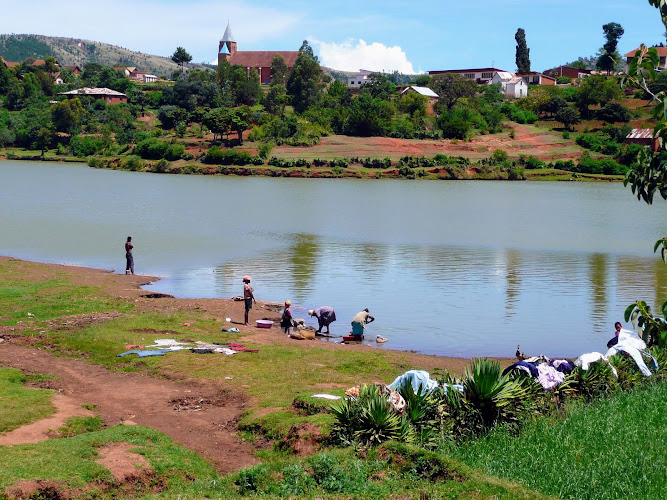
And then there’s the surrounding landscape—rolling hills, crater lakes, eucalyptus forests—it’s all somehow soothing, like nature inviting you to slow down. I remember my first visit: sipping locally grown tea near Lake Andraikiba, watching fishermen casting lines in the misty morning air. There was this quiet peace, and it just stuck with me. Antsirabe is not wild in the adventurous sense, like the rainforests or reefs elsewhere on the island, but it has this calm energy that really seeps in once you stop moving so fast.

Key Features

  • Thermal Springs: The city’s defining feature, these natural hot springs have been used since the colonial era for their supposed healing properties. Many local spas today still use them for soaking treatments.
  • French Colonial Architecture: Stately buildings, such as the Hôtel des Thermes and elegant mansions along Independence Avenue, echo back to the turn of the century.
  • Pousse-Pousse Culture: The brightly painted rickshaws are both a mode of transportation and a cultural symbol—no visit feels complete without a ride.
  • Lake Andraikiba and Lake Tritriva: Beautiful crater lakes nearby that are perfect for a peaceful walk, picnic, or even a canoe ride.
  • Sabotsy Market: A bustling open-air market where locals trade everything from handwoven clothes to glimmering gems.
  • Local Artisans: Workshops producing miniature bicycles, gemstone carvings, and embroidery that reflect the region’s creativity.
  • Cool Highland Climate: Comfortable temperatures make Antsirabe a perfect escape from the heat of Madagascar’s coast.

Best Time to Visit

Antsirabe’s highland climate has two moods: pleasantly cool and refreshingly crisp. Because of its altitude—around 1,500 meters above sea level—the air is cooler year-round, and that means you can comfortably explore even during summer. Most travelers prefer coming between May and October, the dry season. That’s when the sun usually shines, the paths around the lakes are firm, and the markets are at their most active. The rains, from November to April, tend to come as afternoon downpours that can muddy roads, but honestly, they also paint the hills with the most amazing green you’ll ever see.

Personally, I think the shoulder months—April and September—are a sweet spot. You get fewer tourists, the morning fog gently creeps along the lake surface, and the countryside feels almost cinematic. Nights can get chilly, though, so pack a sweater or two. I learned the hard way on my first night there—thought a light jacket was enough, but when you’re dining outdoors, you’ll appreciate an extra layer.

How to Get There

Reaching Antsirabe isn’t difficult, especially if you’re already on the island’s main route between Antananarivo (the capital) and the south. The drive from Antananarivo takes about three hours along Route Nationale 7, the same road that eventually winds toward Fianarantsoa and Isalo National Park. The journey itself is quite scenic—you’ll pass through rice terraces, grassy plateaus, and small villages with kids waving beside the road.

Public taxis-brousse (shared minibuses) run regularly from Antananarivo to Antsirabe, offering an affordable and adventure-filled ride. If you prefer comfort, private drivers or organized tours are also widely available and let you stop wherever you like—for instance, at a roadside stand selling handmade cheese or warm mofo gasy (Malagasy rice cakes). For travelers coming from the south, Antsirabe is often used as an overnight stop between the national parks and the capital. And while the city has a small private airstrip, almost everyone arrives by road—it’s half the fun.

Once you arrive, the best way to explore Antsirabe itself is by foot or by pousse-pousse. These colorful rickshaws not only make travel within the city easy but also feel like part of the experience—you get to interact with the drivers, who always seem to have a local story or legend to share.

Tips for Visiting

First off—take it slow. Antsirabe isn’t the kind of place that rewards rushing around with a checklist. Wander, chat with people, and let curiosity lead you. The biggest surprise is usually in the unplanned moments, like stumbling upon a workshop where artisans carve tiny zebus out of soapstone. Bring small cash notes too; most local vendors don’t have change for big bills.

If you’re visiting the lakes, remember that the weather can shift quickly. A sudden breeze over Lake Tritriva can make the water look almost black, which locals say is a sign of spirits guarding it—whether or not you believe in that, it’s an uncanny sight. Respect local traditions when visiting these natural sites, and always ask before swimming or taking portraits of people nearby.

For accommodation, you’ll find a range of options—family-run guesthouses, charming colonial hotels, and newer eco-lodges outside the city. Some of my best memories come from chatting with hosts over breakfast while the morning mist slowly faded away outside. Try the local dishes too: ravitoto (cassava leaves with pork), akoho sy voanio (chicken with coconut milk), and the famous Madagascan rice in about ten variations. It might sound simple, but Antsirabe has a knack for making ordinary food taste special—maybe it’s the altitude, or maybe it’s just that mountain appetite that makes everything better.

For day trips, consider heading to nearby craters and villages, or even down toward Ambositra, a town known for its woodcarving. The drive also gives you a sense of Central Madagascar’s rural beauty, something many people overlook when heading straight to the beaches. If you love photography, you’ll be spoiled—the mix of architectural details, the bright colors of pousse-pousse, and people in traditional lambas make for vivid frames.

And perhaps most importantly, be ready to connect. Malagasy hospitality here feels more personal. It’s the kind of warmth that makes you want to linger a bit longer. Whether it’s sipping tea in a local café, cycling to Lake Andraikiba, or chatting with the pousse-pousse driver about his favorite route, you’ll find that the city gives more than it asks for. I’ve been lucky enough to travel to many towns across Madagascar, but Antsirabe lingers in memory—it’s part mountain escape, part living museum, and part cozy small-town experience. If you’re planning a trip to Madagascar, it absolutely deserves a spot on your route—not because it’s flashy, but because it feels real.

Key Features

  • Key Features
  • Best Time to Visit
  • How to Get There
  • Tips for Visiting

More Details

Updated October 22, 2025

Description

Antsirabe, tucked away in Madagascar’s central highlands, feels like one of those places that wasn’t in your original travel plan but ends up being the highlight of the trip. Known as the country’s “city of water,” it earned that nickname thanks to its thermal springs that bubble right from the earth—people come here for both the hotter pools and the crisp mountain air. The scenery feels quite different from the coastal towns. The weather is cooler, and the influences of the French colonial past are clearly marked in the architecture—the kinds of pastel-toned facades and wrought-iron balconies that make you wonder what life was like in the 1920s when the grand Hôtel des Thermes was buzzing with European visitors.

There’s something intriguing about how Antsirabe combines its European heritage with Malagasy character. Horse-drawn rickshaws, called pousse-pousse, are the main form of transport, adding a splash of color and charm to the streets. You’ll see local drivers pedaling cheerfully, calling out to passersby, while roadside stalls come alive with the scent of grilled corn or freshly fried doughnuts. The city is also known for being a hub of artisans—stone carvers, miniature rickshaw makers, and zebu horn craftsmen all work their magic here. If you like bringing something home that truly feels made here, Antsirabe is one of the best spots in Madagascar.

And then there’s the surrounding landscape—rolling hills, crater lakes, eucalyptus forests—it’s all somehow soothing, like nature inviting you to slow down. I remember my first visit: sipping locally grown tea near Lake Andraikiba, watching fishermen casting lines in the misty morning air. There was this quiet peace, and it just stuck with me. Antsirabe is not wild in the adventurous sense, like the rainforests or reefs elsewhere on the island, but it has this calm energy that really seeps in once you stop moving so fast.

Key Features

  • Thermal Springs: The city’s defining feature, these natural hot springs have been used since the colonial era for their supposed healing properties. Many local spas today still use them for soaking treatments.
  • French Colonial Architecture: Stately buildings, such as the Hôtel des Thermes and elegant mansions along Independence Avenue, echo back to the turn of the century.
  • Pousse-Pousse Culture: The brightly painted rickshaws are both a mode of transportation and a cultural symbol—no visit feels complete without a ride.
  • Lake Andraikiba and Lake Tritriva: Beautiful crater lakes nearby that are perfect for a peaceful walk, picnic, or even a canoe ride.
  • Sabotsy Market: A bustling open-air market where locals trade everything from handwoven clothes to glimmering gems.
  • Local Artisans: Workshops producing miniature bicycles, gemstone carvings, and embroidery that reflect the region’s creativity.
  • Cool Highland Climate: Comfortable temperatures make Antsirabe a perfect escape from the heat of Madagascar’s coast.

Best Time to Visit

Antsirabe’s highland climate has two moods: pleasantly cool and refreshingly crisp. Because of its altitude—around 1,500 meters above sea level—the air is cooler year-round, and that means you can comfortably explore even during summer. Most travelers prefer coming between May and October, the dry season. That’s when the sun usually shines, the paths around the lakes are firm, and the markets are at their most active. The rains, from November to April, tend to come as afternoon downpours that can muddy roads, but honestly, they also paint the hills with the most amazing green you’ll ever see.

Personally, I think the shoulder months—April and September—are a sweet spot. You get fewer tourists, the morning fog gently creeps along the lake surface, and the countryside feels almost cinematic. Nights can get chilly, though, so pack a sweater or two. I learned the hard way on my first night there—thought a light jacket was enough, but when you’re dining outdoors, you’ll appreciate an extra layer.

How to Get There

Reaching Antsirabe isn’t difficult, especially if you’re already on the island’s main route between Antananarivo (the capital) and the south. The drive from Antananarivo takes about three hours along Route Nationale 7, the same road that eventually winds toward Fianarantsoa and Isalo National Park. The journey itself is quite scenic—you’ll pass through rice terraces, grassy plateaus, and small villages with kids waving beside the road.

Public taxis-brousse (shared minibuses) run regularly from Antananarivo to Antsirabe, offering an affordable and adventure-filled ride. If you prefer comfort, private drivers or organized tours are also widely available and let you stop wherever you like—for instance, at a roadside stand selling handmade cheese or warm mofo gasy (Malagasy rice cakes). For travelers coming from the south, Antsirabe is often used as an overnight stop between the national parks and the capital. And while the city has a small private airstrip, almost everyone arrives by road—it’s half the fun.

Once you arrive, the best way to explore Antsirabe itself is by foot or by pousse-pousse. These colorful rickshaws not only make travel within the city easy but also feel like part of the experience—you get to interact with the drivers, who always seem to have a local story or legend to share.

Tips for Visiting

First off—take it slow. Antsirabe isn’t the kind of place that rewards rushing around with a checklist. Wander, chat with people, and let curiosity lead you. The biggest surprise is usually in the unplanned moments, like stumbling upon a workshop where artisans carve tiny zebus out of soapstone. Bring small cash notes too; most local vendors don’t have change for big bills.

If you’re visiting the lakes, remember that the weather can shift quickly. A sudden breeze over Lake Tritriva can make the water look almost black, which locals say is a sign of spirits guarding it—whether or not you believe in that, it’s an uncanny sight. Respect local traditions when visiting these natural sites, and always ask before swimming or taking portraits of people nearby.

For accommodation, you’ll find a range of options—family-run guesthouses, charming colonial hotels, and newer eco-lodges outside the city. Some of my best memories come from chatting with hosts over breakfast while the morning mist slowly faded away outside. Try the local dishes too: ravitoto (cassava leaves with pork), akoho sy voanio (chicken with coconut milk), and the famous Madagascan rice in about ten variations. It might sound simple, but Antsirabe has a knack for making ordinary food taste special—maybe it’s the altitude, or maybe it’s just that mountain appetite that makes everything better.

For day trips, consider heading to nearby craters and villages, or even down toward Ambositra, a town known for its woodcarving. The drive also gives you a sense of Central Madagascar’s rural beauty, something many people overlook when heading straight to the beaches. If you love photography, you’ll be spoiled—the mix of architectural details, the bright colors of pousse-pousse, and people in traditional lambas make for vivid frames.

And perhaps most importantly, be ready to connect. Malagasy hospitality here feels more personal. It’s the kind of warmth that makes you want to linger a bit longer. Whether it’s sipping tea in a local café, cycling to Lake Andraikiba, or chatting with the pousse-pousse driver about his favorite route, you’ll find that the city gives more than it asks for. I’ve been lucky enough to travel to many towns across Madagascar, but Antsirabe lingers in memory—it’s part mountain escape, part living museum, and part cozy small-town experience. If you’re planning a trip to Madagascar, it absolutely deserves a spot on your route—not because it’s flashy, but because it feels real.

Key Highlights

  • Key Features
  • Best Time to Visit
  • How to Get There
  • Tips for Visiting

Location

Places to Stay Near Antsirabe

Find and Book a Tour

Explore More Travel Guides

No reviews found! Be the first to review!

Traveler Reviews for Antsirabe

There are no reviews yet. Be the first one to write one.

Share Your Experience

Have you visited Antsirabe? Help other travelers by sharing your review.

Find Accommodations Nearby

Recommended Tours & Activities

Visitor Reviews

There are no reviews yet. Be the first one to write one.

Share Your Experience

Have you visited Antsirabe? Help other travelers by leaving a review.