SPV Felana
About SPV Felana
Description
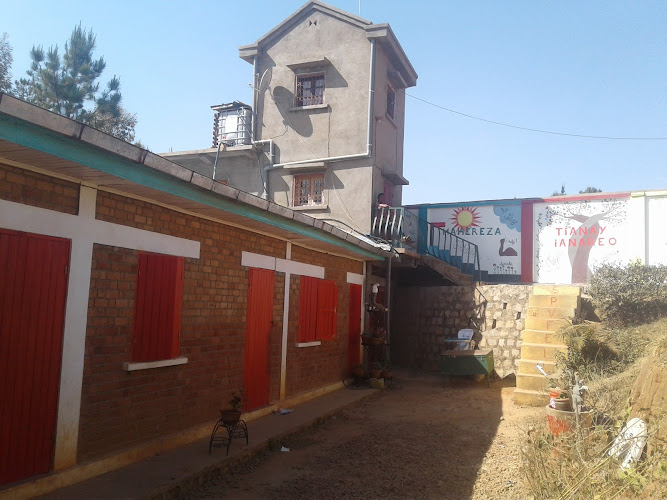
The association SPV Felana in Antsirabe, Madagascar, is one of those places that quietly change lives. It’s not flashy or touristy, but it has that warm, community-driven energy that draws in travelers looking for a meaningful experience. The organization, Service de Préparation pour la Vie Felana, works closely with the children of the Androvakely neighborhood. You won’t find a big office or corporate vibe here—just a passionate group of people dedicated to education, health, and agriculture, creating opportunities where there used to be very few. Personally, it reminded me of those small local initiatives I’ve come across in rural Africa, where each smile tells a story of resilience.
What’s fascinating about SPV Felana is how it manages to connect travelers with local life in a very genuine way. This volunteer association doesn’t just operate projects behind closed doors—it invites people to engage in daily tasks, to play and learn with children, to get their hands dirty in the soil of Antsirabe, where farming is more than just a livelihood, it’s a lifeline. The purpose here isn’t charity in the typical sense. It’s mutual growth—the community grows, but so do the visitors who come to take part in learning what sustainable living really means.
Antsirabe itself, often called Madagascar’s “city of water” because of its thermal springs, sits about 170 kilometers south of Antananarivo. It’s cooler here—refreshingly so—and the countryside glows in golden tones under the afternoon sun. The area around SPV Felana mirrors this kind of calm, a place where one might just forget the rush of modern life for a moment and embrace the rhythm of handwritten lessons on blackboards and the laughter of children echoing across wide fields.
If you’re someone who loves travel with purpose, then SPV Felana might just steal a piece of your heart. What they do here can be summed up in three words—education, empowerment, and empathy. From helping kids with schoolwork to teaching sustainable farming, each effort feeds into a vision of a stronger, self-sufficient community. And perhaps that’s what makes this association stand out among the many NGOs and volunteer opportunities across Madagascar—the fact that it thrives quietly, consistently, and wholeheartedly in Antsirabe’s heart.
Key Features
- Community-Centered Volunteer Programs: The association operates hands-on programs in education, health, and agriculture with an emphasis on local participation.
- Support for Children: SPV Felana focuses on providing educational support and daily care to children in vulnerable situations in Androvakely.
- Practical Agriculture Training: Volunteers engage in sustainable farming methods that benefit the community and local families.
- Health and Hygiene Initiatives: The organization promotes public health awareness and facilitates small-scale medical aid projects.
- Cultural Exchange: Interaction with Malagasy families offers insight into the local lifestyle, values, and traditions.
- Hiking and Exploration Opportunities: The surrounding hills and countryside make it easy to combine volunteering with light hiking adventures.
- Family-Friendly Environment: Both solo volunteers and families can take part, making it accessible to travelers of all kinds.
- Focus on Sustainable Development: Projects are built to last, promoting self-reliance rather than dependency.
I actually remember speaking to one volunteer who said that arriving at SPV Felana felt like “unplugging” from everything. There’s no rush here. Just purpose. And whether you’re painting classroom walls, helping harvest crops, or simply sitting under a mango tree sharing stories, it’s the kind of experience that sticks with you long after you’ve left Madagascar.
Best Time to Visit
Timing matters when planning a journey to SPV Felana in Antsirabe. The climate in this part of Madagascar is generally mild, thanks to its elevation of about 1,500 meters. That means you can expect cool mornings and evenings, even when the rest of the island bakes under tropical heat. The best months to visit are from May to October—Madagascar’s dry season. The skies are mostly clear, roads are in better shape, and the nearby hiking trails are simply stunning then. You’ll see the rice terraces shimmering under sunlight and kids walking to school with that endless energy that only children seem to have.
If you prefer greener scenery and don’t mind the occasional downpour, the period between November and April brings life to the fields—literally. The rains paint the landscapes with deep, lush greens, and it can be magical. But do note that some rural roads could get slippery or tricky after heavy rain. And unless you’re an adventurous traveler who loves muddy boots and stories to tell, you might lean toward the dry months for convenience and comfort.
What’s nice, though, is that SPV Felana’s work runs year-round. So no matter when you arrive, you’ll find ongoing projects to join. Whether it’s planting season or classroom repairs, there’s always something meaningful happening.
How to Get There
Getting to SPV Felana in Antsirabe, Madagascar, is an adventure in itself. The city lies along National Road 7 (RN7), the country’s main highway that links Antananarivo to Fianarantsoa. It’s about a three to four-hour drive from Antananarivo, depending on traffic, road conditions, and—let’s be real—how often you stop for scenic photos or roadside snacks. If you’ve ever taken this route before, you’ll know it’s one of the prettiest drives in Madagascar. The rolling highlands, small villages, and distant mountains make it a little road trip worth remembering.
Travelers can arrive in Antsirabe via private car hire, taxi-brousse (shared minibus), or tour transport. The taxi-brousse is budget-friendly, though not the most comfortable for long legs. Private transfers are ideal if you’re traveling with family or carrying supplies for the association. Once in Antsirabe, local tuk-tuks and taxis can take you near the Androvakely area where SPV Felana operates. It’s always a good idea to coordinate with the team beforehand—they often assist volunteers in navigating the local transport maze, especially if it’s your first time in Madagascar.
Personally, I recommend taking the morning route from the capital because the light is just beautiful. You’ll pass through highland farms, roadside craft stands, and groups of children waving to passing cars—it captures the heart of the Malagasy countryside in a way that photos seldom can.
Tips for Visiting
Visiting SPV Felana isn’t just another travel stop; it’s a way to immerse yourself in local life and leave a lasting impact. Still, a few practical tips can make your stay smoother and more meaningful:
- Embrace Simplicity: Life in Antsirabe runs at a slower pace. Don’t expect luxury amenities. Instead, cherish the simplicity and authenticity—it’s all part of the charm.
- Bring Supplies Wisely: School materials, basic medical items, notebooks, or gardening tools can be useful. But check with the association first; they often know exactly what’s needed.
- Learn a Few Malagasy Words: Even simple greetings like “manao ahoana” (hello) or “misaotra” (thank you) can go a long way. Locals appreciate the effort immensely.
- Dress Respectfully: Modest clothing is best, especially when working with children or participating in community events.
- Stay Hydrated and Protected: The altitude can fool you—it’s cooler, yes, but the sun is strong. Sunscreen and a reusable water bottle go a long way.
- Engage Fully: The more open you are to learning from the community, the more rewarding your visit will be. Ask questions, listen to locals, and share stories.
One last personal thought—when you visit SPV Felana, don’t go expecting to change the world in a week. Go to learn, to connect, to give your time and attention. The real beauty lies in the small moments: a shared laugh with children, a lesson taught under a shady tree, a harvest carried home. Those moments speak louder than grand gestures. They stay with you, shaping how you see the world long after you’ve left the highlands of Madagascar behind.
So, if your plans take you to Antsirabe, consider setting aside a few days—or weeks—for SPV Felana. It’s not your typical tourist attraction, but something much richer: a little haven of purpose, humanity, and hope in one of Madagascar’s most welcoming corners.
Key Features
- Key Features
- Best Time to Visit
- How to Get There
- Tips for Visiting
More Details
Updated October 21, 2025
Table of Contents
Description
The association SPV Felana in Antsirabe, Madagascar, is one of those places that quietly change lives. It’s not flashy or touristy, but it has that warm, community-driven energy that draws in travelers looking for a meaningful experience. The organization, Service de Préparation pour la Vie Felana, works closely with the children of the Androvakely neighborhood. You won’t find a big office or corporate vibe here—just a passionate group of people dedicated to education, health, and agriculture, creating opportunities where there used to be very few. Personally, it reminded me of those small local initiatives I’ve come across in rural Africa, where each smile tells a story of resilience.
What’s fascinating about SPV Felana is how it manages to connect travelers with local life in a very genuine way. This volunteer association doesn’t just operate projects behind closed doors—it invites people to engage in daily tasks, to play and learn with children, to get their hands dirty in the soil of Antsirabe, where farming is more than just a livelihood, it’s a lifeline. The purpose here isn’t charity in the typical sense. It’s mutual growth—the community grows, but so do the visitors who come to take part in learning what sustainable living really means.
Antsirabe itself, often called Madagascar’s “city of water” because of its thermal springs, sits about 170 kilometers south of Antananarivo. It’s cooler here—refreshingly so—and the countryside glows in golden tones under the afternoon sun. The area around SPV Felana mirrors this kind of calm, a place where one might just forget the rush of modern life for a moment and embrace the rhythm of handwritten lessons on blackboards and the laughter of children echoing across wide fields.
If you’re someone who loves travel with purpose, then SPV Felana might just steal a piece of your heart. What they do here can be summed up in three words—education, empowerment, and empathy. From helping kids with schoolwork to teaching sustainable farming, each effort feeds into a vision of a stronger, self-sufficient community. And perhaps that’s what makes this association stand out among the many NGOs and volunteer opportunities across Madagascar—the fact that it thrives quietly, consistently, and wholeheartedly in Antsirabe’s heart.
Key Features
- Community-Centered Volunteer Programs: The association operates hands-on programs in education, health, and agriculture with an emphasis on local participation.
- Support for Children: SPV Felana focuses on providing educational support and daily care to children in vulnerable situations in Androvakely.
- Practical Agriculture Training: Volunteers engage in sustainable farming methods that benefit the community and local families.
- Health and Hygiene Initiatives: The organization promotes public health awareness and facilitates small-scale medical aid projects.
- Cultural Exchange: Interaction with Malagasy families offers insight into the local lifestyle, values, and traditions.
- Hiking and Exploration Opportunities: The surrounding hills and countryside make it easy to combine volunteering with light hiking adventures.
- Family-Friendly Environment: Both solo volunteers and families can take part, making it accessible to travelers of all kinds.
- Focus on Sustainable Development: Projects are built to last, promoting self-reliance rather than dependency.
I actually remember speaking to one volunteer who said that arriving at SPV Felana felt like “unplugging” from everything. There’s no rush here. Just purpose. And whether you’re painting classroom walls, helping harvest crops, or simply sitting under a mango tree sharing stories, it’s the kind of experience that sticks with you long after you’ve left Madagascar.
Best Time to Visit
Timing matters when planning a journey to SPV Felana in Antsirabe. The climate in this part of Madagascar is generally mild, thanks to its elevation of about 1,500 meters. That means you can expect cool mornings and evenings, even when the rest of the island bakes under tropical heat. The best months to visit are from May to October—Madagascar’s dry season. The skies are mostly clear, roads are in better shape, and the nearby hiking trails are simply stunning then. You’ll see the rice terraces shimmering under sunlight and kids walking to school with that endless energy that only children seem to have.
If you prefer greener scenery and don’t mind the occasional downpour, the period between November and April brings life to the fields—literally. The rains paint the landscapes with deep, lush greens, and it can be magical. But do note that some rural roads could get slippery or tricky after heavy rain. And unless you’re an adventurous traveler who loves muddy boots and stories to tell, you might lean toward the dry months for convenience and comfort.
What’s nice, though, is that SPV Felana’s work runs year-round. So no matter when you arrive, you’ll find ongoing projects to join. Whether it’s planting season or classroom repairs, there’s always something meaningful happening.
How to Get There
Getting to SPV Felana in Antsirabe, Madagascar, is an adventure in itself. The city lies along National Road 7 (RN7), the country’s main highway that links Antananarivo to Fianarantsoa. It’s about a three to four-hour drive from Antananarivo, depending on traffic, road conditions, and—let’s be real—how often you stop for scenic photos or roadside snacks. If you’ve ever taken this route before, you’ll know it’s one of the prettiest drives in Madagascar. The rolling highlands, small villages, and distant mountains make it a little road trip worth remembering.
Travelers can arrive in Antsirabe via private car hire, taxi-brousse (shared minibus), or tour transport. The taxi-brousse is budget-friendly, though not the most comfortable for long legs. Private transfers are ideal if you’re traveling with family or carrying supplies for the association. Once in Antsirabe, local tuk-tuks and taxis can take you near the Androvakely area where SPV Felana operates. It’s always a good idea to coordinate with the team beforehand—they often assist volunteers in navigating the local transport maze, especially if it’s your first time in Madagascar.
Personally, I recommend taking the morning route from the capital because the light is just beautiful. You’ll pass through highland farms, roadside craft stands, and groups of children waving to passing cars—it captures the heart of the Malagasy countryside in a way that photos seldom can.
Tips for Visiting
Visiting SPV Felana isn’t just another travel stop; it’s a way to immerse yourself in local life and leave a lasting impact. Still, a few practical tips can make your stay smoother and more meaningful:
- Embrace Simplicity: Life in Antsirabe runs at a slower pace. Don’t expect luxury amenities. Instead, cherish the simplicity and authenticity—it’s all part of the charm.
- Bring Supplies Wisely: School materials, basic medical items, notebooks, or gardening tools can be useful. But check with the association first; they often know exactly what’s needed.
- Learn a Few Malagasy Words: Even simple greetings like “manao ahoana” (hello) or “misaotra” (thank you) can go a long way. Locals appreciate the effort immensely.
- Dress Respectfully: Modest clothing is best, especially when working with children or participating in community events.
- Stay Hydrated and Protected: The altitude can fool you—it’s cooler, yes, but the sun is strong. Sunscreen and a reusable water bottle go a long way.
- Engage Fully: The more open you are to learning from the community, the more rewarding your visit will be. Ask questions, listen to locals, and share stories.
One last personal thought—when you visit SPV Felana, don’t go expecting to change the world in a week. Go to learn, to connect, to give your time and attention. The real beauty lies in the small moments: a shared laugh with children, a lesson taught under a shady tree, a harvest carried home. Those moments speak louder than grand gestures. They stay with you, shaping how you see the world long after you’ve left the highlands of Madagascar behind.
So, if your plans take you to Antsirabe, consider setting aside a few days—or weeks—for SPV Felana. It’s not your typical tourist attraction, but something much richer: a little haven of purpose, humanity, and hope in one of Madagascar’s most welcoming corners.

Key Highlights
- Key Features
- Best Time to Visit
- How to Get There
- Tips for Visiting
Location
Places to Stay Near SPV Felana
Find and Book a Tour
Explore More Travel Guides
No reviews found! Be the first to review!
Traveler Reviews for SPV Felana
There are no reviews yet. Be the first one to write one.
Have you visited SPV Felana? Help other travelers by sharing your review.
Find Accommodations Nearby
Recommended Tours & Activities
Visitor Reviews
There are no reviews yet. Be the first one to write one.
Share Your Experience
Have you visited SPV Felana? Help other travelers by leaving a review.