
Angarskiy
About Angarskiy
Key Features
More Details
Updated June 11, 2025
## Angarskiy “Gorodskoy Muzey Chasov” (City Clock Museum), Angarsk — A Practical Visitor Guide
Address: Ulitsa Karla Marksa, 31, Angarsk, Irkutsk Oblast, Russia, 665830
GPS: 52.5422412, 103.8897648
Angarsk’s City Clock Museum is one of Russia’s most distinctive small museums: a focused, well-curated collection that doubles as a lesson in science, craft, design, and local history. Housed on Karl Marx Street in the city center, it grew from the private collection of Pavel V. Kurdyukov, a self-taught horologist who donated hundreds of restored clocks to the city—forming the basis of Russia’s first dedicated clock museum.
—
### Why it’s worth your time
– First dedicated clock museum in Russia. The core of today’s exhibition comes from Kurdyukov’s collection, initially about 700 pieces, and has expanded over time. Expect European mantel clocks, pocket watches, and a sweep of Russian and Japanese timepieces spanning the 18th–20th centuries. Materials range from bronze and marble to porcelain and carved wood.
– Thematic walk-through in 10 halls. The museum is arranged under the idea “every era has its own clocks,” which makes the visit intuitive: you move from early European mechanisms to industrial-age mass production and special-purpose instruments.
– Unusual objects you won’t see elsewhere. Look for the celebrated Bronnikov wooden pocket watches (a Russian rarity), novelty “engine” clocks, porcelain-cased salon pieces, and specialty gear like tank, aviation, and chess clocks. Some exhibits trace links to space exploration via donations from cosmonaut Georgy Grechko.
—
## What you’ll see, room by room (highlights)
Western Europe, 18th–19th centuries. French and English mantel clocks—often in bronze with appliqué, caryatids, and allegorical figures—sit alongside neoclassical marble cases. Brands and ateliers represented include Parisian makers such as Ravrio’s workshop; you’ll also see the prolific Japy Frères (Brothers Japy) in their revival styles.
Germany & the Black Forest. Late-19th to early-20th-century models showcase the rise of serial production (including Junghans) and playful formats: locomotive clocks, coin-bank clocks, long-run (annual) movements, and pieces that mix function with whimsy. A colorful set of porcelain and faience cases punctuates the gallery.
Russia’s own horology. Beyond the Bronnikov wooden watch phenomenon, the Russian section blends artisanal craft with industrial design, illustrating how timekeeping spread from aristocratic interiors into everyday life.
Japan, late-19th–early-20th century. A compact but distinctive cluster reflects East Asian aesthetics and late-Meiji/early-Taishō manufacturing techniques, contrasting with European décor conventions.
Special-purpose & scientific clocks. A visitor favorite. Tank, aircraft, and automotive clocks sit beside chess timers—and even a clock built from a mined time fuze—mapping timekeeping onto transport, warfare, and sport.
—
## Practical information
Opening hours (verify before you go).
The Angarsk municipal culture page lists Tuesday–Sunday, 10:00–18:00; closed Monday. Local schedules can change for holidays or exhibition work, so check the official site or call ahead.
Tickets.
Pricing has historically been modest (older sources cite low-cost entry); current tariffs can vary, so consult the museum’s official site before visiting. Do not rely on archived prices you may find on blogs or old reviews.
Official site.
The museum maintains an active Russian-language site with sections for exhibitions, publications, services, and “Доступная среда” (Accessible Environment) information. Use this when confirming hours, temporary shows, or accessibility updates.
How long to allow.
Allocate 60–90 minutes for a typical visit; enthusiasts of mechanics, design, or decorative arts may want two hours. (This aligns with common visitor guidance.)
—
## Orientation & getting there
Location: Ulitsa Karla Marksa, 31 sits in Angarsk’s central grid, walkable from bus stops along Karl Marx Street. The full civic listing and address appear on the municipal portal; the entrance is straightforward to spot if you navigate to the exact coordinates: 52.5422412, 103.8897648.
From Irkutsk: Travelers often base in Irkutsk and day-trip to Angarsk (regional transport includes suburban trains and buses). While specific fares change, this is a well-trodden route covered by tour operators who advertise the museum as a unique draw in Eastern Siberia. Verify current schedules locally.
—
## Tips to get more from the visit
– Look for working demonstrations. Staff often activate select pieces so you can hear historical chimes and automata—ask politely; not every mechanism is run daily to preserve movements. (Practice varies by exhibition day.)
– Trace materials & mechanics. Move beyond ornament: compare escapement types, pendulum innovations, and case materials by period. The layout encourages this era-by-era reading of design and technology.
– Ask about temporary shows. The museum hosts rotating displays and craft showcases; the municipal and museum sites announce these first.
—
## Accessibility & inclusivity notes
– The official site includes a dedicated Accessible Environment section (“Доступная среда”). This indicates an institutional focus on access; however, specific features (ramps, lifts, tactile paths, audio guides) and their current state should be confirmed directly before visiting, especially in winter conditions.
– Staffed museums in Russia sometimes vary in English support. If you rely on English labels, consider arranging a local guide/translator or bring a translation app for Russian-only captions.
—
## Photography & etiquette
Policies can change with exhibitions. Historic notes mention separate fees for photography; some contemporary visitors report casual photo policies. Assume restrictions for flash or tripods around delicate mechanisms; always confirm at the ticket desk. (Older pricing references are likely outdated—treat them as historical context, not current rules.) Studies Abroad
—
## Quick facts (to spot during your walk-through)
– Foundation of the collection: private donor Pavel V. Kurdyukov; early public display dates back to the late 1960s, with a dedicated building opened in 1993.
– Scope by era: strongest holdings in 18th–20th centuries across Western Europe, Russia, Germany, Japan.
– Signature rarity: Bronnikov wooden pocket watch—a distinctly Russian curiosity made largely of wood yet fully functional.
– Visitor volume & space: the museum reports ~13,000 visitors per year and about 480 m² of exhibition space.
—
## Data accuracy & what may be outdated
– Ticket prices and photo fees fluctuate and many online sources are old (2012 reviews, non-official blogs). Always verify on the official site or by phone. Studies Abroad
– Opening hours are published by the Angarsk administration and can shift on holidays or for maintenance; reconfirm close to your visit.
—
### Sources used for verification
Official museum website; Angarsk municipal culture page for hours; Russian-language background on the collection and hall structure; and long-standing references to distinctive exhibits and donors:
Note: This guide avoids speculation and only includes details corroborated by the above sources.
Table of Contents
Key Highlights
Angarskiy
Location
Places to Stay Near Angarskiy "Gorodskoy Muzey Chasov"
Find and Book a Tour
Explore More Travel Guides
No reviews found! Be the first to review!
Traveler Reviews for Angarskiy
There are no reviews yet. Be the first one to write one.
Have you visited Angarskiy? Help other travelers by sharing your review.
You Might Also Like

Kurazhnyye Gorki, Park Attraktsionov
Khudozhestvennyy Tsentr
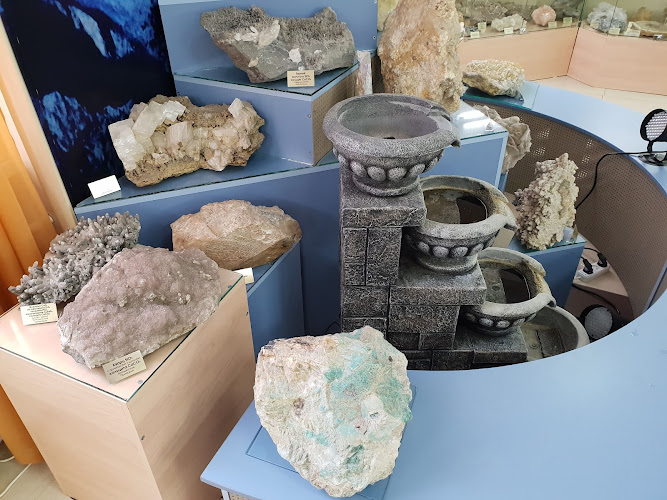
Museum of Minerals
Find Accommodations Nearby
Recommended Tours & Activities
Visitor Reviews
There are no reviews yet. Be the first one to write one.
Share Your Experience
Have you visited Angarskiy? Help other travelers by leaving a review.