

Amar Singh Gate
About Amar Singh Gate
Description
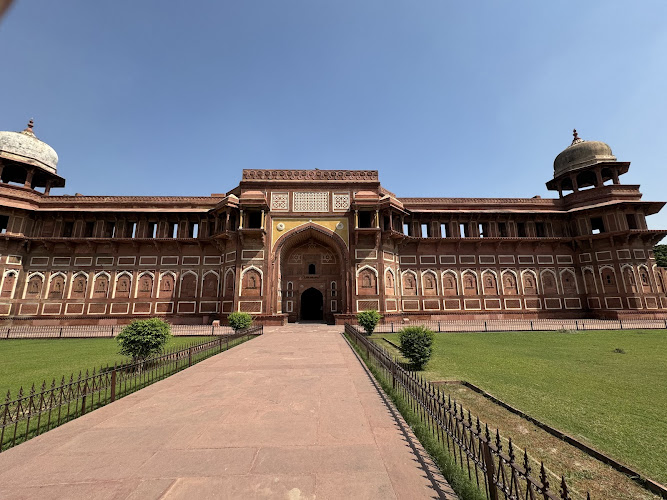
Amar Singh Gate stands as the grand entryway to the legendary Agra Fort, a place that feels like stepping straight into a chapter of Mughal history. Built primarily from pink sandstone, the gate’s surface glows warmly under the afternoon sun, its intricate carvings and tiling whispering tales of emperors, battles, and timeless artistry. It’s not just a doorway—it’s a statement of power, precision, and pride. There’s a certain gravity to the place; as you walk through, you can almost imagine the clatter of horse hooves and the rustle of royal robes echoing off the red stone walls.
The gate was originally called the Akbar Darwaza but later renamed after Amar Singh Rathore, a Rajput nobleman known for his bravery and defiance. Legend has it that after a daring act of valor (and a rather dramatic ending), Emperor Shah Jahan renamed the gate in his honor. The story gives the monument a certain emotional weight—there’s heroism, tragedy, and respect all carved into the very stones. Personally, I find that kind of layered history fascinating. It’s not just about architecture; it’s about human stories that refuse to fade.
Architecturally, Amar Singh Gate is a marvel. The curved entry passages, high defensive walls, and octagonal towers weren’t just for show—they were designed to protect the fort from invaders. The gate’s angled layout forced approaching enemies to slow down, making it easier for guards to defend the fort. Even if you’re not a history buff, you can’t help but admire the sheer ingenuity behind its design. And if you’re someone like me, who loves running your fingers along centuries-old stone and wondering who else has done the same, this place will hit you right in the feels.
Visitors often describe the gate as majestic and photogenic, and they’re right. But it’s also surprisingly peaceful if you catch it at the right hour. Early mornings, when the crowds haven’t yet poured in, the soft light hits the sandstone in a way that makes everything look almost golden. It’s one of those moments where you just stop and think, “Wow, this place has seen more than I ever will.”
Key Features
- Architectural Grandeur: Built from red and pink sandstone, the gate’s façade features intricate carvings, arched passages, and defensive bastions typical of Mughal military architecture.
- Historical Significance: Originally known as Akbar Darwaza, it was renamed by Shah Jahan in memory of Amar Singh Rathore’s valor.
- Defensive Design: The angled entrance and steep ramps were engineered to slow down enemy advances—an intelligent blend of beauty and strategy.
- Cultural Heritage: Part of the UNESCO-listed Agra Fort complex, the gate reflects the height of Mughal craftsmanship and artistic expression.
- Accessibility: Wheelchair-accessible entrances and parking make it welcoming for all travelers.
- Family-Friendly: The area is safe and engaging for children, with open spaces and fascinating stories that bring history to life.
- Photographic Appeal: The play of light and shadow on the pink sandstone creates stunning photo opportunities throughout the day.
Best Time to Visit
If you ask me, the best time to visit Amar Singh Gate is between October and March. The weather in Agra during these months is pleasantly cool, making it easier to explore without feeling like you’re melting under the sun. Summers here can be intense, and trust me, wandering around sandstone walls in 40°C heat isn’t exactly fun.
Morning hours are perfect for photography—the golden light enhances the reddish hues of the sandstone, and the crowds are thinner. Afternoons can get busy, especially on weekends, but even then, the gate’s scale and openness make it feel less claustrophobic. If you’re into sunsets, linger a bit longer; the way the light fades across the fort’s walls is quietly magical. I once stayed back just to watch that transition, and it’s one of those small travel moments that stick with you long after you’ve left.
How to Get There
Reaching Amar Singh Gate is straightforward. Agra is well-connected by road, rail, and air, making it accessible from major Indian cities like Delhi, Jaipur, and Lucknow. Most travelers prefer the Delhi–Agra expressway route—it’s smooth, scenic, and gets you there in about three to four hours by car. If you’re coming by train, the Agra Cantt railway station is the nearest major stop, and from there, a short auto-rickshaw or taxi ride will take you straight to the fort.
For those flying in, the Agra airport serves limited flights, but Delhi’s Indira Gandhi International Airport is a better bet, followed by a drive to Agra. Once you reach the fort area, Amar Singh Gate serves as the main entrance for tourists. You’ll find ticket counters nearby, and it’s wise to book tickets online in advance, especially during peak tourist seasons or long weekends. Parking facilities are available, and the entrance is wheelchair accessible, which is a big plus for travelers with mobility needs.
If you’re staying in Agra city, local transport options like tuk-tuks, e-rickshaws, and taxis are easy to find. Personally, I enjoy walking the short stretch from the nearby market—it’s full of local chatter, the smell of street food, and glimpses of daily life that make travel so much more than just sightseeing.
Tips for Visiting
Here’s the thing about visiting historical landmarks like Amar Singh Gate—you get out of it what you put in. So, plan a little, and you’ll have a much richer experience. Here are a few tips based on what I’ve learned (sometimes the hard way):
- Arrive Early: Mornings are quieter, cooler, and perfect for photos. Plus, you get to enjoy the gate without elbowing through crowds.
- Book Tickets in Advance: It saves you time and sometimes a bit of stress. Lines can get long during holidays.
- Wear Comfortable Shoes: The fort complex is vast, and you’ll be doing a fair bit of walking. Sandstone pathways can be uneven in places.
- Carry Water: Even in cooler months, Agra’s dry air can dehydrate you quickly. Keep a bottle handy.
- Hire a Local Guide: A good guide can turn a simple walk into a storytelling session full of drama, politics, and intrigue. I once had a guide who narrated the Amar Singh story so vividly I could almost see it unfolding before me.
- Mind the Monkeys: They’re cheeky and not shy about snatching snacks or sunglasses. Keep your belongings close.
- Photography Etiquette: While photography is allowed, avoid blocking pathways or climbing restricted areas for that “perfect shot.” It’s not worth a scolding from the guards.
- Respect the Heritage: This gate has stood for centuries—treat it gently. Don’t carve names or touch delicate carvings.
If you’re traveling with kids, Amar Singh Gate is a surprisingly engaging spot. The scale of the place, the stories of kings and warriors—it sparks curiosity. And for history lovers or architecture enthusiasts, it’s a dream. Even if you’re just here for the photos, you’ll leave with a deeper appreciation for how the Mughals blended art and engineering so seamlessly.
One last thing—don’t rush. The gate is just the beginning of the Agra Fort experience. Take a moment to stand under its arches, feel the cool stone, imagine the centuries of footsteps that have passed before yours. That’s the magic of Amar Singh Gate—it connects you to something far bigger than yourself.
Key Features
- Key Features
- Best Time to Visit
- How to Get There
- Tips for Visiting
More Details
Updated November 10, 2025
Table of Contents
Description
Amar Singh Gate stands as the grand entryway to the legendary Agra Fort, a place that feels like stepping straight into a chapter of Mughal history. Built primarily from pink sandstone, the gate’s surface glows warmly under the afternoon sun, its intricate carvings and tiling whispering tales of emperors, battles, and timeless artistry. It’s not just a doorway—it’s a statement of power, precision, and pride. There’s a certain gravity to the place; as you walk through, you can almost imagine the clatter of horse hooves and the rustle of royal robes echoing off the red stone walls.
The gate was originally called the Akbar Darwaza but later renamed after Amar Singh Rathore, a Rajput nobleman known for his bravery and defiance. Legend has it that after a daring act of valor (and a rather dramatic ending), Emperor Shah Jahan renamed the gate in his honor. The story gives the monument a certain emotional weight—there’s heroism, tragedy, and respect all carved into the very stones. Personally, I find that kind of layered history fascinating. It’s not just about architecture; it’s about human stories that refuse to fade.
Architecturally, Amar Singh Gate is a marvel. The curved entry passages, high defensive walls, and octagonal towers weren’t just for show—they were designed to protect the fort from invaders. The gate’s angled layout forced approaching enemies to slow down, making it easier for guards to defend the fort. Even if you’re not a history buff, you can’t help but admire the sheer ingenuity behind its design. And if you’re someone like me, who loves running your fingers along centuries-old stone and wondering who else has done the same, this place will hit you right in the feels.
Visitors often describe the gate as majestic and photogenic, and they’re right. But it’s also surprisingly peaceful if you catch it at the right hour. Early mornings, when the crowds haven’t yet poured in, the soft light hits the sandstone in a way that makes everything look almost golden. It’s one of those moments where you just stop and think, “Wow, this place has seen more than I ever will.”
Key Features
- Architectural Grandeur: Built from red and pink sandstone, the gate’s façade features intricate carvings, arched passages, and defensive bastions typical of Mughal military architecture.
- Historical Significance: Originally known as Akbar Darwaza, it was renamed by Shah Jahan in memory of Amar Singh Rathore’s valor.
- Defensive Design: The angled entrance and steep ramps were engineered to slow down enemy advances—an intelligent blend of beauty and strategy.
- Cultural Heritage: Part of the UNESCO-listed Agra Fort complex, the gate reflects the height of Mughal craftsmanship and artistic expression.
- Accessibility: Wheelchair-accessible entrances and parking make it welcoming for all travelers.
- Family-Friendly: The area is safe and engaging for children, with open spaces and fascinating stories that bring history to life.
- Photographic Appeal: The play of light and shadow on the pink sandstone creates stunning photo opportunities throughout the day.
Best Time to Visit
If you ask me, the best time to visit Amar Singh Gate is between October and March. The weather in Agra during these months is pleasantly cool, making it easier to explore without feeling like you’re melting under the sun. Summers here can be intense, and trust me, wandering around sandstone walls in 40°C heat isn’t exactly fun.
Morning hours are perfect for photography—the golden light enhances the reddish hues of the sandstone, and the crowds are thinner. Afternoons can get busy, especially on weekends, but even then, the gate’s scale and openness make it feel less claustrophobic. If you’re into sunsets, linger a bit longer; the way the light fades across the fort’s walls is quietly magical. I once stayed back just to watch that transition, and it’s one of those small travel moments that stick with you long after you’ve left.
How to Get There
Reaching Amar Singh Gate is straightforward. Agra is well-connected by road, rail, and air, making it accessible from major Indian cities like Delhi, Jaipur, and Lucknow. Most travelers prefer the Delhi–Agra expressway route—it’s smooth, scenic, and gets you there in about three to four hours by car. If you’re coming by train, the Agra Cantt railway station is the nearest major stop, and from there, a short auto-rickshaw or taxi ride will take you straight to the fort.
For those flying in, the Agra airport serves limited flights, but Delhi’s Indira Gandhi International Airport is a better bet, followed by a drive to Agra. Once you reach the fort area, Amar Singh Gate serves as the main entrance for tourists. You’ll find ticket counters nearby, and it’s wise to book tickets online in advance, especially during peak tourist seasons or long weekends. Parking facilities are available, and the entrance is wheelchair accessible, which is a big plus for travelers with mobility needs.
If you’re staying in Agra city, local transport options like tuk-tuks, e-rickshaws, and taxis are easy to find. Personally, I enjoy walking the short stretch from the nearby market—it’s full of local chatter, the smell of street food, and glimpses of daily life that make travel so much more than just sightseeing.
Tips for Visiting
Here’s the thing about visiting historical landmarks like Amar Singh Gate—you get out of it what you put in. So, plan a little, and you’ll have a much richer experience. Here are a few tips based on what I’ve learned (sometimes the hard way):
- Arrive Early: Mornings are quieter, cooler, and perfect for photos. Plus, you get to enjoy the gate without elbowing through crowds.
- Book Tickets in Advance: It saves you time and sometimes a bit of stress. Lines can get long during holidays.
- Wear Comfortable Shoes: The fort complex is vast, and you’ll be doing a fair bit of walking. Sandstone pathways can be uneven in places.
- Carry Water: Even in cooler months, Agra’s dry air can dehydrate you quickly. Keep a bottle handy.
- Hire a Local Guide: A good guide can turn a simple walk into a storytelling session full of drama, politics, and intrigue. I once had a guide who narrated the Amar Singh story so vividly I could almost see it unfolding before me.
- Mind the Monkeys: They’re cheeky and not shy about snatching snacks or sunglasses. Keep your belongings close.
- Photography Etiquette: While photography is allowed, avoid blocking pathways or climbing restricted areas for that “perfect shot.” It’s not worth a scolding from the guards.
- Respect the Heritage: This gate has stood for centuries—treat it gently. Don’t carve names or touch delicate carvings.
If you’re traveling with kids, Amar Singh Gate is a surprisingly engaging spot. The scale of the place, the stories of kings and warriors—it sparks curiosity. And for history lovers or architecture enthusiasts, it’s a dream. Even if you’re just here for the photos, you’ll leave with a deeper appreciation for how the Mughals blended art and engineering so seamlessly.
One last thing—don’t rush. The gate is just the beginning of the Agra Fort experience. Take a moment to stand under its arches, feel the cool stone, imagine the centuries of footsteps that have passed before yours. That’s the magic of Amar Singh Gate—it connects you to something far bigger than yourself.
Key Highlights
- Key Features
- Best Time to Visit
- How to Get There
- Tips for Visiting
Location
Places to Stay Near Amar Singh Gate
Find and Book a Tour
Explore More Travel Guides
No reviews found! Be the first to review!
Traveler Reviews for Amar Singh Gate
There are no reviews yet. Be the first one to write one.
Have you visited Amar Singh Gate? Help other travelers by sharing your review.
You Might Also Like

Diwan-E-Aam
Jahangir Palace

Tomb of Akbar
Find Accommodations Nearby
Recommended Tours & Activities
Visitor Reviews
There are no reviews yet. Be the first one to write one.
Share Your Experience
Have you visited Amar Singh Gate? Help other travelers by leaving a review.