Agra sits on the Yamuna River in western Uttar Pradesh, about 200 kilometres southeast of New Delhi. It is the historic heart of Mughal-era north India and the essential stop on the Delhi–Agra–Jaipur circuit, with three UNESCO World Heritage sites in and around the city: the Taj Mahal, Agra Fort and Fatehpur Sikri. Despite its global landmark, Agra is a working, densely populated Indian city rather than a resort destination.
This is a rewarding destination for architecture lovers, history-focused travelers, photographers and first-time visitors to India who want a compact introduction to Mughal design. Plan at least two nights to see the major monuments without rushing, allowing for heat, traffic and security lines. Early starts make a major difference, particularly at the Taj Mahal.
Quick Planning SnapshotDetailsBest seasonsOctober to March for cooler, drier sightseeing; winter fog can affect views and transport.Typical trip length2 nights is ideal; 1 night works for a focused Taj Mahal and Agra Fort visit.Main transport hubAgra Cantt railway station; Delhi’s Indira Gandhi International Airport is the principal international gateway.Local currencyIndian rupee (INR)Primary languageHindi; English is widely used in tourism businesses.Walkability/transitWalkable within monument precincts, but use a taxi, auto-rickshaw or app-based cab between districts.
Getting There & Getting Around
Most international visitors arrive through Delhi’s Indira Gandhi International Airport, then continue by train or road. Agra Airport, also called Kheria Airport, has limited and changeable domestic service, so it is best treated as a convenient option only when a suitable flight is available. Agra Cantt is the city’s principal rail station, served by fast trains from Delhi and connections to Jaipur, Mumbai, Varanasi and other major cities. Agra Fort and Raja Ki Mandi stations can be useful for particular services but are less convenient for most hotel areas.
By road, the Yamuna Expressway provides the quickest usual route from Delhi, while highways connect Agra with Jaipur, Gwalior, Kanpur and Lucknow. Pre-booked cars are practical for airport transfers and day trips. In town, app-based taxis, hotel cars and auto-rickshaws are the most useful choices; agree an auto fare before departure when no meter is used. Cycle rickshaws suit very short, slower journeys around older lanes. Traffic is tiring and pedestrian crossings can be unpredictable, so avoid trying to walk between the Taj Mahal, Agra Fort and central markets in the midday heat.
Best Areas to Stay & Neighborhood Character
Taj Ganj and Fatehabad Road: The most convenient base for Taj Mahal visits, with a broad range of upscale hotels, guesthouses, restaurants and tour services. Expect tourism crowds and traffic near the monument approaches.Rakabganj and Agra Cantt: A practical choice for rail arrivals, business-oriented hotels and easier road access. It is less atmospheric than Taj Ganj but efficient for short stays.Sadar Bazaar: Good for travelers who want street food, shopping and an evening local-market feel. Choose accommodation carefully, as lanes can be noisy and congested.Civil Lines: A quieter, more residential-feeling area with established hotels and access to restaurants. It suits travelers who prefer distance from the Taj Mahal’s immediate tourist zone.
Top Things to Do, Local Culture & Day Trips
Begin with the Taj Mahal at opening time, when light is softer and the gardens are calmer. Emperor Shah Jahan commissioned the white-marble mausoleum in memory of Mumtaz Mahal; allow time to study its calligraphy, inlay work, symmetrical gardens and riverside setting. The Taj Mahal is closed to general visitors on Fridays, so build your itinerary around that restriction. Security procedures are strict, and large bags are a poor idea.
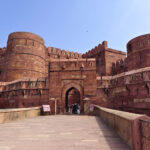
Agra Fort, a red-sandstone and marble complex beside the Yamuna, deserves more than a quick photo stop. Its Jahangiri Mahal, Diwan-i-Am, Diwan-i-Khas and Musamman Burj reveal the changing priorities of successive Mughal rulers. For a wider river view toward the Taj, visit Mehtab Bagh on the opposite bank in late afternoon. It is a formal Mughal garden rather than a hidden park, but it offers a calmer perspective than the main Taj precinct.
Other worthwhile stops include Itimad-ud-Daulah, often called the Baby Taj for its refined marble screens and inlay; Akbar’s Tomb at Sikandra; and the modest but informative Agra Museum inside the Taj Mahal complex. Wander Kinari Bazaar for wedding goods, textiles and narrow-market energy, while Sadar Bazaar is better for snacks and casual browsing. In cooler months, haze or fog can mute long views, so keep outdoor photography flexible.
Fatehpur Sikri, roughly 40 kilometres west of Agra, is the essential half-day or day-trip excursion. Akbar’s late-16th-century imperial capital includes Buland Darwaza, Jama Masjid, the tomb of Sheikh Salim Chishti, Panch Mahal and palace courtyards. Bharatpur in Rajasthan, about 55 kilometres away, is a strong alternative for birders visiting Keoladeo National Park, especially in the cooler migratory season. Mathura and Vrindavan, east of Agra, make a meaningful excursion for travelers interested in Krishna traditions, though they require a full day when traffic is heavy.
Practical Planning Tips, Food Specialties & 2-Day Suggested Flow
Agra has a hot semi-arid climate. April through June can be intensely hot; July to September brings monsoon humidity and intermittent rain; October through March is most comfortable. Carry water, sun protection and footwear that can handle uneven paving. Use licensed guides or guides arranged by reputable hotels and official monument facilities, and decline unsolicited offers that feel pressuring. Keep valuables secure in crowded market lanes, use registered transport at night, and avoid drinking tap water.
Try petha, Agra’s translucent sweet made from ash gourd, from a reputable confectioner; popular versions include plain and flavored varieties. Bedai with spicy potato curry is a classic breakfast, while Mughlai cooking brings kebabs, kormas and rich breads to local menus. For a vegetarian meal, look for dal, paneer dishes, seasonal vegetables and thali-style restaurants. Service charges sometimes appear on bills; where they do not, a modest tip for good table service is customary but not compulsory.
Day 1: Visit the Taj Mahal at opening, return to Taj Ganj for breakfast, explore Agra Fort after a rest, then go to Mehtab Bagh near sunset.Day 2: Take an early car to Fatehpur Sikri, return via Sikandra if energy allows, then spend the evening at Itimad-ud-Daulah and browse Sadar Bazaar or Kinari Bazaar.
 Real Journey Travels