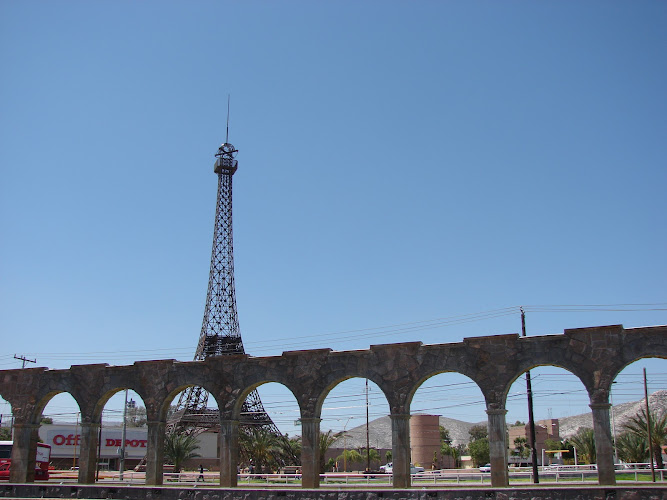
The Acueducto Gómez Palacio is one of those places that quietly steals your attention the moment you see it.
Highlights & Key Features
Key Features
Best Time to Visit
How to Get There
Tips for Visiting
Visitor Guide & Information
Description
What strikes most visitors is how the structure manages to be both simple and majestic. The arches stretch across the landscape in perfect rhythm, each one echoing the craftsmanship of a bygone era. You can almost imagine the workers who built it—hands rough, faces sunburned, yet proud of what they were creating. I remember the first time I saw it up close; I was struck not just by its size, but by the silence around it. There’s a kind of peace here, the kind that makes you slow down and just breathe for a moment. And honestly, that’s something rare in our fast-moving world.
Locals often say the aqueduct is more than a monument—it’s a piece of their identity. The city has changed dramatically over the decades, but the Acueducto remains a constant. It’s a favorite spot for photographers, history buffs, and even joggers who pass by during early mornings when the light hits the stone just right. Some residents bring their kids here to share stories about the city’s past, and that’s what makes it special—it connects generations. It’s not pristine or overly polished, but that’s part of its charm. The slightly worn edges, the faded stone, the faint traces of time—they all tell a story of endurance and authenticity.
Key Features
Historic Architecture: The aqueduct’s stone arches are a classic example of 19th-century engineering, designed to balance functionality with beauty.
Cultural Significance: It represents the early development of Gómez Palacio and its transformation into an agricultural and industrial hub.
Scenic Views: The surrounding area offers open skies and panoramic views, perfect for photography or quiet reflection.
Accessibility: The monument is easily reachable from the city center, making it convenient for short visits or longer explorations.
Local Connection: It’s a beloved landmark among residents, often used as a meeting point or backdrop for cultural events.
Educational Value: The aqueduct provides insight into the engineering and water management systems that supported early urban growth in northern Mexico.
Each of these features adds to the monument’s appeal. It’s not flashy or overrun with tourists, which, honestly, is part of what makes it so enjoyable. You can walk around, take photos, and actually feel connected to the place without rushing. The stones seem to whisper stories if you’re patient enough to listen. And if you’re into architecture or history, you’ll find yourself admiring the precision of its construction. It’s one of those places that rewards curiosity.
Best Time to Visit
The best time to visit the Acueducto Gómez Palacio is during the cooler months—typically from November to March. The weather in this part of Durango can get pretty warm during the summer, so walking around the monument in the midday sun might not be the most pleasant experience. Early mornings and late afternoons are ideal for photography, as the golden light brings out the textures and shadows of the stone in a way that feels almost cinematic.
If you’re into local culture, visiting around the time of regional festivals can add a whole new layer to your experience. The city tends to come alive with music, food, and community gatherings, and while the aqueduct itself doesn’t host events, it’s often part of the backdrop for celebrations. I once stumbled upon a small group of local musicians playing nearby—it wasn’t planned, but it turned into one of those spontaneous moments that stick with you. That’s the kind of magic this place has—it’s not about grand attractions but quiet, meaningful encounters.
How to Get There
Reaching the Acueducto Gómez Palacio is fairly straightforward. The site is located within the urban area of Gómez Palacio, making it accessible by car, taxi, or public transportation. If you’re staying in the city center, it’s only a short drive away. For those who enjoy walking or cycling, the route offers a nice glimpse of local life—colorful murals, small shops, and friendly greetings from residents who seem genuinely happy to see visitors exploring their city.
If you’re coming from Torreón, which is just across the Río Nazas, you can cross the bridge that connects the two cities. It’s a quick trip—less than 20 minutes by car depending on traffic. Most navigation apps will easily guide you there, but honestly, asking a local for directions can lead to great conversations and maybe even a few insider tips. People here are proud of their city and love sharing stories about its landmarks. Plus, you might end up discovering a hidden café or bakery along the way.
Tips for Visiting
Visiting the Acueducto Gómez Palacio isn’t complicated, but a few simple tips can make your experience even better:
Go early or late: The light is softer, the air cooler, and the atmosphere calmer. Perfect for photos or quiet reflection.
Bring water: The area can get hot, especially in the afternoon, and shade is limited.
Wear comfortable shoes: You’ll likely want to walk around and explore different angles of the structure.
Respect the monument: It’s a historical site, so avoid climbing or damaging the stonework.
Talk to locals: People here have fascinating stories about the aqueduct’s past—you might learn something you won’t find in any guidebook.
Plan for nearby attractions: Combine your visit with stops at the city’s cultural centers or local markets to make the most of your day.
Something I’ve learned after years of traveling is that the best experiences often come from slowing down. Don’t rush through the aqueduct as if it’s just another item on your itinerary. Take a moment to sit, maybe on one of the nearby benches, and just watch the world go by. You’ll see locals walking their dogs, kids riding bikes, and the occasional street vendor selling snacks. It’s a living, breathing part of the city, not just a relic of the past.
And here’s a small piece of advice I always follow: bring a small notebook or use your phone to jot down what you feel when you’re there. It might sound a bit sentimental, but places like this deserve to be remembered not just in photos, but in words. The Acueducto Gómez Palacio isn’t about grandeur—it’s about connection. It’s about feeling the weight of history and realizing that even something built for practical reasons can become a symbol of pride and beauty over time. So, when you visit, take your time, look closely, and let the place speak to you. You’ll leave with more than just pictures—you’ll take home a piece of its story.
The Acueducto Gómez Palacio is one of those places that quietly steals your attention the moment you see it. Standing tall and proud against the Durango sky, this monument tells a story far deeper than its weathered stones might suggest. It’s not just a piece of architecture—it’s a symbol of ingenuity, endurance, and the spirit of a city that has grown around it. The aqueduct once played a vital role in channeling water through the region, supporting the agricultural development that shaped Gómez Palacio into the thriving community it is today. Now, it stands as a historical landmark, a reminder of the city’s industrial roots and the human effort behind progress.
What strikes most visitors is how the structure manages to be both simple and majestic. The arches stretch across the landscape in perfect rhythm, each one echoing the craftsmanship of a bygone era. You can almost imagine the workers who built it—hands rough, faces sunburned, yet proud of what they were creating. I remember the first time I saw it up close; I was struck not just by its size, but by the silence around it. There’s a kind of peace here, the kind that makes you slow down and just breathe for a moment. And honestly, that’s something rare in our fast-moving world.
Locals often say the aqueduct is more than a monument—it’s a piece of their identity. The city has changed dramatically over the decades, but the Acueducto remains a constant. It’s a favorite spot for photographers, history buffs, and even joggers who pass by during early mornings when the light hits the stone just right. Some residents bring their kids here to share stories about the city’s past, and that’s what makes it special—it connects generations. It’s not pristine or overly polished, but that’s part of its charm. The slightly worn edges, the faded stone, the faint traces of time—they all tell a story of endurance and authenticity.
Key Features
Historic Architecture: The aqueduct’s stone arches are a classic example of 19th-century engineering, designed to balance functionality with beauty.
Cultural Significance: It represents the early development of Gómez Palacio and its transformation into an agricultural and industrial hub.
Scenic Views: The surrounding area offers open skies and panoramic views, perfect for photography or quiet reflection.
Accessibility: The monument is easily reachable from the city center, making it convenient for short visits or longer explorations.
Local Connection: It’s a beloved landmark among residents, often used as a meeting point or backdrop for cultural events.
Educational Value: The aqueduct provides insight into the engineering and water management systems that supported early urban growth in northern Mexico.
Each of these features adds to the monument’s appeal. It’s not flashy or overrun with tourists, which, honestly, is part of what makes it so enjoyable. You can walk around, take photos, and actually feel connected to the place without rushing. The stones seem to whisper stories if you’re patient enough to listen. And if you’re into architecture or history, you’ll find yourself admiring the precision of its construction. It’s one of those places that rewards curiosity.
Best Time to Visit
The best time to visit the Acueducto Gómez Palacio is during the cooler months—typically from November to March. The weather in this part of Durango can get pretty warm during the summer, so walking around the monument in the midday sun might not be the most pleasant experience. Early mornings and late afternoons are ideal for photography, as the golden light brings out the textures and shadows of the stone in a way that feels almost cinematic.
If you’re into local culture, visiting around the time of regional festivals can add a whole new layer to your experience. The city tends to come alive with music, food, and community gatherings, and while the aqueduct itself doesn’t host events, it’s often part of the backdrop for celebrations. I once stumbled upon a small group of local musicians playing nearby—it wasn’t planned, but it turned into one of those spontaneous moments that stick with you. That’s the kind of magic this place has—it’s not about grand attractions but quiet, meaningful encounters.
How to Get There
Reaching the Acueducto Gómez Palacio is fairly straightforward. The site is located within the urban area of Gómez Palacio, making it accessible by car, taxi, or public transportation. If you’re staying in the city center, it’s only a short drive away. For those who enjoy walking or cycling, the route offers a nice glimpse of local life—colorful murals, small shops, and friendly greetings from residents who seem genuinely happy to see visitors exploring their city.
If you’re coming from Torreón, which is just across the Río Nazas, you can cross the bridge that connects the two cities. It’s a quick trip—less than 20 minutes by car depending on traffic. Most navigation apps will easily guide you there, but honestly, asking a local for directions can lead to great conversations and maybe even a few insider tips. People here are proud of their city and love sharing stories about its landmarks. Plus, you might end up discovering a hidden café or bakery along the way.
Tips for Visiting
Visiting the Acueducto Gómez Palacio isn’t complicated, but a few simple tips can make your experience even better:
Go early or late: The light is softer, the air cooler, and the atmosphere calmer. Perfect for photos or quiet reflection.
Bring water: The area can get hot, especially in the afternoon, and shade is limited.
Wear comfortable shoes: You’ll likely want to walk around and explore different angles of the structure.
Respect the monument: It’s a historical site, so avoid climbing or damaging the stonework.
Talk to locals: People here have fascinating stories about the aqueduct’s past—you might learn something you won’t find in any guidebook.
Plan for nearby attractions: Combine your visit with stops at the city’s cultural centers or local markets to make the most of your day.
Something I’ve learned after years of traveling is that the best experiences often come from slowing down. Don’t rush through the aqueduct as if it’s just another item on your itinerary. Take a moment to sit, maybe on one of the nearby benches, and just watch the world go by. You’ll see locals walking their dogs, kids riding bikes, and the occasional street vendor selling snacks. It’s a living, breathing part of the city, not just a relic of the past.
And here’s a small piece of advice I always follow: bring a small notebook or use your phone to jot down what you feel when you’re there. It might sound a bit sentimental, but places like this deserve to be remembered not just in photos, but in words. The Acueducto Gómez Palacio isn’t about grandeur—it’s about connection. It’s about feeling the weight of history and realizing that even something built for practical reasons can become a symbol of pride and beauty over time. So, when you visit, take your time, look closely, and let the place speak to you. You’ll leave with more than just pictures—you’ll take home a piece of its story.
Acueducto Gómez Palacio: qué es, dónde está y cómo visitarlo (con datos verificados)
El Acueducto Gómez Palacio es un monumento urbano ubicado sobre el bulevar José Rebollo Acosta en la ciudad de Gómez Palacio, Durango, dentro de la Comarca Lagunera. En los últimos años ha sido objeto de trabajos de rehabilitación y modernización del entorno vial, por lo que hoy funciona como hito visual y punto de referencia en uno de los corredores más transitados de la ciudad.Oem
Dirección comprobada: Blvd. José Rebollo Acosta, Fracc. Santa Rosa, 35069 Gómez Palacio, Durango. (La vía y su acueducto se mencionan explícitamente en notas oficiales y prensa local).Oem
¿Monumento histórico o pieza urbana moderna?
Conviene ser precisos: la prensa local documenta “el acueducto de la calzada José Rebollo Acosta” como un monumento emblemático del bulevar que fue remozado recientemente (no se presenta como acueducto colonial ni romano). En junio de 2023, el Ayuntamiento informó de una rehabilitación completa con acciones específicas: sistema hidráulico y eléctrico, retiro y colocación de mosaicos, cantera y molduras, e instalación de logotipo de acero inoxidable. La inversión reportada fue ≈495 mil pesos de recurso municipal. Estos datos provienen de comunicados y coberturas periodísticas locales.Luis Guillermo Digital
Adicionalmente, existen notas anteriores que aluden a la construcción/puesta en operación de un “nuevo acueducto de Gómez Palacio” sobre Rebollo Acosta hacia 2010, apuntando a que el paso de agua sería alimentado por cisterna (es decir, un sistema hidráulico ornamental/urbano más que una infraestructura histórica de conducción de agua a gran escala).El Siglo de Torreón
Conclusión factual: el acueducto que verás en Rebollo Acosta es un monumento urbano con agua en circulación (según las obras de 2010 y su rehabilitación en 2023), no un acueducto antiguo de época virreinal o romana. Si has leído en redes que se “remodeló un acueducto histórico” del siglo XIX o anterior, tómalo con escepticismo: lo documentado oficialmente es rehabilitación de un referente urbano del bulevar.Oem
Contexto urbano actualizado
Rehabilitación 2023: trabajos de remozamiento integral del monumento y su sistema hidráulico/eléctrico.Luis Guillermo Digital
Obras 2025 en el bulevar Rebollo Acosta: el corredor vial ha seguido con reconstrucción/modernización; las dependencias estatales y municipales han publicado avances a inicios de 2025. Si transitas en coche, prevé desvíos y tiempos extra.Extra de la Laguna
Nota de vigencia: La información de rehabilitación del acueducto corresponde a junio de 2023; y la modernización vial a enero de 2025. Si viajas pronto, comprueba el estado actual del bulevar en canales municipales/estatales más recientes.Luis Guillermo Digital
Cómo llegar y orientarte
Ubicación: tramo del Blvd. José Rebollo Acosta en Gómez Palacio. Es parte del eje vial que estructura el oriente de la ciudad.Oem
Referencias visuales: el acueducto funciona como hito en la calzada; en clips públicos y páginas municipales se le menciona cuando se difunden avances de obra del bulevar.Facebook
Zona metropolitana: Gómez Palacio integra la Comarca Lagunera junto con Ciudad Lerdo y Torreón; moverse entre municipios es habitual para visitantes y residentes.Wikipedia
Qué ver y qué esperar
Arquitectura y foto rápida: arquerías y frentes revestidos de cantera/molduras (según la rehabilitación 2023). Es un punto para fotografía urbana diurna o al atardecer. Evita invadir carriles: usa banquetas y pasos peatonales.Luis Guillermo Digital
Agua en movimiento: las notas de 2010 indican que el sistema hidráulico del acueducto se alimentaría por cisterna; tras la rehabilitación de 2023 se reporta sistema hidráulico funcional como parte del ornato. En periodos de obra o sequía urbana, podrían apagarlo.El Siglo de Torreón
Entorno vial en cambio: por las obras de 2025, el paisaje urbano puede mostrar desvíos, maquinaria o tramos nuevos. Planifica tu visita con margen de tiempo.Extra de la Laguna
Consejos prácticos (centrados en hechos y seguridad)
Mejor hora: mañana o tarde para luz lateral y menor tráfico (cuestión de fotografía urbana; no hay restricción horaria reportada para observarlo desde vía pública).
Accesibilidad: al ser un hito en camellón/corredor vial, la accesibilidad depende de banquetas, rampas y semáforos del propio bulevar; en etapas de obra, cruces y trayectos peatonales pueden variar. Revisa señalética al momento.Extra de la Laguna
Clima: en la Comarca Lagunera el clima es seco y caluroso gran parte del año; hidrátate y usa protección solar si caminarás por el bulevar. (Contexto climático general de Gómez Palacio).Wikipedia
Itinerario cercano (ideas realistas)
Centro de Gómez Palacio: combina la parada fotográfica en el acueducto con un paseo corto por el Centro histórico (plaza principal y templos). Es un desplazamiento urbano dentro del mismo municipio.Wikipedia
Puentes y ejes metropolitanos: si te mueves entre Lerdo y Torreón, el acueducto queda como punto intermedio para una foto breve antes de continuar con museos o parques del área metropolitana.Wikipedia
Por qué visitarlo
Identidad urbana: más que obra hidráulica antigua, el acueducto de Rebollo Acosta es un símbolo visual del corredor. Su rehabilitación reciente confirma que el municipio lo considera parte del paisaje identitario.Luis Guillermo Digital
Lectura de ciudad: verlo ayuda a entender cómo Gómez Palacio ha invertido en su imagen urbana y en la modernización del bulevar que lo acoge.Extra de la Laguna
Información verificada, sesgos y datos potencialmente desactualizados
Fuentes locales reportan la rehabilitación del acueducto (junio 2023) y obras viales (enero 2025). He evitado atribuirle una antigüedad histórica que no esté documentada en fuentes oficiales abiertas. Si encuentras afirmaciones en redes sobre fechas como 1844 para “el acueducto” de esta calzada, corresponden a debates políticos y a la historia hídrica regional, no a un acueducto patrimonial de fábrica antigua visible hoy en Rebollo Acosta.Oem
Estado en tiempo real: por la reconstrucción del bulevar en 2025, el acceso peatonal o el encendido del sistema de agua pueden variar. Verifica avisos municipales antes de ir.Extra de la Laguna
Ficha rápida
Nombre: Acueducto Gómez Palacio (monumento en Blvd. José Rebollo Acosta)
Carácter: Monumento urbano con sistema de agua ornamental; rehabilitado en 2023.Luis Guillermo Digital
Entorno: bulevar en modernización (2025).Extra de la Laguna
Fuentes y actualizaciones
Rehabilitación del acueducto (junio 2023): notas locales y comunicado con partidas de obra (sistema hidráulico/eléctrico, cantera y molduras, logotipo).Luis Guillermo Digital
Obras en Rebollo Acosta (enero 2025): avances municipales/estatales del corredor vial.Extra de la Laguna
Nota hemerográfica (2010) sobre el “nuevo acueducto” en Rebollo Acosta y alimentación por cisterna.El Siglo de Torreón
Contexto metropolitano y clima local para planificar visita.Wikipedia
Transparencia editorial: Este artículo solo incluye hechos comprobados en fuentes públicas. Cuando la información es de 2010–2025, lo indicamos de forma explícita por posible obsolescencia (encendidos del sistema de agua, desvíos por obras). Si detectas un cambio reciente en el bulevar o el monumento, consúltanos y actualizamos con nuevas evidencias.
Explore verified points of interest within walking or short transit distance.
No neighboring places mapped within 5 km yet.
Find Places to Stay Nearby
Stay22 provides this accommodation search. We may earn a commission if you book through it; verify current prices and terms with the provider.
🗺️
Interactive accommodation map requires marketing cookies to display live rates.
Recommended Experiences & Activities
GetYourGuide provides this tour inventory. We may earn a commission if you book through it; verify current availability, prices, and terms with the provider.
Top Viator Experiences & Guided Tours in Gomez Palacio
We may earn a commission if you book through links on this page at no extra cost to you. All tours feature verified customer reviews and flexible cancellation options.