
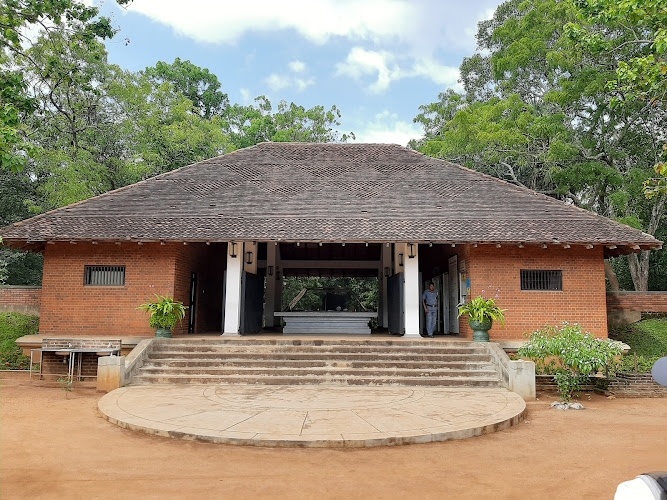
අභයගිරි කෞතුකාගාරය – Abhayagiri Museum
About අභයගිරි කෞතුකාගාරය – Abhayagiri Museum
Description
Key Features
- Authentic Artifacts: Wonderfully preserved stone and bronze Buddha statues; just look at the serene expressions—something about them makes you want to pause and reflect, even if you’re not the meditative type.
- Ancient Coins and Pottery: The museum’s coin and pottery collections tell mad stories about trade and everyday life. Tiny pieces, but they whisper loud tales. (And if you’re a numismatics nerd like my cousin, you’ll want extra time here!)
- Sculptures with Local Flair: It’s not just generic Buddhist art. You’ll see distinctly Sri Lankan motifs—lotus flowers, mythical creatures, even a few things that’ll make you go, ‘Wait, why don’t we make art like this anymore?’
- Monastery Relics: From monks’ ceremonial items to ancient inscriptions that look so fresh you’ll suspect someone just carved them in yesterday. Real eye-openers for folks curious about monastic life.
- Well-Curated Exhibits: For a museum in a historic site, everything’s shockingly well-labeled and organized. No guessing games, just genuine clarity.
- Kid-Friendly: Younger visitors don’t just survive here, they thrive. There’s a kind of hunt-the-artifact excitement that hooks their curiosity. I’ve seen groups of students absolutely fired up over ancient coins.
- Photography Permitted: You can snap photos (without flash), so your inner shutterbug gets a field day without nagging guards breathing down your neck.
- Airy, Peaceful Setting: Natural light pours in through windows, giving everything a tranquil, almost reverent atmosphere—just right for slowing down to absorb all this history.
- Knowledgeable Staff: Sure, there’s written info, but if you’re hungry for extra facts or just want to geek out about ancient engineering, chat up the staff. Most are happy (and proud!) to share a story or two.
Best Time to Visit
How to Get There
Tips for Visiting
- Arrive Early: Not only do you sidestep the midday heat, but you catch the museum at its quietest, giving you full scope for uninterrupted photos—or just a little people-watching from a shady bench.
- Dress Comfortably (And Respectfully): Temples and monks are never far away. Keep your shoulders and knees covered and ditch hats indoors, out of respect for local customs. Comfy walking shoes are a godsend—those stone floors are unforgiving on tired toes.
- Stay Hydrated: There’s no restaurant or café at the museum, so pack water. I once foolishly thought a “quick visit” would be enough; two hours and a million artifacts later, I was desperate for a gulp and a snack.
- Budget Enough Time: Allow at least 1–2 hours. If you’re detail-obsessed (or easily distracted like me), double it. There’s so much more than first meets the eye, and trust me: you don’t want to rush.
- Photography Is Allowed (With Caution): No flash. Turn your camera’s sound off to keep the peaceful vibe rolling. Trust me, the staff and other visitors will appreciate it.
- Travel With Kids? This is actually a killer spot for them. Set them up with a “treasure hunt” to find three weird animals in the art, or count how many different Buddha poses you can spot. Makes for a livelier, less whiny visit.
- Ask Questions! Staff love when you show interest. Even on busy days, they often go the extra mile to share fascinating tidbits—like how certain sculptures were hidden from invaders, or some temples’ secret passages (which, by the way, are almost always left out of the guidebooks).
- Mind the Weather: Sri Lankan sun can be brutal. Bring sunscreen and
Key Features
- Key Features
- Best Time to Visit
- How to Get There
- Tips for Visiting
More Details
Updated June 11, 2025
Table of Contents
- Description
- Key Features
- Best Time to Visit
- How to Get There
- Tips for Visiting
- Key Highlights
- Location
- Places to Stay Near අභයගිරි කෞතුකාගාරය - Abhayagiri Museum
- Find and Book a Tour
- Explore More Travel Guides
- Nearby Places You Might Like
- Traveler Reviews for අභයගිරි කෞතුකාගාරය – Abhayagiri Museum
- Share Your Experience
Description
This museum sits right inside the Abhayagiri Monastic Complex—yes, that wild sprawl of ancient ruins you keep seeing splashed all over Instagram. The collection here basically pieces together bits of a lost world, giving you a rare look at the craftsmanship, religion, and quirky innovations from centuries ago. Unlike so many museums I’ve slogged through (and let’s face it, we’ve all done our penance in a few boring ones), this one actually makes history feel alive, as if the monks might pop out any minute and invite you for a quick trip through the past.
You’ll notice it’s not just for the super-educated or die-hard archaeologists either. I’ve spotted giggling schoolkids, intense art students, and selfie-snapping tourists of every age, all mixing together and pointing out their own discoveries. Frankly, the place is perfect if you’re traveling with your kids or your history-buff uncle—there’s that universal sense of awe that manages to sneak up on everyone.
Accessibility’s been noticeably prioritized. There’s wheelchair access right up front, and the folks running the place seem genuinely welcoming, not just ticking a box for the sake of it. Clean restrooms are available—a gigantic plus in Sri Lankan museums, let’s be honest—and there are clear information placards in English. No wandering around scratching your head, unless you want to. (Totally an option.)
But keep one thing in mind: you won’t find a restaurant on the premises. Pack water and snacks, especially if you’re bringing little ones or, like me, just need to keep the hangry at bay.
Key Features
- Authentic Artifacts: Wonderfully preserved stone and bronze Buddha statues; just look at the serene expressions—something about them makes you want to pause and reflect, even if you’re not the meditative type.
- Ancient Coins and Pottery: The museum’s coin and pottery collections tell mad stories about trade and everyday life. Tiny pieces, but they whisper loud tales. (And if you’re a numismatics nerd like my cousin, you’ll want extra time here!)
- Sculptures with Local Flair: It’s not just generic Buddhist art. You’ll see distinctly Sri Lankan motifs—lotus flowers, mythical creatures, even a few things that’ll make you go, ‘Wait, why don’t we make art like this anymore?’
- Monastery Relics: From monks’ ceremonial items to ancient inscriptions that look so fresh you’ll suspect someone just carved them in yesterday. Real eye-openers for folks curious about monastic life.
- Well-Curated Exhibits: For a museum in a historic site, everything’s shockingly well-labeled and organized. No guessing games, just genuine clarity.
- Kid-Friendly: Younger visitors don’t just survive here, they thrive. There’s a kind of hunt-the-artifact excitement that hooks their curiosity. I’ve seen groups of students absolutely fired up over ancient coins.
- Photography Permitted: You can snap photos (without flash), so your inner shutterbug gets a field day without nagging guards breathing down your neck.
- Airy, Peaceful Setting: Natural light pours in through windows, giving everything a tranquil, almost reverent atmosphere—just right for slowing down to absorb all this history.
- Knowledgeable Staff: Sure, there’s written info, but if you’re hungry for extra facts or just want to geek out about ancient engineering, chat up the staff. Most are happy (and proud!) to share a story or two.
Best Time to Visit
Outside of April (which is New Year’s season in Sri Lanka, and trust me, everywhere gets bonkers busy), you’ll rarely battle suffocating lines. The December–February period is “winter” here, so if you’re heat-averse, that’s your sweet spot. Even so, Anuradhapura can get sticky and warm, so bring that water bottle.
If you swing by during a poya (full moon) day, you’ll get to watch vibrant processions outside in the archaeological park—although the museum itself might be slightly busier with pilgrims. Which, in my book, just adds to the immersion.
How to Get There
By Train: It’s a comfortable ride up from Colombo or Kandy. Once you arrive at the Anuradhapura train station, you’re just a short drive—maybe 15 minutes—away from the Abhayagiri Museum. Local tuk-tuks swarm outside the station and almost all know the museum; if not, just say “Abhayagiri complex,” and you’ll get there in no time. Haggling is expected, but don’t get too bogged down—focus on the adventure!
By Bus: Regular intercity buses drop you in Anuradhapura proper. From the main bus stand, it’s a quick tuk-tuk trip, or you could join a group tour (sometimes worth it for the added commentary).
By Car: If you’re driving yourself, you’ll find plenty of parking near the site. Just double-check your maps before leaving, since local roads can get confusing—every right turn seems to promise more temples, and not all are signposted. Waze and Google Maps are generally reliable now. Bonus: With your own car, you can set your pace for exploring not just the museum, but the wider Abhayagiri monastic city.
By Bicycle: Feeling adventurous and energetic? Rent a bike in town and cruise right through the tree-lined avenues—one of my all-time favorite ways to experience the ancient city. It’s a little sweaty, but a lot more fun, with the added perk of seeing hidden ruins most folks miss.
Tips for Visiting
- Arrive Early: Not only do you sidestep the midday heat, but you catch the museum at its quietest, giving you full scope for uninterrupted photos—or just a little people-watching from a shady bench.
- Dress Comfortably (And Respectfully): Temples and monks are never far away. Keep your shoulders and knees covered and ditch hats indoors, out of respect for local customs. Comfy walking shoes are a godsend—those stone floors are unforgiving on tired toes.
- Stay Hydrated: There’s no restaurant or café at the museum, so pack water. I once foolishly thought a “quick visit” would be enough; two hours and a million artifacts later, I was desperate for a gulp and a snack.
- Budget Enough Time: Allow at least 1–2 hours. If you’re detail-obsessed (or easily distracted like me), double it. There’s so much more than first meets the eye, and trust me: you don’t want to rush.
- Photography Is Allowed (With Caution): No flash. Turn your camera’s sound off to keep the peaceful vibe rolling. Trust me, the staff and other visitors will appreciate it.
- Travel With Kids? This is actually a killer spot for them. Set them up with a “treasure hunt” to find three weird animals in the art, or count how many different Buddha poses you can spot. Makes for a livelier, less whiny visit.
- Ask Questions! Staff love when you show interest. Even on busy days, they often go the extra mile to share fascinating tidbits—like how certain sculptures were hidden from invaders, or some temples’ secret passages (which, by the way, are almost always left out of the guidebooks).
- Mind the Weather: Sri Lankan sun can be brutal. Bring sunscreen and
Key Highlights
- Key Features
- Best Time to Visit
- How to Get There
- Tips for Visiting
Location
Places to Stay Near අභයගිරි කෞතුකාගාරය - Abhayagiri Museum
Find and Book a Tour
Explore More Travel Guides
No reviews found! Be the first to review!
Traveler Reviews for අභයගිරි කෞතුකාගාරය – Abhayagiri Museum
There are no reviews yet. Be the first one to write one.
Have you visited අභයගිරි කෞතුකාගාරය – Abhayagiri Museum? Help other travelers by sharing your review.
You Might Also Like
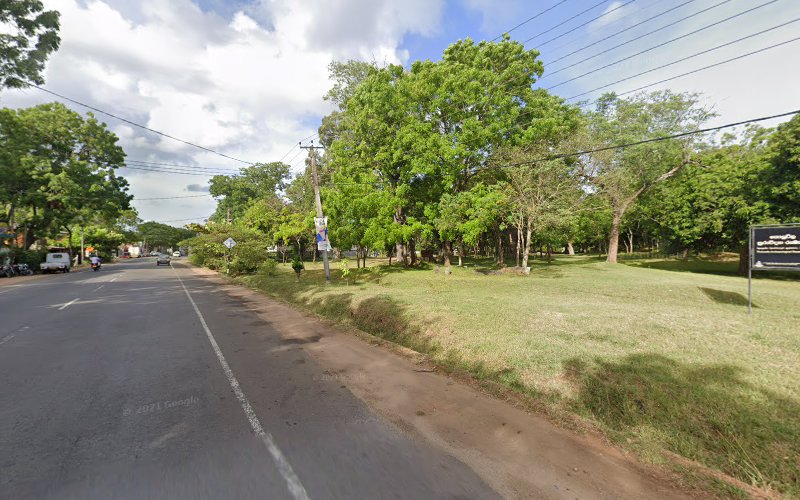
Dancing strip
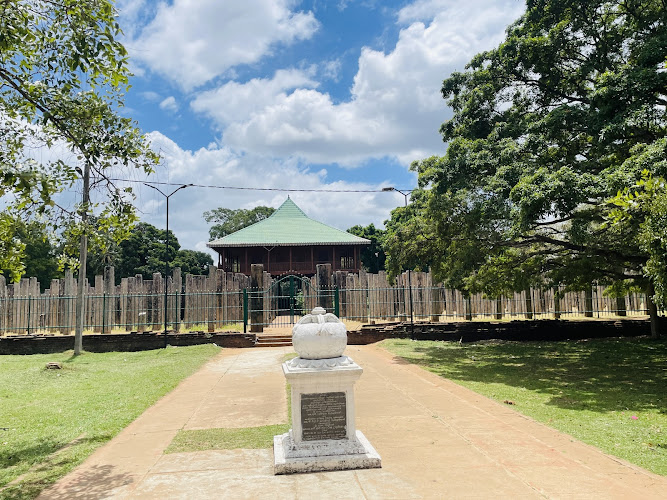
Lovamahapaya | ලෝවාමහාපාය
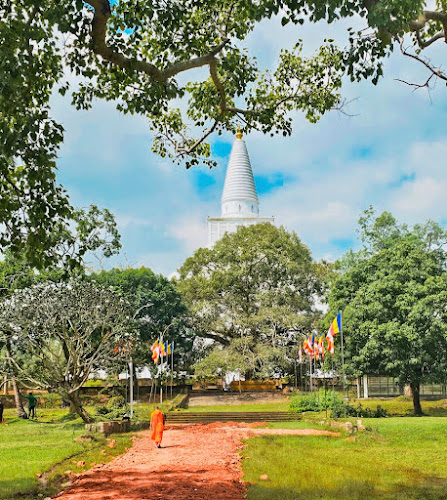
Mirisawetiya
Find Accommodations Nearby
Recommended Tours & Activities
Visitor Reviews
There are no reviews yet. Be the first one to write one.
Share Your Experience
Have you visited අභයගිරි කෞතුකාගාරය – Abhayagiri Museum? Help other travelers by leaving a review.