
Mirisawetiya
About Mirisawetiya
Description
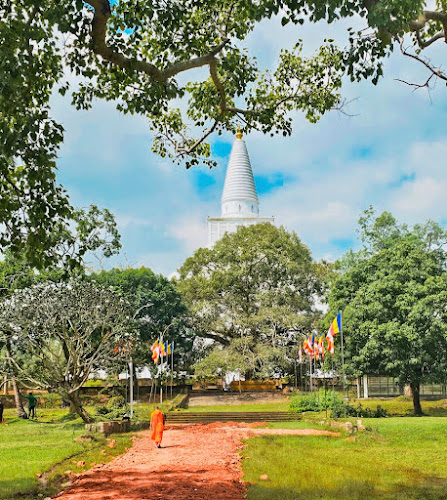
If you’ve ever found yourself dreaming of a place where ancient history, spiritual vibes, and a dash of mystery all come together, Mirisawetiya might just be it. Tucked away within the sacred city of Anuradhapura, this stupa stands tall—literally and metaphorically—as one of those sites that leaves you feeling slightly small in the best possible way. It’s old (think over 2,000 years old!), yet you can feel the pulse of stories and devotion that have kept this landmark alive through dynasties and decades.
Okay, I’ll admit—on my first visit, I wasn’t entirely sure what to expect. Sure, I’d read that it was one of the oldest dagobas in Sri Lanka, commissioned by King Dutugemunu, and all that. But nothing quite prepared me for the quiet peace that settles on you when you take those first steps towards the great white dome. The place is superb for travelers looking for more than shiny photo ops—it’s about soaking up centuries of Buddhist tradition, marveling at ancient engineering, and genuinely feeling connected to a larger story.
Mirisawetiya isn’t your shiny, over-polished “museum piece” spot. You’ll see monks in saffron robes, the occasional local family making an offering of jasmine blossoms and incense, and—if you’re early enough—golden morning light that kind of softens all the hard edges in life. Wheelchair access is decent, and parking won’t give you a headache (which, let’s be honest, is half the battle at temple sites!). The temple complex is filled with echoes, birdsong, and sometimes a friendly dog lazing in the sun. For me, its living, breathing sense of continuity is what sets it apart from so many other sites in Sri Lanka.
Key Features
- Ancient Stupa: Built by King Dutugemunu over 2,100 years ago, reputedly at the site where he planted his royal spear. The dome is over 50 meters high—now that’s some serious ancient ambition.
- Religious Significance: Still very much in use today, Mirisawetiya is considered a must-visit for pilgrims. The energy hums quietly, with prayer flags and ritual acts unfolding throughout the day.
- Wheelchair Access: Thoughtful design with accessible entrances and parking—uncommon among historic temples in Sri Lanka, so worth noting if you or a travel companion need it.
- Less Crowded: Not usually as swamped as other famous dagobas like Ruwanwelisaya. Ideal if you want time to wander and reflect, or just escape the tour-bus hordes in Anuradhapura.
- Authentic Local Experience: You’ll often see devotees making simple offerings, and the site feels lived-in rather than staged for tourists.
- Peaceful Vibe: While it does attract visitors from across Sri Lanka and beyond, the mood remains contemplative and atmospheric.
- Surrounding Parkland: Lots of shady trees, grassy spaces, and birds—perfect for a picnic or some quiet meditation.
- Historic Artifacts: Some fascinating ruins and carvings dot the grounds; don’t miss the ancient guard stones and moonstones at the site entrances.
- Sunrise & Sunset Views: The stupa’s white dome catches the light in spectacular ways. Early mornings and late afternoons are pure magic for photographers (and daydreamers).
Best Time to Visit
In my humble, slightly sun-averse opinion, early morning is golden. You’ll dodge the heat, escaping Sri Lanka’s midday sun that has left many a traveler red-nosed and regretting their life choices, and you’ll catch those incredible rays illuminating the stupa—a great way to ease into the day. Late afternoon—especially near sunset—offers a soft glow that makes the place look almost ethereal.
Weather-wise, go during the dry months (May to September, specifically). The Anuradhapura region can get real muggy and sticky, and when those monsoon rains hit, you might find yourself hopping from one stone step to the next in squelchy shoes. Trust me—I learned this the hard way. It’s cooler and calmer during poya (full moon) days, but also busier, with more local devotees. There’s a kind of electric atmosphere on these days, so it’s a coin toss: peaceful with less people, or active with lots of chanting and offerings.
One thing I always tell my fellow wanderers: bring a hat, sunblock, and tons of water. The open grounds don’t offer loads of shade, and the sacred area is shoeless territory, which means bare feet on warm stones. And if you’re a sunrise junkie or night owl, Mirisawetiya offers that dreamy transition light at both ends of the day.
How to Get There
Let’s face it—getting to Mirisawetiya is pretty painless. Anuradhapura is a mainstay on most Sri Lanka travel circuits, and the main stupa is a stone’s throw (well, a short tuk-tuk or cycle ride) from the rest of the ancient city attractions.
If you’re the adventurous DIY type, opt for one of those fun little tuk-tuks—the drivers usually know exactly where to drop you off, and you get a mini guided tour for free if you’re the chatty sort. Cycling is another fantastic way to cover Anuradhapura’s sprawl, and it’s the preferred option for many backpackers (bonus: you can stop for that epic photo at every water tank, banyan tree, or wild peacock sighting along the way).
If you’re coming from Colombo or Kandy, regular trains and buses run into Anuradhapura city. From there, honestly, just grab a tuk-tuk or rent a bicycle near the old city entrance. Parking isn’t a hassle if you’re self-driving. For the comfort-lovers, private vehicles and taxis are available—just punch “Mirisawetiya” into your GPS or maps app, and it’ll get you straight there. Plus, the signage in the sacred city is surprisingly decent.
Tips for Visiting
A few honest-to-goodness, tried-and-tested tips to make your Mirisawetiya visit smooth, meaningful, and maybe even a little bit magical:
- Dress Modestly: Cover shoulders and knees. This is not the spot for your snazziest travel shorts. Light cotton fabrics are a lifesaver in the heat. If you forget, some vendors outside the complex might have spare sarongs (they’re kind of essential gear here).
- Go Barefoot (But Be Careful!): Shoes off is the rule within temple grounds. Early visits mean the stone floors won’t scorch your soles, but midday can be, well… let’s just say I’ve done a funky skip-step shuffle more than once to avoid a foot burn.
- Photography: You can take photos, but do so respectfully; avoid snapping people in prayer without permission. This place inspires some stunning shots, especially around the main stupa during golden hour.
- Stay Hydrated: Bring water. There are a few vendors around, but not always close by, and walking the sacred area can take it out of you, especially with the sun beating down.
- Respect Local Customs: Join in or observe the rituals quietly. Watching a local family light incense or hearing monks’ chanting can be quietly moving, even if you’re not religious yourself.
- Accessibility: If you or someone in your group needs wheelchair access, rejoice! The entrance and parking area are far better than most historic attractions nearby. Still, it’s worth having a companion on hand for some uneven stone paths.
- Do a Companion Tour: Pair your visit to Mirisawetiya with other close-by ancient stupas or the Jaya Sri Maha Bodhi tree. It’s a sensory feast, and helps put the whole area’s significance into context.
- Quiet Reflection: Slow down. Spend a few extra minutes just sitting alongside locals. You might notice things—a whiff of burning incense, distant chanting, or the soft swoosh of a monk’s robe—that would slip by if you rushed.
- Cash is King: While entrance is free, donations are appreciated, and buying small keepsakes or snacks usually requires cash. ATMs are a bit of a walk away.
- No Drone Zone: If you’re into aerial photography, double-check the rules and secure permissions first. Respect for sacred air
Key Features
- Key Features
- Best Time to Visit
- How to Get There
- Tips for Visiting
More Details
Updated June 9, 2025
Table of Contents
Description
If you’ve ever found yourself dreaming of a place where ancient history, spiritual vibes, and a dash of mystery all come together, Mirisawetiya might just be it. Tucked away within the sacred city of Anuradhapura, this stupa stands tall—literally and metaphorically—as one of those sites that leaves you feeling slightly small in the best possible way. It’s old (think over 2,000 years old!), yet you can feel the pulse of stories and devotion that have kept this landmark alive through dynasties and decades.
Okay, I’ll admit—on my first visit, I wasn’t entirely sure what to expect. Sure, I’d read that it was one of the oldest dagobas in Sri Lanka, commissioned by King Dutugemunu, and all that. But nothing quite prepared me for the quiet peace that settles on you when you take those first steps towards the great white dome. The place is superb for travelers looking for more than shiny photo ops—it’s about soaking up centuries of Buddhist tradition, marveling at ancient engineering, and genuinely feeling connected to a larger story.
Mirisawetiya isn’t your shiny, over-polished “museum piece” spot. You’ll see monks in saffron robes, the occasional local family making an offering of jasmine blossoms and incense, and—if you’re early enough—golden morning light that kind of softens all the hard edges in life. Wheelchair access is decent, and parking won’t give you a headache (which, let’s be honest, is half the battle at temple sites!). The temple complex is filled with echoes, birdsong, and sometimes a friendly dog lazing in the sun. For me, its living, breathing sense of continuity is what sets it apart from so many other sites in Sri Lanka.
Key Features
- Ancient Stupa: Built by King Dutugemunu over 2,100 years ago, reputedly at the site where he planted his royal spear. The dome is over 50 meters high—now that’s some serious ancient ambition.
- Religious Significance: Still very much in use today, Mirisawetiya is considered a must-visit for pilgrims. The energy hums quietly, with prayer flags and ritual acts unfolding throughout the day.
- Wheelchair Access: Thoughtful design with accessible entrances and parking—uncommon among historic temples in Sri Lanka, so worth noting if you or a travel companion need it.
- Less Crowded: Not usually as swamped as other famous dagobas like Ruwanwelisaya. Ideal if you want time to wander and reflect, or just escape the tour-bus hordes in Anuradhapura.
- Authentic Local Experience: You’ll often see devotees making simple offerings, and the site feels lived-in rather than staged for tourists.
- Peaceful Vibe: While it does attract visitors from across Sri Lanka and beyond, the mood remains contemplative and atmospheric.
- Surrounding Parkland: Lots of shady trees, grassy spaces, and birds—perfect for a picnic or some quiet meditation.
- Historic Artifacts: Some fascinating ruins and carvings dot the grounds; don’t miss the ancient guard stones and moonstones at the site entrances.
- Sunrise & Sunset Views: The stupa’s white dome catches the light in spectacular ways. Early mornings and late afternoons are pure magic for photographers (and daydreamers).
Best Time to Visit
In my humble, slightly sun-averse opinion, early morning is golden. You’ll dodge the heat, escaping Sri Lanka’s midday sun that has left many a traveler red-nosed and regretting their life choices, and you’ll catch those incredible rays illuminating the stupa—a great way to ease into the day. Late afternoon—especially near sunset—offers a soft glow that makes the place look almost ethereal.
Weather-wise, go during the dry months (May to September, specifically). The Anuradhapura region can get real muggy and sticky, and when those monsoon rains hit, you might find yourself hopping from one stone step to the next in squelchy shoes. Trust me—I learned this the hard way. It’s cooler and calmer during poya (full moon) days, but also busier, with more local devotees. There’s a kind of electric atmosphere on these days, so it’s a coin toss: peaceful with less people, or active with lots of chanting and offerings.
One thing I always tell my fellow wanderers: bring a hat, sunblock, and tons of water. The open grounds don’t offer loads of shade, and the sacred area is shoeless territory, which means bare feet on warm stones. And if you’re a sunrise junkie or night owl, Mirisawetiya offers that dreamy transition light at both ends of the day.
How to Get There
Let’s face it—getting to Mirisawetiya is pretty painless. Anuradhapura is a mainstay on most Sri Lanka travel circuits, and the main stupa is a stone’s throw (well, a short tuk-tuk or cycle ride) from the rest of the ancient city attractions.
If you’re the adventurous DIY type, opt for one of those fun little tuk-tuks—the drivers usually know exactly where to drop you off, and you get a mini guided tour for free if you’re the chatty sort. Cycling is another fantastic way to cover Anuradhapura’s sprawl, and it’s the preferred option for many backpackers (bonus: you can stop for that epic photo at every water tank, banyan tree, or wild peacock sighting along the way).
If you’re coming from Colombo or Kandy, regular trains and buses run into Anuradhapura city. From there, honestly, just grab a tuk-tuk or rent a bicycle near the old city entrance. Parking isn’t a hassle if you’re self-driving. For the comfort-lovers, private vehicles and taxis are available—just punch “Mirisawetiya” into your GPS or maps app, and it’ll get you straight there. Plus, the signage in the sacred city is surprisingly decent.
Tips for Visiting
A few honest-to-goodness, tried-and-tested tips to make your Mirisawetiya visit smooth, meaningful, and maybe even a little bit magical:
- Dress Modestly: Cover shoulders and knees. This is not the spot for your snazziest travel shorts. Light cotton fabrics are a lifesaver in the heat. If you forget, some vendors outside the complex might have spare sarongs (they’re kind of essential gear here).
- Go Barefoot (But Be Careful!): Shoes off is the rule within temple grounds. Early visits mean the stone floors won’t scorch your soles, but midday can be, well… let’s just say I’ve done a funky skip-step shuffle more than once to avoid a foot burn.
- Photography: You can take photos, but do so respectfully; avoid snapping people in prayer without permission. This place inspires some stunning shots, especially around the main stupa during golden hour.
- Stay Hydrated: Bring water. There are a few vendors around, but not always close by, and walking the sacred area can take it out of you, especially with the sun beating down.
- Respect Local Customs: Join in or observe the rituals quietly. Watching a local family light incense or hearing monks’ chanting can be quietly moving, even if you’re not religious yourself.
- Accessibility: If you or someone in your group needs wheelchair access, rejoice! The entrance and parking area are far better than most historic attractions nearby. Still, it’s worth having a companion on hand for some uneven stone paths.
- Do a Companion Tour: Pair your visit to Mirisawetiya with other close-by ancient stupas or the Jaya Sri Maha Bodhi tree. It’s a sensory feast, and helps put the whole area’s significance into context.
- Quiet Reflection: Slow down. Spend a few extra minutes just sitting alongside locals. You might notice things—a whiff of burning incense, distant chanting, or the soft swoosh of a monk’s robe—that would slip by if you rushed.
- Cash is King: While entrance is free, donations are appreciated, and buying small keepsakes or snacks usually requires cash. ATMs are a bit of a walk away.
-
No Drone Zone: If you’re into aerial photography, double-check the rules and secure permissions first. Respect for sacred air
Key Highlights
- Key Features
- Best Time to Visit
- How to Get There
- Tips for Visiting
Location
Places to Stay Near Mirisawetiya
Find and Book a Tour
Explore More Travel Guides
No reviews found! Be the first to review!
Traveler Reviews for Mirisawetiya
There are no reviews yet. Be the first one to write one.
Have you visited Mirisawetiya? Help other travelers by sharing your review.
You Might Also Like
Maha Viharaya, Anuradhapura
Lankaramaya | ලංකාරාමය
Anuradhapura Unesco Signage
Find Accommodations Nearby
Recommended Tours & Activities
Visitor Reviews
There are no reviews yet. Be the first one to write one.
Share Your Experience
Have you visited Mirisawetiya? Help other travelers by leaving a review.