
서생포 왜성
About 서생포 왜성
Description
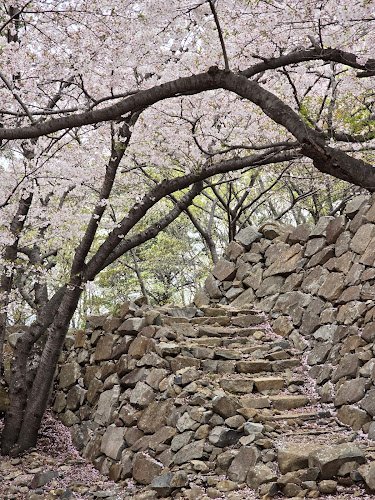
Seosaengpo Waeseong Fortress, tucked along the southeastern coast of Korea, is one of those places that quietly sneaks up on you. It’s not flashy or overly commercialized, but it holds centuries of stories in its weathered stones. Built around 1592 during the Japanese invasions of Korea, this fortress once stood as a strategic outpost under the command of Japanese General Kato Kiyomasa. Today, it’s a fascinating site where history, nature, and a hint of melancholy all mingle together.
When you first walk up the path, you can almost feel the centuries of tension that once lingered here. The fortress was constructed in a Japanese style — you’ll notice the distinct stonework and terraced layout that differ from traditional Korean fortresses. Some parts of the walls have been restored, but much of what you see is original, giving it that raw authenticity that history buffs crave. It’s not a huge site, but it’s layered with meaning. The view from the top, overlooking the East Sea, is both peaceful and haunting. I remember standing there during a breezy spring afternoon, thinking how strange it is that a place once built for war now feels so calm.
Visitors often describe Seosaengpo Waeseong as a place that rewards patience. It’s not about rushing from one photo spot to another — it’s about slowing down, letting your imagination wander, and realizing that you’re standing in the same spot where samurai once strategized and monks later negotiated peace. The site also has a connection to the Buddhist monk diplomat Samyeongdang Yujeong, who came here around 1594 to hold peace talks. That historical layer gives the fortress an unexpected depth, blending the brutality of war with the hope of reconciliation.
On a more practical note, the fortress is quite accessible. There’s a parking lot with wheelchair-friendly access, and the walking paths are manageable for most visitors, though a few slopes might make you catch your breath. Families often visit, too — kids seem to love climbing over the old stones and imagining themselves as little warriors. And if you happen to come in spring, cherry blossoms bloom along parts of the trail, softening the fortress’s rough edges with delicate pink petals. It’s a sight that makes you linger longer than you planned.
Key Features
- Historical Significance: Built during the Imjin War (1592–1598) by Japanese forces, offering a rare look at Japanese-style fortification on Korean soil.
- Architectural Style: Features terraced stone walls and a multi-tiered structure typical of late 16th-century Japanese castles.
- Panoramic Views: The fortress sits atop a hill overlooking the East Sea, providing sweeping coastal scenery perfect for photography.
- Peace Negotiation Site: Known as a place where Buddhist monk Samyeongdang Yujeong engaged in peace talks with Japanese generals.
- Cherry Blossom Season: In spring, cherry trees around the fortress create a stunning contrast between stone and bloom.
- Accessibility: Wheelchair-accessible parking and family-friendly walking paths make it suitable for most visitors.
- Quiet Atmosphere: Less crowded than other historical sites, offering a peaceful escape for reflection and exploration.
Best Time to Visit
If you ask me, spring is hands-down the best time to visit Seosaengpo Waeseong. The cherry blossoms here are not as famous as those in Seoul or Jinhae, which actually makes them better — fewer crowds, more space to breathe, and that magical feeling of stumbling upon something special. The soft pink petals drifting across ancient stones create a scene that’s straight out of a painting.
Autumn is a close second. The fortress is surrounded by gentle hills that turn shades of gold and crimson, and the sea breeze carries that crisp, salty air that makes you feel alive. Summer can be quite hot and humid, though the ocean wind helps. Winter has its own charm too — the bare stones against a pale sky feel stark and beautiful, almost cinematic. Just bundle up if you go then, as the wind can be biting.
If you’re into photography, aim for early morning or late afternoon. The light hits the stone walls at an angle that brings out their texture, and the sea glimmers in the background. I once visited at sunset, and the whole place glowed amber — it was one of those moments that made me forget about time completely.
How to Get There
Getting to Seosaengpo Waeseong is fairly straightforward, especially if you’re already exploring the Ulsan area. From central Ulsan, it’s about a 40-minute drive heading southeast. The roads are well-maintained, and signage is clear in both Korean and English. If you’re relying on public transportation, you can catch a local bus toward Seosaeng-myeon and get off near the Seosaengpo area — from there, it’s a short walk uphill to the fortress entrance.
For travelers coming from Busan, it’s roughly an hour and a half by car along the coastal route, which is actually a lovely drive if you enjoy sea views. Taxis and ride-hailing apps work fine in the area, though it’s better to arrange your return trip in advance since taxis can be sparse in the late afternoon. Parking is available and free, which is always a nice bonus.
If you’re the type who likes to make a day of it, consider pairing your visit with nearby coastal attractions. There are a few small seafood restaurants and cafes within a short drive — nothing fancy, but the grilled mackerel and spicy fish stew are worth trying. It’s the kind of local experience that rounds out the day perfectly.
Tips for Visiting
Here’s a bit of advice from someone who’s been there a few times and learned by trial and error. First, wear comfortable shoes. The paths aren’t difficult, but they can be uneven in spots, especially near the upper walls. A pair of sneakers or light hiking shoes will make your visit much more enjoyable.
Bring water, especially if you’re visiting in summer — there aren’t many vending machines or shops nearby. The site doesn’t have a ton of shade, so a hat or sunscreen is a good idea too. I once forgot both and ended up with a sunburn that lasted longer than my trip. Lesson learned.
If you’re into photography, take your time exploring different angles. The fortress looks completely different depending on where you stand — one side opens to the sea, another to the rolling countryside. And if you have kids, let them roam a bit; it’s a safe, open space where they can burn off energy while you soak in the scenery.
For history enthusiasts, I’d recommend reading a bit about the Imjin War before you go. It really adds context to what you’re seeing. Knowing that this fortress was part of a larger network of Japanese defenses along Korea’s southern coast makes the experience feel richer. You start to notice details — like how the stones are stacked or where the watchtowers once stood — that you might otherwise overlook.
Finally, go with an open mind. Seosaengpo Waeseong isn’t about grand palaces or flashy exhibits. It’s about quiet reflection, the slow passage of time, and the way nature has reclaimed a place once built for conflict. There’s something oddly comforting about that. Standing there, hearing the wind whistle through the stones, you can’t help but think — maybe history doesn’t fade, it just changes form.
So if you find yourself in Ulsan or anywhere along Korea’s southeast coast, carve out a few hours to visit this fortress. It’s one of those places that doesn’t shout for attention but leaves a lasting impression. You’ll walk away with a deeper appreciation for Korea’s layered history — and maybe, like me, a quiet sense of peace.
Key Features
- Key Features
- Best Time to Visit
- How to Get There
- Tips for Visiting
More Details
Updated October 11, 2025
Table of Contents
Description
Seosaengpo Waeseong Fortress, tucked along the southeastern coast of Korea, is one of those places that quietly sneaks up on you. It’s not flashy or overly commercialized, but it holds centuries of stories in its weathered stones. Built around 1592 during the Japanese invasions of Korea, this fortress once stood as a strategic outpost under the command of Japanese General Kato Kiyomasa. Today, it’s a fascinating site where history, nature, and a hint of melancholy all mingle together.
When you first walk up the path, you can almost feel the centuries of tension that once lingered here. The fortress was constructed in a Japanese style — you’ll notice the distinct stonework and terraced layout that differ from traditional Korean fortresses. Some parts of the walls have been restored, but much of what you see is original, giving it that raw authenticity that history buffs crave. It’s not a huge site, but it’s layered with meaning. The view from the top, overlooking the East Sea, is both peaceful and haunting. I remember standing there during a breezy spring afternoon, thinking how strange it is that a place once built for war now feels so calm.
Visitors often describe Seosaengpo Waeseong as a place that rewards patience. It’s not about rushing from one photo spot to another — it’s about slowing down, letting your imagination wander, and realizing that you’re standing in the same spot where samurai once strategized and monks later negotiated peace. The site also has a connection to the Buddhist monk diplomat Samyeongdang Yujeong, who came here around 1594 to hold peace talks. That historical layer gives the fortress an unexpected depth, blending the brutality of war with the hope of reconciliation.
On a more practical note, the fortress is quite accessible. There’s a parking lot with wheelchair-friendly access, and the walking paths are manageable for most visitors, though a few slopes might make you catch your breath. Families often visit, too — kids seem to love climbing over the old stones and imagining themselves as little warriors. And if you happen to come in spring, cherry blossoms bloom along parts of the trail, softening the fortress’s rough edges with delicate pink petals. It’s a sight that makes you linger longer than you planned.
Key Features
- Historical Significance: Built during the Imjin War (1592–1598) by Japanese forces, offering a rare look at Japanese-style fortification on Korean soil.
- Architectural Style: Features terraced stone walls and a multi-tiered structure typical of late 16th-century Japanese castles.
- Panoramic Views: The fortress sits atop a hill overlooking the East Sea, providing sweeping coastal scenery perfect for photography.
- Peace Negotiation Site: Known as a place where Buddhist monk Samyeongdang Yujeong engaged in peace talks with Japanese generals.
- Cherry Blossom Season: In spring, cherry trees around the fortress create a stunning contrast between stone and bloom.
- Accessibility: Wheelchair-accessible parking and family-friendly walking paths make it suitable for most visitors.
- Quiet Atmosphere: Less crowded than other historical sites, offering a peaceful escape for reflection and exploration.
Best Time to Visit
If you ask me, spring is hands-down the best time to visit Seosaengpo Waeseong. The cherry blossoms here are not as famous as those in Seoul or Jinhae, which actually makes them better — fewer crowds, more space to breathe, and that magical feeling of stumbling upon something special. The soft pink petals drifting across ancient stones create a scene that’s straight out of a painting.
Autumn is a close second. The fortress is surrounded by gentle hills that turn shades of gold and crimson, and the sea breeze carries that crisp, salty air that makes you feel alive. Summer can be quite hot and humid, though the ocean wind helps. Winter has its own charm too — the bare stones against a pale sky feel stark and beautiful, almost cinematic. Just bundle up if you go then, as the wind can be biting.
If you’re into photography, aim for early morning or late afternoon. The light hits the stone walls at an angle that brings out their texture, and the sea glimmers in the background. I once visited at sunset, and the whole place glowed amber — it was one of those moments that made me forget about time completely.
How to Get There
Getting to Seosaengpo Waeseong is fairly straightforward, especially if you’re already exploring the Ulsan area. From central Ulsan, it’s about a 40-minute drive heading southeast. The roads are well-maintained, and signage is clear in both Korean and English. If you’re relying on public transportation, you can catch a local bus toward Seosaeng-myeon and get off near the Seosaengpo area — from there, it’s a short walk uphill to the fortress entrance.
For travelers coming from Busan, it’s roughly an hour and a half by car along the coastal route, which is actually a lovely drive if you enjoy sea views. Taxis and ride-hailing apps work fine in the area, though it’s better to arrange your return trip in advance since taxis can be sparse in the late afternoon. Parking is available and free, which is always a nice bonus.
If you’re the type who likes to make a day of it, consider pairing your visit with nearby coastal attractions. There are a few small seafood restaurants and cafes within a short drive — nothing fancy, but the grilled mackerel and spicy fish stew are worth trying. It’s the kind of local experience that rounds out the day perfectly.
Tips for Visiting
Here’s a bit of advice from someone who’s been there a few times and learned by trial and error. First, wear comfortable shoes. The paths aren’t difficult, but they can be uneven in spots, especially near the upper walls. A pair of sneakers or light hiking shoes will make your visit much more enjoyable.
Bring water, especially if you’re visiting in summer — there aren’t many vending machines or shops nearby. The site doesn’t have a ton of shade, so a hat or sunscreen is a good idea too. I once forgot both and ended up with a sunburn that lasted longer than my trip. Lesson learned.
If you’re into photography, take your time exploring different angles. The fortress looks completely different depending on where you stand — one side opens to the sea, another to the rolling countryside. And if you have kids, let them roam a bit; it’s a safe, open space where they can burn off energy while you soak in the scenery.
For history enthusiasts, I’d recommend reading a bit about the Imjin War before you go. It really adds context to what you’re seeing. Knowing that this fortress was part of a larger network of Japanese defenses along Korea’s southern coast makes the experience feel richer. You start to notice details — like how the stones are stacked or where the watchtowers once stood — that you might otherwise overlook.
Finally, go with an open mind. Seosaengpo Waeseong isn’t about grand palaces or flashy exhibits. It’s about quiet reflection, the slow passage of time, and the way nature has reclaimed a place once built for conflict. There’s something oddly comforting about that. Standing there, hearing the wind whistle through the stones, you can’t help but think — maybe history doesn’t fade, it just changes form.
So if you find yourself in Ulsan or anywhere along Korea’s southeast coast, carve out a few hours to visit this fortress. It’s one of those places that doesn’t shout for attention but leaves a lasting impression. You’ll walk away with a deeper appreciation for Korea’s layered history — and maybe, like me, a quiet sense of peace.
Key Highlights
- Key Features
- Best Time to Visit
- How to Get There
- Tips for Visiting
Location
Places to Stay Near 서생포 왜성
Find and Book a Tour
Explore More Travel Guides
No reviews found! Be the first to review!
Traveler Reviews for 서생포 왜성
There are no reviews yet. Be the first one to write one.
Have you visited 서생포 왜성? Help other travelers by sharing your review.
You Might Also Like
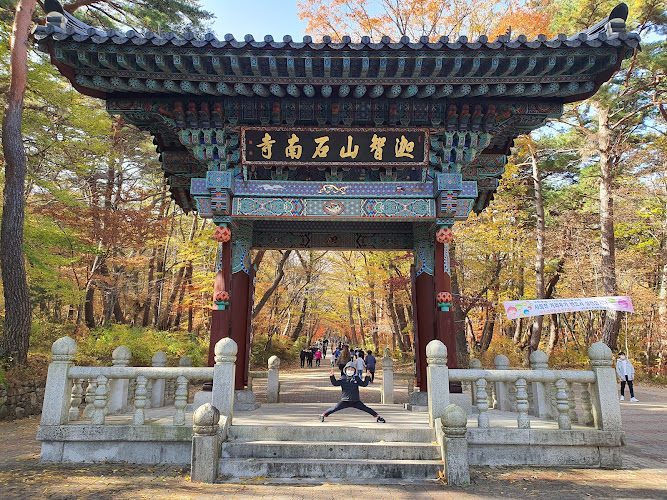
Seongnamsa Temple
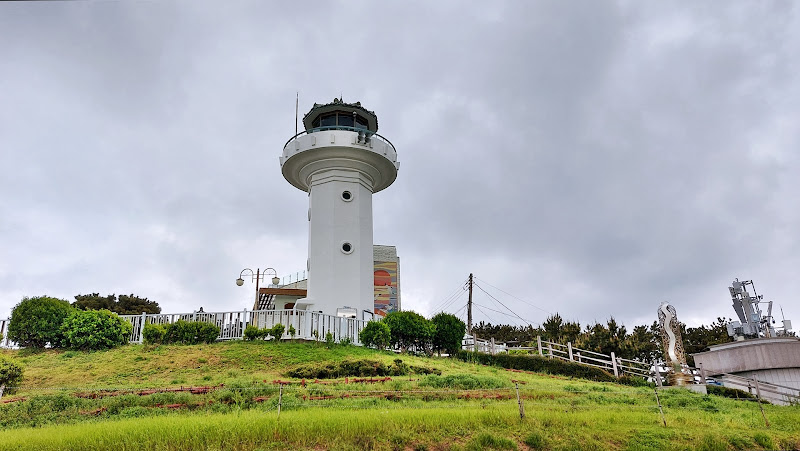
Cape Ganjeolgot
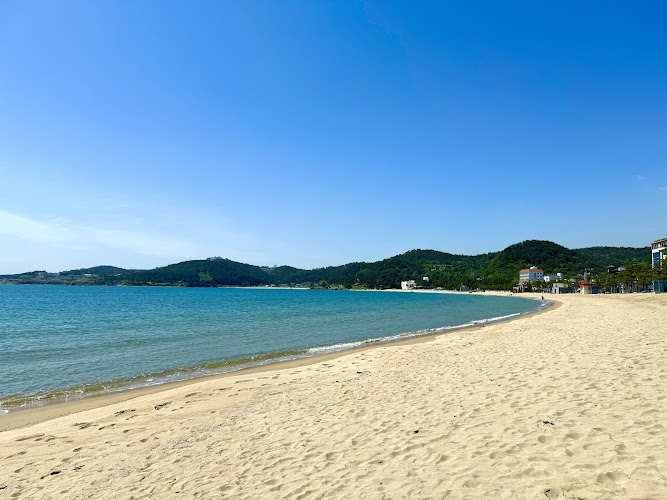
Jinha Beach
Find Accommodations Nearby
Recommended Tours & Activities
Visitor Reviews
There are no reviews yet. Be the first one to write one.
Share Your Experience
Have you visited 서생포 왜성? Help other travelers by leaving a review.