About Seongnamsa Temple

Description

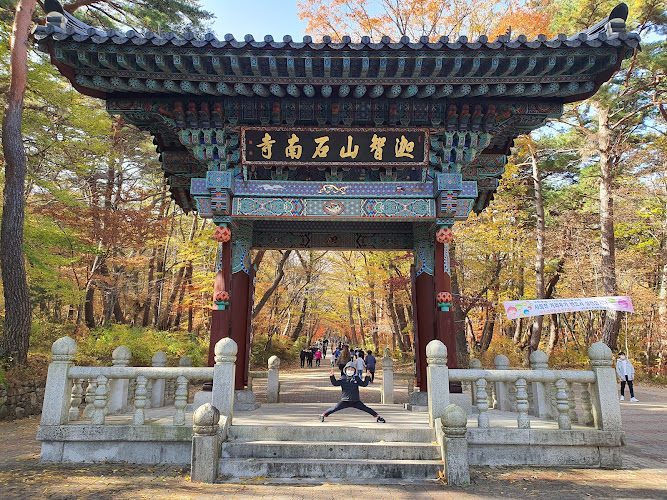
Seongnamsa Temple, quietly resting on the southern slope of Gajisan Mountain in Ulsan, is one of those places that feels like it’s been waiting for centuries just to be discovered by you. Built back in 824 A.D. during the Silla Dynasty, it carries the kind of history that humbles you the moment you set foot on its stone path. The temple was originally established by the monk Doui-guksa and has endured wars, fires, and countless restorations, yet it still stands with a kind of serene dignity that’s hard to put into words. You can almost feel the weight of time in the air, in the way the wind moves through the pine trees and the faint sound of the temple bell echoing across the valley.

Unlike some of the more tourist-heavy temples in Korea, Seongnamsa has this calm, contemplative atmosphere that draws in travelers looking for peace rather than spectacle. It’s not flashy. It doesn’t try to impress you with grandeur. Instead, it invites you to slow down and breathe for a moment. The temple complex itself is surrounded by forested hillsides, streams, and small stone bridges that make it feel like a retreat from the modern world. And yet, it’s surprisingly accessible — even for those with mobility challenges, thanks to its wheelchair-friendly paths, restrooms, and parking areas.

What really stands out here isn’t just the architecture — though the curved eaves and wooden carvings are stunning — but the feeling of being connected to something much older and wiser. It’s the kind of place where you might find yourself sitting quietly on a bench, watching the light shift across the temple roofs, and realizing you’ve been there for an hour without even noticing. That’s Seongnamsa’s magic — subtle, grounding, and deeply human.

Key Features

  • Historic Heritage: Established in 824 A.D., Seongnamsa is one of the oldest temples in the region, representing centuries of Buddhist devotion and Korean cultural history.
  • Scenic Setting: Located on the southern slope of Gajisan Mountain, the temple offers panoramic views of the surrounding valleys and forested trails.
  • Architectural Beauty: The Daeungjeon Hall, rebuilt in 1674 after destruction during the Japanese invasions, showcases classic Silla-era craftsmanship with intricately detailed wooden brackets and rooflines.
  • Peaceful Atmosphere: Unlike more crowded temples, Seongnamsa maintains a quiet, meditative environment perfect for reflection or photography.
  • Accessibility: The temple grounds include wheelchair-accessible entrances, restrooms, and parking, making it welcoming to all visitors.
  • Natural Harmony: Streams, pine forests, and stone bridges create a seamless connection between architecture and nature — ideal for leisurely walks or quiet contemplation.
  • Monastic Culture: The temple still serves as a training site for Buddhist nuns, offering visitors a glimpse into contemporary monastic life.

Best Time to Visit

Seongnamsa Temple changes its character with the seasons, and honestly, there’s no bad time to go. But if you’re after the most breathtaking experience, spring and autumn are unbeatable. In spring, cherry blossoms line the approach to the temple, turning the air pink and soft. It’s almost dreamlike — and yes, it’s as photogenic as it sounds. Autumn, on the other hand, paints the entire valley in golds and reds. The crisp air, the smell of fallen leaves, and the sound of monks chanting in the background make it feel like stepping into a living painting.

Summer is lush and green, though it can get humid, especially after rain. But that’s when the streams swell and the forest feels alive, buzzing with cicadas and energy. Winter is quiet and contemplative — the snow-covered roofs and frozen streams give the temple a peaceful, almost sacred stillness. If you’re the kind of traveler who loves solitude, winter mornings here are pure magic. I went once in January, and I still remember the crunch of snow under my boots and the faint scent of incense drifting from the main hall. It’s the kind of memory that sticks with you.

How to Get There

Getting to Seongnamsa Temple is fairly straightforward, though it does feel like a little adventure. From Ulsan city center, you can catch a local bus heading toward Sangbuk-myeon or Gajisan. The ride takes about an hour, and the final stretch winds through countryside roads lined with small farms and mountain ridges. If you’re driving, there’s a good-sized parking area near the entrance, and the route is clearly marked on most navigation apps.

For those who prefer a touch of exercise, there’s also a scenic hiking trail that connects Seongnamsa with Tongdosa Temple — one of Korea’s most famous temples. It’s not an easy trek, but it’s incredibly rewarding if you’re into hiking and want to see two major cultural sites in one day. Just remember to pack water and maybe a snack or two because there aren’t many shops once you’re deep in the mountain area.

Tips for Visiting

First and foremost — take your time. Seongnamsa isn’t the kind of place you rush through. It’s best experienced slowly, with all your senses open. Here are a few tips I’ve picked up over the years (and from a few mistakes, too):

  • Go early in the morning if you want to avoid crowds and catch the soft morning light filtering through the trees. The temple feels especially spiritual at dawn.
  • Dress modestly. Remember, this is an active place of worship, so avoid loud clothing or anything too revealing. Comfortable walking shoes are a must — those stone steps can be uneven.
  • Bring cash for small donations or temple souvenirs. Many smaller temples in Korea, including Seongnamsa, don’t always accept cards.
  • Respect the silence. It’s tempting to chat or take phone calls, but part of the temple’s charm lies in its stillness. Keep your voice low, especially near the prayer halls.
  • Check the weather before heading out. The mountain area can be misty or rainy, especially in summer, and paths might get slippery.
  • Try the temple stay program if you’re up for something different. Spending a night here gives you a deeper understanding of Buddhist culture and daily monastic life — plus, waking up to the sound of the temple bell is unforgettable.
  • Photography is allowed in most areas, but always ask before photographing monks or ceremonies. Some moments are best kept in memory rather than on camera.

One last thing — don’t rush back to the city right after your visit. There’s a small teahouse near the entrance that serves traditional Korean tea, and it’s the perfect spot to sit, sip, and let everything you’ve seen sink in. I once spent nearly two hours there just watching the clouds drift over Gajisan and listening to the sound of the stream below. It’s those quiet moments that make travel meaningful, isn’t it?

Seongnamsa Temple may not have the fame of Bulguksa or the crowds of Jogyesa, but that’s exactly what makes it special. It’s a place that rewards curiosity and patience — a reminder that sometimes, the most beautiful experiences aren’t the loudest or the most advertised. They’re the ones that whisper to you softly, in the rustle of leaves and the toll of a distant bell, telling you that you’ve found something truly timeless.

Key Features

  • Key Features
  • Best Time to Visit
  • How to Get There
  • Tips for Visiting

More Details

Updated October 11, 2025

Description

Seongnamsa Temple, quietly resting on the southern slope of Gajisan Mountain in Ulsan, is one of those places that feels like it’s been waiting for centuries just to be discovered by you. Built back in 824 A.D. during the Silla Dynasty, it carries the kind of history that humbles you the moment you set foot on its stone path. The temple was originally established by the monk Doui-guksa and has endured wars, fires, and countless restorations, yet it still stands with a kind of serene dignity that’s hard to put into words. You can almost feel the weight of time in the air, in the way the wind moves through the pine trees and the faint sound of the temple bell echoing across the valley.

Unlike some of the more tourist-heavy temples in Korea, Seongnamsa has this calm, contemplative atmosphere that draws in travelers looking for peace rather than spectacle. It’s not flashy. It doesn’t try to impress you with grandeur. Instead, it invites you to slow down and breathe for a moment. The temple complex itself is surrounded by forested hillsides, streams, and small stone bridges that make it feel like a retreat from the modern world. And yet, it’s surprisingly accessible — even for those with mobility challenges, thanks to its wheelchair-friendly paths, restrooms, and parking areas.

What really stands out here isn’t just the architecture — though the curved eaves and wooden carvings are stunning — but the feeling of being connected to something much older and wiser. It’s the kind of place where you might find yourself sitting quietly on a bench, watching the light shift across the temple roofs, and realizing you’ve been there for an hour without even noticing. That’s Seongnamsa’s magic — subtle, grounding, and deeply human.

Key Features

  • Historic Heritage: Established in 824 A.D., Seongnamsa is one of the oldest temples in the region, representing centuries of Buddhist devotion and Korean cultural history.
  • Scenic Setting: Located on the southern slope of Gajisan Mountain, the temple offers panoramic views of the surrounding valleys and forested trails.
  • Architectural Beauty: The Daeungjeon Hall, rebuilt in 1674 after destruction during the Japanese invasions, showcases classic Silla-era craftsmanship with intricately detailed wooden brackets and rooflines.
  • Peaceful Atmosphere: Unlike more crowded temples, Seongnamsa maintains a quiet, meditative environment perfect for reflection or photography.
  • Accessibility: The temple grounds include wheelchair-accessible entrances, restrooms, and parking, making it welcoming to all visitors.
  • Natural Harmony: Streams, pine forests, and stone bridges create a seamless connection between architecture and nature — ideal for leisurely walks or quiet contemplation.
  • Monastic Culture: The temple still serves as a training site for Buddhist nuns, offering visitors a glimpse into contemporary monastic life.

Best Time to Visit

Seongnamsa Temple changes its character with the seasons, and honestly, there’s no bad time to go. But if you’re after the most breathtaking experience, spring and autumn are unbeatable. In spring, cherry blossoms line the approach to the temple, turning the air pink and soft. It’s almost dreamlike — and yes, it’s as photogenic as it sounds. Autumn, on the other hand, paints the entire valley in golds and reds. The crisp air, the smell of fallen leaves, and the sound of monks chanting in the background make it feel like stepping into a living painting.

Summer is lush and green, though it can get humid, especially after rain. But that’s when the streams swell and the forest feels alive, buzzing with cicadas and energy. Winter is quiet and contemplative — the snow-covered roofs and frozen streams give the temple a peaceful, almost sacred stillness. If you’re the kind of traveler who loves solitude, winter mornings here are pure magic. I went once in January, and I still remember the crunch of snow under my boots and the faint scent of incense drifting from the main hall. It’s the kind of memory that sticks with you.

How to Get There

Getting to Seongnamsa Temple is fairly straightforward, though it does feel like a little adventure. From Ulsan city center, you can catch a local bus heading toward Sangbuk-myeon or Gajisan. The ride takes about an hour, and the final stretch winds through countryside roads lined with small farms and mountain ridges. If you’re driving, there’s a good-sized parking area near the entrance, and the route is clearly marked on most navigation apps.

For those who prefer a touch of exercise, there’s also a scenic hiking trail that connects Seongnamsa with Tongdosa Temple — one of Korea’s most famous temples. It’s not an easy trek, but it’s incredibly rewarding if you’re into hiking and want to see two major cultural sites in one day. Just remember to pack water and maybe a snack or two because there aren’t many shops once you’re deep in the mountain area.

Tips for Visiting

First and foremost — take your time. Seongnamsa isn’t the kind of place you rush through. It’s best experienced slowly, with all your senses open. Here are a few tips I’ve picked up over the years (and from a few mistakes, too):

  • Go early in the morning if you want to avoid crowds and catch the soft morning light filtering through the trees. The temple feels especially spiritual at dawn.
  • Dress modestly. Remember, this is an active place of worship, so avoid loud clothing or anything too revealing. Comfortable walking shoes are a must — those stone steps can be uneven.
  • Bring cash for small donations or temple souvenirs. Many smaller temples in Korea, including Seongnamsa, don’t always accept cards.
  • Respect the silence. It’s tempting to chat or take phone calls, but part of the temple’s charm lies in its stillness. Keep your voice low, especially near the prayer halls.
  • Check the weather before heading out. The mountain area can be misty or rainy, especially in summer, and paths might get slippery.
  • Try the temple stay program if you’re up for something different. Spending a night here gives you a deeper understanding of Buddhist culture and daily monastic life — plus, waking up to the sound of the temple bell is unforgettable.
  • Photography is allowed in most areas, but always ask before photographing monks or ceremonies. Some moments are best kept in memory rather than on camera.

One last thing — don’t rush back to the city right after your visit. There’s a small teahouse near the entrance that serves traditional Korean tea, and it’s the perfect spot to sit, sip, and let everything you’ve seen sink in. I once spent nearly two hours there just watching the clouds drift over Gajisan and listening to the sound of the stream below. It’s those quiet moments that make travel meaningful, isn’t it?

Seongnamsa Temple may not have the fame of Bulguksa or the crowds of Jogyesa, but that’s exactly what makes it special. It’s a place that rewards curiosity and patience — a reminder that sometimes, the most beautiful experiences aren’t the loudest or the most advertised. They’re the ones that whisper to you softly, in the rustle of leaves and the toll of a distant bell, telling you that you’ve found something truly timeless.

Key Highlights

  • Key Features
  • Best Time to Visit
  • How to Get There
  • Tips for Visiting

Location

Places to Stay Near Seongnamsa Temple

Find and Book a Tour

Explore More Travel Guides

No reviews found! Be the first to review!

Traveler Reviews for Seongnamsa Temple

There are no reviews yet. Be the first one to write one.

Share Your Experience

Have you visited Seongnamsa Temple? Help other travelers by sharing your review.

Find Accommodations Nearby

Recommended Tours & Activities

Visitor Reviews

There are no reviews yet. Be the first one to write one.

Share Your Experience

Have you visited Seongnamsa Temple? Help other travelers by leaving a review.