
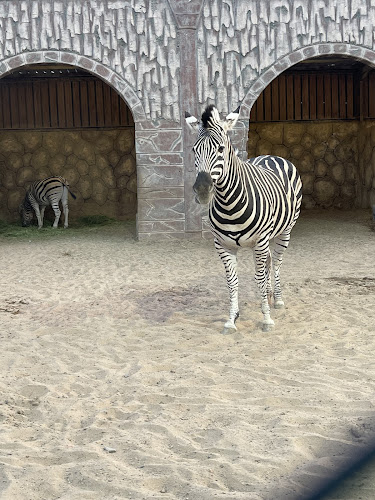
حديقة الحيوانات
About حديقة الحيوانات
Description
Visiting a zoo isn't just about seeing animals behind glass—it's about connecting with wildlife in ways that make you appreciate the natural world just a bit more than you did before walking through those gates. This particular zoological garden offers travelers an opportunity to spend quality time observing creatures from various corners of the globe, and honestly, it's one of those places where you can easily lose track of time wandering from one exhibit to the next. The facility has made genuine efforts to accommodate visitors of all abilities, which I really respect. Getting around is straightforward whether you're pushing a stroller or using a wheelchair, and that's something that shouldn't be taken for granted. And look, I've been to zoos where accessibility was clearly an afterthought, so it's refreshing when a place actually gets it right from the parking area all the way through to the exhibits themselves. What strikes most travelers about this zoo is the variety of experiences packed into one location. You'll find families spreading out picnic blankets while kids run between animal habitats, couples taking their time photographing the more photogenic residents, and solo travelers like myself occasionally pausing to sketch or simply absorb the atmosphere. The layout encourages exploration without feeling overwhelming, though I'll admit some sections definitely see more foot traffic than others during peak hours. The management has invested in modern payment systems, accepting everything from traditional cards to mobile payments—practical when you're traveling and don't want to carry too much cash around. But beyond the logistics, what really matters is whether the animals appear well-cared-for and whether the exhibits provide educational value alongside entertainment. Most visitors would agree that the zoo strikes a reasonable balance here, though like any attraction of this size, there's always room for improvement in certain areas.Key Features
- Diverse Animal Collection – The zoo houses species from multiple continents, giving visitors exposure to wildlife they might never encounter otherwise. From the usual suspects that kids adore to some lesser-known species that surprise even seasoned zoo-goers, the collection represents a solid cross-section of the animal kingdom.
- Family-Friendly Infrastructure – A dedicated playground gives restless children a place to burn energy between animal viewing sessions. This is honestly genius because every parent knows that kids can only look at sleeping animals for so long before they need to move around themselves.
- Full Accessibility Features – Wheelchair users will find both the entrance and parking facilities designed with their needs in mind. The pathways throughout the grounds maintain accessibility standards, making it possible for visitors with mobility challenges to experience most of what the zoo offers.
- On-Site Service Availability – Rather than forcing visitors to leave when they get hungry or need something, the zoo provides on-site services that keep your day flowing smoothly. This includes food options and other amenities that help make longer visits more comfortable.
- Modern Payment Options – Travelers from abroad will appreciate the flexibility in payment methods. Whether you prefer tapping your phone or swiping a card, the systems accommodate various payment preferences without fuss.
- Educational Programming – Beyond just displaying animals, the facility incorporates informational elements that teach visitors about conservation, habitats, and animal behavior. These educational components add depth to what could otherwise be a superficial experience.
Best Time to Visit
Timing your zoo visit can honestly make or break the experience, and I learned this the hard way during a particularly sweltering afternoon visit years ago when half the animals were sensibly hiding in the shade while I melted in the sun. Early morning hours, right when the gates open, offer the most advantages. The animals tend to be more active before the heat sets in, the crowds haven't reached their peak, and you'll have better opportunities for observation and photography without elbows constantly bumping into your frame. I've found that arriving within the first hour of opening gives you almost a private zoo feeling, especially on weekdays. Weather considerations matter more than you might think. Visiting during the cooler months means you'll see more animal activity throughout the day rather than watching creatures nap through the afternoon heat. But don't discount pleasant spring or autumn days—these seasons offer that sweet spot of comfortable temperatures and reasonable crowd levels. Weekdays trump weekends if your schedule allows flexibility. School groups do visit during the week, but they're usually corralled into specific areas and move as organized units, making them easier to navigate around than the unpredictable flow of weekend crowds. Summer weekends and holidays see the highest visitor numbers, which can mean longer lines for food, crowded viewing areas, and occasionally grumpy fellow visitors dealing with heat and tired children. If you're someone who actually enjoys the energy of crowds and doesn't mind sharing space, weekend afternoons create a festive atmosphere that some travelers prefer. There's something communal about experiencing the zoo alongside other families and groups, hearing the collective gasps when an animal does something unexpected. Special events and feeding times deserve consideration too. Many zoos schedule animal feedings or keeper talks at specific times, and timing your visit to catch these can transform a standard zoo day into something memorable. Ask at the entrance about any scheduled activities—these experiences often provide insights you'd never gain from just watching through glass or across a habitat barrier.How to Get There
Getting to the zoo requires a bit of planning, but it's straightforward enough that most travelers manage without significant stress. The key is understanding your transportation options and choosing what aligns with your comfort level and budget. For those driving, the dedicated parking facilities accommodate vehicles of various sizes, with accessible parking spots located conveniently near the entrance. Navigation apps will get you there without drama—just plug in the destination and follow along. Parking does fill up during peak times though, so arriving early means claiming a spot closer to the entrance rather than circling endlessly while kids in the backseat ask "are we there yet" for the thousandth time. Public transportation serves as a solid alternative, particularly for travelers staying in the city center who'd rather not deal with driving and parking logistics. Local buses typically run routes that stop within walking distance of the zoo entrance. Check current schedules before heading out because service frequency can vary depending on the day of the week and time of year. Taxis and ride-sharing services work perfectly for visitors who want door-to-door convenience without the commitment of parking a car for several hours. The drop-off area accommodates these services, and when you're ready to leave, requesting a pickup is simple enough. Just make sure your phone is charged because nothing's more frustrating than a dead phone battery when you need to call a ride home. Walking to the zoo is actually feasible if you're staying relatively nearby. I've done this myself when hotel accommodation placed me within a reasonable distance, and there's something nice about a morning walk building anticipation for the day ahead. Just consider the weather and your energy levels—you'll be doing plenty of walking inside the zoo itself. For international travelers, understanding the local transportation landscape before arrival eliminates stress. Download relevant apps, understand basic fare structures, and maybe screenshot directions in case your data connection gets spotty. These small preparations make navigation feel manageable rather than overwhelming when you're in an unfamiliar place.Tips for Visiting
Let me share some practical wisdom gathered from multiple zoo visits over the years, including mistakes I've made so you don't have to repeat them. Start your day with comfortable footwear—this isn't the place for breaking in new shoes or looking fashionable in impractical footwear. You'll cover more ground than you anticipate, and blistered feet can turn an enjoyable day into a painful slog. Trust me on this one. Bring refillable water bottles because staying hydrated matters more than people realize, especially when you're outdoors for extended periods. Yes, the zoo likely sells beverages, but constantly buying drinks adds up financially and creates unnecessary plastic waste. Most facilities have water fountains where you can refill throughout the day. Sunscreen and hats deserve spots in your day bag even when the weather seems mild. Sun exposure accumulates over hours, and there's nothing quite like realizing at dinner that you've acquired an embarrassing sunburn pattern. Cloud cover doesn't eliminate UV exposure, so protect yourself regardless of how sunny it appears. Pack snacks, especially if you're visiting with children. The on-site food services provide options, but having your own snacks means you're not held hostage to their schedule or prices. Hungry kids become cranky kids, and a well-timed granola bar can save everyone's mood. Plus some people have dietary restrictions that zoo cafeterias might not accommodate well. Download any official zoo apps before arriving if they exist. These often include maps, feeding schedules, and real-time updates about exhibits or closures. Having this information at your fingertips beats trying to download things on potentially crowded WiFi networks once you're there. Plan your route strategically rather than wandering randomly. Grab a physical map at the entrance and identify must-see exhibits, then plot an efficient path. This doesn't mean you can't be spontaneous, but having a general plan prevents that sinking realization that you've missed something important and now need to backtrack across the entire facility. Visit popular exhibits during off-peak hours within your day—usually early morning or later afternoon. That crowd-favorite animal everyone wants to see? Hit that exhibit first thing or save it for late in your visit when others have moved on. Bring entertainment for waiting periods. Whether it's between scheduled feedings or just taking a rest break, having something to occupy time makes the experience more pleasant. A book, downloaded podcasts, or even a simple notebook for jotting observations works wonders. Be patient and quiet around animal habitats. Loud noises and sudden movements can stress animals or cause them to retreat from view. You'll actually see more interesting behavior by being calm and observant than by trying to get an animal's attention through the glass. Check the facility's policies on what you can bring inside before packing. Some zoos restrict certain items, and discovering your carefully packed picnic violates rules after you've already bought entrance tickets is frustrating. Consider visiting with modest expectations. Animals don't perform on command, and some days they're simply less active or visible than others. That's the reality of working with living creatures rather than amusement park attractions. Embracing this unpredictability actually makes the special moments—when an animal does something remarkable—feel more rewarding. Budget extra time beyond what you think you'll need. Rushing through a zoo defeats the purpose and creates stress nobody needs on vacation. Give yourself permission to linger at exhibits that captivate you and skip quickly past ones that don't resonate. Take breaks throughout your visit. Find benches in shaded areas and just sit for a few minutes. Your feet will thank you, and sometimes the best observations happen when you stop actively seeking them and just allow yourself to be present in the environment.Key Features
- Key Features
- Best Time to Visit
- How to Get There
- Tips for Visiting
More Details
Updated March 30, 2026
Table of Contents
Description
Visiting a zoo isn’t just about seeing animals behind glass—it’s about connecting with wildlife in ways that make you appreciate the natural world just a bit more than you did before walking through those gates. This particular zoological garden offers travelers an opportunity to spend quality time observing creatures from various corners of the globe, and honestly, it’s one of those places where you can easily lose track of time wandering from one exhibit to the next.
The facility has made genuine efforts to accommodate visitors of all abilities, which I really respect. Getting around is straightforward whether you’re pushing a stroller or using a wheelchair, and that’s something that shouldn’t be taken for granted. And look, I’ve been to zoos where accessibility was clearly an afterthought, so it’s refreshing when a place actually gets it right from the parking area all the way through to the exhibits themselves.
What strikes most travelers about this zoo is the variety of experiences packed into one location. You’ll find families spreading out picnic blankets while kids run between animal habitats, couples taking their time photographing the more photogenic residents, and solo travelers like myself occasionally pausing to sketch or simply absorb the atmosphere. The layout encourages exploration without feeling overwhelming, though I’ll admit some sections definitely see more foot traffic than others during peak hours.
The management has invested in modern payment systems, accepting everything from traditional cards to mobile payments—practical when you’re traveling and don’t want to carry too much cash around. But beyond the logistics, what really matters is whether the animals appear well-cared-for and whether the exhibits provide educational value alongside entertainment. Most visitors would agree that the zoo strikes a reasonable balance here, though like any attraction of this size, there’s always room for improvement in certain areas.
Key Features
- Diverse Animal Collection – The zoo houses species from multiple continents, giving visitors exposure to wildlife they might never encounter otherwise. From the usual suspects that kids adore to some lesser-known species that surprise even seasoned zoo-goers, the collection represents a solid cross-section of the animal kingdom.
- Family-Friendly Infrastructure – A dedicated playground gives restless children a place to burn energy between animal viewing sessions. This is honestly genius because every parent knows that kids can only look at sleeping animals for so long before they need to move around themselves.
- Full Accessibility Features – Wheelchair users will find both the entrance and parking facilities designed with their needs in mind. The pathways throughout the grounds maintain accessibility standards, making it possible for visitors with mobility challenges to experience most of what the zoo offers.
- On-Site Service Availability – Rather than forcing visitors to leave when they get hungry or need something, the zoo provides on-site services that keep your day flowing smoothly. This includes food options and other amenities that help make longer visits more comfortable.
- Modern Payment Options – Travelers from abroad will appreciate the flexibility in payment methods. Whether you prefer tapping your phone or swiping a card, the systems accommodate various payment preferences without fuss.
- Educational Programming – Beyond just displaying animals, the facility incorporates informational elements that teach visitors about conservation, habitats, and animal behavior. These educational components add depth to what could otherwise be a superficial experience.
Best Time to Visit
Timing your zoo visit can honestly make or break the experience, and I learned this the hard way during a particularly sweltering afternoon visit years ago when half the animals were sensibly hiding in the shade while I melted in the sun.
Early morning hours, right when the gates open, offer the most advantages. The animals tend to be more active before the heat sets in, the crowds haven’t reached their peak, and you’ll have better opportunities for observation and photography without elbows constantly bumping into your frame. I’ve found that arriving within the first hour of opening gives you almost a private zoo feeling, especially on weekdays.
Weather considerations matter more than you might think. Visiting during the cooler months means you’ll see more animal activity throughout the day rather than watching creatures nap through the afternoon heat. But don’t discount pleasant spring or autumn days—these seasons offer that sweet spot of comfortable temperatures and reasonable crowd levels.
Weekdays trump weekends if your schedule allows flexibility. School groups do visit during the week, but they’re usually corralled into specific areas and move as organized units, making them easier to navigate around than the unpredictable flow of weekend crowds. Summer weekends and holidays see the highest visitor numbers, which can mean longer lines for food, crowded viewing areas, and occasionally grumpy fellow visitors dealing with heat and tired children.
If you’re someone who actually enjoys the energy of crowds and doesn’t mind sharing space, weekend afternoons create a festive atmosphere that some travelers prefer. There’s something communal about experiencing the zoo alongside other families and groups, hearing the collective gasps when an animal does something unexpected.
Special events and feeding times deserve consideration too. Many zoos schedule animal feedings or keeper talks at specific times, and timing your visit to catch these can transform a standard zoo day into something memorable. Ask at the entrance about any scheduled activities—these experiences often provide insights you’d never gain from just watching through glass or across a habitat barrier.
How to Get There
Getting to the zoo requires a bit of planning, but it’s straightforward enough that most travelers manage without significant stress. The key is understanding your transportation options and choosing what aligns with your comfort level and budget.
For those driving, the dedicated parking facilities accommodate vehicles of various sizes, with accessible parking spots located conveniently near the entrance. Navigation apps will get you there without drama—just plug in the destination and follow along. Parking does fill up during peak times though, so arriving early means claiming a spot closer to the entrance rather than circling endlessly while kids in the backseat ask “are we there yet” for the thousandth time.
Public transportation serves as a solid alternative, particularly for travelers staying in the city center who’d rather not deal with driving and parking logistics. Local buses typically run routes that stop within walking distance of the zoo entrance. Check current schedules before heading out because service frequency can vary depending on the day of the week and time of year.
Taxis and ride-sharing services work perfectly for visitors who want door-to-door convenience without the commitment of parking a car for several hours. The drop-off area accommodates these services, and when you’re ready to leave, requesting a pickup is simple enough. Just make sure your phone is charged because nothing’s more frustrating than a dead phone battery when you need to call a ride home.
Walking to the zoo is actually feasible if you’re staying relatively nearby. I’ve done this myself when hotel accommodation placed me within a reasonable distance, and there’s something nice about a morning walk building anticipation for the day ahead. Just consider the weather and your energy levels—you’ll be doing plenty of walking inside the zoo itself.
For international travelers, understanding the local transportation landscape before arrival eliminates stress. Download relevant apps, understand basic fare structures, and maybe screenshot directions in case your data connection gets spotty. These small preparations make navigation feel manageable rather than overwhelming when you’re in an unfamiliar place.
Tips for Visiting
Let me share some practical wisdom gathered from multiple zoo visits over the years, including mistakes I’ve made so you don’t have to repeat them.
Start your day with comfortable footwear—this isn’t the place for breaking in new shoes or looking fashionable in impractical footwear. You’ll cover more ground than you anticipate, and blistered feet can turn an enjoyable day into a painful slog. Trust me on this one.
Bring refillable water bottles because staying hydrated matters more than people realize, especially when you’re outdoors for extended periods. Yes, the zoo likely sells beverages, but constantly buying drinks adds up financially and creates unnecessary plastic waste. Most facilities have water fountains where you can refill throughout the day.
Sunscreen and hats deserve spots in your day bag even when the weather seems mild. Sun exposure accumulates over hours, and there’s nothing quite like realizing at dinner that you’ve acquired an embarrassing sunburn pattern. Cloud cover doesn’t eliminate UV exposure, so protect yourself regardless of how sunny it appears.
Pack snacks, especially if you’re visiting with children. The on-site food services provide options, but having your own snacks means you’re not held hostage to their schedule or prices. Hungry kids become cranky kids, and a well-timed granola bar can save everyone’s mood. Plus some people have dietary restrictions that zoo cafeterias might not accommodate well.
Download any official zoo apps before arriving if they exist. These often include maps, feeding schedules, and real-time updates about exhibits or closures. Having this information at your fingertips beats trying to download things on potentially crowded WiFi networks once you’re there.
Plan your route strategically rather than wandering randomly. Grab a physical map at the entrance and identify must-see exhibits, then plot an efficient path. This doesn’t mean you can’t be spontaneous, but having a general plan prevents that sinking realization that you’ve missed something important and now need to backtrack across the entire facility.
Visit popular exhibits during off-peak hours within your day—usually early morning or later afternoon. That crowd-favorite animal everyone wants to see? Hit that exhibit first thing or save it for late in your visit when others have moved on.
Bring entertainment for waiting periods. Whether it’s between scheduled feedings or just taking a rest break, having something to occupy time makes the experience more pleasant. A book, downloaded podcasts, or even a simple notebook for jotting observations works wonders.
Be patient and quiet around animal habitats. Loud noises and sudden movements can stress animals or cause them to retreat from view. You’ll actually see more interesting behavior by being calm and observant than by trying to get an animal’s attention through the glass.
Check the facility’s policies on what you can bring inside before packing. Some zoos restrict certain items, and discovering your carefully packed picnic violates rules after you’ve already bought entrance tickets is frustrating.
Consider visiting with modest expectations. Animals don’t perform on command, and some days they’re simply less active or visible than others. That’s the reality of working with living creatures rather than amusement park attractions. Embracing this unpredictability actually makes the special moments—when an animal does something remarkable—feel more rewarding.
Budget extra time beyond what you think you’ll need. Rushing through a zoo defeats the purpose and creates stress nobody needs on vacation. Give yourself permission to linger at exhibits that captivate you and skip quickly past ones that don’t resonate.
Take breaks throughout your visit. Find benches in shaded areas and just sit for a few minutes. Your feet will thank you, and sometimes the best observations happen when you stop actively seeking them and just allow yourself to be present in the environment.
Key Highlights
- Key Features
- Best Time to Visit
- How to Get There
- Tips for Visiting
Location
Places to Stay Near حديقة الحيوانات
Find and Book a Tour
Explore More Travel Guides
No reviews found! Be the first to review!
حديقة الحيوانات is a prominent attractions located in Taif.
Visit us at: 3830, Taif 26514, Saudi Arabia.
Traveler Reviews for حديقة الحيوانات
There are no reviews yet. Be the first one to write one.
Have you visited حديقة الحيوانات? Help other travelers by sharing your review.
You Might Also Like

Taif City Walk
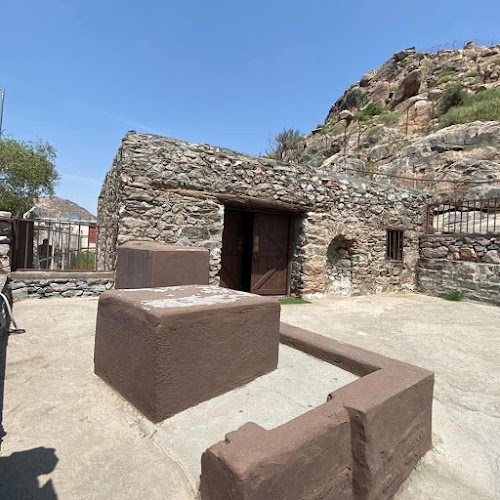
Alkou’ Mosque
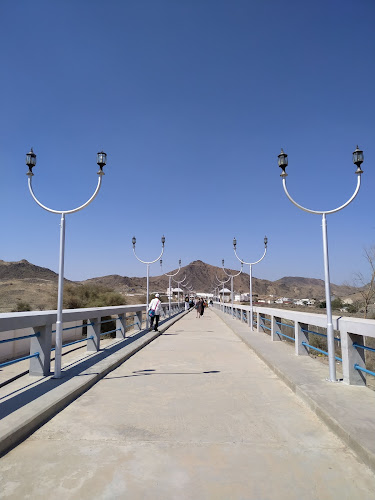
Ekrima Dam
Find Accommodations Nearby
Recommended Tours & Activities
Visitor Reviews
There are no reviews yet. Be the first one to write one.
Share Your Experience
Have you visited حديقة الحيوانات? Help other travelers by leaving a review.