

جامع حصن عبري Mosque of Ibri Fort
About جامع حصن عبري Mosque of Ibri Fort
Description
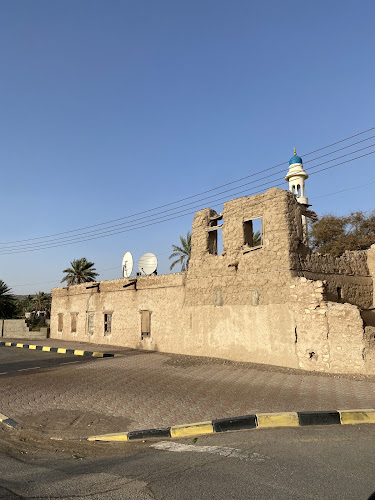
The جامع حصن عبري (Mosque of Ibri Fort) stands as a remarkable testament to Oman's rich Islamic heritage, seamlessly blending spiritual significance with historical architecture. Located within the ancient Ibri Fort complex in the Dhahirah Governorate, this mosque represents centuries of continuous worship and community gathering. What strikes most visitors immediately is how naturally the mosque integrates with the fort's defensive walls—it's not just adjacent to the castle, but feels like an organic part of the entire historical narrative.
I've always found it fascinating how Islamic architecture manages to create these serene spaces even within fortified structures, and this mosque perfectly exemplifies that principle. The building showcases traditional Omani architectural elements, with its clean lines and practical design reflecting the region's Islamic building traditions that prioritize both functionality and spiritual atmosphere.
The mosque serves the local community while welcoming respectful visitors who wish to understand Oman's religious and cultural heritage. And honestly, there's something quite moving about experiencing a place of worship that has witnessed over 400 years of prayers, celebrations, and community gatherings. The structure demonstrates how religious sites in Oman weren't isolated from daily life but were integral parts of community centers and defensive complexes.
Key Features
The mosque presents several distinctive characteristics that set it apart from other religious sites in the region:
- Historical Integration: Uniquely positioned within the Ibri Fort complex, creating a rare combination of spiritual and defensive architecture
- Traditional Omani Design: Features classic Islamic architectural elements adapted to local climate and building traditions
- Community Accessibility: Continues to serve active religious functions while accommodating cultural visitors
- Restored Authenticity: Maintains original structural integrity while meeting modern worship requirements
- Cultural Significance: Represents the central role of Islam in Omani society and fort-town planning
- Visitor Facilities: Includes restroom facilities for the convenience of worshippers and tourists
- Educational Value: Offers insights into Islamic practices and Omani religious traditions
- Architectural Heritage: Demonstrates traditional building techniques and materials used in historic Omani construction
Best Time to Visit
Timing your visit to the Mosque of Ibri Fort requires some thoughtful consideration, both for weather conditions and cultural sensitivity. The optimal period for exploration is during Oman's cooler months, specifically from October through March, when temperatures become more manageable for extended outdoor exploration of the fort complex.
During these months, morning visits between 8:00 AM and 10:00 AM offer the most comfortable conditions. The early hours provide cooler temperatures and softer lighting that's perfect for photography and leisurely exploration. But remember, if you're planning to visit during prayer times, you'll want to be respectful and perhaps time your visit around these important religious observances.
Friday mornings can be particularly busy due to Jumu'ah prayers, so if you prefer a quieter experience, consider visiting on weekday mornings or weekend afternoons. The winter months also coincide with Oman's peak tourist season, meaning better availability of local guides and transportation options.
Avoid the summer months (June through September) if possible—the intense heat makes exploring the stone structures quite challenging, and you'll find yourself rushing through what should be a contemplative experience. Plus, many visitors underestimate how the stone and concrete surfaces amplify the heat, making the experience less enjoyable.
How to Get There
Reaching the Mosque of Ibri Fort is relatively straightforward, though it does require some planning since Ibri sits in Oman's interior region. The town of Ibri is located approximately 280 kilometers from Muscat, making it about a 3-hour drive along well-maintained highways.
If you're driving from Muscat, take Route 15 (Nizwa Road) towards Nizwa, then continue on Route 21 towards Ibri. The journey offers some spectacular desert and mountain scenery, so don't rush it—make a road trip out of the experience! Once you reach Ibri town center, the fort and mosque are clearly signposted and located near the old souq area.
For those preferring public transportation, intercity buses operate between Muscat and Ibri, though schedules can be limited and the journey takes longer than driving. Some travelers choose to hire a driver for the day, which can be cost-effective if you're planning to visit multiple sites in the region.
The mosque and fort complex has designated parking areas, though they can fill up during peak visiting hours. Local taxi services are available within Ibri for shorter journeys, and many drivers are knowledgeable about the historical sites and can provide informal touring services.
Tips for Visiting
Visiting a mosque within a historical fort requires some specific preparation and cultural awareness that'll make your experience much more meaningful. First and foremost, dress code is crucial—both men and women should wear long pants and long-sleeved shirts, and women should bring a headscarf. I always recommend packing these items even if you're just exploring the fort, since the mosque is integrated into the complex.
Remove your shoes before entering the mosque area, and many visitors find it helpful to bring socks since the stone floors can be quite cool, especially during winter months. Be mindful of prayer times throughout the day, and if you arrive during prayers, wait respectfully until they conclude before exploring.
Photography guidelines can vary, so always ask permission before taking photos, especially of people or during religious observances. The fort complex is quite photogenic, but the mosque areas may have restrictions that you'll want to respect.
Bring water and sun protection—even during cooler months, the desert sun can be intense, and exploring the fort walls and towers involves considerable walking and climbing. The combination of stone surfaces and bright sunlight can be more tiring than you'd expect.
Consider hiring a local guide if you're interested in understanding the historical and religious significance of the site. Many locals have fascinating stories about the fort's history and the role of the mosque in community life over the centuries.
And here's something most guidebooks won't tell you: visit the nearby old souq area after exploring the mosque and fort. It's just a short walk and gives you a sense of how these historical sites functioned as complete community centers rather than isolated monuments.
Plan for at least 2-3 hours to properly explore both the fort and mosque complex, longer if you're interested in photography or detailed exploration of the architectural features. The site has restroom facilities, but bringing snacks and water will make your visit more comfortable, especially if you're traveling with children or elderly companions.
Key Features
- Key Features
- Best Time to Visit
- How to Get There
- Tips for Visiting
More Details
Updated September 15, 2025
Table of Contents
Description
The جامع حصن عبري (Mosque of Ibri Fort) stands as a remarkable testament to Oman’s rich Islamic heritage, seamlessly blending spiritual significance with historical architecture. Located within the ancient Ibri Fort complex in the Dhahirah Governorate, this mosque represents centuries of continuous worship and community gathering. What strikes most visitors immediately is how naturally the mosque integrates with the fort’s defensive walls—it’s not just adjacent to the castle, but feels like an organic part of the entire historical narrative.
I’ve always found it fascinating how Islamic architecture manages to create these serene spaces even within fortified structures, and this mosque perfectly exemplifies that principle. The building showcases traditional Omani architectural elements, with its clean lines and practical design reflecting the region’s Islamic building traditions that prioritize both functionality and spiritual atmosphere.
The mosque serves the local community while welcoming respectful visitors who wish to understand Oman’s religious and cultural heritage. And honestly, there’s something quite moving about experiencing a place of worship that has witnessed over 400 years of prayers, celebrations, and community gatherings. The structure demonstrates how religious sites in Oman weren’t isolated from daily life but were integral parts of community centers and defensive complexes.
Key Features
The mosque presents several distinctive characteristics that set it apart from other religious sites in the region:
- Historical Integration: Uniquely positioned within the Ibri Fort complex, creating a rare combination of spiritual and defensive architecture
- Traditional Omani Design: Features classic Islamic architectural elements adapted to local climate and building traditions
- Community Accessibility: Continues to serve active religious functions while accommodating cultural visitors
- Restored Authenticity: Maintains original structural integrity while meeting modern worship requirements
- Cultural Significance: Represents the central role of Islam in Omani society and fort-town planning
- Visitor Facilities: Includes restroom facilities for the convenience of worshippers and tourists
- Educational Value: Offers insights into Islamic practices and Omani religious traditions
- Architectural Heritage: Demonstrates traditional building techniques and materials used in historic Omani construction
Best Time to Visit
Timing your visit to the Mosque of Ibri Fort requires some thoughtful consideration, both for weather conditions and cultural sensitivity. The optimal period for exploration is during Oman’s cooler months, specifically from October through March, when temperatures become more manageable for extended outdoor exploration of the fort complex.
During these months, morning visits between 8:00 AM and 10:00 AM offer the most comfortable conditions. The early hours provide cooler temperatures and softer lighting that’s perfect for photography and leisurely exploration. But remember, if you’re planning to visit during prayer times, you’ll want to be respectful and perhaps time your visit around these important religious observances.
Friday mornings can be particularly busy due to Jumu’ah prayers, so if you prefer a quieter experience, consider visiting on weekday mornings or weekend afternoons. The winter months also coincide with Oman’s peak tourist season, meaning better availability of local guides and transportation options.
Avoid the summer months (June through September) if possible—the intense heat makes exploring the stone structures quite challenging, and you’ll find yourself rushing through what should be a contemplative experience. Plus, many visitors underestimate how the stone and concrete surfaces amplify the heat, making the experience less enjoyable.
How to Get There
Reaching the Mosque of Ibri Fort is relatively straightforward, though it does require some planning since Ibri sits in Oman’s interior region. The town of Ibri is located approximately 280 kilometers from Muscat, making it about a 3-hour drive along well-maintained highways.
If you’re driving from Muscat, take Route 15 (Nizwa Road) towards Nizwa, then continue on Route 21 towards Ibri. The journey offers some spectacular desert and mountain scenery, so don’t rush it—make a road trip out of the experience! Once you reach Ibri town center, the fort and mosque are clearly signposted and located near the old souq area.
For those preferring public transportation, intercity buses operate between Muscat and Ibri, though schedules can be limited and the journey takes longer than driving. Some travelers choose to hire a driver for the day, which can be cost-effective if you’re planning to visit multiple sites in the region.
The mosque and fort complex has designated parking areas, though they can fill up during peak visiting hours. Local taxi services are available within Ibri for shorter journeys, and many drivers are knowledgeable about the historical sites and can provide informal touring services.
Tips for Visiting
Visiting a mosque within a historical fort requires some specific preparation and cultural awareness that’ll make your experience much more meaningful. First and foremost, dress code is crucial—both men and women should wear long pants and long-sleeved shirts, and women should bring a headscarf. I always recommend packing these items even if you’re just exploring the fort, since the mosque is integrated into the complex.
Remove your shoes before entering the mosque area, and many visitors find it helpful to bring socks since the stone floors can be quite cool, especially during winter months. Be mindful of prayer times throughout the day, and if you arrive during prayers, wait respectfully until they conclude before exploring.
Photography guidelines can vary, so always ask permission before taking photos, especially of people or during religious observances. The fort complex is quite photogenic, but the mosque areas may have restrictions that you’ll want to respect.
Bring water and sun protection—even during cooler months, the desert sun can be intense, and exploring the fort walls and towers involves considerable walking and climbing. The combination of stone surfaces and bright sunlight can be more tiring than you’d expect.
Consider hiring a local guide if you’re interested in understanding the historical and religious significance of the site. Many locals have fascinating stories about the fort’s history and the role of the mosque in community life over the centuries.
And here’s something most guidebooks won’t tell you: visit the nearby old souq area after exploring the mosque and fort. It’s just a short walk and gives you a sense of how these historical sites functioned as complete community centers rather than isolated monuments.
Plan for at least 2-3 hours to properly explore both the fort and mosque complex, longer if you’re interested in photography or detailed exploration of the architectural features. The site has restroom facilities, but bringing snacks and water will make your visit more comfortable, especially if you’re traveling with children or elderly companions.
Key Highlights
- Key Features
- Best Time to Visit
- How to Get There
- Tips for Visiting
Location
Places to Stay Near جامع حصن عبري Mosque of Ibri Fort
Find and Book a Tour
Explore More Travel Guides
No reviews found! Be the first to review!
Traveler Reviews for جامع حصن عبري Mosque of Ibri Fort
There are no reviews yet. Be the first one to write one.
Have you visited جامع حصن عبري Mosque of Ibri Fort? Help other travelers by sharing your review.
You Might Also Like

سوق عبري القديم
Ibri

Ibri Oasis Hotel
Find Accommodations Nearby
Recommended Tours & Activities
Visitor Reviews
There are no reviews yet. Be the first one to write one.
Share Your Experience
Have you visited جامع حصن عبري Mosque of Ibri Fort? Help other travelers by leaving a review.