
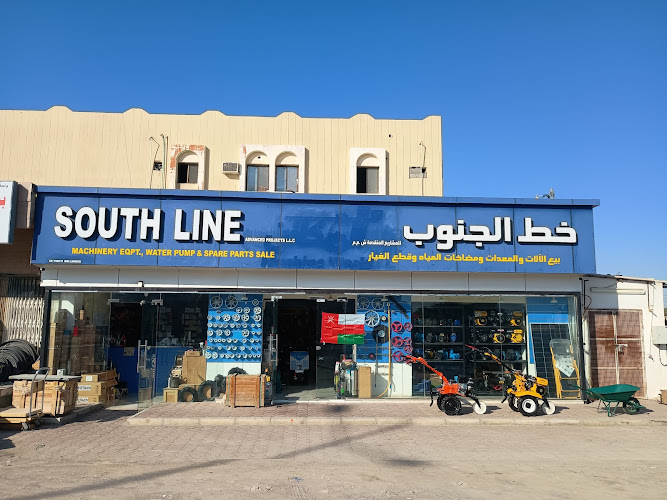
Ibri souq
About Ibri souq
Description
The Ibri souq stands as one of Oman's most authentic traditional markets, where the rhythm of daily commerce has barely changed over decades. And honestly, that's exactly what makes it so compelling for travelers seeking genuine cultural experiences. This isn't your typical tourist market stuffed with overpriced trinkets – it's a working marketplace where locals actually shop for their everyday needs. What struck me most during my first visit was how naturally the market flows between different sections. You'll find yourself wandering from produce stalls heavy with dates and local vegetables to areas specializing in animal feed and agricultural supplies. The latter might seem unusual to mention, but it's precisely these practical elements that give Ibri souq its authentic character. Local farmers and livestock owners conduct real business here, creating an atmosphere that's refreshingly genuine. The market operates with a beautiful efficiency that comes from generations of practice. Vendors know their regular customers by name, and there's an unspoken understanding about quality and fair pricing that you can almost feel in the air. But don't worry about being an outsider – the merchant community generally welcomes curious travelers, though they might be more reserved than their counterparts in heavily touristed areas.Key Features
The Ibri souq offers several distinctive features that set it apart from other markets in Oman: • Traditional architecture with covered sections providing natural cooling and shade throughout the day • Extensive selection of local dates, including varieties that are specific to the Al Dhahirah region • Working animal feed and agricultural supply section where visitors can observe authentic rural commerce • Fresh produce area featuring seasonal fruits and vegetables grown in nearby farms and oases • Small section dedicated to traditional Omani handicrafts and household items • Accessibility features including wheelchair-friendly entrances and designated parking areas • Modern payment options including contactless payments and card acceptance at many stalls • Quick shopping experience possible for travelers with limited time • Delivery services available for bulk purchases, particularly useful for agricultural products The market's layout follows traditional souq principles, with similar vendors clustered together. This creates natural zones that make navigation intuitive once you understand the pattern. The animal feed section, while perhaps not immediately appealing to casual tourists, actually provides fascinating insights into Oman's agricultural economy and rural lifestyle.Best Time to Visit
Timing your visit to Ibri souq correctly can make the difference between a memorable experience and an uncomfortably hot trudge through crowded aisles. The market comes alive early in the morning, typically around 6:00 AM when vendors are setting up and the first wave of serious shoppers arrives. This early period offers the best selection of fresh produce and the coolest temperatures. If you're not an early riser, the second-best window falls between 4:00 PM and 6:00 PM when the afternoon heat begins to subside. During these hours, you'll catch locals doing their evening shopping, and the atmosphere becomes more social and relaxed. Vendors are often more willing to chat during this time, especially if the day's been good for business. Avoid the midday hours between 11:00 AM and 3:00 PM, particularly during summer months when temperatures can become brutal. I made this mistake once in July and spent more time seeking shade than actually exploring the market. The covered sections provide some relief, but it's still not pleasant when outdoor temperatures climb above 40°C. Friday mornings tend to be particularly busy as families prepare for the weekend, so expect larger crowds but also a more energetic atmosphere. During Ramadan, the market's rhythm shifts significantly, with most activity happening in the early morning and late afternoon as vendors and customers adjust to fasting schedules.How to Get There
Getting to Ibri souq requires some planning since the town sits about 280 kilometers from Muscat, making it roughly a three-hour drive along well-maintained highways. The journey itself offers scenic views of Oman's interior landscape, passing through date palm oases and traditional villages that provide context for what you'll experience at the market. If you're driving from Muscat, take the Nizwa-Bahla road and continue toward Ibri. The route is straightforward, but I'd recommend starting early to avoid driving during the hottest part of the day. Rental car companies in Muscat offer various vehicle options, and a standard sedan handles the journey comfortably. Public transportation options exist but require patience and flexibility. Several bus companies operate routes between Muscat and Ibri, though schedules can be inconsistent. The journey by bus takes approximately four hours with stops along the way. Once in Ibri, the souq is centrally located and easily reachable by taxi or even on foot from most hotels in the town center. For visitors staying in other interior cities like Nizwa or Bahla, Ibri makes an excellent day trip destination. The distances are more manageable, and you can easily combine a souq visit with exploration of nearby historical sites like Bat Archaeological Site or the hot springs at Ain al-Kasfa. The market provides adequate parking facilities, including spaces designated for wheelchair users. However, parking can fill up during peak shopping hours, so arriving early has advantages beyond just weather considerations.Tips for Visiting
Successful navigation of Ibri souq requires a different approach than visiting more tourist-oriented markets. First and foremost, dress conservatively and comfortably. This means long pants or long skirts, covered shoulders, and closed-toe shoes that can handle potentially dusty conditions. The market serves a traditional community, and respectful dress helps ensure a warmer welcome. Bring cash, though you might be surprised to find that many vendors now accept card payments and even contactless options. However, cash still works best for small purchases and gives you more flexibility when negotiating prices. Small denominations are particularly useful since vendors may not always have change for large bills. Learning a few basic Arabic greetings goes a long way toward building rapport with vendors. Simple phrases like "As-salaam alaikum" (peace be upon you) and "Shukran" (thank you) show respect and often lead to more engaging interactions. Many vendors speak some English, but don't assume this is universal. Photography requires sensitivity and common courtesy. Always ask permission before photographing people or their stalls. Some vendors welcome photos, especially if you're genuinely interested in their products, while others prefer privacy. The general market atmosphere and architecture are usually fine to photograph without specific permission. Don't rush your visit – this isn't a place for speed shopping. Part of the souq's charm lies in observing the interactions between regular customers and vendors, understanding the rhythm of different sections, and appreciating the market's role in the community. Plan at least two hours if you want to explore thoroughly. Bargaining exists but operates differently than in tourist markets. Vendors here deal primarily with locals who know fair prices, so excessive haggling can be counterproductive. If you're interested in something, ask the price respectfully and negotiate modestly if it seems appropriate. Finally, consider the practical aspects of your purchases. Fresh produce needs to be consumed relatively quickly in Oman's heat, and some items may not travel well if you're continuing your journey. However, dates and certain preserved goods make excellent souvenirs and are often of higher quality and better value than similar items sold in tourist areas.Key Features
- Key Features
- Best Time to Visit
- How to Get There
- Tips for Visiting
More Details
Updated September 14, 2025
Table of Contents
Description
The Ibri souq stands as one of Oman’s most authentic traditional markets, where the rhythm of daily commerce has barely changed over decades. And honestly, that’s exactly what makes it so compelling for travelers seeking genuine cultural experiences. This isn’t your typical tourist market stuffed with overpriced trinkets – it’s a working marketplace where locals actually shop for their everyday needs.
What struck me most during my first visit was how naturally the market flows between different sections. You’ll find yourself wandering from produce stalls heavy with dates and local vegetables to areas specializing in animal feed and agricultural supplies. The latter might seem unusual to mention, but it’s precisely these practical elements that give Ibri souq its authentic character. Local farmers and livestock owners conduct real business here, creating an atmosphere that’s refreshingly genuine.
The market operates with a beautiful efficiency that comes from generations of practice. Vendors know their regular customers by name, and there’s an unspoken understanding about quality and fair pricing that you can almost feel in the air. But don’t worry about being an outsider – the merchant community generally welcomes curious travelers, though they might be more reserved than their counterparts in heavily touristed areas.
Key Features
The Ibri souq offers several distinctive features that set it apart from other markets in Oman:
• Traditional architecture with covered sections providing natural cooling and shade throughout the day
• Extensive selection of local dates, including varieties that are specific to the Al Dhahirah region
• Working animal feed and agricultural supply section where visitors can observe authentic rural commerce
• Fresh produce area featuring seasonal fruits and vegetables grown in nearby farms and oases
• Small section dedicated to traditional Omani handicrafts and household items
• Accessibility features including wheelchair-friendly entrances and designated parking areas
• Modern payment options including contactless payments and card acceptance at many stalls
• Quick shopping experience possible for travelers with limited time
• Delivery services available for bulk purchases, particularly useful for agricultural products
The market’s layout follows traditional souq principles, with similar vendors clustered together. This creates natural zones that make navigation intuitive once you understand the pattern. The animal feed section, while perhaps not immediately appealing to casual tourists, actually provides fascinating insights into Oman’s agricultural economy and rural lifestyle.
Best Time to Visit
Timing your visit to Ibri souq correctly can make the difference between a memorable experience and an uncomfortably hot trudge through crowded aisles. The market comes alive early in the morning, typically around 6:00 AM when vendors are setting up and the first wave of serious shoppers arrives. This early period offers the best selection of fresh produce and the coolest temperatures.
If you’re not an early riser, the second-best window falls between 4:00 PM and 6:00 PM when the afternoon heat begins to subside. During these hours, you’ll catch locals doing their evening shopping, and the atmosphere becomes more social and relaxed. Vendors are often more willing to chat during this time, especially if the day’s been good for business.
Avoid the midday hours between 11:00 AM and 3:00 PM, particularly during summer months when temperatures can become brutal. I made this mistake once in July and spent more time seeking shade than actually exploring the market. The covered sections provide some relief, but it’s still not pleasant when outdoor temperatures climb above 40°C.
Friday mornings tend to be particularly busy as families prepare for the weekend, so expect larger crowds but also a more energetic atmosphere. During Ramadan, the market’s rhythm shifts significantly, with most activity happening in the early morning and late afternoon as vendors and customers adjust to fasting schedules.
How to Get There
Getting to Ibri souq requires some planning since the town sits about 280 kilometers from Muscat, making it roughly a three-hour drive along well-maintained highways. The journey itself offers scenic views of Oman’s interior landscape, passing through date palm oases and traditional villages that provide context for what you’ll experience at the market.
If you’re driving from Muscat, take the Nizwa-Bahla road and continue toward Ibri. The route is straightforward, but I’d recommend starting early to avoid driving during the hottest part of the day. Rental car companies in Muscat offer various vehicle options, and a standard sedan handles the journey comfortably.
Public transportation options exist but require patience and flexibility. Several bus companies operate routes between Muscat and Ibri, though schedules can be inconsistent. The journey by bus takes approximately four hours with stops along the way. Once in Ibri, the souq is centrally located and easily reachable by taxi or even on foot from most hotels in the town center.
For visitors staying in other interior cities like Nizwa or Bahla, Ibri makes an excellent day trip destination. The distances are more manageable, and you can easily combine a souq visit with exploration of nearby historical sites like Bat Archaeological Site or the hot springs at Ain al-Kasfa.
The market provides adequate parking facilities, including spaces designated for wheelchair users. However, parking can fill up during peak shopping hours, so arriving early has advantages beyond just weather considerations.
Tips for Visiting
Successful navigation of Ibri souq requires a different approach than visiting more tourist-oriented markets. First and foremost, dress conservatively and comfortably. This means long pants or long skirts, covered shoulders, and closed-toe shoes that can handle potentially dusty conditions. The market serves a traditional community, and respectful dress helps ensure a warmer welcome.
Bring cash, though you might be surprised to find that many vendors now accept card payments and even contactless options. However, cash still works best for small purchases and gives you more flexibility when negotiating prices. Small denominations are particularly useful since vendors may not always have change for large bills.
Learning a few basic Arabic greetings goes a long way toward building rapport with vendors. Simple phrases like “As-salaam alaikum” (peace be upon you) and “Shukran” (thank you) show respect and often lead to more engaging interactions. Many vendors speak some English, but don’t assume this is universal.
Photography requires sensitivity and common courtesy. Always ask permission before photographing people or their stalls. Some vendors welcome photos, especially if you’re genuinely interested in their products, while others prefer privacy. The general market atmosphere and architecture are usually fine to photograph without specific permission.
Don’t rush your visit – this isn’t a place for speed shopping. Part of the souq’s charm lies in observing the interactions between regular customers and vendors, understanding the rhythm of different sections, and appreciating the market’s role in the community. Plan at least two hours if you want to explore thoroughly.
Bargaining exists but operates differently than in tourist markets. Vendors here deal primarily with locals who know fair prices, so excessive haggling can be counterproductive. If you’re interested in something, ask the price respectfully and negotiate modestly if it seems appropriate.
Finally, consider the practical aspects of your purchases. Fresh produce needs to be consumed relatively quickly in Oman’s heat, and some items may not travel well if you’re continuing your journey. However, dates and certain preserved goods make excellent souvenirs and are often of higher quality and better value than similar items sold in tourist areas.
Key Highlights
- Key Features
- Best Time to Visit
- How to Get There
- Tips for Visiting
Location
Places to Stay Near Ibri souq
Find and Book a Tour
Explore More Travel Guides
No reviews found! Be the first to review!
Traveler Reviews for Ibri souq
There are no reviews yet. Be the first one to write one.
Have you visited Ibri souq? Help other travelers by sharing your review.
You Might Also Like

Ibri Oasis Hotel

سوق عبري القديم

جامع حصن عبري Mosque of Ibri Fort
Find Accommodations Nearby
Recommended Tours & Activities
Visitor Reviews
There are no reviews yet. Be the first one to write one.
Share Your Experience
Have you visited Ibri souq? Help other travelers by leaving a review.