
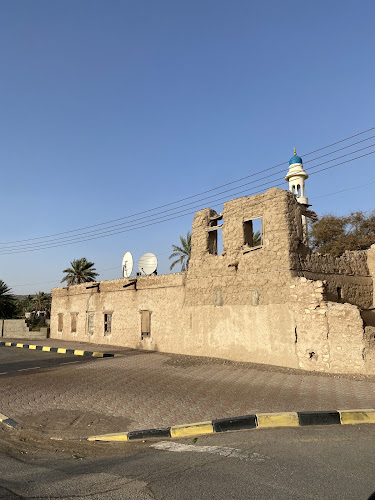
Ibri
About Ibri
Description
Ibri stands as one of Oman's most compelling yet underappreciated destinations, tucked away in the Ad Dhahirah Governorate of northwest Oman. This ancient trading hub has witnessed centuries of Arabian history unfold within its boundaries, and honestly, it's refreshing to find a place that hasn't been completely overtaken by mass tourism yet. The city serves as the administrative center of its wilayat (province), but don't let that bureaucratic designation fool you into thinking it's just another government town. Ibri pulses with authentic Omani life in ways that some of the more touristy coastal cities have lost. You'll find yourself stepping into a world where traditional souks still buzz with genuine local commerce, where the call to prayer echoes across neighborhoods filled with families who've lived here for generations, and where the pace of life allows you to actually absorb the culture around you. What strikes most visitors first is how Ibri manages to balance its role as a modern administrative center with its deep historical roots. The city has grown considerably in recent decades, yet it maintains that authentic Arabian character that makes you feel like you're experiencing the "real" Oman. And let me tell you, after visiting numerous Middle Eastern cities that have become theme park versions of themselves, finding this authenticity is genuinely special. The surrounding landscape tells its own story – you're positioned at the edge of the Rub' al Khali (Empty Quarter), one of the world's largest sand deserts, while also being close enough to the Hajar Mountains to appreciate their stark beauty. This geographical position has made Ibri a natural crossroads for centuries, which explains much about its rich cultural heritage and the warmth of its people toward travelers.Key Features
• **Ibri Fort** - A meticulously restored 17th-century fortress that showcases traditional Omani military architecture and offers panoramic views of the surrounding palm groves • **Traditional Souks** - Authentic marketplaces where locals still shop for daily necessities, spices, and handcrafted goods without the tourist markup you'll find elsewhere • **Al Sulaif Fort** - A smaller but equally impressive fortification that provides insight into the region's defensive strategies during turbulent historical periods • **Ancient Aflaj Irrigation Systems** - UNESCO-recognized water channels that demonstrate centuries-old engineering brilliance and continue functioning today • **Bat Archaeological Site** - One of the most complete settlements from the 3rd millennium BCE, featuring ancient tombs and settlement remains (located nearby) • **Date Palm Plantations** - Extensive groves that produce some of Oman's finest dates, many of which welcome visitors for tours and tastings • **Traditional Pottery Workshops** - Local artisans who maintain ancient ceramic techniques passed down through generations • **Al Dhahirah Museum** - A comprehensive collection showcasing the region's archaeological finds, traditional crafts, and cultural artifacts • **Camel Racing Track** - An active facility where you can witness this beloved Omani sport during season • **Traditional Coffee Houses** - Authentic qahwa experiences where locals gather and visitors can enjoy genuine Omani hospitalityBest Time to Visit
Timing your visit to Ibri requires some strategic thinking, and I learned this the hard way during my first trip to Oman when I underestimated just how intense the summer heat could be in the interior regions. The golden period runs from October through March, when daytime temperatures hover in the comfortable 20-28°C range (68-82°F). During these months, you can actually enjoy exploring the outdoor archaeological sites and forts without feeling like you're melting into the sand. The nights become pleasantly cool, sometimes dropping to around 15°C (59°F), which makes for perfect conditions if you're planning any camping excursions in the nearby desert areas. November and February stand out as particularly excellent months. The weather is at its most stable, with minimal rainfall and consistently comfortable temperatures. Plus, this timing coincides with various cultural festivals and events that showcase local traditions. But here's something most guidebooks won't tell you – if you can handle slightly warmer weather, April and early May offer a unique advantage. The tourist crowds haven't arrived yet for the winter season, prices for accommodations drop significantly, and you'll have a more authentic experience interacting with locals who aren't overwhelmed by visitor management. Summer months (June through September) are genuinely challenging, with temperatures regularly exceeding 45°C (113°F). However, if you're on a tight budget and don't mind spending midday hours indoors, you can find incredible deals on accommodations. Just plan your outdoor activities for very early morning or late evening hours. Winter nights can actually get quite chilly, especially in January, so pack layers. I remember one particularly crisp January evening when I was grateful for every piece of warm clothing I'd brought.How to Get There
Getting to Ibri involves some planning, but the journey itself becomes part of the adventure, especially if you're driving through Oman's diverse landscapes. **By Air and Road**: The most practical approach starts with flying into Muscat International Airport, then making the approximately 280-kilometer drive to Ibri. This route takes you through some spectacular scenery – you'll traverse the Hajar Mountains and witness the dramatic landscape transition from coastal plains to desert interior. The drive typically takes around 3.5 to 4 hours, depending on how many photo stops you make (and trust me, you'll want to make several). **Rental Car Considerations**: Renting a car in Muscat is straightforward, and having your own vehicle gives you the flexibility to explore Ibri's surroundings at your own pace. The roads are generally well-maintained, though you'll encounter some winding mountain sections that require careful attention. GPS systems work reliably, but downloading offline maps as backup never hurts. **Public Transportation**: While less convenient, bus services do connect Ibri to major Omani cities. The national bus company, Mwasalat, operates routes from Muscat, though the journey takes considerably longer than driving and limits your mobility once you arrive. **From Other UAE/GCC Countries**: If you're coming from Dubai or Abu Dhabi, the overland route through Al Ain and Buraimi offers an interesting alternative. This approach requires border crossing procedures but allows you to experience the seamless transition between UAE and Omani territories. **Local Transportation**: Within Ibri, taxis are available but not abundant. Many visitors find that arranging transportation through their accommodation works better than trying to hail cabs on the street. Some hotels and guesthouses offer shuttle services to major attractions. The key is building in extra time for your journey – not because of traffic or poor roads, but because the scenery demands frequent stops for photographs and simply to absorb the dramatic landscape changes you'll witness.Tips for Visiting
Visiting Ibri successfully requires some insider knowledge that you won't find in most travel guides, and I've learned these lessons through both personal experience and conversations with locals who've shared their insights generously. **Cultural Sensitivity and Dress**: Ibri remains a conservative community where traditional values hold strong. Dress modestly – this means long pants and covered shoulders for everyone, regardless of gender. Women should consider bringing a light scarf for entering certain cultural sites. I've found that showing this respect immediately opens doors to warmer interactions with local residents. **Language Considerations**: While Arabic is predominant, many service providers speak basic English. However, learning a few Arabic phrases goes a long way toward building rapport. "Shukran" (thank you) and "Marhaba" (hello) are universally appreciated. Don't be surprised if your attempts at Arabic are met with delighted laughter and patient correction – Omanis are genuinely pleased when visitors make the effort. **Money Matters**: Bring cash, particularly for shopping in traditional souks and paying for local transportation. While larger establishments accept cards, many authentic local experiences operate on cash-only basis. ATMs are available but not as numerous as in larger cities. **Photography Etiquette**: Always ask permission before photographing people, especially women and elderly men. Many locals are happy to pose once you've established a friendly connection, but approaching with camera raised will likely result in polite but firm refusal. Fort and archaeological site photography is generally permitted, but check for any posted restrictions. **Heat Management**: Even during cooler months, the sun can be intense. Start your outdoor explorations early – by 6 AM if possible. Carry more water than you think you'll need, and don't underestimate how quickly dehydration can occur in dry desert air. I learned this lesson during my second day exploring the archaeological sites when afternoon fatigue hit harder than expected. **Local Interaction**: Ibri's residents are known for their hospitality, but they appreciate visitors who take time for proper greetings and don't rush interactions. If someone invites you for tea or coffee, accepting (time permitting) leads to some of the most memorable travel experiences. These spontaneous cultural exchanges often provide insights no guidebook can offer. **Shopping Strategy**: The traditional souks offer genuine local products, but prices aren't fixed like in Western stores. Gentle bargaining is expected and even enjoyed by merchants. Start by offering about 70% of the quoted price and negotiate from there. But remember, these aren't luxury tourist shops – the margins are often quite thin. **Accommodation Booking**: Reserve accommodations in advance, especially during cooler months. Ibri doesn't have the hotel inventory of major tourist destinations, and the better properties fill up during peak season. Consider staying in locally-owned guesthouses when possible – they often provide more authentic experiences than international hotel chains.Key Features
- Specializes in traditional Arabian scents: oudh, bakhoor, attars
- Small, locally focused shop atmosphere
- Knowledgeable staff who can explain raw materials and blends
- Good spot to purchase authentic Omani fragrance souvenirs
- Located in central Ibri, easy to combine with local sightseeing
More Details
Updated September 14, 2025
Table of Contents
Description
Ibri stands as one of Oman’s most compelling yet underappreciated destinations, tucked away in the Ad Dhahirah Governorate of northwest Oman. This ancient trading hub has witnessed centuries of Arabian history unfold within its boundaries, and honestly, it’s refreshing to find a place that hasn’t been completely overtaken by mass tourism yet.
The city serves as the administrative center of its wilayat (province), but don’t let that bureaucratic designation fool you into thinking it’s just another government town. Ibri pulses with authentic Omani life in ways that some of the more touristy coastal cities have lost. You’ll find yourself stepping into a world where traditional souks still buzz with genuine local commerce, where the call to prayer echoes across neighborhoods filled with families who’ve lived here for generations, and where the pace of life allows you to actually absorb the culture around you.
What strikes most visitors first is how Ibri manages to balance its role as a modern administrative center with its deep historical roots. The city has grown considerably in recent decades, yet it maintains that authentic Arabian character that makes you feel like you’re experiencing the “real” Oman. And let me tell you, after visiting numerous Middle Eastern cities that have become theme park versions of themselves, finding this authenticity is genuinely special.
The surrounding landscape tells its own story – you’re positioned at the edge of the Rub’ al Khali (Empty Quarter), one of the world’s largest sand deserts, while also being close enough to the Hajar Mountains to appreciate their stark beauty. This geographical position has made Ibri a natural crossroads for centuries, which explains much about its rich cultural heritage and the warmth of its people toward travelers.
Key Features
• **Ibri Fort** – A meticulously restored 17th-century fortress that showcases traditional Omani military architecture and offers panoramic views of the surrounding palm groves
• **Traditional Souks** – Authentic marketplaces where locals still shop for daily necessities, spices, and handcrafted goods without the tourist markup you’ll find elsewhere
• **Al Sulaif Fort** – A smaller but equally impressive fortification that provides insight into the region’s defensive strategies during turbulent historical periods
• **Ancient Aflaj Irrigation Systems** – UNESCO-recognized water channels that demonstrate centuries-old engineering brilliance and continue functioning today
• **Bat Archaeological Site** – One of the most complete settlements from the 3rd millennium BCE, featuring ancient tombs and settlement remains (located nearby)
• **Date Palm Plantations** – Extensive groves that produce some of Oman’s finest dates, many of which welcome visitors for tours and tastings
• **Traditional Pottery Workshops** – Local artisans who maintain ancient ceramic techniques passed down through generations
• **Al Dhahirah Museum** – A comprehensive collection showcasing the region’s archaeological finds, traditional crafts, and cultural artifacts
• **Camel Racing Track** – An active facility where you can witness this beloved Omani sport during season
• **Traditional Coffee Houses** – Authentic qahwa experiences where locals gather and visitors can enjoy genuine Omani hospitality
Best Time to Visit
Timing your visit to Ibri requires some strategic thinking, and I learned this the hard way during my first trip to Oman when I underestimated just how intense the summer heat could be in the interior regions.
The golden period runs from October through March, when daytime temperatures hover in the comfortable 20-28°C range (68-82°F). During these months, you can actually enjoy exploring the outdoor archaeological sites and forts without feeling like you’re melting into the sand. The nights become pleasantly cool, sometimes dropping to around 15°C (59°F), which makes for perfect conditions if you’re planning any camping excursions in the nearby desert areas.
November and February stand out as particularly excellent months. The weather is at its most stable, with minimal rainfall and consistently comfortable temperatures. Plus, this timing coincides with various cultural festivals and events that showcase local traditions.
But here’s something most guidebooks won’t tell you – if you can handle slightly warmer weather, April and early May offer a unique advantage. The tourist crowds haven’t arrived yet for the winter season, prices for accommodations drop significantly, and you’ll have a more authentic experience interacting with locals who aren’t overwhelmed by visitor management.
Summer months (June through September) are genuinely challenging, with temperatures regularly exceeding 45°C (113°F). However, if you’re on a tight budget and don’t mind spending midday hours indoors, you can find incredible deals on accommodations. Just plan your outdoor activities for very early morning or late evening hours.
Winter nights can actually get quite chilly, especially in January, so pack layers. I remember one particularly crisp January evening when I was grateful for every piece of warm clothing I’d brought.
How to Get There
Getting to Ibri involves some planning, but the journey itself becomes part of the adventure, especially if you’re driving through Oman’s diverse landscapes.
**By Air and Road**: The most practical approach starts with flying into Muscat International Airport, then making the approximately 280-kilometer drive to Ibri. This route takes you through some spectacular scenery – you’ll traverse the Hajar Mountains and witness the dramatic landscape transition from coastal plains to desert interior. The drive typically takes around 3.5 to 4 hours, depending on how many photo stops you make (and trust me, you’ll want to make several).
**Rental Car Considerations**: Renting a car in Muscat is straightforward, and having your own vehicle gives you the flexibility to explore Ibri’s surroundings at your own pace. The roads are generally well-maintained, though you’ll encounter some winding mountain sections that require careful attention. GPS systems work reliably, but downloading offline maps as backup never hurts.
**Public Transportation**: While less convenient, bus services do connect Ibri to major Omani cities. The national bus company, Mwasalat, operates routes from Muscat, though the journey takes considerably longer than driving and limits your mobility once you arrive.
**From Other UAE/GCC Countries**: If you’re coming from Dubai or Abu Dhabi, the overland route through Al Ain and Buraimi offers an interesting alternative. This approach requires border crossing procedures but allows you to experience the seamless transition between UAE and Omani territories.
**Local Transportation**: Within Ibri, taxis are available but not abundant. Many visitors find that arranging transportation through their accommodation works better than trying to hail cabs on the street. Some hotels and guesthouses offer shuttle services to major attractions.
The key is building in extra time for your journey – not because of traffic or poor roads, but because the scenery demands frequent stops for photographs and simply to absorb the dramatic landscape changes you’ll witness.
Tips for Visiting
Visiting Ibri successfully requires some insider knowledge that you won’t find in most travel guides, and I’ve learned these lessons through both personal experience and conversations with locals who’ve shared their insights generously.
**Cultural Sensitivity and Dress**: Ibri remains a conservative community where traditional values hold strong. Dress modestly – this means long pants and covered shoulders for everyone, regardless of gender. Women should consider bringing a light scarf for entering certain cultural sites. I’ve found that showing this respect immediately opens doors to warmer interactions with local residents.
**Language Considerations**: While Arabic is predominant, many service providers speak basic English. However, learning a few Arabic phrases goes a long way toward building rapport. “Shukran” (thank you) and “Marhaba” (hello) are universally appreciated. Don’t be surprised if your attempts at Arabic are met with delighted laughter and patient correction – Omanis are genuinely pleased when visitors make the effort.
**Money Matters**: Bring cash, particularly for shopping in traditional souks and paying for local transportation. While larger establishments accept cards, many authentic local experiences operate on cash-only basis. ATMs are available but not as numerous as in larger cities.
**Photography Etiquette**: Always ask permission before photographing people, especially women and elderly men. Many locals are happy to pose once you’ve established a friendly connection, but approaching with camera raised will likely result in polite but firm refusal. Fort and archaeological site photography is generally permitted, but check for any posted restrictions.
**Heat Management**: Even during cooler months, the sun can be intense. Start your outdoor explorations early – by 6 AM if possible. Carry more water than you think you’ll need, and don’t underestimate how quickly dehydration can occur in dry desert air. I learned this lesson during my second day exploring the archaeological sites when afternoon fatigue hit harder than expected.
**Local Interaction**: Ibri’s residents are known for their hospitality, but they appreciate visitors who take time for proper greetings and don’t rush interactions. If someone invites you for tea or coffee, accepting (time permitting) leads to some of the most memorable travel experiences. These spontaneous cultural exchanges often provide insights no guidebook can offer.
**Shopping Strategy**: The traditional souks offer genuine local products, but prices aren’t fixed like in Western stores. Gentle bargaining is expected and even enjoyed by merchants. Start by offering about 70% of the quoted price and negotiate from there. But remember, these aren’t luxury tourist shops – the margins are often quite thin.
**Accommodation Booking**: Reserve accommodations in advance, especially during cooler months. Ibri doesn’t have the hotel inventory of major tourist destinations, and the better properties fill up during peak season. Consider staying in locally-owned guesthouses when possible – they often provide more authentic experiences than international hotel chains.
Key Highlights
- Specializes in traditional Arabian scents: oudh, bakhoor, attars
- Small, locally focused shop atmosphere
- Knowledgeable staff who can explain raw materials and blends
- Good spot to purchase authentic Omani fragrance souvenirs
- Located in central Ibri, easy to combine with local sightseeing
Location
Places to Stay Near Ibri
Find and Book a Tour
Explore More Travel Guides
No reviews found! Be the first to review!
Traveler Reviews for Ibri
There are no reviews yet. Be the first one to write one.
Have you visited Ibri? Help other travelers by sharing your review.
Nearby Attractions
You Might Also Like

Arab World Restaurant مطعم العالم العربي

Ibri Bawadi Mall

Royal Vista Hotel
Find Accommodations Nearby
Recommended Tours & Activities
Visitor Reviews
There are no reviews yet. Be the first one to write one.
Share Your Experience
Have you visited Ibri? Help other travelers by leaving a review.