

Last modified August 17, 2026
If you’re planning a trip to Japan, sorting out Shinkansen tickets can feel like stepping into a whole new universe. I’ve been that person, poking at ticket machines with a look of utter confusion, so you’re not alone.
These days, you can book Shinkansen tickets online with your phone or laptop—no more waiting in crowded station lines or wrestling with language barriers. Honestly, online booking has made life so much easier, whether you want a reserved seat or just want to hop on the next train without overthinking it.
You’ll find a bunch of platforms—JR Central, Smart EX, and a couple of others—each one making it almost as easy as buying movie tickets. I’ll show you how it works and flag the details you need, so grabbing your tickets is as smooth as the ride itself.
Key Takeaways
- Online booking saves hours and spares you from station chaos.
- Knowing ticket types and pickup steps matters.
- Official websites make booking quick, even if you’re jetlagged.
Understanding Shinkansen Ticket Types

Booking a Shinkansen ticket is a bit more involved than grabbing a subway pass. You’ll want to get familiar with the different ticket types and classes—otherwise, you might end up standing in the aisle for hours, which isn’t anyone’s idea of fun.
Basic Fare Ticket vs. Shinkansen Ticket
Here’s where I tripped up the first time: you need two tickets to ride the Shinkansen. The basic fare ticket covers your regular train travel from city to city—think of it as your entry fee from point A to point B.
Then there’s the Shinkansen ticket (sometimes called the “super express” ticket). This is the extra charge that lets you onto the bullet train. When you buy online or in a bundle, these usually show up as one ticket, but don’t be fooled—both fares are included.
Sometimes you’ll get a physical ticket for each, sometimes it’s digital, but you always pay for both parts, whether you notice or not. If you forget this, you could get stuck at the ticket gate. The station staff have seen it all, so don’t stress too much if it happens, but it’s a pain to fix on the spot.
Reserved and Non-Reserved Seat Differences
Choosing between reserved and non-reserved seats depends on your appetite for risk. A reserved seat lets you pick the exact seat and car, so you’re guaranteed somewhere to sit. That’s a lifesaver during peak times, if you’re lugging bags, or if you just like knowing where you’ll land.
With non-reserved seats, you can sit wherever you like in the designated cars, but only until they fill up. Sometimes you’ll luck out and get a great spot, especially on quieter days. Other times, you might find yourself standing, juggling a bento and your suitcase. It’s all part of the adventure, I guess.
Here’s a quick breakdown:
| Reserved Seat | Non-Reserved Seat |
|---|---|
| Guaranteed seat | First-come, first-served |
| Pick exact seat/car | Limited to specific cars |
| Slightly higher price | Often a bit cheaper |
If you hate uncertainty, go reserved. If you’re feeling spontaneous, non-reserved can be fun, but be ready to improvise.
Green Car and Gran Class Options
Japan does train luxury surprisingly well. The Green Car is basically first class: wide seats, extra legroom, usually a lot quieter. The seats are plush, there’s a little footrest, and the vibe is just more relaxed. For longer rides, I’ll splurge on Green—it’s not outrageously expensive, and sometimes you just need the break.
Gran Class is a whole different level. Full-recline seats, high-end snacks, and service that honestly feels over the top. I gave it a shot on a trip to Kanazawa—because why not?—and the seats felt like little private pods. Attendants bring drinks, and you’ll forget you’re even on a train.
Here’s how the classes stack up:
- Ordinary Car: Standard, comfy, what most people use
- Green Car: Upgraded seats, quieter, more space
- Gran Class: Premium everything, snacks, luxury, fewer seats per car
If it’s your first time, Ordinary is already a treat. But if you want to nap in style or just spoil yourself, Green or Gran Class is worth a look.
Platforms for Booking Shinkansen Tickets Online

Booking Shinkansen tickets online saves time, especially if you’re tired after a flight or just want to avoid ticket counters. There are several platforms out there, from official JR services to third-party travel apps. Payment options are better than ever, too, so it’s become a breeze for visitors.
Official JR Websites and Apps
The Smart EX app covers the Tokaido, Sanyo, and Kyushu Shinkansen lines. It’s in English, which is a relief, and it works with or without a JR Pass. After booking, you can pick up tickets at the station or just use a QR code for quick boarding.
Some routes let you link tickets with your Mobile Suica, so you just tap your phone at the gates. When it works, it feels a bit magical. If you have an eSIM data plan, setup is straightforward. The official apps also show seat maps and luggage info—not always obvious on third-party platforms.
Third-Party Booking Services
If official apps aren’t your thing, I get it. Sometimes the process feels needlessly complex. That’s where third-party sites are a lifesaver. Maybe you’re booking your whole Japan trip on a travel site, and adding Shinkansen tickets to the mix just makes sense.
Some travel sites and apps let you compare train times and prices, sometimes alongside hotels or flights. The layouts tend to be friendlier for tourists, and you might spot bundled deals.
Just watch out: these platforms don’t always support JR Pass entry, and changes can cost extra. During busy seasons—like cherry blossom time—having a few booking options can help you snag a seat. I’ve managed to grab last-minute tickets this way when the official apps were already sold out.
Supported Payment Methods
This part has gotten so much better recently. Most official and third-party sites take standard credit cards—Visa, MasterCard, and Amex. Tourist-focused sites now accept PayPal or mobile payments (Apple Pay, Google Pay), which is honestly a relief if you hate digging out foreign cards.
If you’re using Mobile Suica or another IC card, you can link your booking directly, so your phone or Suica card becomes your ticket. (I love this—no more paper tickets to lose.)
A quick warning: Japanese train booking sites can be finicky with some foreign cards. Always have a backup payment option in your digital wallet. If things get weird, try a more international-friendly travel app or travel site that accepts your card.
See Related: Places to Visit in Japan: Unmissable Destinations for Every Traveler
How to Book Shinkansen Tickets Step-by-Step
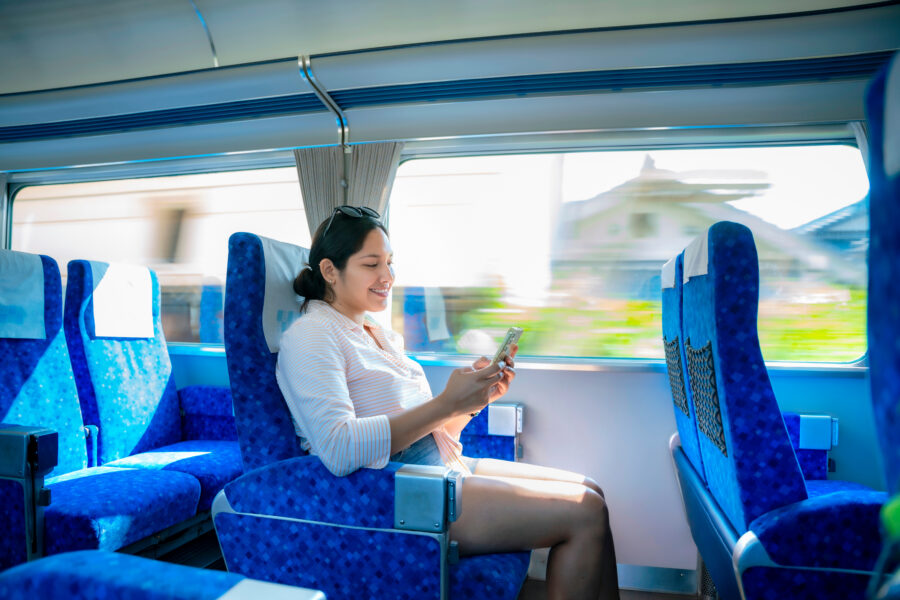
Booking a Shinkansen ticket online is pretty straightforward if you know what to expect. From checking routes to getting your e-ticket, each step is simple if you take your time.
Searching for Routes and Train Options
Start by picking a booking platform you trust. Smart EX and the JR East Train Reservation website are solid choices—they offer English support and clear steps.
After logging in or making an account, you’ll find a spot to search for your route. Enter your starting and ending points—Tokyo to Kyoto, for example. Auto-complete usually helps if you’re not sure of the exact spelling.
Most sites let you filter by train type—Nozomi, Hikari, Kodama. Nozomi is the fastest, but not all rail passes cover it, so double-check before you pick. You can also choose reserved or non-reserved seats. I always suggest reserved seats for busy routes; it just takes the stress out of things.
If you’re a planner, use the timetable view. It lists all departures, travel times, and seat availability, so you can see everything at a glance. Sometimes, a train that’s just a few minutes slower can save you money, so it’s worth exploring your options.
Selecting Departure and Arrival Stations
You’ll need to pick your exact departure and arrival stations. Not every city has just one Shinkansen stop. Tokyo, for example, has “Tokyo Station,” but also “Shinagawa,” which can be a lot more convenient depending on your hotel.
Don’t just pick the first option—check a map or ask your hotel. In Osaka, it’s “Shin-Osaka,” not “Osaka.” Double-check those names so you don’t end up on the wrong side of town with a suitcase you can barely haul (I’ve been there).
This is also when you check if you need to transfer or if the train is direct. If your route isn’t direct, your booking summary will show multiple segments. Most platforms handle this for you, but it’s good to know so you can plan for any layovers.
Choosing Travel Dates and Times
Pick your travel date. Most online systems open bookings about a month ahead, sometimes a bit less for special trains. If you’re buying in advance, make sure your plans are set—changing tickets can be a hassle.
On your chosen date, you’ll see a timetable with all available trains. Busy days—like Japanese holidays—fill up fast, especially on routes like Tokyo to Osaka. I usually aim for mid-morning or early afternoon trains; crowds tend to be lighter then.
Pay attention to departure and arrival times. Not every Shinkansen runs all day, and not all stops get every express train. Factor in your check-in times, luggage, and maybe even a meal on board. Planning around your favorite time of day can make the whole trip feel more relaxed.
Use filters if you want certain seat types, like Green Car or ordinary class. Most systems will warn you if your choice has special rules, like large luggage or booking windows.
Confirmation and E-Ticket Issuance
Once you’ve picked your train, you’ll hit a confirmation screen. Double-check everything—date, time, train, seats, stations—before you pay.
Most sites want a credit card. Payment is usually instant, and you’ll get a summary page and a booking code. Don’t close the page until you save your info! I always screenshot it, just in case.
You might get a QR code, a printable e-ticket, or the option to add details to a JR IC card (like Suica or Pasmo). With Smart EX, you can board with just your phone’s QR code. Super handy if you’re prone to losing paper tickets, like I am.
Here’s a quick checklist:
| What to Check | Details |
|---|---|
| Route | Departure and arrival stations |
| Date & Time | Correct date and preferred train |
| Ticket Type | Reserved seat, Green Car, Non-reserved |
| Payment Confirmation | Booking code or QR code received |
If you lose your code or run into trouble, support lines can help, though late-night calls may test your patience. When your trip starts, just scan your code or show your printout at the gate, and you’re off.
Major Shinkansen Lines and Train Types

Japan’s Shinkansen network spans a huge chunk of the country and makes high-speed rail travel surprisingly simple, even for first-timers. The main lines connect Tokyo with major cities, while different train types decide how fast (or local) your ride will be.
Tokaido, Sanyo, and Kyushu Shinkansen Overview
The Tokaido Shinkansen—probably the line everyone thinks of first—links Tokyo, Nagoya, Kyoto, and Osaka. You’ll run into three main train types: Nozomi (blazingly fast and skips most stops), Hikari (a solid middle ground), and Kodama (the one that stops everywhere).
I’ll never forget my first Nozomi ride: Tokyo to Osaka in under two and a half hours, munching on a bento and catching glimpses of Fuji through the window. It felt almost surreal.
Once you reach Osaka, the Sanyo Shinkansen keeps pushing west to Hakata in Fukuoka. You get the Mizuho (fastest), Sakura, and another Kodama on this stretch. When you transfer to the Kyushu Shinkansen at Hakata, you’ll head south toward Kagoshima.
Japan keeps debuting new train models, but honestly, speed and comfort are a given at this point. Blink and you might forget you’re even on rails.
| Train Type | Line | Fastest? | Key Stops |
|---|---|---|---|
| Nozomi | Tokaido/Sanyo | Yes | Tokyo, Kyoto, Osaka |
| Hikari | Tokaido/Sanyo | Medium | More stops |
| Kodama | Tokaido/Sanyo | No | Stops at all stations |
| Mizuho | Sanyo/Kyushu | Yes | Osaka to Kagoshima |
Hokuriku, Tohoku, Akita, and Hokkaido Shinkansen Routes
Heading north or west of Tokyo? The Hokuriku Shinkansen is your ticket to Kanazawa, a city that gets called “little Kyoto” for good reason—those preserved districts are something else. The Kagayaki train is the speedster here, but Hakutaka and Asama are solid choices too.
If you’re bound for the far north, the Tohoku Shinkansen stretches to Aomori. You’ll find three main types: Hayabusa (the green bullet and fastest), Yamabiko, and Nasuno.
Riding a Hayabusa at 320 km/h? There’s nothing quite like that whoosh when you pass another train, so close you can almost feel the pressure in your ears.
The Akita Shinkansen (with those sharp-looking red Komachi trains) and the Yamagata Shinkansen (Tsubasa trains) branch off into quieter towns—think rice paddies and hot springs. If you’re up for it, you can ride to Hokkaido on the new Hokkaido Shinkansen, slipping under the sea through the Seikan Tunnel.
Bring snacks for that one—the scenery is gorgeous, but the ride’s not exactly quick.
Limited Express Services
Not every corner of Japan is connected by Shinkansen, especially once you get out to the mountains or the countryside. That’s where Limited Express trains come in.
They’re not as fast, but honestly, sometimes that’s a blessing—you’ll get to see the landscape instead of just zipping past it.
Some favorites: the Hokuto in Hokkaido (between Sapporo and Hakodate), and the Aso in Kyushu (climbing up to Mount Aso). Most have reserved seating, and a few even offer panoramic windows or other quirky specialty cars.
If you’re willing to mix things up, try blending Shinkansen with limited express rides. You’ll get way more out of your trip than just sticking to the main lines.
I love the vibe on these trains. Sometimes the snack cart is just a guy with a basket, but the local flavor and the views? Worth it every time.
See Related: Why Traveling to Japan in the Off-Season is the Best Decision You’ll Make
Picking Up and Using Your Online Ticket
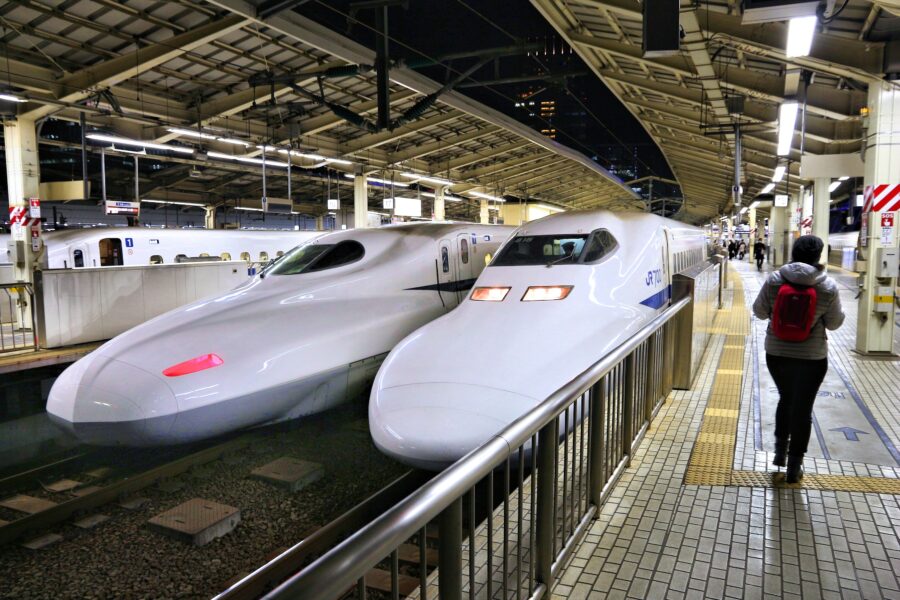
Booking a Shinkansen ticket online is just the start—how you use that ticket depends on what kind you bought and what you’ve got in your pocket. You can go all digital, hit up a ticket machine, or just grab a printed ticket at the counter.
Digital Tickets and Mobile Devices
If you’re like me and can’t stand paper tickets, digital options are a game-changer. Some Shinkansen routes now let you board ticket-free using apps like Smart EX or Mobile Suica—seriously, download one if you’ll be riding trains more than once.
Usually, you just log in, show your QR code, or tap your phone at the gate. Most apps offer English instructions, which makes things so much easier.
One tip: check your phone battery before you travel. Nothing kills the mood like a dead phone when you’re trying to get through the gates.
Some services let you link your booking to Mobile Suica or even an eSIM phone, though it’s not always smooth for foreign visitors. My iPhone handled it just fine, but Android can be hit or miss—check compatibility before you commit.
Using Ticket Vending Machines
Prefer something you can hold? I get it. Ticket vending machines are everywhere at Shinkansen stations.
They’re usually easy to spot, and most have an English menu, though sometimes finding the language button is a little scavenger hunt.
Here’s the usual drill:
- Tap the screen and pick “Pick Up Reserved Ticket.”
- Punch in your reservation info—usually a number and the phone or card you used.
- Grab your ticket and go.
Machines are reliable, but if you run into trouble, just hit the “Help” button or flag a staff member. During rush hours, lines do get long, so if you want peace, aim for early or late in the day.
Collecting Paper Tickets at Stations
Sometimes machines just won’t cooperate, or maybe your booking’s a bit odd. When that happens, just head to the JR Ticket Office, called “Midori no Madoguchi.” Look for the green signs near the Shinkansen gates.
Show your confirmation email or reservation number to the staff. In my experience, they’re used to helping English speakers, and the process is painless.
I once lost my reservation code, and the staff patiently checked a bunch of numbers until we found the right one.
If you’re picking up for a group or want special seating, mention it right away. They’ll sort your seat preferences and print everything you need.
Just don’t wait until the last minute, especially at big stations like Tokyo or Shin-Osaka. Lines can be brutal, and navigating the station can take way longer than you expect.
Important Tips for a Smooth Shinkansen Booking
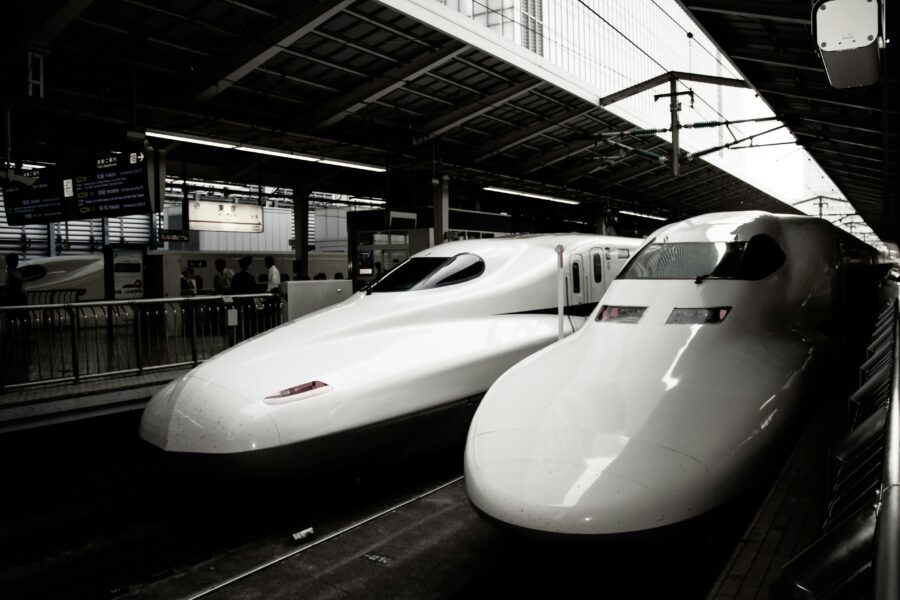
Booking Shinkansen tickets isn’t rocket science, but a few details can trip you up if you’re not careful. Timing, luggage rules, and making sure your JR Pass actually works on your route—these are worth a closer look.
Advance Booking Windows and Availability
Shinkansen reservations usually open up one month (30 days) before travel. If you’re aiming for cherry blossom season or a Japanese holiday, seats do sell out.
I’ve missed a train or two by procrastinating—lesson learned. Set a reminder or mark your calendar for the day reservations open.
Some booking sites (JR East, JR Central, etc.) let you reserve from outside Japan. You’ll need your travel dates, route, and a valid credit card.
English sites sometimes lag behind Japanese ones for updates, so if you’ve got a friend who reads Japanese, maybe ask them for help.
If your dream train is full, try a different time or even a nearby station. Sometimes, just shifting by 30 minutes opens up seats.
Luggage Regulations and Oversized Baggage
This one catches a lot of travelers off guard. If your suitcase adds up to more than 160 cm (height + width + depth), you now need to reserve an “oversized baggage seat” on most Shinkansen.
These seats sit at the back of each car, and there aren’t many per train. They’re free to reserve, but they do go fast during busy seasons or on popular routes.
If you forget, you could end up awkwardly blocking the aisle with your giant bag (been there, sweated through it—don’t recommend). When booking, look for the baggage option and add it if you need to.
Traveling light? Backpacks and carry-ons are fine. If you’re borderline, coin lockers at stations are a lifesaver and can spare you a lot of hassle.
JR Pass Usage and Restrictions
Traveling with a Japan Rail Pass (JR Pass)? You can reserve most Shinkansen seats online, but not every train is included. Nozomi and Mizuho (the fastest ones) don’t accept the regular JR Pass, so double-check before you get excited.
It’s easy to reserve JR Pass seats online, but you’ll need your pass voucher or number handy. I’ve seen people try to board without a physical pass, and staff don’t make exceptions. Always have your paper pass with you.
Reserved seats are free for JR Pass holders—use them! Unreserved cars can be packed, especially during rush hour.
You can usually change or cancel a JR Pass reservation online without penalty, as long as you do it before the train leaves. Don’t be afraid to tweak your plans if something interesting pops up along the way.
See Related: The Ultimate Travel Guide to Hokkaido – Japan’s Northern Paradise
Frequently Asked Questions
Booking Shinkansen tickets online is way easier than it used to be, but the process can still feel overwhelming if it’s your first time. There are different ways to book, plus seat choices, price checks, and a few quirks depending on the platform.
What steps are involved in purchasing Shinkansen tickets through an official website?
You’ll start by creating an account on an official Shinkansen site like Smart EX. Pick your travel date and route, select your train and seat, then pay with a credit card.u003cbru003eAfter payment, you’ll get a QR code or confirmation email—hang on to that, you’ll need it to board.u003cbru003eu003cbru003eI remember worrying about language barriers my first time, but most platforms walk you through it in English step by step.
Are there any advantages to buying Shinkansen tickets in advance, and how can they be done?
Booking early means you get better seats, especially during u003ca href=u0022https://www.realjourneytravels.com/japan-off-season-travel/u0022u003ebusy seasonsu003c/au003e like New Year or Golden Week. You’ll avoid the stress of sold-out trains and can skip station lines.u003cbru003eu003cbru003eJust use official websites or apps to book weeks ahead. If you’re a planner (like me), it’s a huge relief to have it sorted before you even land.
What are the options for foreign tourists to book Shinkansen tickets online?
Foreign travelers have a few good options. Official sites like Smart EX or JR East’s u0022Train Reservationu0022 take international cards and offer English menus.u003cbru003eu003cbru003eSome travel platforms let you bundle activities with tickets, which can be handy.u003cbru003eIf you get stuck, don’t hesitate to email support—I’ve always gotten a quick response.
How do ticket prices vary for the Shinkansen, and where can I find accurate pricing information?
Prices depend on your train type (Nozomi, Hikari, Kodama), distance, and whether you pick a reserved, non-reserved, or Green Car seat.u003cbru003eu003cbru003eCheck the official reservation sites or their fare calculators for up-to-date prices.u003cbru003ePrices don’t swing wildly, but Green Car upgrades can sneak up on you if you’re not watching your seat choices.
Can you book Shinkansen tickets using travel apps like Klook, and how does that process work?
You can snag Shinkansen tickets with travel apps like Klook, plus a few other booking sites out there. These apps let you search for routes and pay with international cards, which is a lifesaver if you’re not keen on figuring things out in Japanese at the station.u003cbru003eu003cbru003eAfter you book, they’ll usually send you a voucher that you exchange for an actual ticket at a JR station. Sometimes, you even get a QR code instead, making the whole thing a bit more streamlined.u003cbru003eu003cbru003eIf you’re like me and prefer to get everything sorted in one sitting, you can bundle guided tours or day trips with your train fare. Honestly, it’s made planning my trips to Japan way less stressful, especially when you want to maximize your time and avoid those confusing ticket machines.
Is it possible to reserve seats on the Tokaido Shinkansen online, and what are the instructions to do so?
You can book seats online for the Tokaido Shinkansen—the iconic line connecting Tokyo, Nagoya, Kyoto, and Osaka.u003cbru003eu003cbru003eI recommend using the Smart EX site or app. First, sign in or register (the process is straightforward, though you might need to fiddle with a few details if it’s your first time).u003cbru003eu003cbru003eChoose your departure and arrival stations, then select your date and time. You’ll get to pick your favorite seat—window, aisle, or even a spot near the luggage area if you’ve got big bags.u003cbru003eu003cbru003eOnce you confirm and pay, they’ll send you a QR code or a booking number. At the station, just scan your code at the Shinkansen gates.u003cbru003eu003cbru003eIf you’re like me and sometimes want a paper ticket for the nostalgia (or as a backup), you can grab one from a ticket machine. Don’t overlook this—it’s surprisingly satisfying to hold that ticket in your hand!