
How to Book Flights for a Family Emergency or Bereavement
Updated November 22, 2025
You never expect it will happen to you. One traveler described receiving news that their mother had been killed in an accident, leaving them scrambling to book a $600 flight from Austin to San Francisco on a tight budget. In the midst of grief and panic, figuring out how to get there in time feels overwhelming.
Whether you’re rushing to say goodbye to a dying relative or arranging last-minute travel for a funeral, this guide provides practical steps to help you navigate emergency travel with clarity and real-world strategies from people who’ve been through it.
The emotional toll and urgency of flying for a family emergency requires both compassion and practical planning.
Table of Contents
- Getting there: Booking last-minute emergency flights
- Check which airlines offer bereavement fares
- Compare regular last-minute prices first
- Contact the airline’s reservations desk
- Ask about waiving or reducing fees
- Reserve the flight and hold it (if possible)
- Prepare to provide proof of emergency
- Leverage loyalty and rewards if you can
- Can you book discounted flights for a family emergency?
- The reality about bereavement savings
- What you can do to find cheaper flights
- Understanding bereavement fares: Myths vs. reality
- Best time to book and travel
- Book as early as you can
- Aim for mid-week flights or off-peak hours
- Watch out for holidays or big events
- Open return tickets when you don’t know the return date
- Local tips and insights from travelers
- Look at all nearby airports and cities
- Budget airlines and passes
- Travel agents can help
- Use credit card concierge services
- Be wary of scams
- Lean on community resources
- At the airport—speak up
- Self-care and preparedness
- Airline bereavement policies and contacts
- Delta Air Lines
- Alaska Airlines
- Air Canada
- WestJet (Canada)
- Hawaiian Airlines
- United Airlines
- American Airlines
- Southwest Airlines
- JetBlue
- Lufthansa
- Additional resources
- Emergency flight booking checklist
- Book Your Dream Experience
- More Travel Guides
Getting there: Booking last-minute emergency flights

Booking a last-minute flight due to a death or critical illness differs significantly from planning vacation travel. “Bereavement fares”—special discounted tickets for grieving travelers—exist on some airlines, but they aren’t a solution for high prices. You might pay as much or more than a regular ticket, so approach this step-by-step, balancing speed with cost-efficiency.
Check which airlines offer bereavement fares

Not all airlines provide emergency or bereavement discounts. In 2025, major carriers like Delta Air Lines and Alaska Airlines still offer bereavement fares (typically around 10% off full-fare tickets). Air Canada, WestJet, Hawaiian Airlines, and Lufthansa maintain similar policies.
American Airlines and Southwest do not offer bereavement discounts, and United Airlines discontinued theirs in 2014. If your travel involves these airlines, don’t expect a special fare—but they may offer other assistance. United, for example, will refund change fees if you submit proof of a family death.
Compare regular last-minute prices first

Start by searching online for standard airfares before calling about a bereavement ticket. Travelers consistently report that bereavement fares often aren’t the cheapest option.
These special fares typically discount the full “flexible” fare (expensive, refundable tickets business travelers buy). A 10–25% discount on a full fare can still cost more than a restricted basic economy ticket you find online.
One person noted: “Bereavement fares are typically not the cheapest option…basic economy will be what you want if money is all that matters.”
Do a quick price check on Google Flights or an airline’s website for your route and travel dates. Write down the cheapest fare and routing, even if it’s not ideal (connections, odd hours). This gives you a baseline when you later speak to an agent.
Contact the airline’s reservations desk

Bereavement fares aren’t bookable online—you must call the airline (or in some cases, use online chat). When you reach an agent, explain that you have a death or family emergency and ask if a bereavement fare is available.
Provide your ideal flights from the search you did and ask the agent to compare: “Is the bereavement fare lower than the price I’m seeing online for these dates?”
Prepare for the answer to be “no.” Agents have advised travelers that a regular sale fare might beat the bereavement fare. Still, asking costs nothing—at best, you get a small discount and flexible terms; at worst, you’ve confirmed the lowest price.
If on hold too long or facing a slow process, consider whether the time lost justifies the savings. One traveler recalled spending hours with multiple airlines’ agents, only to realize they were wasting precious time and bought a ticket online instead.
Ask about waiving or reducing fees
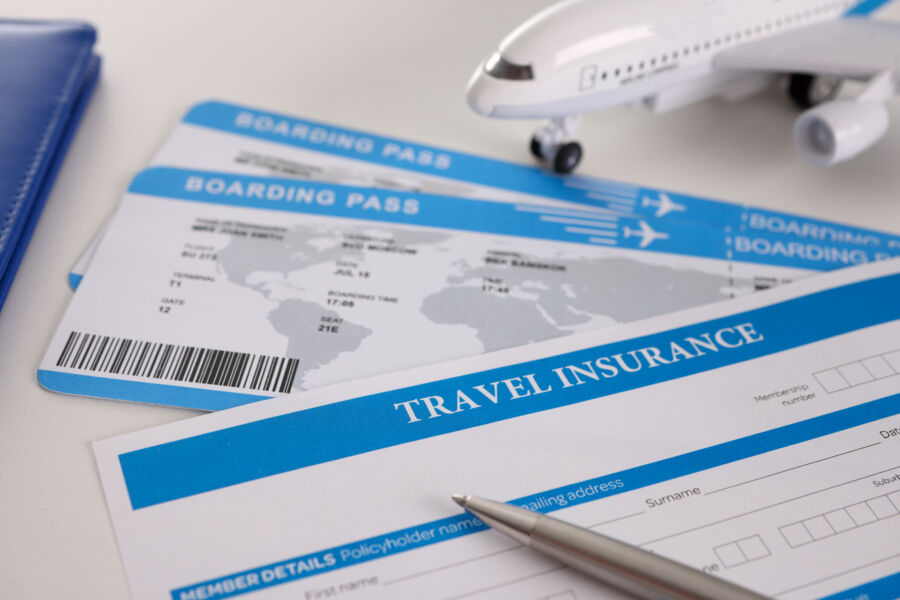
Even if the ticket price doesn’t drop much, mention your situation and ask if any fees can be waived. Some airlines that do not offer formal bereavement fares may still waive change or cancellation fees in the event of a family emergency.
JetBlue doesn’t offer a bereavement discount, but may provide a credit or waive change fees in such cases. If you’ve already purchased a ticket and your plans suddenly change due to a death in the family, call the airline—you may get a refund or fee waiver by submitting documentation after the fact.
Communicate your needs clearly and ask for compassion—many agents will do what they can within their rules.
Reserve the flight and hold it (if possible)

Once you find a suitable flight (bereavement fare or regular), see if the airline can hold a reservation for 24 hours while you confirm logistics. Not all will do this, but some might allow a courtesy hold, especially if you mention needing to coordinate with family.
If no hold is allowed, ensure everything is correct before you pay—name spellings, travel dates, airports—since you’re booking on short notice.
Prepare to provide proof of emergency

Airlines with bereavement fares require proof that your situation is genuine. During booking or shortly after, you may be asked for the deceased or critically ill person’s name, your relationship, and contact info for the hospital or funeral home.
Within a limited timeframe (often 7-14 days), you’ll likely need to submit a death certificate, obituary, or a letter from a doctor/hospital as documentation. Airlines understand that you might not have a death certificate immediately—some will accept documentation after travel or permit an obituary as initial proof.
One traveler noted: “They were asking for death certificates, doctor’s notes, etc., which obviously you’re not going to have if they just passed away. It’s a total bureaucratic mess.”
If obtaining proof is burdensome, explain this to the airline and ask what alternatives they’ll accept. Carry a copy of whatever proof you have when you travel, as you might need to show it at the airport or submit it online for reimbursement later.
Leverage loyalty and rewards if you can

If you have frequent flyer miles or credit card points, this might be the moment to use them. Last-minute award availability can be hit or miss, but some airlines open up seats for standard (higher mileage) awards close to departure.
One strategy from experienced travelers: use miles to book a first or business class seat if available, so you have a more comfortable trip during a tough time. If you’re sitting on credit card points (like Chase Ultimate Rewards or Amex Membership Rewards), check their travel portals or transfer partners for any last-minute seats. The cost in points might be high, but it can soften the financial blow.
Can you book discounted flights for a family emergency?

Yes, but “discounted” is relative. Some airlines still offer bereavement fares—modest discounts or flexible tickets for emergency travel. Alaska Airlines gives 10% off flights within 7 days of a family member’s death, and Delta offers discounts on many routes (you must be a SkyMiles member and call to book).
Hawaiian Airlines provides a special inter-island fare if a loved one is hospitalized or deceased, with travel within 48 hours and refunds the difference after proof is submitted. WestJet in Canada has a compassionate policy (including for funerals of military or first responders), though there’s no preset percentage—you have to call and see what fare they offer.
These “discounts” generally range from 5% up to about 25% off a full fare, depending on the airline and route. However, because last-minute full fares are very expensive, a bereavement fare might still cost $500 instead of $550. It’s savings, but not a miracle.
Many airlines no longer offer bereavement pricing at all. United, American, Southwest, British Airways—they’ve eliminated those special fares, instead focusing on keeping everyday fares low or waiving fees case-by-case.
The reality about bereavement savings

A common myth suggests airlines will deeply slash prices if you have a funeral to attend. The reality: you’re more likely to get flexibility than a huge discount. Bereavement tickets often allow free changes or cancellations, which proves valuable if your plans are uncertain.
For example, if you’re not sure how long you’ll need to stay, a bereavement fare might let you return on a different date without penalty. That flexibility comes “at a fraction of the regular full fare price” for flexible tickets, which is a genuine perk. But purely in dollars spent, don’t expect 50% off the cheapest online price in most cases.
What you can do to find cheaper flights

Aside from checking bereavement fares, look at budget airlines and nearby airports. If you’re in the U.S., airlines like Spirit, Frontier, Southwest, or Allegiant might have a seat for much less than the big carriers—but be mindful of baggage fees and that these tickets are usually non-changeable.
Recent data from 2025 shows that budget carriers continue to offer competitive last-minute pricing. Spirit and Frontier consistently provide some of the cheapest last-minute domestic flights, with fares occasionally as low as $25-40 on select routes.
Also, search surrounding airports—both your origin and destination. If you can drive an extra hour or two, you might find significantly lower fares from an alternate city. Someone flying to the Bay Area found that flying into Oakland or San Jose instead of SFO saved money, and that San Antonio had cheaper flights than nearby Austin.
In a pinch, consider a one-way car rental or bus for part of the journey if that opens up flight options. The key is flexibility and creativity while time-shopping—use any route, any airline that gets you there when needed.
See Related: AI Flight Search vs Travel Agents: Which Offers Better Deals?
Understanding bereavement fares: Myths vs. reality

When a loved one dies, many of us recall the old idea of “bereavement fares” and assume airlines will take pity and give us a great deal. Let’s clear up the myths:
- Myth: “Airline bereavement fares are really cheap—they’re meant to help grieving families.”
- Reality: Bereavement fares are usually only slightly cheaper than full fares, and full fares are pricey. Airlines might knock ~10–20% off an unrestricted ticket. Years ago, when tickets had Saturday-night stay rules and last-minute “business” fares were exorbitant, a 20% bereavement discount really helped. Today, with competitive pricing and online travel agencies, a bereavement fare can easily be more expensive than a regular advanced-purchase fare on the same flight.
Delta’s policy quietly notes that customers should “shop around to ensure they have the most cost-effective fare,” even with the bereavement option. Always double-check.
- Myth: “All airlines will help you if you have a death in the family.”
- Reality: Only a handful of airlines have formal bereavement programs. Many do not offer any discount. However, even those without published policies might still show compassion in other ways. Southwest’s philosophy is that their standard fares are low anyway, but their reps might assist you in finding the lowest short-notice fare and allow flexibility.
American Airlines similarly has no bereavement tickets; instead, they offer refundable fares if you anticipate changes. In practice, many airline agents will try to help on a case-by-case basis—they might expedite your booking, waive a bag fee, or put you on standby on a sold-out flight. Just don’t expect an outright discount if it’s not in their policy.
- Myth: “You can book bereavement fares online like any other ticket.”
- Reality: Bereavement fares require contacting the airline directly. You typically must call (some airlines allow live chat or messaging). The process isn’t instantaneous—the agent might need to get a supervisor’s approval or enter information about your relationship to the deceased.
During busy periods, phone waits can be long, which adds stress when you need to travel immediately. A pro-tip shared on forums: book the best fare you find online, then call the airline to see if they can adjust it to a bereavement fare retroactively—that way you secure a seat and price, and you can always cancel within 24 hours if a better solution arises.
- Myth: “Airlines require an original death certificate immediately to grant the fare.”
- Reality: They do require proof, but not always immediately and not always a certificate. You can often book the travel while promising to send the documents later (most airlines give you a window, like 7 days after travel).
The exact proof varies: some accept an obituary or funeral service program, or a letter from a hospice for imminent deaths. If surnames differ or the relationship isn’t obvious, you might also need to show proof of relationship (a birth certificate or marriage license)—this prevents misuse. Ask the agent exactly what you’ll need to provide and by when. Keep copies of what you submit, just in case.
Best time to book and travel

In a true emergency, you often don’t have the luxury to choose when to fly—you go as soon as humanly possible. But if there’s any wiggle room in timing, it can make a big difference in cost and convenience.
Book as early as you can

Once you know you need to travel, start looking and book. Airfares for same-day or next-day flights can fluctuate hour by hour as flights fill up. There is no “late deal” for emergencies—prices generally go up closer to departure, or flights sell out.
Even if you’re waiting on details (like funeral scheduling), consider booking a flexible ticket immediately and adjusting later. Many bereavement fares allow you to change dates without fees. If you buy a regular ticket, remember U.S. airlines let you cancel for a full refund within 24 hours of booking (if the flight is at least 7 days away)—useful if your plans firm up or you find a better fare.
Aim for mid-week flights or off-peak hours

If your timing is somewhat flexible (flying in for a funeral that’s in a few days, or visiting a dying relative who has some time), know that Tuesdays, Wednesdays, and Saturdays tend to be cheaper travel days. A flight on a Friday or Sunday will cost a premium because of business and leisure demand.
Likewise, early morning or late-night (“red-eye”) flights might be less in demand and slightly cheaper. It’s not a huge difference, but if you’re watching every dollar, a 6 AM or red-eye flight could save money and be more likely to have seats open.
Watch out for holidays or big events

If the family emergency happens to coincide with a major holiday period or events (Thanksgiving week, Christmas, a big sports event in the city you’re flying to), availability might be the bigger issue than price. Flights could be sold out.
Notify the airline of the nature of your emergency—occasionally they can override and sell you a seat or stand-by even if it was blocked. Airlines may also waive the rule that you can’t use bereavement fares on fully booked flights by making an exception.
Open return tickets when you don’t know the return date

Many bereavement policies allow some flexibility on the return. Alaska’s bereavement fare lets you stay up to 30 days. If you’re unsure how long you’ll need (common if you’re caring for affairs after a death), ask about an open return or a ticket that you can change without a fee.
In some cases, it might be better to book a one-way ticket to get there, and sort out the return once you know more—particularly if the airline will waive change fees on the return portion later.
Local tips and insights from travelers

Every situation is unique, but learning from others who have gone through emergency travel can provide ingenious tips.
Look at all nearby airports and cities

Expanding your search radius can uncover options. If you need to get to a smaller town, check flights to the nearest major city and then drive. One traveler advised someone flying to the Bay Area to “check all the Bay Area airports—SJC, OAK, SFO” and even suggested considering Dallas or Houston (a bus ride from Austin) for better deals on cross-country flights.
In Europe or other regions, look at flights to neighboring countries if necessary and connect by train or bus. If a direct flight is $1,000 and an alternate route is $300 plus a 3-hour drive, it might be worthwhile when money is tight.
Budget airlines and passes
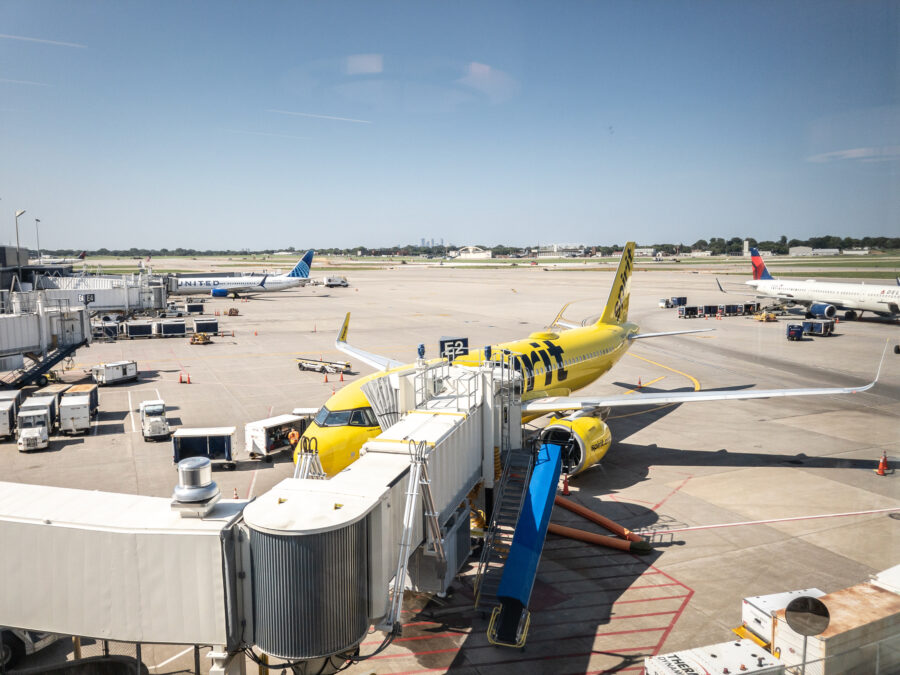
Don’t dismiss budget carriers. While they have a reputation for fees and less comfort, in an emergency your priority is getting there. Airlines like Spirit, Frontier, Allegiant in the U.S., or Ryanair and EasyJet in Europe, often have last-minute seats.
One traveler shared that they used Frontier’s last-minute fare pass and found a $25 flight for the next day—”not the best or most comfortable, but cheap for sure.” If using a budget airline, pack light to avoid baggage fees (a simple carry-on), and be prepared for potential delays.
Travel agents can help

In the age of online booking, calling a travel agent might seem old-school, but a good travel agent can be a lifesaver in complicated emergency trips. They have access to consolidator fares and can hold seats longer than consumers can.
An agent can also handle the comparisons for you while you focus on family. If you have a corporate travel agent (through work), see if they can issue a ticket on short notice—companies often have flexible ticket contracts that could be cheaper.
Use credit card concierge services

If you have a premium credit card (Amex Platinum, Chase Sapphire Reserve, etc.), remember that many offer 24/7 travel concierge services. In a stressful time, you can call your card’s concierge, explain the emergency, and have them research flights or even book for you using your points or credit.
They may also help with arrangements like booking a hotel or rental car at your destination if you’re in a hurry. While they won’t have magic discounts beyond your card benefits, it offloads the task from you.
Be wary of scams

When you’re desperate for a flight, you’re a potential target for scammy websites or fake travel agents. Stick to reputable sources: the airline’s official site/phone, well-known online travel agencies (Expedia, Kayak, etc.), or legitimate travel agencies.
Don’t trust unsolicited calls or social media messages offering “special emergency deals.” Always double-check that you’re dialing the real airline (from their official site) and that any payment link is secure. Avoid pay-by-wire or gift card schemes—airlines and real agents won’t ask for that.
Lean on community resources

If the emergency is causing financial strain, note that there are some charities and programs that can assist. Give A Mile is a nonprofit that uses donated frequent flyer miles to provide flights for people to visit terminally ill loved ones (they focus on end-of-life visits rather than funerals, and primarily for flights originating in North America).
While not a guarantee, it’s an option for those in dire need. Additionally, some employers have compassionate travel benefits, or local organizations (churches, community groups) might fundraise to help a family in need get to a funeral.
At the airport—speak up

Once you’re at the airport, if you’re emotionally distraught or cutting it close time-wise, politely inform the staff about why you’re traveling. Many airline employees, upon learning you’re flying for a funeral or critical illness, will try to expedite things—perhaps escort you through security, get you priority boarding, or simply show extra kindness.
If you have a moment, visit the airline’s lounge desk—even if you’re not a member—and explain your situation; they might give you a day pass to wait in a quieter space, especially if you have a long layover due to limited flight options.
Self-care and preparedness

Pack some essentials in your carry-on: a change of clothes appropriate for a funeral, any necessary medications, phone charger, snacks, and tissues. This way, if baggage is delayed or lost, you’re not stuck.
Also, prepare for the emotional impact: long flights give a lot of time to think. Download some calming music or something to distract you (a podcast, perhaps) if you need a mental break during transit. Remember to hydrate and try to rest; you want to be as composed as possible when you reunite with family at your destination.
Even on urgent, difficult journeys, a quiet moment of reflection can offer peace.
See Related: Long-Haul Flight Essentials: Must-Have Items for Ultimate Comfort
Airline bereavement policies and contacts

While no map can chart the personal journey of loss, we’ve compiled a quick-reference guide of resources and contacts to help you secure travel in a family emergency. Below are airlines that offer bereavement or emergency accommodations.
Always call to verify the current policy before booking.
Delta Air Lines

Bereavement fare available for immediate family (death or imminent death). Must be a SkyMiles member (free to join).
- How to book: Call Delta Reservations at 800-221-1212 (U.S. domestic) or 800-241-4141 (international).
- Documentation: A Death certificate or a hospital letter may be required. Discount amount varies; flexible ticket with no change fees.
Alaska Airlines

Offers 10% off published fares for deaths in the immediate family. Must travel within 7 days of the death (Mileage Plan membership required).
- How to book: Call 1-800-252-7522.
- Documentation: Will need to provide documentation like a death certificate or funeral service info.
Air Canada

Bereavement fares for immediate family travel within 10 days.
- How to book: Call Air Canada Reservations (general line 1-888-247-2262 in North America).
- Documentation: Proof, like a death certificate or hospital note, is required. No refunds for past travel; trip can’t exceed 60 days.
WestJet (Canada)

Compassionate fare for death/critical illness in family, or line-of-duty funerals. Must complete travel within 14 days.
- How to book: Call 1-888-937-8538.
- Documentation: Requires proof (death certificate, etc.). No set percentage off; case-by-case pricing.
Hawaiian Airlines

“Neighbor Island Emergency Travel” fare for inter-island travel in Hawaii (death or critical illness of immediate family). Must travel within 48 hours.
- How to book: Call 1-800-367-5320.
- Process: You pay the regular fare, then after travel, submit proof (like a death certificate) via a form for a partial refund to match their special fare.
United Airlines

No bereavement discount since 2014. Instead, United will refund change fees for existing tickets in a family emergency (submit a refund request online with documentation).
- Contact: 1-800-864-8331 for assistance; explain your situation—a compassionate agent might help find the lowest available fare or options.
American Airlines

No bereavement fares offered. AA’s guidance is to purchase refundable tickets if flexibility is needed. They may have special consideration for military families.
- Contact: 1-800-433-7300; inform the agent of your emergency and ask about any “unrestricted” fares or accommodations.
Southwest Airlines

No bereavement fares (philosophy is low fares for everyone). They do offer free flight changes for all customers (no change fees ever), which indirectly helps—if you need to adjust your flight due to an emergency, you only pay any fare difference.
- Contact: 1-800-435-9792; agents can assist in finding the cheapest routing.
JetBlue

No formal discount, but will work with customers on emergency changes. They often waive cancellation or change fees in bereavement cases.
- Contact: 1-800-JETBLUE (538-2583) or use online chat. Mention if you need to cancel a trip because of a family death—you may get a credit for future travel.
Lufthansa

Offers bereavement fares for international travel with specific eligibility requirements.
- Contact: Check Lufthansa’s website or call their reservations line for current policies.
See Related: How to Find Inaugural Flight Deals: Insider Tips & Hot Offers
Additional resources

Give A Mile (giveamile.org): A nonprofit that provides free flights to those who need to visit a terminally ill loved one (through donated frequent flyer miles).
Note: They do not cover travel for funerals, but if you have a family member in ICU or in hospice and cannot afford a flight, you can apply for a compassionate flight on their website. They require some documentation and have a review process, and flights must start or end in the U.S. or Canada.
Credit card travel insurance: Check if your credit card includes trip interruption or cancellation insurance. Some premium cards reimburse costs if you miss a trip or have to fly home early due to a family member’s death or illness. Policies vary, so call your card’s benefit services for details and claims.
Travel insurance policy: If you purchased travel insurance for a trip, see if “covered reasons” include family member death—many do, meaning you could get reimbursed for last-minute airfare to return home or to travel for a funeral.
Airline lounge access programs: During layovers or if you arrive early, a quiet space can help. If you have lounge membership (or credit card lounge access), use it.
If not, consider buying a day pass. Delta, United, and American sell day passes to their lounges (around $59)—it might be worth it to have a comfortable, private place to collect yourself between flights.
U.S. TSA helpful info: TSA has a program for assisting travelers with special circumstances. If you have a situation (like you’re transporting cremated remains, which have special rules, or you’re just emotionally distressed), you can reach out to TSA Cares at 1-855-787-2227 before your flight. They can’t get you through security faster for a funeral, but they can advise on carrying sensitive items and may coordinate assistance at the checkpoint.
Internal support: Don’t overlook reaching out to your employer (if you’re working) or school if you’re a student. Many workplaces have bereavement leave, and some may even pay for or arrange travel for the funerals of immediate family.
Ask HR about any travel assistance or at least schedule flexibility. Some schools and universities have funds or alumni networks that can help students get home in a family crisis.
Emergency flight booking checklist

When you’re dealing with an emergency, it’s hard to think straight. Use this quick checklist to make sure you’ve covered all bases in booking your flight:
- Notify family or relevant contacts that you are arranging travel (so they hold off scheduling any services or know you’re coming)
- List all possible airports (departure and arrival) you could use. Check distances and transport from alternate airports
- Search online for baseline fare: Note the best regular price you find (dates, times, airline, price)
- Call the airline for bereavement fare: Ask for both the bereavement rate and the cheapest available rate. Write down what they offer
- Ask about flexibility: Can you change the return date without a fee? Any bag fee waivers? Take notes
- Book the best option: Whether it’s bereavement fare or regular, book the flight that meets your needs (time vs. cost). Use airline credit or points if it saves significant money
- Record confirmation details: Write down your reservation code, flight times, and airline phone number. Keep this info handy
- Prepare documentation: Pack copies (or clear photos on your phone) of the death certificate, doctor’s note, obituary, etc. Don’t forget proof of relationship if needed (marriage/birth certificates for different last names)
- Pack essentials in carry-on: ID/passport, wallet, phone + charger, medications, glasses, one set of funeral attire or clothes, toiletries (3-1-1 compliant), and any important papers. This avoids disaster if luggage is delayed
- ☑ Arrange ground transportation: Consider how you’ll get to the airport (parking or ride share) and from the arrival airport to your final location. In emergencies, it might be okay to ask a friend or relative for a pickup if it saves time
- Contact hotels or accommodation: If you need a place to stay, try to reserve in advance—mention you’re coming for a funeral; sometimes hotels offer bereavement rates too
- Secure home front: If you’re leaving home abruptly, ensure pets are cared for, your boss knows you’ll be out (a quick email if you can), and neighbors know you’re away (for any package pickups, etc.). This peace of mind will help you focus on what’s important
- Double-check travel day plan: On the day of travel, get to the airport early—rushing will only add stress. Keep the airline’s phone number handy in case you need to rebook or there’s a delay
- Bring a printed copy of arrangements: If you have a funeral announcement or hospital letter, having a printed copy can sometimes smooth things like last-minute ticket changes or explaining to TSA why you have an urn (if applicable)
Remember to breathe. Traveling under heartbreak is one of the toughest experiences. Take it one step at a time—book the flight, get there safely, and know that you are doing the best you can in a hard moment.
Safe travels, and our sincere condolences on your loss.
— The RealJourneyTravels Team