Hostel vs Capsule Hotel: 7 Key Differences Every Traveler Must Know
Updated November 5, 2025
If you’re planning a trip and want to keep costs down, you’ve probably checked out both hostels and capsule hotels. Both options claim to be budget-friendly stays, but honestly, the vibe couldn’t be more different.
Hostels throw you into shared spaces and a social scene, while capsule hotels give you a private pod to crash in—without the hit to your wallet that comes with a full hotel room. I’ve crashed in both, all over Japan and Asia, and, honestly, your choice usually comes down to how much privacy you crave and how you prefer to spend your downtime.
In a hostel, you might find yourself swapping stories over breakfast with someone from halfway across the world. But in a capsule hotel, you’ll probably just curl up in your pod after a long day and zone out in peace.
Key Takeaways
- Hostels are all about shared spaces and meeting people
- Capsule hotels give you privacy in a compact pod
- Your best pick totally depends on your travel style and what makes you comfortable
Hostel vs Capsule Hotel: Core Differences
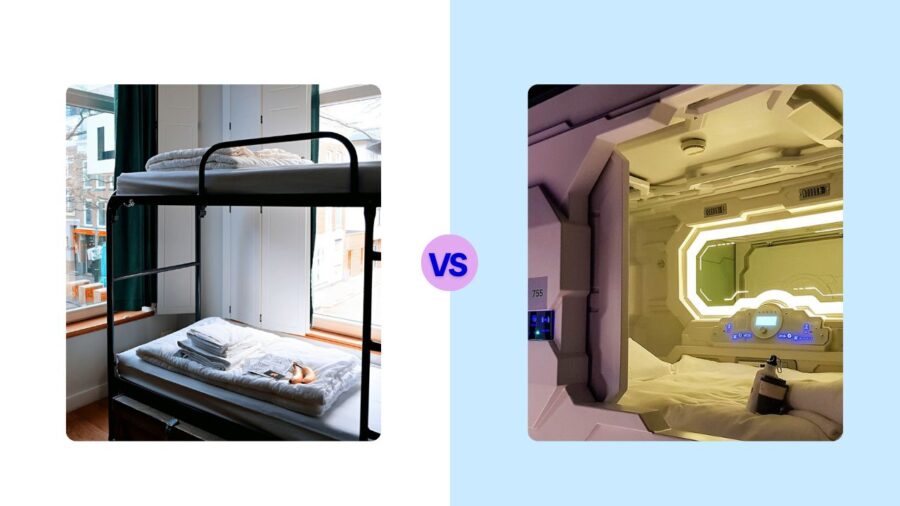
Hostels and capsule hotels both help you save money, but they do it in pretty different ways. Hostels lean into shared living, while capsule hotels focus on tiny, personal space. You’ll notice the differences in everything from how you sleep to where you stash your gear and how you meet other travelers.
Accommodation Style
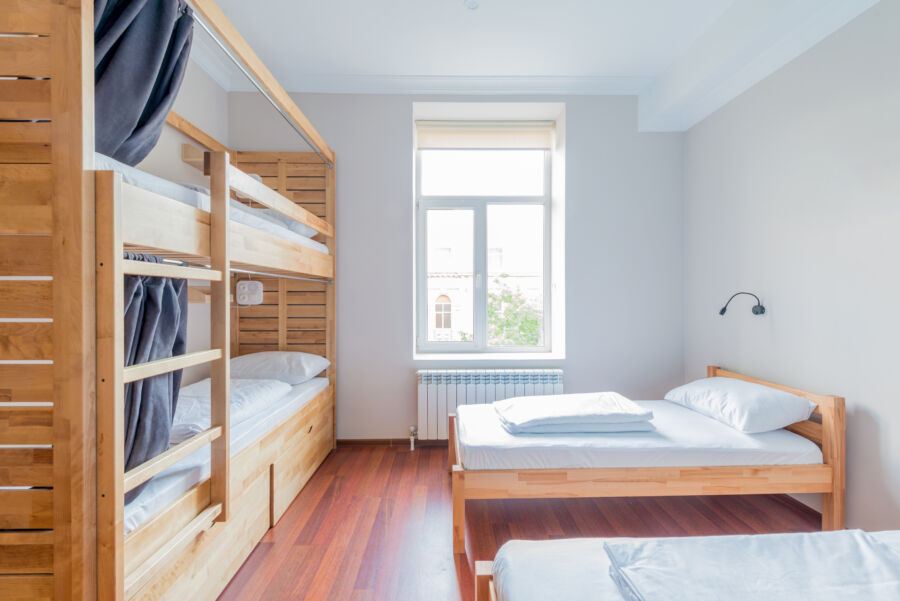
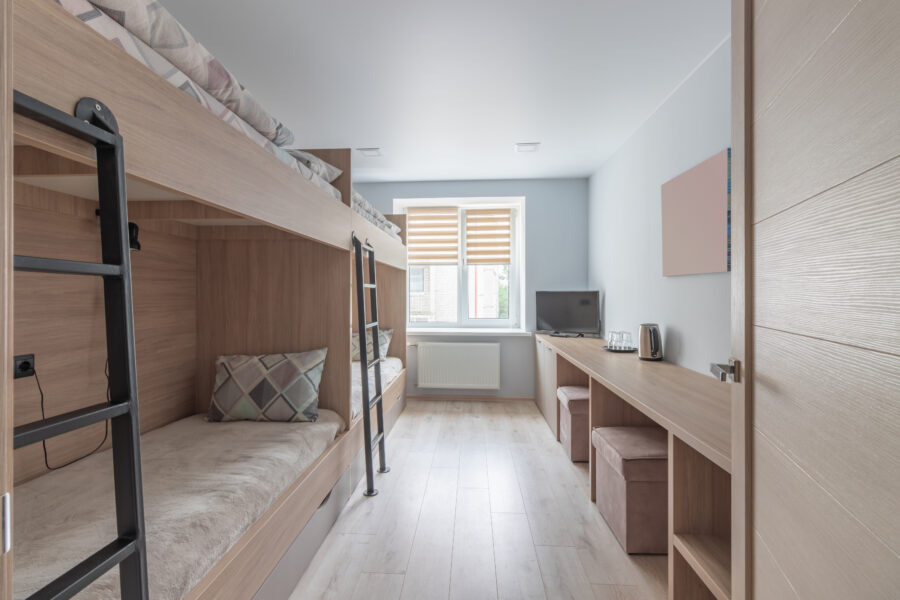
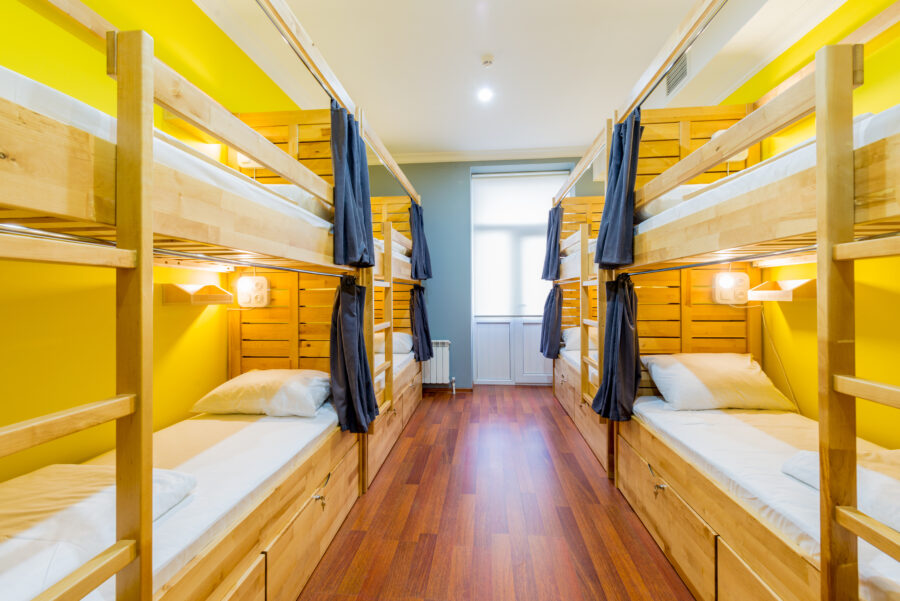
Hostels usually put you in a bed inside a shared dorm room. Sometimes it’s four bunks, sometimes it’s twenty—depends on the place.
Bathrooms are typically shared, though you can sometimes snag a private room if you’re willing to pay a bit more. Capsule hotels? They hand you a small, enclosed pod—just big enough to sleep and maybe sit up.
It’s not a full room, but it’s definitely your own defined space. You’ll usually get a curtain or sliding door, a reading light, and a power outlet in your pod.
Some places even toss in built-in TVs or climate controls. Your luggage usually goes in a locker outside your capsule. If you’re used to the difference between a hostel and a hotel, think of a capsule hotel as somewhere right in the middle—private like a hotel bed, but minimal like a hostel bunk.
Privacy and Space
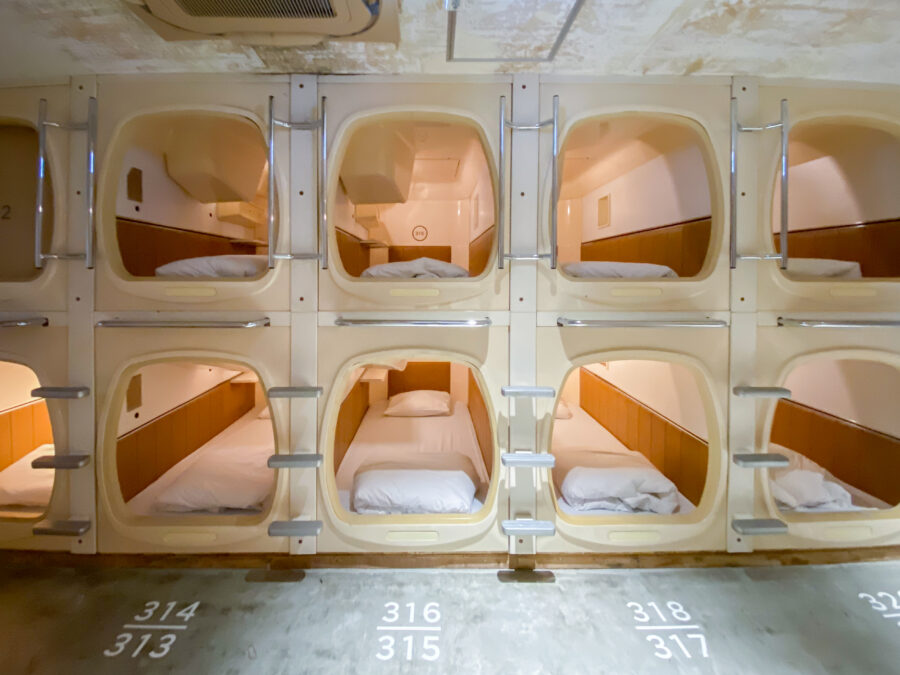
In a hostel dorm, you share the air, the light, and, let’s be real, sometimes the snores of your roommates. You can try to block it out with earplugs or a sleep mask, but privacy is pretty limited. A capsule hotel gives you your own little cocoon.
You can close yourself off from the hallway and other guests, even if the walls aren’t exactly soundproof. It’s definitely more private than a bunk bed in a dorm. Space is the trade-off, though.
Your capsule is usually just long enough to stretch out—no room to stand or do yoga. Hostels, especially smaller dorms, give you a bit more open floor space. If you want a spot to retreat without paying for a full hotel, the capsule setup can feel like a solid compromise.
Atmosphere and Social Experience
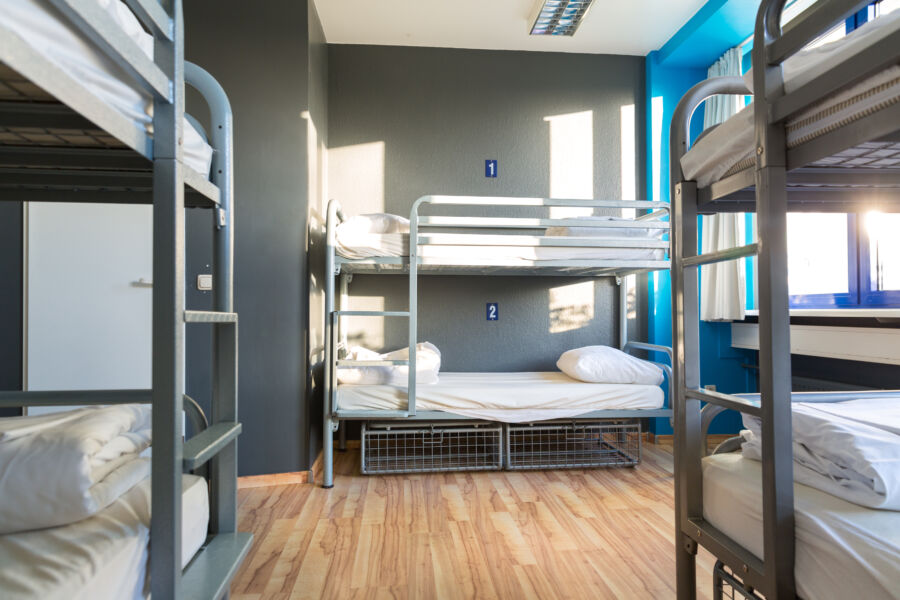
Hostels are built for meeting people. Common rooms, shared kitchens, and group activities make it super easy to strike up a conversation. If you’re traveling solo, this is honestly one of the best ways to make friends.
Capsule hotels? They’re quieter, more self-contained. Some have shared lounges, but they’re usually smaller and not exactly buzzing with energy. I’ve stayed in capsules where the only chatting happened in the lobby, and others where the lounge felt almost like a mini-hostel.
It really depends on the place, but generally, capsule hotels encourage a “keep to yourself” vibe. If you thrive on social energy, hostels are your best bet. If you’d rather wind down solo after a big day, the capsule hotel is the winner.
Room Types and Sleeping Arrangements
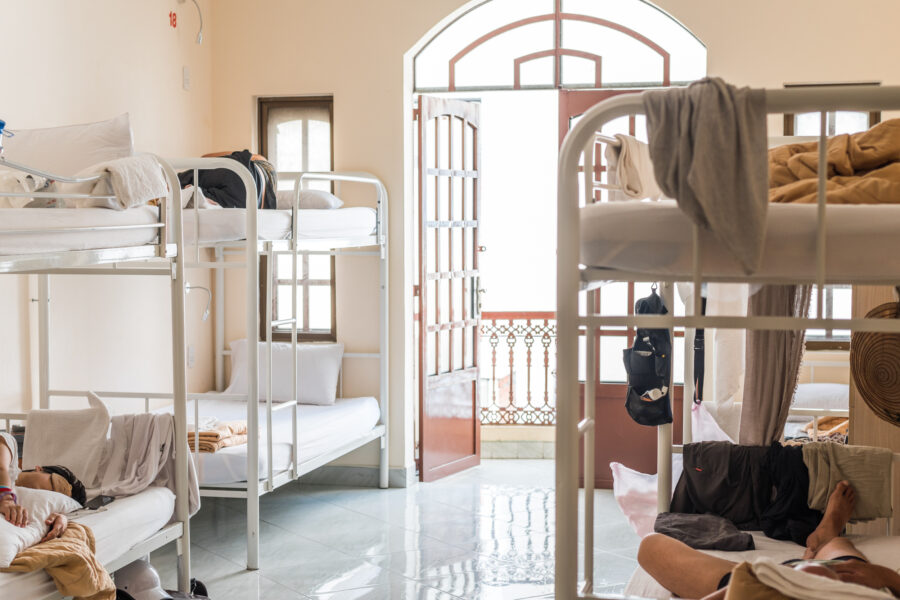
How you sleep in a hostel versus a capsule hotel can totally change your travel experience. Privacy, personal space, and how you interact with other guests all come down to the room type and setup.
Dormitories vs Capsules
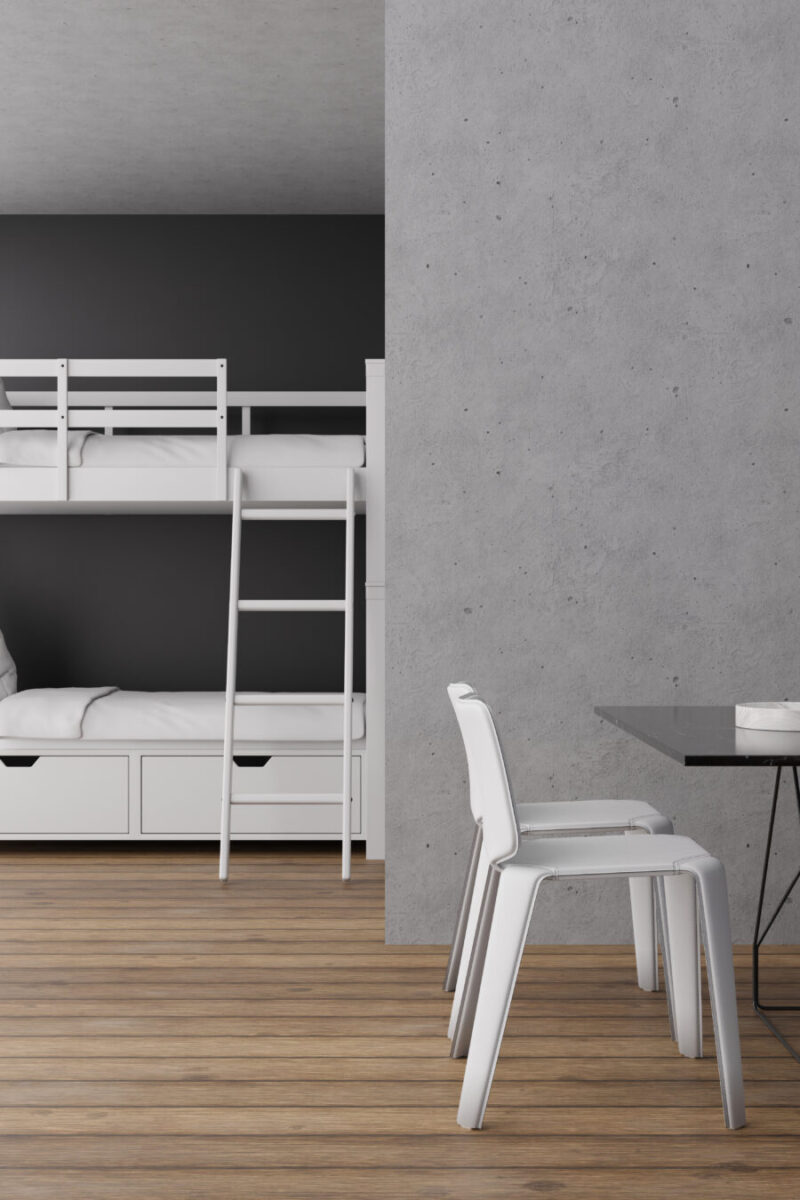
Hostel dorms are the classic way to go. You’ll usually get a single bed in a shared room with anywhere from 3 to 20 other travelers.
Cheapest options are always the bigger dorms; smaller ones cost a bit more. Beds are often stacked bunk-style, though some hostels have started offering pod-style bunks with curtains, outlets, and reading lights for a touch more privacy.
Capsule hotels flip the script. Instead of a whole room, you get an enclosed sleeping pod—your own mini-cabin.
You can shut a curtain or door, block out the light, and keep your space to yourself. It’s not totally silent, but at least you don’t have someone climbing into the bunk above you at 2 a.m. If you love having your own nook but don’t want to splurge on a private room, capsules are a sweet spot.
Private Room Options

Both hostels and capsule hotels sometimes offer private rooms, but they aren’t really the same. In hostels, a private room might just be a single bed, a twin, or a double for couples.
Some even have family rooms with bunks for four or more. Capsule hotels almost never have “rooms” in the traditional sense, though a few fancy ones offer tiny private suites.
You might get a double bed and a bit of floor space, but it’s still all about compact living. If you want your own door, walls, and maybe even a desk, hostel private rooms are usually a better fit. And in some cities, the price gap between a capsule and a basic private room isn’t as big as you’d expect.

Here’s where expectations really matter. Most hostels have either ensuite bathrooms (attached to your room) or shared ones down the hall. Shared facilities can mean waiting your turn during busy hours, so always check reviews to see how crowded they get.
Capsule hotels almost always use shared bathrooms, usually separated by gender. The good ones keep them super clean and stocked with toiletries.
Japanese capsule hotels sometimes go all out with full bathing areas—showers, sinks, and even hot tubs. If bathroom privacy is a big deal for you, look for ensuite options in hostels or higher-end capsules with fewer guests per bathroom. And, trust me, always pack flip-flops.
See Related: Booking Direct vs Online Travel Agency: Key Differences for Smart Travelers
Amenities and Facilities Comparison
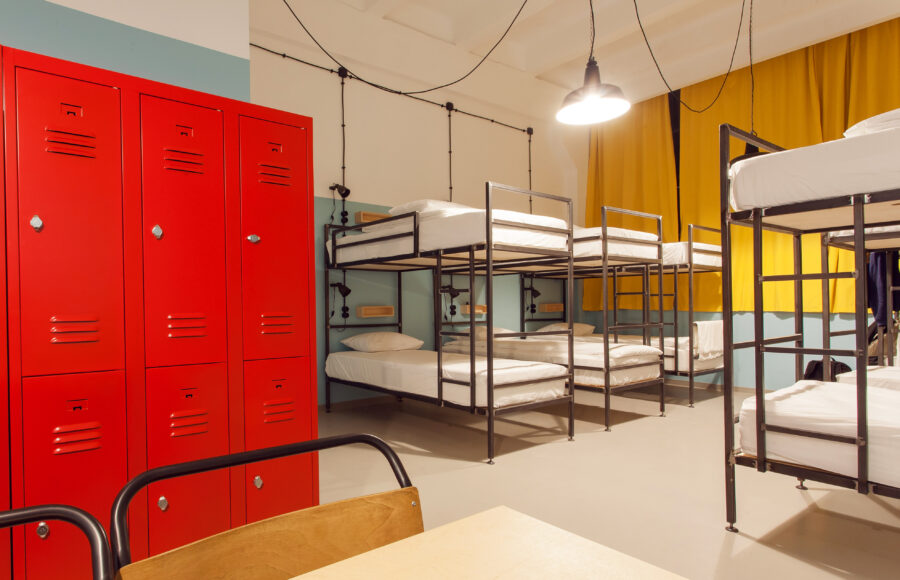
Hostels usually lean toward shared spaces and group interaction. Capsule hotels focus more on compact, private comfort. Both can be easy on your wallet, but how they handle social areas, security, and extras can totally shift your stay.
Common Areas and Social Spaces

In most hostels, you’ll find big lounges, kitchens, and sometimes even rooftop terraces. These are perfect if you like swapping stories over a cheap beer or cooking up pasta with new friends.
Many hostels host events like trivia nights or walking tours you can book with other activities, like city excursions. Capsule hotels, though, usually keep common areas small and quiet.
You might find a tiny lounge or café corner, but it’s more for solo downtime than mingling. Some newer capsule hotels have co-working spaces, which is a nice touch if you’re working on the road.
If you live for meeting people, hostels are where it’s at. If you’d rather chill out and enjoy some peace, capsule hotels’ minimal shared space will suit you better.
Security and Luggage Storage
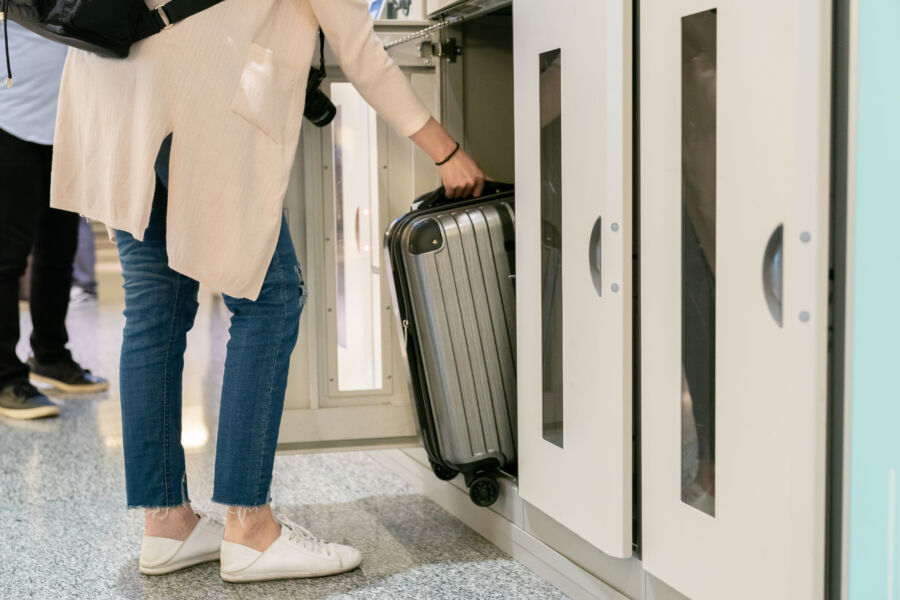
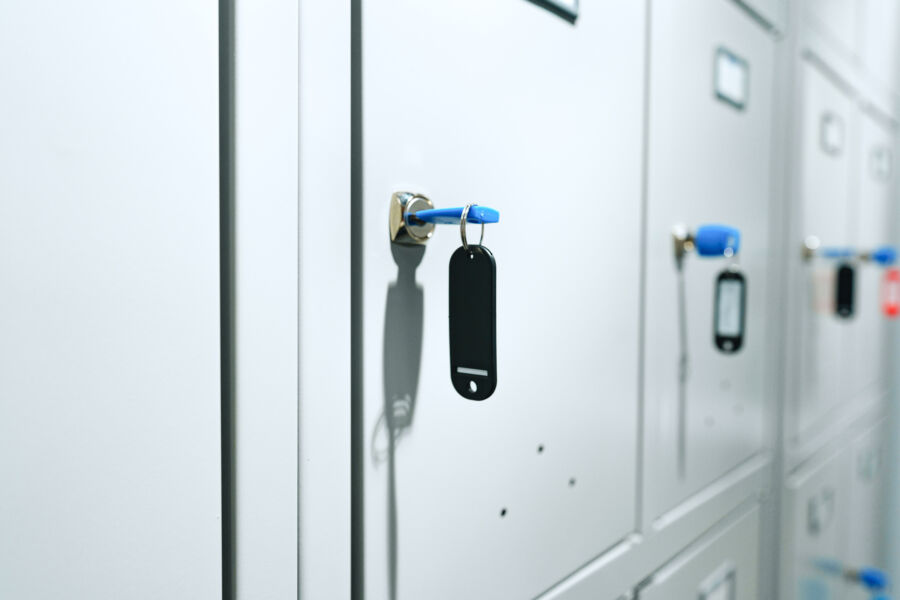
Hostels usually provide lockers in dorms, but you’ll need your own padlock. Security varies—a lot. Some have keycard access and cameras, others just a front desk.
Keep your valuables locked up, especially in busy cities. Capsule hotels tend to be stricter with access. Sleeping areas are often keycard-only, and you get your own locker.
Many also separate male and female floors for extra comfort. Traveling with big bags? Check in advance—space is usually tight.
If you’re between check-out and your flight, storing your stuff with off-site luggage storage can be a lifesaver. You can explore without dragging your bags through crowded streets or on the subway.
Unique Features
Hostels shine for their social perks—free walking tours, communal dinners, and themed nights are common. Some even have on-site bars or tiny pools.
It’s all about building a community, not just giving you a bed. Capsule hotels stand out with tech and privacy. You’ll often find adjustable lighting, personal TVs, USB ports, and climate control right in your pod.
Some upscale places even toss in spa access or gender-specific wellness areas. If you love gadgets or want a quiet, cocoon-like sleep, capsule hotels deliver. But if your trip is all about meeting people over shared meals or adventures, a hostel’s energy is hard to beat.
Cost and Value for Money
When you’re weighing hostels against capsule hotels, the price tag is only part of the puzzle. What you actually get for your money—and all those sneaky extra costs—can make one option a much better deal, depending on your style.
Typical Price Ranges

In most cities, hostels are still the cheapest way to go. A dorm bed can run anywhere from $10–$30 USD per night in much of Asia or Eastern Europe, but expect $35–$60 USD in pricier cities like London or Sydney.
Private hostel rooms cost more—sometimes almost as much as a budget hotel. Capsule hotels usually land somewhere between a hostel dorm and a budget hotel.
In Japan, you might find a capsule for $20–$40 USD a night, while in North America or Europe, prices often start around $40 USD and go up from there. If you’re flexible with dates and destinations, hunting down cheap flight deals can help you free up more cash for where you sleep. Sometimes saving on flights means you can splurge a little on your bed.
What’s Included in the Price

Hostels almost always include shared bathrooms, basic bedding, and access to a communal kitchen. Most throw in free Wi-Fi, luggage storage, and sometimes breakfast. But, honestly, the quality of these extras can be all over the place.
Capsule hotels focus on the pod itself—usually a bed, power outlet, light, and sometimes a mini TV. Bathrooms are shared, but you often get toiletries, slippers, and even pajamas, especially in Japanese-style capsules.
If you like to cook your own meals, hostels usually come out on top. But if you’d rather have everything ready for you, capsule hotels can feel like a better deal.
Hidden Costs to Consider
It’s easy to forget about the little add-ons that sneak onto your bill. Some hostels charge for towels, lockers, or luggage storage after checkout.
In touristy areas, you might also get hit with local accommodation taxes. Capsule hotels have their own extras—coin laundry, vending machines instead of free water, or fees for early check-in.
If your capsule hotel is inside a spa or bathhouse, you might pay extra for certain facilities. Don’t forget travel insurance, especially if you’re carrying valuables or booking non-refundable stays. A short-term policy from travel coverage providers can save you a ton of stress if plans go sideways.
See Related: Enhancing Family Vacations with Music: Travel Tips
Who Should Choose Each Option?

Your pick between a hostel and a capsule hotel depends on how you like to travel, what matters most to you, and the kind of experiences you’re chasing. Privacy, budget, and your day-to-day routine all play a big part in which one will fit you best.
Backpackers and Solo Travelers

If you’re hauling everything on your back and bouncing from city to city, hostels are a total lifesaver. They’re usually cheaper than capsule hotels and have kitchens, so you can cook instead of eating out every meal.
That adds up fast when you’re on the road for weeks or longer. Most hostels post local events, free walking tours, and tips from other travelers on their bulletin boards.
You’ll often meet people heading the same way, and sometimes you end up splitting rides or traveling together for a stretch. Capsule hotels can still work for backpackers, especially if hostels are scarce or you just want a quiet night. But you’ll definitely miss out on that casual “hangout” magic that makes hostel travel so memorable.
Business Travelers and Short Stays
If you’re just in town for a night or two—especially for work—capsule hotels totally make sense. You get your own little pod, usually with a power outlet, a reading light, and sometimes a tiny TV. It’s enough to recharge your phone, your laptop, and honestly, yourself before the next day’s chaos.
Most of these spots sit right by train stations or airports, which is a lifesaver when you’re running on fumes. You can roll in late, check in quietly, and not worry about waking up a room full of strangers staggering in at 2 a.m.
Hostels don’t really fit the bill for this kind of trip, unless you spring for a private room. By then, the price creeps up close to a budget hotel anyway.
Travelers Seeking Social Interaction

If meeting new people is half the reason you travel, hostels just win. The common rooms, group dinners, and random activities make it super easy to strike up a chat—even if you’re shy. There’s just something about everyone being in the same space, swapping wild stories.
Capsule hotels might have a lounge or a shared dining spot, but honestly, it’s usually more about function than fun. People mostly keep to themselves, and you’ll notice that vibe if everyone’s there just for a quick sleep.
If you love trading travel tips over cheap beers or hopping on a last-minute group hike, nothing beats a hostel’s open setup. You leave with new numbers in your phone—and maybe a few friends you’ll cross paths with again somewhere random.
Location, Accessibility, and Booking Tips
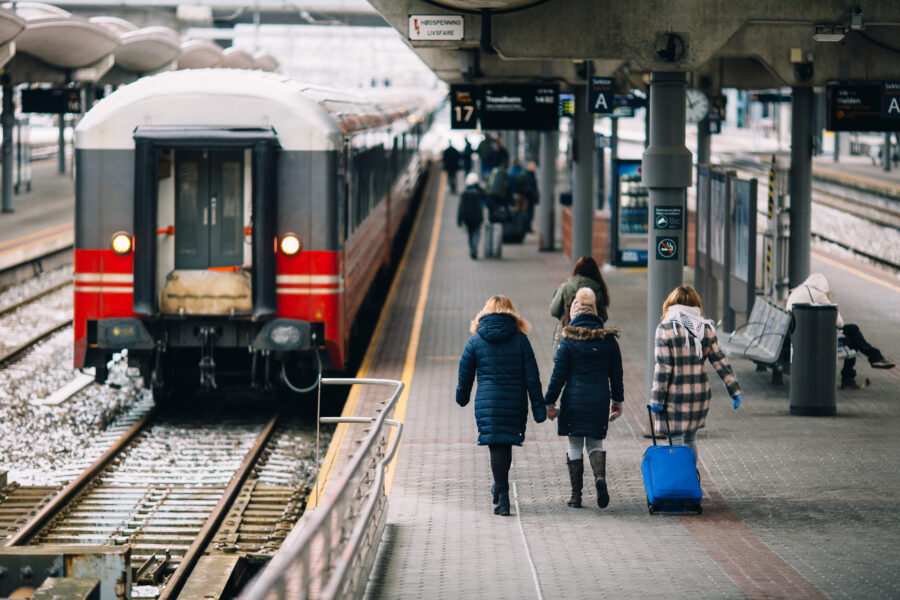
Where you crash can absolutely shape your trip, especially if you’re juggling early flights, late arrivals, or just trying to see everything. The right location saves precious time and keeps your stress down. Plus, you might spend less on cabs or subways.
Getting a good deal matters, but so does picking the right street (or alley, honestly).
Finding the Right Area
For hostels, it’s smart to stay close to train stations or bus terminals. That way, you can ditch your bag and get out exploring fast. Capsule hotels—especially in places like Japan or Singapore—usually pop up in busy centers or business districts. Perfect for quick overnights.
If you’re into nightlife, check how easy it is to walk to bars, late-night ramen joints, or cafés. But, fair warning, central spots can get noisy. From what I’ve seen, hostels tucked in quieter neighborhoods feel more chill, while capsule hotels in prime areas draw travelers on tight schedules.
Here’s a little tip: scope out whether there’s a 24-hour convenience store or cheap eats nearby. It’s a total game-changer when you land late or wake up starving before dawn.
Booking Platforms and Last-Minute Deals

You’ll spot both hostels and capsule hotels on major booking sites like Booking.com, which makes comparing prices and reviews pretty painless. I’ve actually scored some of my best deals booking just a day ahead—especially off-season.
If you’re open to changes, sites like KAYAK let you filter by neighborhood, amenities, and cancellation options. That’s super handy if you’re not sure how long you’ll stick around.
For last-minute plans, watch out for mobile-only discounts. Some places drop prices late in the day just to fill beds. But don’t push your luck during big holidays—you could end up miles from where you actually want to be.
See Related: Airbnb vs Aparthotel: Key Differences Every Traveler Must Know
Frequently Asked Questions

Choosing between a hostel and a capsule hotel usually comes down to how much privacy you crave, what kind of social scene you want, and how much space you need for your stuff. Prices can swing more than you’d think, and the amenities and security setups are definitely different.
What are the distinctive differences in privacy offered by hostels and capsule hotels?
In a hostel, you’re bunking up with a bunch of other travelers. Even with a curtain, you’ll hear people stumbling in late or digging through their backpacks.
Capsule hotels give you your own little pod. It’s not a full room, but you can shut out the world for a bit, which feels like a lifesaver after a long travel day.
Can you detail the typical cost variations between staying in a hostel and a capsule hotel?
Hostels usually come out cheaper, especially in backpacker hotspots. Sometimes you can grab a bed for half the price of a capsule pod.
Capsule hotels cost a bit more since you’re paying for privacy and, often, newer facilities. Still, they’re usually less than a budget hotel room, so they land somewhere in the middle.
Hostels are built for mingling. Between the common rooms, kitchens, and group activities, you’ll meet people fast.
Capsule hotels stay quieter. Some have lounges, but most guests keep to themselves. If you’re tired or just not feeling social, that can be a huge plus.
What should travelers consider regarding space and storage when deciding between a hostel and a capsule hotel?
Hostel dorms usually give you a locker, but sizes vary a lot. Sometimes your big bag ends up under your bed or in a shared spot.
Capsule hotels often set you up with a small locker for valuables and a separate luggage area. You won’t have loads of space in your pod, so you’ll want to keep your gear organized.
Could you explain the variations in amenities and facilities provided by hostels versus capsule hotels?
Hostels often come with kitchens, laundry rooms, and big hangout areas. Some even run tours or have their own bars.
Capsule hotels focus on your pod and the basics: Wi-Fi, charging outlets, maybe a TV. Bathrooms are shared, but they’re usually cleaner and more modern than what you’ll see in a lot of budget hostels.
What are the unique security features to expect in a capsule hotel compared to a traditional hostel?
Capsule hotels really take security up a notch. You’ll usually find each pod comes with its own secure door or curtain—sometimes even a sliding door that clicks shut with a satisfying snap.
Most places will hand you a keycard just to get onto your floor or into the pod area. That extra layer feels reassuring, especially if you’re traveling solo.
They almost always give you a locker for your valuables. Honestly, I love not having to worry about my passport or laptop while I’m out exploring.
Hostels, on the other hand, tend to focus on the security of the whole building. You’ll see staff around, but it’s more of a communal vibe.
You still get lockers in hostels, but the security feels a bit more relaxed. I’d definitely recommend locking up your stuff whenever you head out—just in case.
Book Your Dream Experience
More Travel Guides
Related Posts