Budapest vs Paris: Which European Capital Offers More Bang for Your Buck in 2026?
Updated March 20, 2025
Paris and Budapest are two of Europe’s most captivating cities. Each has its own unique charm and appeal. Paris dazzles with iconic landmarks like the Eiffel Tower and world-class museums. Budapest impresses with its stunning architecture and thermal baths. Both cities offer amazing experiences, but Budapest tends to be more budget-friendly for travelers.
These European gems sit on beautiful rivers – the Seine in Paris and the Danube in Budapest. They’re both known for fantastic food scenes. Paris has its fine dining and pastries, while Budapest serves up hearty Hungarian cuisine. The cities differ in size and pace. Paris is larger and busier, while Budapest feels more relaxed.
Choosing between them depends on what you want from your trip. Paris is perfect if you crave art, fashion, and famous sights. Budapest is great for history buffs and those seeking a more laid-back vibe. No matter which you pick, you’re in for an unforgettable European adventure.
Table of Contents
- Geographical Overview and Accessibility
- Location and Layout
- Navigating through Cities
- Airports and Arrival
- Historical Significance and Architecture
- Landmarks and Monuments
- Architectural Styles
- Historic Districts
- Cultural Experiences and Museums
- Museum Offers
- Art and Exhibitions
- Music and Festivals
- Culinary Scene and Dining Experiences
- Local Cuisine Highlights
- Restaurant and Bistro Culture
- Street Food and Markets
- Cost of Living and Budget Considerations
- Accommodation Prices
- Daily Expenses
- Shopping and Souvenirs
- Leisure and Entertainment
- Recreation and Leisure Activities
- Outdoor and Nature Activities
- Wellness and Relaxation
- Shopping and Fashion
- Comparison of Noteworthy Quarters
- The Charm of the Jewish Quarter
- Ruin Bars and Urban Spaces
- Local Artisan and Market Areas
- Iconic Symbols: Eiffel vs Buda Castle
- Symbolism and Representation
- Historical Value and Visitation
- Frequently Asked Questions
- What are the cost of living differences between Budapest and Paris?
- How does the cultural experience in Budapest compare to that in Paris?
- Which city, Budapest or Paris, offers better value for money for travelers?
- What distinguishes the architecture of Budapest from that of Paris?
- In terms of city size and population, how do Budapest and Paris compare?
- What makes Budapest a popular destination among tourists?
- Book Your Dream Experience
- More Travel Guides
Geographical Overview and Accessibility
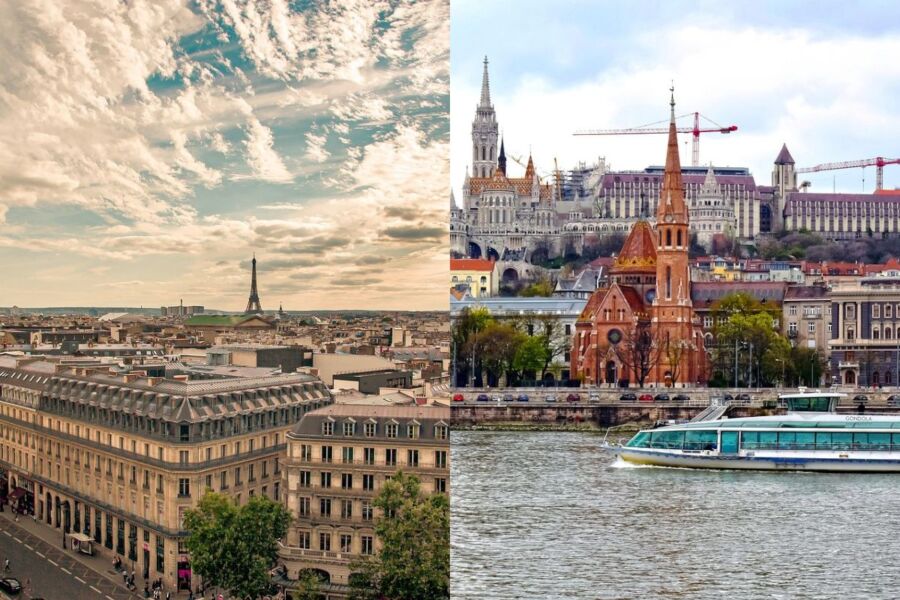
Budapest and Paris are both iconic European cities with unique layouts and transportation systems. Let’s explore how these cities are structured and the best ways to get around them.
Location and Layout
Budapest sits on both sides of the Danube River. Buda, the hilly western part, offers stunning views. Pest, the flat eastern side, has most of the city’s attractions. The river splits the city into two distinct areas.
Paris spreads out from the Seine River in a circular shape. It’s divided into 20 arrondissements, or districts, that spiral out from the center. Each area has its own character and charm.
Both cities have beautiful historic centers. Budapest’s central area along the Danube is a UNESCO World Heritage Site. It includes landmarks like the Hungarian Parliament and Buda Castle.
The Budapest Metro serves over 1 million people daily. Trams are also popular, carrying about 1 million passengers each day.
Paris has an extensive metro system too. It’s known for its art nouveau entrances. Buses and trams complement the metro network. Walking is a great way to explore both cities’ historic centers.
Biking is gaining popularity in both places. Budapest and Paris have bike-sharing programs for tourists and locals alike.
Airports and Arrival
Budapest’s main airport is Budapest Ferenc Liszt International Airport. It’s about 16 km from the city center. A direct bus line connects the airport to the city.
Paris has two main airports: Charles de Gaulle and Orly. Charles de Gaulle is the busier of the two. It’s linked to the city by train and bus. Orly is closer to the city center.
Both cities offer various transport options from their airports. Taxis and ride-sharing services are available too. It’s smart to check travel times before picking a method, as traffic can be heavy in both cities.
Historical Significance and Architecture
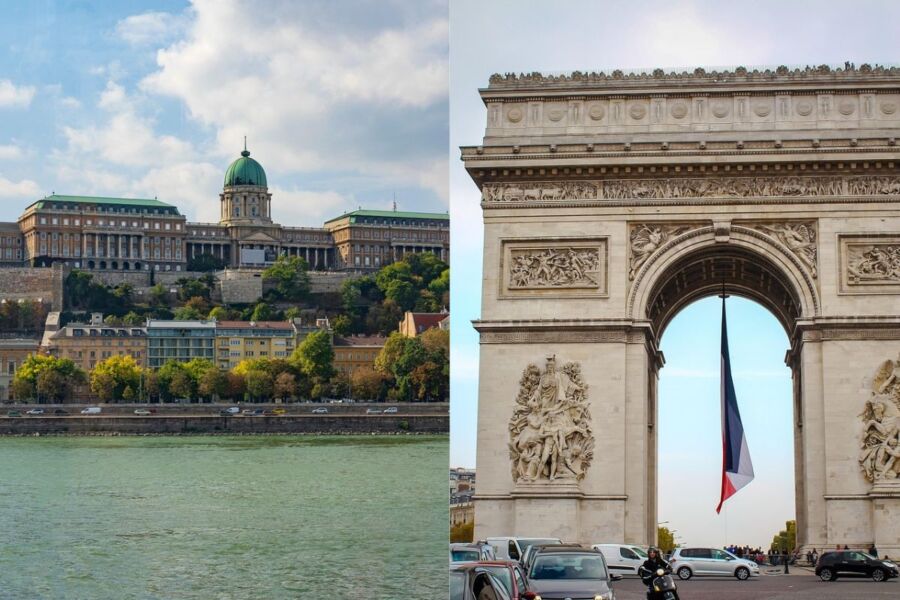
Budapest and Paris both boast rich histories and stunning architecture. These cities have unique landmarks, architectural styles, and historic areas that reflect their cultural heritage and past influences.
Landmarks and Monuments
Budapest’s skyline is dominated by the Hungarian Parliament Building, a neo-Gothic masterpiece on the banks of the Danube. The Buda Castle, perched on Castle Hill, offers panoramic views of the city. Fisherman’s Bastion, with its fairytale-like towers, is another must-see spot.
Paris has its own iconic landmarks. The Eiffel Tower stands tall as the city’s symbol. The Arc de Triomphe anchors the Champs-Élysées, while Notre-Dame Cathedral showcases Gothic beauty. The Louvre, once a royal palace, now houses priceless art.
Both cities have grand bridges spanning their rivers. Budapest’s Chain Bridge was the first to connect Buda and Pest. Paris boasts the ornate Pont Alexandre III, adorned with Art Nouveau lamps and sculptures.
Architectural Styles
Budapest’s architecture reflects its tumultuous past. Roman ruins can still be found in the city. Ottoman Turkish baths like the Rudas and Király offer a glimpse into the 16th century.
The city embraced Art Nouveau in the late 19th century. The Gresham Palace and Museum of Applied Arts showcase this ornate style.
Paris is known for its Haussmann architecture. Wide boulevards lined with uniform stone buildings define much of the city center. The city also has gems from earlier eras, like the medieval Sainte-Chapelle with its stunning stained glass.
Art Nouveau flourished in Paris too. The metro entrances designed by Hector Guimard are prime examples of this flowing, nature-inspired style.
Historic Districts
Budapest’s Castle District transports visitors back in time. Cobblestone streets wind past baroque houses and Gothic church spires. The Jewish Quarter, once a ghetto, is now a trendy area filled with ruin bars in abandoned buildings.
Andrássy Avenue, lined with neo-Renaissance mansions, leads to Heroes’ Square. This grand plaza honors Hungarian leaders and is flanked by world-class museums.
Paris has its share of charming historic areas. The Latin Quarter, with its winding medieval streets, has been a center of learning for centuries. Montmartre, once a village outside Paris, retains its artistic charm and village-like feel.
The Marais district preserves pre-revolutionary Paris. Its narrow streets are home to grand mansions, trendy boutiques, and vibrant Jewish and LGBTQ+ communities.
Cultural Experiences and Museums

Paris and Budapest both offer rich cultural scenes with world-class museums and vibrant artistic communities. These cities have unique atmospheres that shape their cultural offerings in different ways.
Museum Offers
Paris is home to the Louvre, the world’s biggest museum. It’s packed with famous art like the Mona Lisa. But there’s way more to see than just that smile. The city has over 130 museums total!
Budapest’s museums are smaller but still cool. The Hungarian National Museum shows off the country’s history. The House of Terror is a must-see. It tells the scary story of life under Nazi and Soviet rule.
Both cities have museums for all kinds of interests. Art, history, science – you name it, they’ve got it. Paris probably wins on quantity, but Budapest’s museums often feel more personal and less crowded.
Art and Exhibitions
Paris is an art lover’s dream. Besides the Louvre, there’s the Musée d’Orsay in an old train station. It’s packed with Impressionist paintings. The Pompidou Center has modern and contemporary art in a funky building.
Budapest’s art scene is more low-key but still awesome. The Hungarian National Gallery in Buda Castle has a great collection of Hungarian art. The city also has lots of cool street art and funky design shops.
Both cities host big temporary exhibitions. Paris tends to get more blockbuster shows. But Budapest often has more cutting-edge and experimental art events.
Music and Festivals
Paris has tons of classical concerts in beautiful old churches. The city also hosts big music festivals like Rock en Seine.
Budapest is famous for its ruin bars. These are old buildings turned into funky nightclubs. The city’s Sziget Festival is one of Europe’s biggest music events. It happens on an island in the Danube River.
Both cities have great opera houses. The Paris Opera is super fancy. The Hungarian State Opera House in Budapest is just as beautiful but tickets are way cheaper.
Paris probably has more variety in its music scene. But Budapest’s nightlife is wilder and more affordable. It really depends on what kind of party you’re looking for!
Culinary Scene and Dining Experiences

Budapest and Paris both offer amazing food scenes, but with their own unique flavors and experiences. From fancy restaurants to street food, each city has something special for food lovers.
Local Cuisine Highlights
Hungarian cuisine is hearty and flavorful. Goulash, a beef stew with paprika, is a must-try. Lángos, fried dough topped with sour cream and cheese, is a popular snack. For dessert, try kürtőskalács, a sweet pastry rolled in sugar.
Paris is known for its elegant dishes. Coq au vin, chicken cooked in wine, is a classic. Escargots, snails in garlic butter, are for adventurous eaters. Don’t miss out on croissants and pain au chocolat for breakfast.
Both cities have great comfort food. Budapest’s hearty soups and stews warm you up on cold days. Paris’s croque monsieur, a fancy grilled cheese, is perfect for a quick lunch.
Restaurant and Bistro Culture
Budapest’s restaurant scene is up-and-coming. Young chefs are mixing traditional flavors with modern techniques. Ruin pubs, like Szimpla Kert, offer a cool place to grab a bite and a drink.
Paris is famous for its cafés and bistros. Sit outside and people-watch while sipping coffee and nibbling on a pastry. The city has tons of Michelin-starred restaurants for fancy meals.
Both cities have great places to eat for all budgets. Budapest tends to be cheaper, so you can enjoy nice meals without breaking the bank. Paris can be pricey, but you can find good deals if you know where to look.
Street Food and Markets
Budapest’s Central Market Hall is a food lover’s paradise. You can find fresh produce, meats, and local specialties. Try lángos or kürtőskalács from street vendors.
Paris has amazing food markets too. The Marché Bastille is great for fresh ingredients and ready-to-eat treats. Crepes from street carts make a yummy snack while exploring the city.
Both cities have food trucks and pop-up markets. These are great for trying local flavors on a budget. In Budapest, look for food festivals in parks. In Paris, check out the banks of the Seine for summer food events.
Cost of Living and Budget Considerations
Paris and Budapest offer vastly different experiences when it comes to expenses. Travelers can expect significant price differences between these two European capitals across various aspects of daily life.
Accommodation Prices

Finding a place to stay in Paris can be tough on the wallet. A basic hotel room in the City of Light might set you back €100-150 per night. Fancy digs in prime spots like the Champs-Élysées? You’re looking at €300 or more.
Budapest is way easier on the budget. Decent hotels go for around €50-80 a night. You can even snag a nice Airbnb for €30-50. That’s a huge saving!
Pro tip: Book early in both cities to grab the best deals. Booking.com often has good last-minute offers too.
Daily Expenses
Eating out in Paris can be pricey. A simple café lunch might cost €15-20. Dinner at a mid-range restaurant? €30-40 per person, easy.
Budapest is a foodie’s dream on a budget. A hearty local meal with a beer can be had for €10-15. Coffee and pastries? Just a few euros.
Transport’s cheaper in Budapest too. A single metro ticket is about €1, compared to Paris’s €1.90.
Don’t forget those little extras. A beer in a Paris bar? €7-8. In Budapest? €2-3. It adds up!
Shopping and Souvenirs
Paris is a shopper’s paradise, but it comes at a cost. Big brands on the Champs-Élysées or in Le Marais can break the bank. Even small souvenirs like Eiffel Tower keychains can be overpriced.
Budapest offers great value. The Great Market Hall is perfect for unique gifts and local treats at fair prices. Hungarian wines and paprika make great souvenirs and won’t bust your budget.
Fashion lovers, take note! Budapest’s vintage shops and local designers offer stylish finds at a fraction of Paris prices.
Leisure and Entertainment
Paris has world-famous museums, but they can be costly. The Louvre is €17, while the Eiffel Tower can set you back €26.10 for a trip to the top.
Budapest’s attractions are way cheaper. The stunning Parliament tour is about €20, and many thermal baths are under €20 for a day pass.
Free stuff? Both cities shine. Paris has lovely parks and neighborhoods to explore. Budapest offers free walking tours and beautiful views from Gellért Hill.
Remember, a little research goes a long way in both cities. Look for city passes or combo tickets to save cash on sightseeing.
Recreation and Leisure Activities
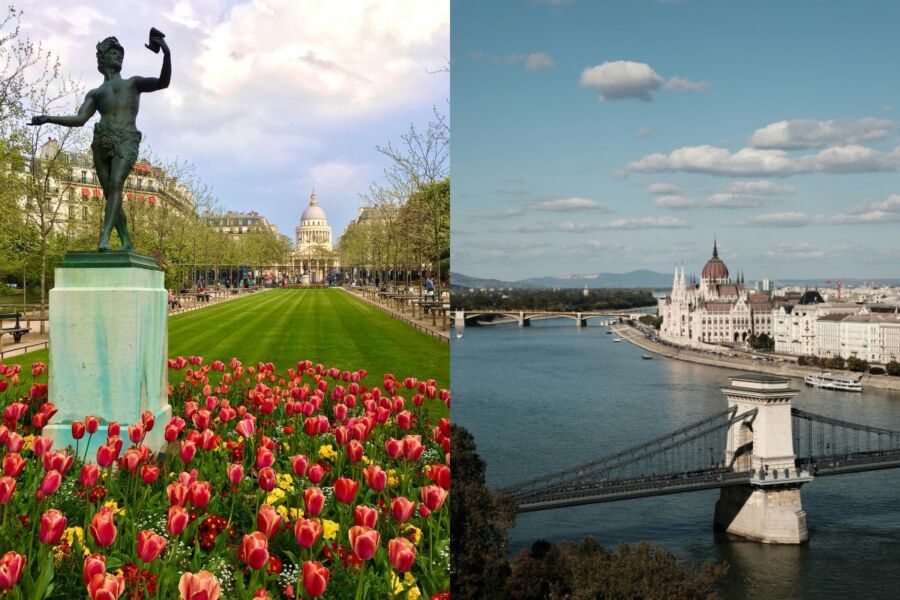
Paris and Budapest offer a wide range of fun things to do. Both cities have options for nature lovers, those seeking relaxation, and shoppers looking for the latest fashion.
Outdoor and Nature Activities
Paris has beautiful parks perfect for picnics and leisurely strolls. The Luxembourg Gardens are a local favorite, with fountains and tree-lined paths. For a unique outdoor experience, try a Seine River cruise to see the city from the water.
Budapest’s outdoor scene centers around the Danube River. Margaret Island is a green oasis in the middle of the city. Visitors can rent bikes, swim in outdoor pools, or just relax on the grass. The Buda Hills offer hiking trails with great views of the city.
Both cities have bike-sharing programs. It’s an easy way to explore and get some exercise at the same time.
Wellness and Relaxation
Budapest is famous for its thermal baths. The Széchenyi Baths are the largest medicinal baths in Europe. Visitors can soak in warm pools and enjoy spa treatments. It’s a great way to unwind after a day of sightseeing.
Paris has a different approach to relaxation. The city is known for its café culture. People-watching from a sidewalk café is a beloved Parisian pastime. For those wanting more pampering, luxury spas can be found in high-end hotels.
Both cities have beautiful parks where locals and tourists alike can relax and recharge.
Shopping and Fashion
Paris is a global fashion capital. The Champs-Élysées is lined with high-end boutiques and designer stores. For unique finds, the Marais district has trendy shops and vintage stores.
Budapest offers a mix of shopping experiences. The Great Market Hall is a must-visit for local products and souvenirs. Váci Street is the main shopping area, with both international brands and Hungarian designers.
Both cities have flea markets where shoppers can hunt for antiques and unique items. The Saint-Ouen flea market in Paris and the Ecseri Flea Market in Budapest are treasure troves for bargain hunters.
Comparison of Noteworthy Quarters

Budapest and Paris both boast unique neighborhoods that capture the essence of each city. These areas offer visitors a glimpse into local life, culture, and history.
The Charm of the Jewish Quarter
Budapest’s Jewish Quarter is a vibrant hub of culture and nightlife. Once a thriving Jewish community, it now houses trendy bars, restaurants, and shops. Visitors can explore the stunning Dohány Street Synagogue, the largest in Europe. The quarter’s narrow streets are lined with colorful street art and hidden courtyards.
Paris’s Marais district has a rich Jewish heritage too. It’s known for its quaint cobblestone streets and beautiful architecture. The area is home to several synagogues and the Musée d’Art et d’Histoire du Judaïsme. Visitors can enjoy traditional Jewish pastries from local bakeries.
Both quarters offer a mix of history and modern attractions. They’re perfect for wandering and discovering hidden gems.
Ruin Bars and Urban Spaces
Budapest’s ruin bars are a unique feature of its nightlife scene. These bars occupy abandoned buildings and courtyards, creating eclectic spaces filled with mismatched furniture and quirky decorations. Szimpla Kert, the original ruin bar, is a must-visit spot.
Paris doesn’t have ruin bars, but it does have interesting urban spaces. The city’s many parks and gardens offer green retreats from bustling streets. Places like the Luxembourg Gardens and Parc des Buttes-Chaumont are popular spots for picnics and relaxation.
Both cities provide distinctive urban experiences. Budapest’s ruin bars offer a gritty, alternative vibe, while Paris’s parks provide refined outdoor enjoyment.
Local Artisan and Market Areas
Budapest’s Central Market Hall is a food lover’s paradise. This grand 19th-century building houses stalls selling fresh produce, meats, and local specialties. Visitors can try traditional Hungarian dishes like lángos or pick up paprika as a souvenir.
Paris is famous for its outdoor markets. The Marché Bastille is one of the largest, offering everything from fresh fruits to artisanal cheeses. For a more upscale experience, the Marché des Enfants Rouges in the Marais is the city’s oldest covered market.
Both cities offer fantastic opportunities to sample local flavors and shop for unique items. Budapest’s market is centralized in one grand building, while Paris’s markets are spread throughout the city.
Iconic Symbols: Eiffel vs Buda Castle
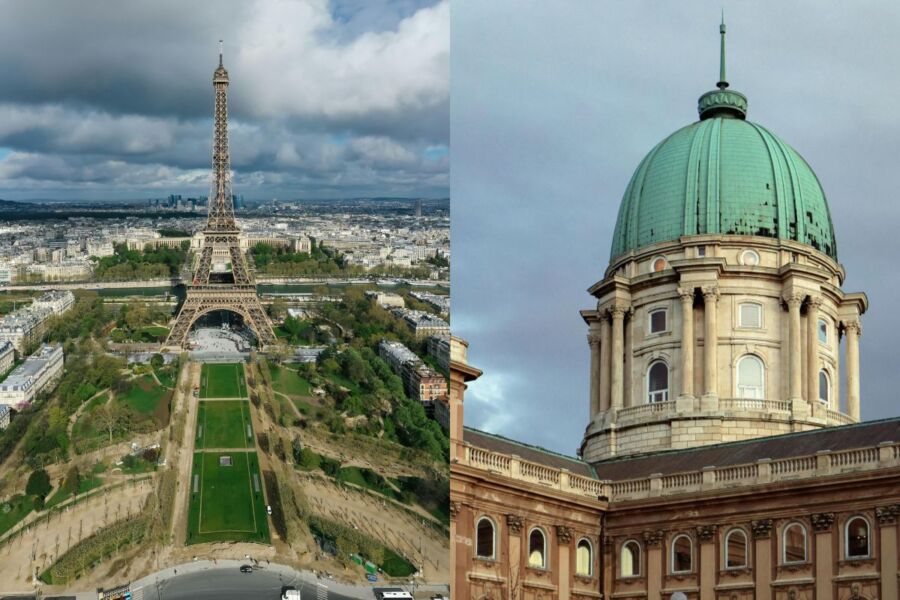
Paris and Budapest boast two of Europe’s most recognizable landmarks. The Eiffel Tower and Buda Castle stand as symbols of their cities, each with a unique story and allure for visitors.
Symbolism and Representation
The Eiffel Tower screams Paris. It’s that tall iron lady you can’t miss. Built for the 1889 World’s Fair, it wasn’t loved at first. Some folks called it an eyesore! But now? It’s the city’s heart and soul.
Buda Castle tells a different tale. It sits high on a hill, watching over Budapest. The castle’s been there since 1265, changing looks over time. It’s not just pretty – it’s packed with Hungary’s history.
Both spots give great views. From the Eiffel, you see Paris spread out like a map. Buda Castle lets you gaze at the Danube and both sides of the city.
Historical Value and Visitation
The Eiffel Tower wasn’t meant to last. It was a temp build for a big show. But people fell in love with it. Now it’s one of the world’s most-visited spots. Millions climb it each year for those sweet Paris views.
Buda Castle has seen more action. Kings lived there. Battles happened around it. Today, it houses cool museums. The Hungarian National Gallery is inside. So is the Budapest History Museum.
Both places draw tons of tourists. But they offer different things. The Eiffel’s all about the climb and the view. Buda Castle lets you step into Hungary’s past. It’s part of a UNESCO World Heritage site, which is pretty special.
Frequently Asked Questions
Budapest and Paris are two amazing European capitals with distinct personalities. Let’s dive into some common questions travelers have when comparing these cities.
What are the cost of living differences between Budapest and Paris?
Budapest is way cheaper than Paris. You can expect to pay about 55% less for everyday stuff in Budapest. Clothes are a good example – they’re about 37% cheaper in Budapest than Paris. A pair of jeans might cost you around 57 euros in Budapest, but over 100 euros in Paris.
How does the cultural experience in Budapest compare to that in Paris?
Both cities are packed with culture, but they offer different vibes. Paris is known for its art museums and fancy restaurants. Budapest has a more laid-back feel with its thermal baths and ruin bars. The Hungarian capital also has a unique blend of Eastern and Western European influences.
Which city, Budapest or Paris, offers better value for money for travelers?
Budapest wins hands down for budget-conscious travelers. Your money goes much further there. You can enjoy nice meals, cool attractions, and comfy hotels for a fraction of what you’d pay in Paris. Plus, Hungary uses its own currency (the forint), which can work in your favor.
What distinguishes the architecture of Budapest from that of Paris?
Paris is famous for its Haussmann-style buildings and iconic landmarks like the Eiffel Tower. Budapest has a mix of architectural styles. You’ll see everything from grand Baroque buildings to Art Nouveau gems. The Hungarian Parliament building is a real stunner – it’s often compared to the UK’s Houses of Parliament.
In terms of city size and population, how do Budapest and Paris compare?
Paris is bigger and more crowded. It’s home to over 2 million people, while Budapest has about 1.7 million residents. Paris feels more bustling and fast-paced. Budapest is split into two parts – Buda and Pest – by the Danube River, giving it a unique layout.
What makes Budapest a popular destination among tourists?
Budapest’s affordability is a big draw. Travelers love getting great value for their money. The city’s thermal baths are another major attraction. They’re perfect for relaxing after a day of sightseeing. Budapest’s nightlife, especially its ruin bars, is also a hit with younger tourists.