

Last modified March 20, 2026
Choosing between the ferry and bus on the Amalfi Coast can seriously shape your trip. The bus costs about €10 for an all-day pass and covers every town along the coast, while ferries—running from April to October—only hit waterfront towns like Positano, Amalfi, and Salerno.
If you’re visiting in summer, the ferry is your best bet to dodge those traffic jams that crawl for kilometers. The bus makes more sense in the off-season or if you want to reach hilltop villages like Ravello. I found this out the hard way on my first trip, watching buses inch past the same stretch of road for what felt like forever.
The real trick? Knowing when to use each. You’ll probably want to mix both, depending on which towns you’re hitting and the time of year. Your budget, schedule, and destinations all come into play.
Key Takeaways
- Ferries save time during busy summer months but only serve coastal towns from April through October
- Buses cost less and reach all Amalfi Coast villages year-round but get stuck in heavy traffic
- The best strategy often combines both ferry and bus depending on your destination and travel dates
Amalfi Coast Transportation Overview
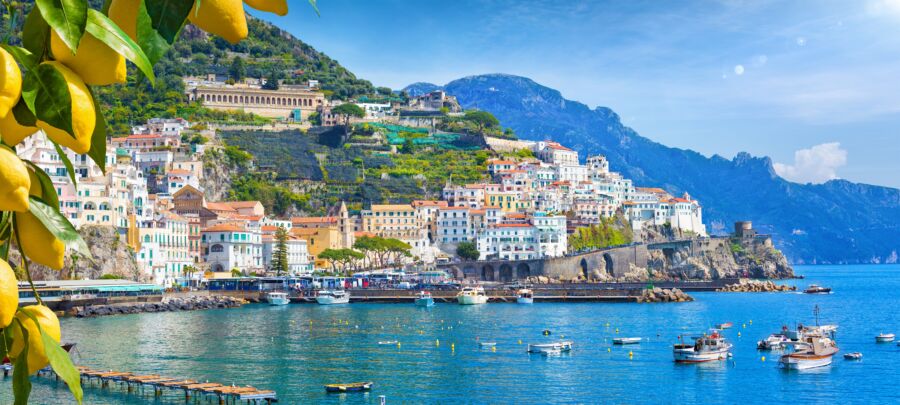
The Amalfi Coast stretches 50 kilometers along Italy’s Sorrentine peninsula, with 13 towns linked by the winding Amalfi Drive. Your transportation choices depend a lot on when you visit and which towns you want to see.
Geography and Town Connections
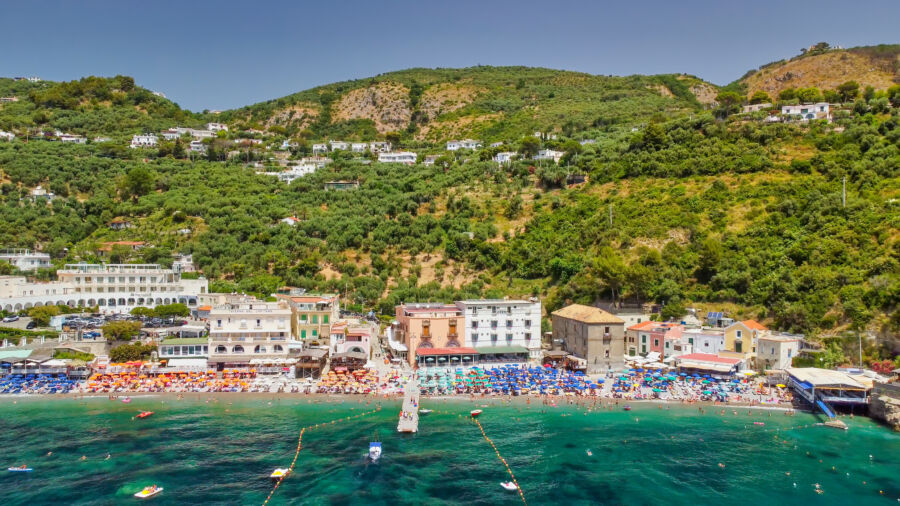
The Amalfi Coast sits on a dramatic stretch between Sorrento and Salerno. The main road, Amalfi Drive, links most towns, but the terrain makes getting around tricky.
Some towns hug the water, like Positano and Amalfi. Others perch up in the hills—think Ravello and Praiano. This really affects which transport works for your plans.
Coastal towns accessible by water:
- Sorrento
- Positano
- Amalfi
- Salerno
- Minori, Maiori, Cetara, and Vietri sul Mare
Towns only accessible by road:
- Ravello
- Praiano
- Tramonti
Want to visit the hilltop towns? You’ll need buses, a rental car, or a private driver.
Seasonal Travel Patterns

Summer crowds swarm the Amalfi Coast. From June through September, traffic jams can stretch for ages. August? It’s chaos—what should be a 20-minute drive can drag out for two hours.
They’ve even set up an alternating license plate system for rental cars during peak season. Odd-numbered days, only cars with even plates can drive Amalfi Drive, and vice versa. This runs mid-June through September and all of August.
Ferries run from April through October. Outside those months, you’re limited to land options. October through April is low season, and while parking gets easier, you might still struggle in spots like Positano.
How to Get Around the Amalfi Coast
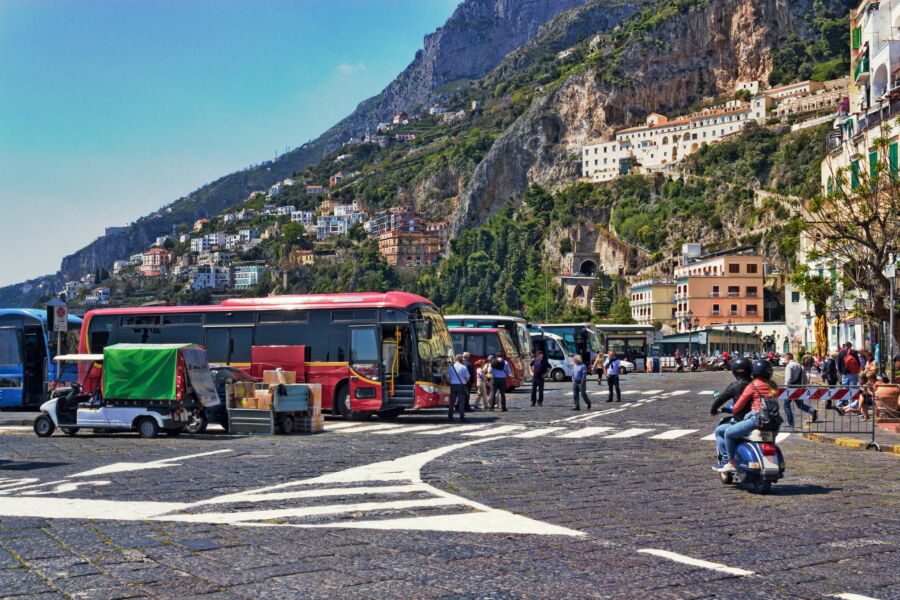
Buses cost about €10 per day and go everywhere, but you’ll need patience. Lines get long in summer, and buses can be late.
Ferries zip between coastal towns and skip road traffic. Multiple companies run routes, and you can grab tickets at sites like FerryHopper.com.
Rental cars offer freedom but come with headaches. Parking is a nightmare in summer. Even in October, you might circle for an hour hunting for a spot.
Private drivers charge €100 to €400 per day. They handle the parking and navigation while you just soak in the views.
Honestly? Ferries are a lifesaver in summer. Save the rental car for shoulder season if you’re determined to drive.
Ferry vs Bus: Core Differences for Travelers

Ferries cost more but save time and let you skip traffic. SITA buses are budget-friendly and give you a front-row seat to the dramatic coast road.
Scenic Views and Experience
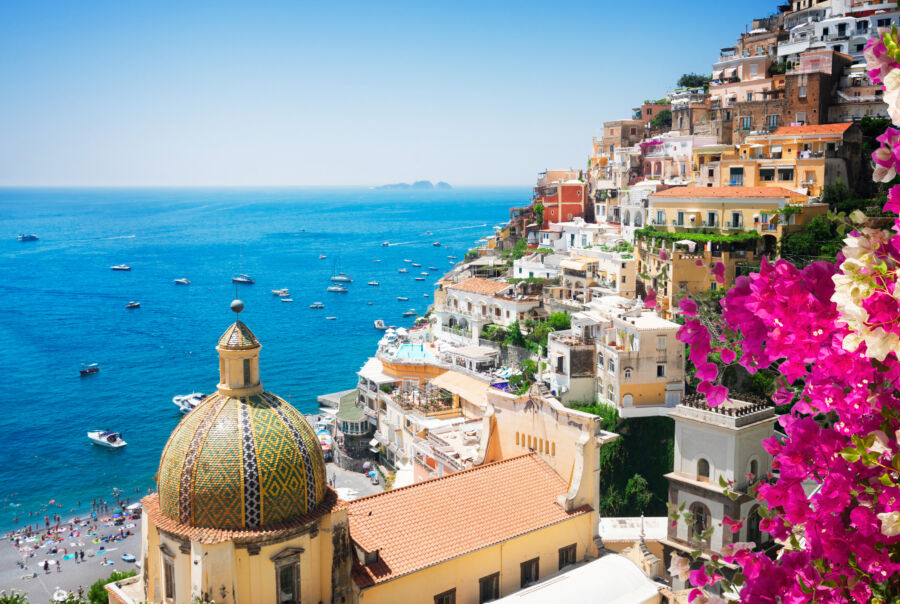
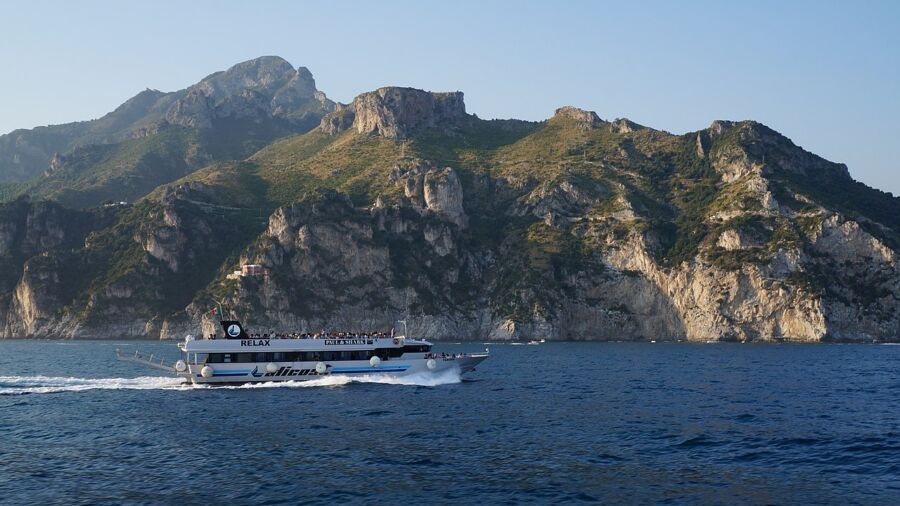
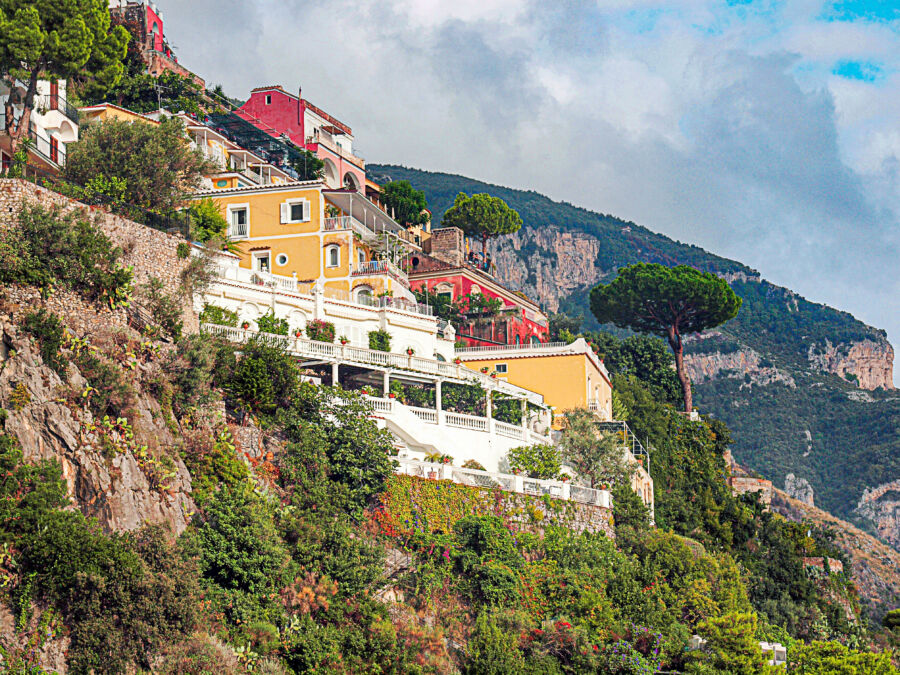
The ferry gives you that sweeping view of clifftop villages and pastel houses stacked up the mountains. Seeing Positano from the water? Unreal—like a painting. But you do miss the up-close details of lemon groves and winding village lanes.
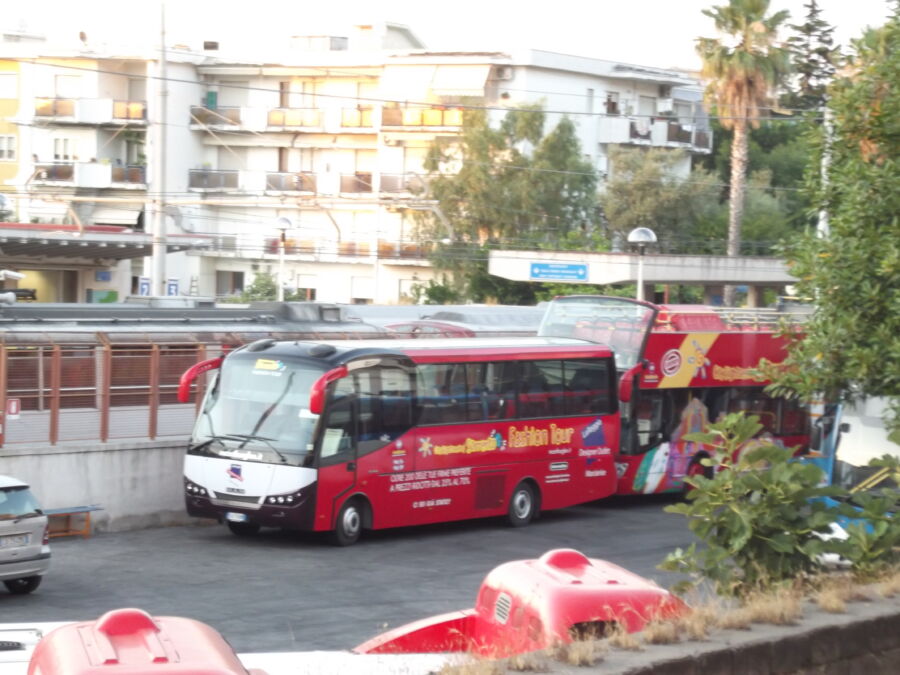
SITA buses take you right along the coast road, hugging cliffs and darting through tunnels. You’ll pass within arm’s reach of village storefronts and get a taste of local life the ferry can’t provide.
Here’s a tip: on the bus, sit on the right from Sorrento to Amalfi for the best views. If you get carsick, brace yourself—those curves are no joke.
A lot of travelers actually do both—ferry one way for the sea views, bus back for the classic drive.
Travel Times and Schedules

Ferries between Amalfi and Positano take about 25 minutes. The same bus trip? Around 40 minutes. Salerno to Amalfi is 40 minutes by boat, but the bus can take over an hour—sometimes way more if traffic snarls up.
Bus times get wildly unpredictable in summer and on weekends. That 1.5-hour ride from Amalfi to Sorrento can easily double when roads clog up.
Ferry companies like Travelmar and NLG run regular schedules, but only in the warmer months. Most ferries shut down from November through March. SITA buses run year-round, with early morning routes starting around 5am.
Not every coastal town has a ferry stop. Ravello sits up in the mountains with no port. Atrani doesn’t have direct ferry service either, but you can walk from Amalfi in about 10 minutes through a tunnel.
Cost Comparison
SITA bus tickets are cheap—€2.40 to €4 depending on your route. Amalfi to Positano is €2.40. Amalfi to Sorrento runs €3.40.
Ferries are pricier—expect €10 to €20 per trip. Amalfi to Positano is €10, while Amalfi to Sorrento jumps to €20. That’s about five times the bus price for the same stretch.
If you’re planning lots of bus rides, the 3-day Costiera Amalfitana pass is €30 for unlimited trips. You’d need to ride at least 8-10 times to make it pay off.
Sample Cost Comparison:
| Route | Bus | Ferry |
|---|---|---|
| Amalfi to Positano | €2.40 | €10 |
| Amalfi to Sorrento | €3.40 | €20 |
| Salerno to Amalfi | €2.80 | €11.50 |
For budget travelers, the bus absolutely wins. But if you value your time, ferries might be worth the splurge.
Accessibility and Comfort
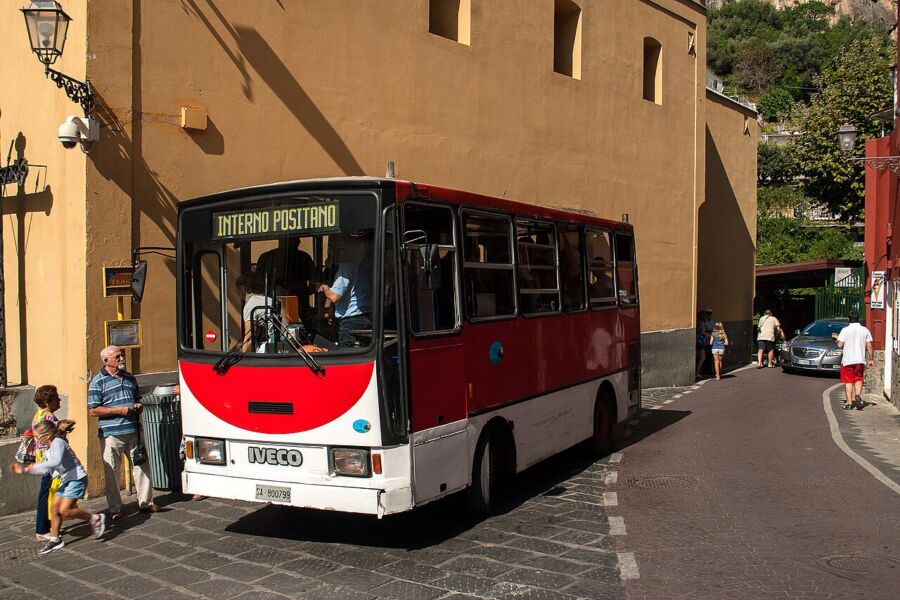
Buses get packed, especially through Positano in peak season. Sometimes you’ll stand the whole ride, wedged between tourists and their bags. Overhead shelves hold carry-ons, but big suitcases go underneath.
Ferries usually have seats, and you can move around or stand on deck for photos. The breeze and open air beat a sweaty, crowded bus any day.
Ferry terminals sit at sea level in most towns. Bus stops? Wherever the road passes through, which can mean a hike. In Positano, the bus drops you up on the main road—you’ll have to navigate a ton of steps down to your hotel. Some places offer porter services, but that’s extra.
You have to buy SITA bus tickets before boarding, usually from tabacchi shops, cafes, or newsstands. This catches a lot of visitors off guard. Not every shop near the stop sells them, which can be a pain.
Ferry tickets are easier—just buy them at the wharf from whichever company is running your route, usually the same day.
Using the Amalfi Coast Ferries Effectively
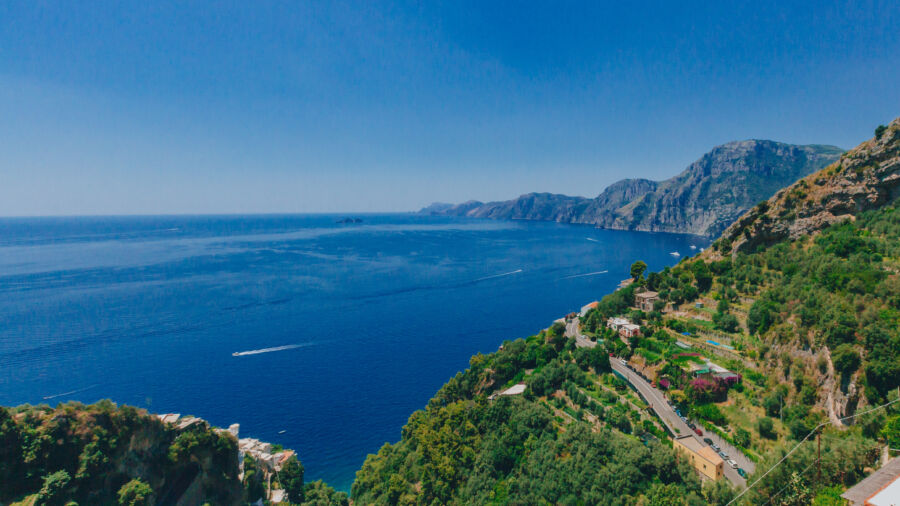
The ferry system along the Amalfi Coast runs from April through October, connecting main coastal towns via three companies. Knowing routes, port locations, and ticketing makes your trip way smoother.
1. Ferry Routes and Schedules

Three companies cover the coast: Travelmar, NLG (Navigazione Libera del Golfo), and Alilauro. Each does slightly different routes and schedules, so check all three before you plan your day.
Travelmar links Sorrento, Positano, Amalfi, and Salerno, plus smaller towns like Minori and Maiori. NLG runs mainly between Positano and Amalfi, plus Capri connections in peak season. Alilauro mostly covers Salerno and the big coastal towns.
Ferries run most often from June through September, with boats leaving every 30 to 90 minutes between major stops. In April, May, and October, the schedule thins out—sometimes just one or two departures a day. Mornings usually start around 9:00 AM, and last boats leave between 5:00 PM and 7:00 PM, depending on the season.
From November through March, ferries stop completely—rough seas and low demand. If you’re visiting in winter, you’re stuck with buses or private transport.
2. Major Ports and Destinations
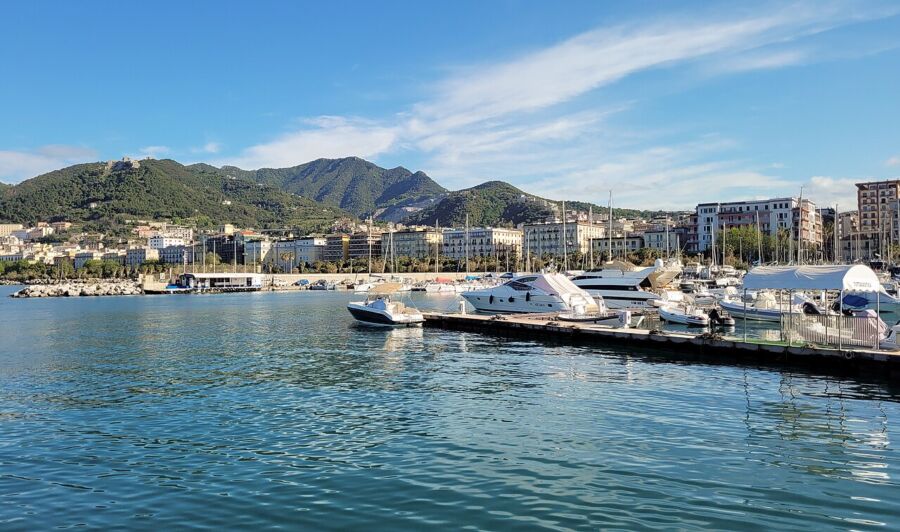
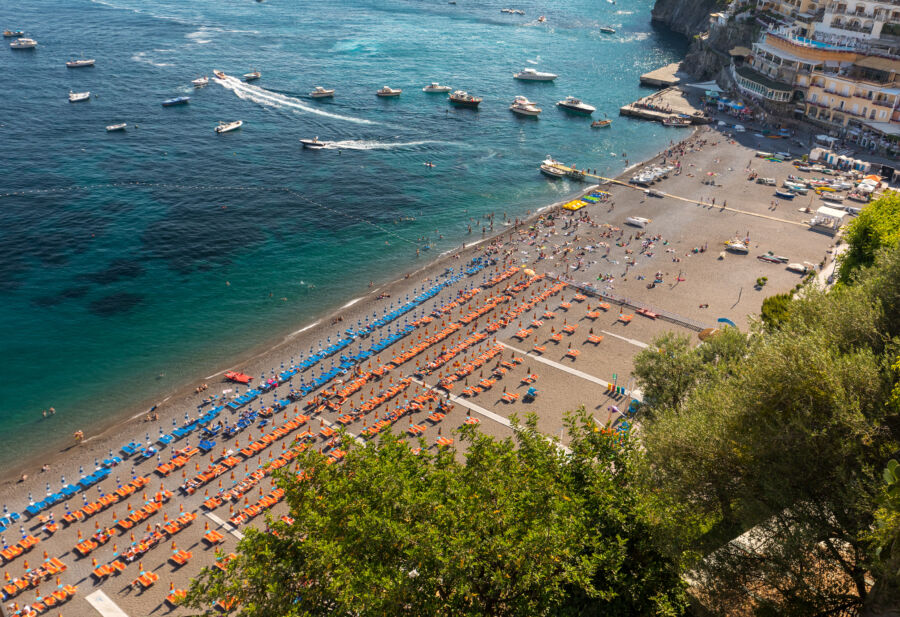
Ferry ports range from simple docks to bigger terminals with ticket booths and waiting areas. In Positano, the port sits at the bottom of town by the main beach, so if you’re staying higher up, it’s a steep walk down. Ticket booths line the waterfront.
Amalfi’s port is bigger, with covered waiting areas and several ticket windows right in the town center. Super easy to find.
Salerno’s port is the largest, with a proper terminal building. It’s about a 15-minute walk from the train station, which is handy if you’re coming from Naples or elsewhere.
Minori, Maiori, and Cetara have more basic setups. Not as many ferries stop here, but it’s a quieter experience. You can also catch ferries to Capri from several ports, but you’ll usually have to transfer at Sorrento or Positano.
3. Ticketing and Booking Tips
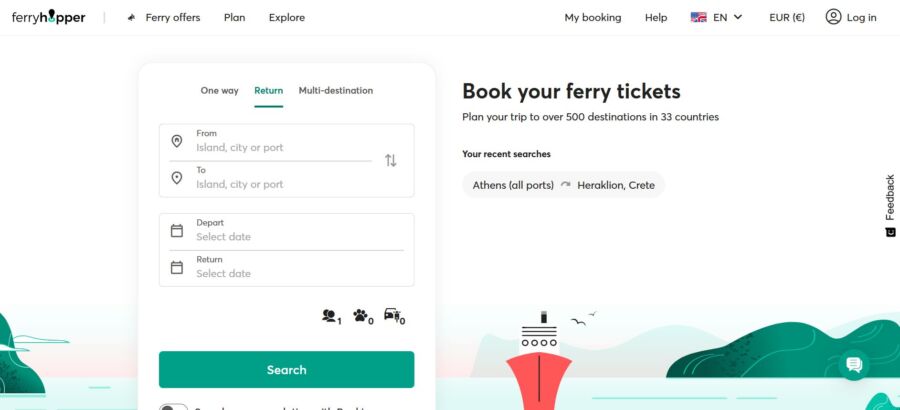
You can buy ferry tickets online through FerryHopper or in person at port ticket offices. In summer, book in advance if you want a specific time, though you can usually get walk-up tickets unless it’s a peak August weekend.
Prices vary by company and route. A one-way from Positano to Amalfi is about €10 to €15, while Sorrento to Salerno can run €20 to €30. Kids under four ride free, and ages 4-12 get discounts.
Some tours combine ferry rides with other activities, which can be a better deal. There aren’t really multi-trip tickets for these routes, so you’ll buy each trip separately.
Arrive at the port at least 15 minutes before departure. Ferries sometimes leave early if everyone’s on board—they won’t wait if you’re late. Keep your ticket handy; crew will check it before you board.
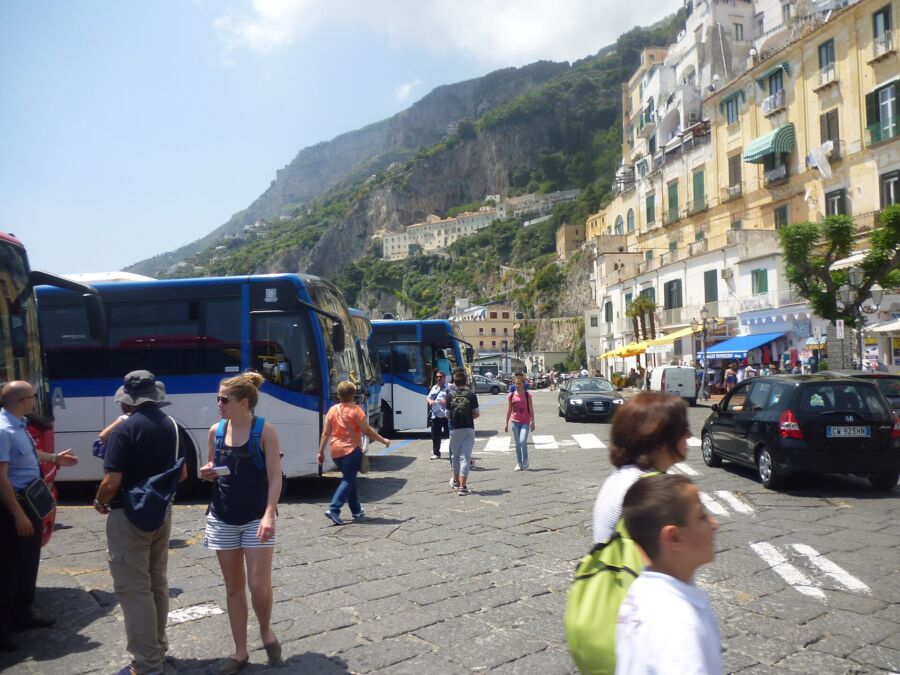
Buses anchor public transport along the Amalfi Coast, connecting every major town from Sorrento to Salerno for a fraction of the price of ferries or private drivers. Once you figure out the routes, the system is surprisingly workable, but summer crowds and those winding roads mean you’ll want to plan ahead.
4. Bus Routes and Key Stops
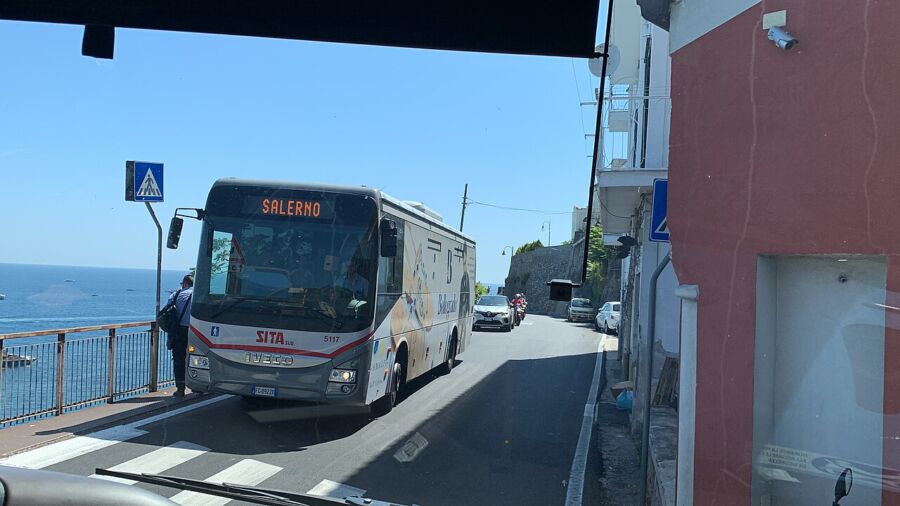
The SITA bus network runs along the main coastal road, the SS163, linking all the towns you’re likely to visit. The most popular route stretches from Sorrento through Positano and Amalfi, then continues east to Salerno. If you’re staying in Ravello, you’ll need to catch a connecting bus from Amalfi, since Ravello sits up above the main drag.
Your main hub towns are Amalfi and Sorrento. From Amalfi, you can take buses west toward Positano and Sorrento, or east toward Maiori, Minori, and eventually Salerno. The Salerno train station connects directly with SITA buses, so getting to the coast from Naples is pretty straightforward.
Bus stops are marked, but honestly, they’re easy to miss. Usually, they’re just small signs on the main road, so stay alert. In bigger towns like Positano, you’ll find several stops, but the main one sits near the church of Santa Maria Assunta.
5. Understanding Timetables and Reliability

SITA bus schedules change a lot depending on the season. In summer, buses run every 30-40 minutes on busy routes, but in winter, you might wait an hour or more. You can check the official SITA Sud website, but, in my experience, the paper timetables at bus stops tend to be more up-to-date.
Delays are common, especially in the summer crush. The narrow coastal road clogs up quickly, and buses can show up 15-20 minutes late. In July and August, buses often fill up before they even reach your stop, so you might be waiting for the next one even if you’re on time.
Buy your tickets before boarding—look for tobacco shops (tabacchi), newsstands, or sometimes bars near the stop. You can’t buy tickets on the bus itself. Once you hop on, validate your ticket in the little machine near the driver.
6. Tips for a Smooth Bus Journey
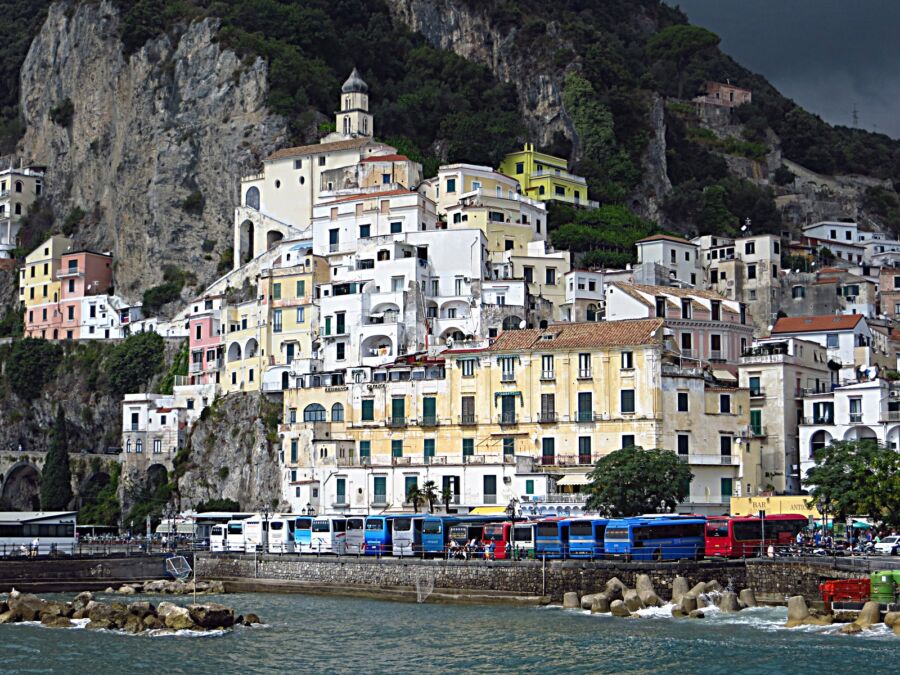
Travel early or late to dodge the crowds. Between 7-9 AM and after 6 PM, you’ve got the best shot at snagging a seat. Midday buses in summer? Packed. Sometimes drivers won’t even stop if the bus is full.
Keep your luggage light. There’s not much storage on these buses, and you might end up standing in the aisle with your bags if the racks are full. I once watched a couple wrestle three giant suitcases while the bus swung around hairpin turns—no one enjoyed it.
Sit on the right side of the bus going from Sorrento toward Salerno for the best coastal views—the road hugs the cliffs and the water is unreal. If you’re heading the other way, pick the left, but you’ll mostly see rock.
Download offline maps before you go, since mobile signal drops out along the way. Mark your stop on the map, because stops aren’t always announced, and drivers don’t always call out the town names.
Deciding Between Ferry and Bus: When and Why
Choosing between ferry and bus really depends on when you’re visiting, where you’re headed, and what matters to you. Weather, crowds, and your own patience all play a role. Sometimes the ferry is a no-brainer, other times the bus just makes more sense.
Best Option by Season

Ferries run from April to October—prime tourist season. These months give you the most flexibility to mix and match ferries and buses.
April, May, and September are the sweet spot for ferries. The water’s usually calmer, tickets are a bit cheaper, and the crowds are manageable. If you’re hitting Positano or Amalfi then, ferries can actually beat the bus time-wise, since summer traffic hasn’t hit yet.
July and August? Expect crowds everywhere. Ferries and buses both fill up, but ferry companies add extra departures in peak season, while bus schedules stay the same. If you’re traveling in summer, book ferry tickets a few days ahead.
From November to March, ferries mostly shut down—just a few boats between Naples, Sorrento, and Capri. The bus becomes your only real option for most Amalfi Coast towns in winter. On the bright side, buses are emptier and the roads are way easier to handle without the tourist mobs.
Popular Itineraries: Sorrento, Positano, Amalfi, and More
For the classic Naples to Positano trip, the ferry’s the winner. The bus route requires a transfer and takes about three hours, while the ferry gets you there in 90 minutes. NLG ferries leave from Napoli Beverello and cost around 30 euros one way.
If you’re based in Sorrento and want to hit Positano and Amalfi in a day, try this: take the morning ferry to Positano (about 35 minutes), hang out for a few hours, then catch another ferry to Amalfi (20 minutes). Bus back to Sorrento in the evening when traffic calms down.
Salerno is a solid base if you want to see smaller towns like Maiori and Minori. TravelMar ferries leave from Piazza Concordia near the train station and stop at these less-touristy spots for about 15 euros. The bus connects these towns too, but the ferry lets you skip the twisty roads.
Ravello is the one big exception—you can’t reach it by ferry. You’ll need to take a bus from Amalfi (about 25 minutes, runs often). Capri’s the opposite; you’ll need a ferry unless you want a really, really long bus ride.
Ferry and Bus Combinations
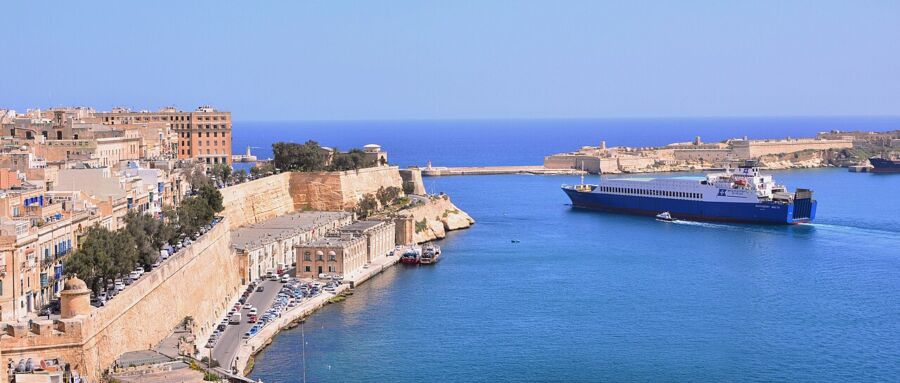
Honestly, the best move is using both. Take ferries for longer hauls or to dodge traffic, then hop on buses for shorter trips or when you want more flexibility.
Morning ferries from Sorrento or Salerno are great for getting to Positano or Amalfi. Then, use local buses to explore nearby villages in the afternoon. Buses run every hour between most towns and cost just a few euros.
A favorite combo: ferry from Naples to Positano in the morning, bus to Amalfi for lunch, then ferry back to Naples or Sorrento later. You get both the sea and the road experience, and you skip the worst traffic.
If you’re on a multi-day trip, try ferrying one way and busing back. The views are totally different. From the water, you see those colorful houses stacked on the cliffs. From the bus, you’re right in the middle of the towns, catching glimpses of local life up close.
Travel Logistics and Essential Tips
Getting to the Amalfi Coast takes some planning. Knowing your transport options ahead of time saves you hassle. You’ll want to think about tickets, luggage, and backup plans if ferries aren’t running.
Getting to the Amalfi Coast from Naples

Most travelers come through Naples, either at Napoli Centrale (also known as Napoli Piazza Garibaldi) or the airport. From the airport, you’ve got a few ways to reach Sorrento, which is the main gateway.
The Curreri Viaggi shuttle bus runs straight from Naples airport to Sorrento for about €10. It takes roughly 75 minutes and drops you in the center. Buses run several times a day, but book ahead in peak season.
From Napoli Centrale, the Circumvesuviana train is the budget pick for Sorrento. It’s under €5, but it’s an old train line and takes about 70 minutes. Trains get crowded and there’s not much space for big bags. Keep your stuff close—pickpockets work these routes.
Trenitalia runs faster regional trains to Salerno from Naples in about 40 minutes. From Salerno, you can hop on ferries to Amalfi, Positano, and other towns. This route works well if you’re staying on the eastern side of the coast.
Private transfers cost €100-130 but pick you up directly and handle your luggage. Not cheap, but if you’re traveling with a group or have a ton of bags, it’s worth considering.
Luggage, Tickets, and Practical Advice

Buy ferry tickets at port offices or online through sites like FerryHopper. You can usually get tickets the same day unless it’s August or a holiday. Bus tickets run about €10 for an all-day pass and are sold at tabacchi and some newsstands.
Ferries are way better with luggage than buses. There’s space on the boat deck for bags. SITA buses have barely any luggage space, and in summer, drivers sometimes turn away big suitcases if the bus is full.
Pack light if you’re taking public transport. A backpack or small roller makes life easier. If you’re hopping between towns, maybe book accommodation in one spot and do day trips instead of changing hotels every night.
Bring cash. Some smaller ferry companies and bus ticket sellers don’t take cards. ATMs in towns like Amalfi and Positano sometimes run out of cash on busy weekends.
Ferry schedules can change if the weather’s bad. Always have a backup plan. The SITA bus runs all year, so it’s your fallback if the seas get rough.
Alternatives: Trains, Private Drivers, and Tours

Driving on the Amalfi Coast might sound tempting, but it’s tricky. The alternating license plate system bans rental cars on certain days from June to September. You could show up on a day you’re not even allowed to drive. Parking in Positano or Amalfi is a nightmare in summer.
Private drivers charge €100-400 per day, depending on where you’re going and how many stops you want. They know where to park and can get you to towns that ferries skip. Handy for Ravello or the Path of the Gods trailhead in Praiano.
Small group boat tours mix transport and sightseeing. You’ll get to visit grottoes and swimming spots that ferries don’t reach. Tours usually cost €60-100 per person for a half-day.
Where you stay on the Amalfi Coast changes your transport needs. Positano and Amalfi have the most ferry links. Praiano and Ravello need buses or drivers since they’re inland or don’t have ferry ports. Sorrento gives you easy access to both Circumvesuviana trains and Amalfi Coast ferries.
The Circumvesuviana also stops at Pompeii and Herculaneum if you want to add some Roman ruins to your trip. The station is right outside Pompeii’s entrance.
Consider travel insurance. Ferry cancellations for weather aren’t rare, and you might need to change hotels or plans. Some policies cover these headaches.
Frequently Asked Questions

Both ferries and buses let you see the Amalfi Coast, but each has its own perks—cost, scenery, and reliability all play a part.
What are the pros and cons of traveling by ferry versus bus when exploring the Amalfi Coast?
Ferries offer amazing views of the coastline. You’ll see towns clinging to cliffs in a way you just can’t from the road.
The sea breeze keeps you cool, and you skip the winding roads that can make some people queasy. Ferries only run April through October, though, so you’re out of luck in winter.
Buses run all year and cost less than ferries. They’ll get you to more towns, since not every village has a ferry dock.
But the roads are narrow and packed with traffic in summer. You’ll get nice views from the bus windows, but sometimes you’re just stuck behind a slow truck.
How do the costs compare between taking a ferry and a bus along the Amalfi Coast?
Bus tickets are the budget choice. A single SITA Sud ride typically costs between 2 to 4 euros, depending on the distance.
Ferry prices are higher—usually 8 to 20 euros for routes between main towns like Positano, Amalfi, and Salerno. Prices jump if you’re going farther or pick a fast hydrofoil.
If you’re making a bunch of trips in one day, buses save you money. But if you want a couple of memorable journeys and care about the experience, the ferry’s price might be totally worth it for the views and comfort.
Can you recommend the most scenic routes to take when traveling by bus along the Amalfi Coast?
The stretch between Positano and Amalfi? Easily one of the most jaw-dropping bus rides you’ll ever take. The road clings to the cliffs, twisting and turning, with new sweeping views popping up at every bend.
Definitely grab a window seat on the seaside if you can. You’ll pass through tunnels chipped right into the rock, and sometimes you catch these wild glimpses of beaches way down below.
Another route worth mentioning goes from Amalfi up to Ravello. This one winds inland, climbing through vineyards and lemon groves. As you go higher, the views back toward the coast get even better—honestly, it’s pretty breathtaking.
What should travelers consider when purchasing tickets for ferry travel in the Amalfi region?
Ferry tickets go fast during the busy season, especially for those early departures. You can buy tickets at the port, but in July or August, showing up at least half an hour early is just smart.
Always check the weather before planning a ferry trip. Boats get canceled for rough seas more often than you’d expect, even when the sun’s out.
Some companies let you book online. It’s convenient, but there’s usually a tiny booking fee. If you’re not tied to a specific date, it might be easier (and cheaper) to just buy at the dock.
Arrive early at the bus stop—buses fill up fast, especially in summer. Locals usually show up about 15 minutes before the scheduled time.
Buy your tickets ahead of time at tobacco shops (tabacchi) or newsstands with the SITA Sud sign. Drivers rarely sell tickets, and riding without one can get you fined.
Bus stops can be tricky to spot, especially in smaller towns. Look for little blue “SITA” signs or just ask someone nearby. Schedules? They’re more of a hopeful suggestion when the roads get crowded. Expect some delays, but hey, you’re on the Amalfi Coast—just roll with it.
During peak tourist season, which mode of transport offers a more reliable schedule on the Amalfi Coast – bus or ferry?
Ferries usually stick to their schedules in summer. Since they glide along the coast, they skip the endless road traffic that can leave buses crawling behind, sometimes 30 minutes late or worse.
But let’s be honest—ferries aren’t perfect either. If the weather turns windy, everything stops. Buses, on the other hand, keep rolling regardless of the forecast.
Between 10 AM and 4 PM in July and August, ferries tend to be the safer bet for staying on time, as long as the sea stays calm. If you’re traveling early in the morning or later in the evening, buses actually become pretty reliable since the roads finally clear out.