Williamsburg a History of Slavery Guided Tour vs Christmastide in Virginia Guided Tour: Which Tour Is Better?
Updated June 8, 2026
You stand at the entrance to Colonial Williamsburg, holding two different tour brochures. One details the “History of Slavery” tour, a sober examination of the enslaved people who built and maintained this colonial capital. The other promotes “Christmastide in Virginia,” a festive look at 18th-century holiday traditions.
They represent two profoundly different ways to experience this living history museum. Your choice isn’t about which tour is better, but about what you want to learn and feel during your visit. This guide breaks down the focus, content, and practical details of each tour to help you decide which one aligns with your interests, or if you should make time for both.
Table of Contents
- Understanding the Focus and Subject Matter
- Historical Context and Time Periods Covered
- Tour Locations and Route Details
- What You Will See and Experience
- Tour Duration, Schedule, and Ticket Information
- Choosing the Right Tour for Your Visit
- Book Your Dream Experience
- More Travel Guides
- Explore These Destinations
Understanding the Focus and Subject Matter

The core difference between these two tours lies in their narrative. The History of Slavery tour confronts the foundational and difficult truth of colonial Virginia.
It is an educational program focused on the lives, labor, and resistance of the enslaved African and African American population. You will hear stories of individuals, learn about the laws that upheld the institution, and see the sites where they lived and worked. The tour does not shy away from the brutality and injustice of slavery, making it a serious and reflective experience.
In contrast, the Christmastide in Virginia tour centers on seasonal customs. It explores how colonists, both free and enslaved, marked the winter holiday season. You will learn about 18th-century decorations, foodways, music, and games.
While it may touch on the differing experiences between the plantation owner class and the enslaved community during the holidays, its primary aim is to showcase historical traditions and foster a celebratory atmosphere. The tone is lighter and geared toward festive family fun.
Historical Context and Time Periods Covered

The History of Slavery tour covers the entire span of slavery in Virginia, though it concentrates on the 18th century when Williamsburg was the capital. It provides context starting from the first arrival of enslaved Africans in 1619 at Point Comfort through the Civil War.
The tour grounds its stories in the specific geography of Williamsburg, connecting the past to the physical places you stand in. You will gain a long-view understanding of how the institution evolved and its central role in the colony’s economy and social structure.
The Christmastide tour is a seasonal snapshot. It is only available from late November through early January and is tightly focused on the holiday period of the 1700s.
It explains how Christmas was celebrated before many modern traditions existed. You will learn that for many, it was less a single day and more a extended season of visiting, feasting, and taking a break from labor. The context is specific to the cultural practices of the time, offering a narrow but deep look at a particular time of year.
See Related: Best Winter Destinations in the US: Snowy Escapes You Can’t Miss
Tour Locations and Route Details

Your path through Colonial Williamsburg will differ significantly based on your chosen tour. The History of Slavery tour often includes sites that are not on the main tourist circuit.
You will likely visit the Great Hopes Plantation, a re-creation of a middling farm where interpreters discuss the lives of enslaved field workers. The tour also stops at the Benjamin Powell House, which has quarters for enslaved domestic workers, and may include a walk down Nicholson Street, where many enslaved artisans lived and worked.
The Christmastide tour route is designed to showcase decoration and celebration. Key stops typically include the Governor’s Palace, which is elaborately adorned with period-appropriate greenery and decorations.
The tour also visits the Raleigh Tavern, a center of social life, and several trade shops to see how artisans might have crafted holiday gifts. The route is often along the more decorated and central Duke of Gloucester Street, immersing you in the festive setting of the historic area.
What You Will See and Experience
On the History of Slavery tour, you will experience a narrative-driven walk. The primary focus is on the interpreter’s stories and the historical sites themselves. You will see the modest, often rough living conditions in the quarters and the tools used for labor.
The experience is auditory and intellectual, designed to provoke thought and understanding. It is a quiet, respectful tour where the weight of the history is palpable. You will leave with a more complete, though more complex, view of colonial life.
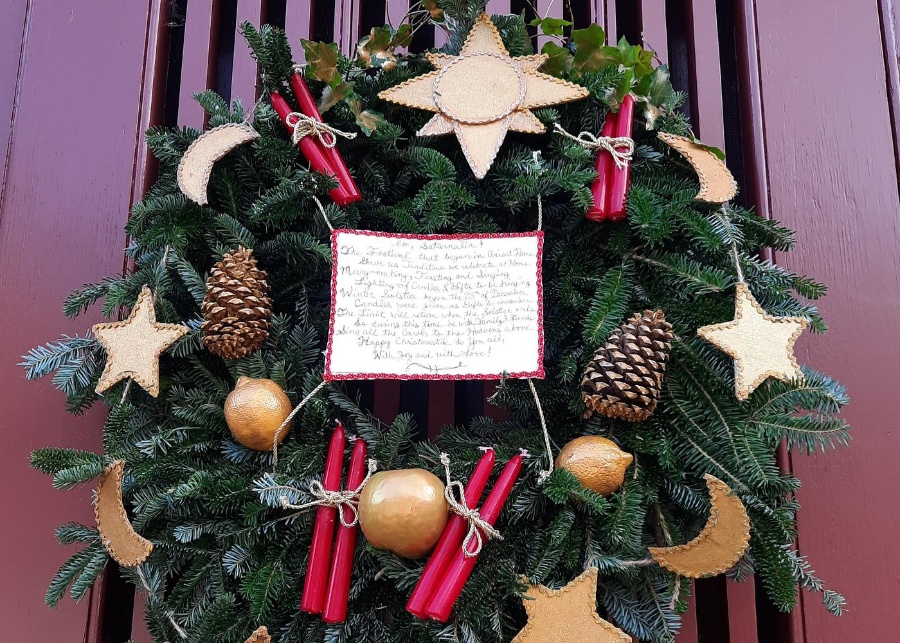
The Christmastide tour is a more sensory and interactive experience. You will see buildings draped in garlands of holly, ivy, and pine. You might hear period music being played live and smell traditional holiday foods like roasted meats and gingerbread cooking at the taverns.
Interpreters often lead guests in 18th-century games or dances. The experience is visual, auditory, and olfactory, designed to be engaging and joyful, especially for children.
Tour Duration, Schedule, and Ticket Information

Both tours require separate tickets in addition to general Colonial Williamsburg admission. The History of Slavery tour is offered multiple times a day, year-round, regardless of the season. It typically lasts between 60 and 90 minutes.
Tickets can be purchased online in advance or at the visitor center, and prices are generally around $15 per person. Due to the subject matter, the tour is recommended for guests aged 12 and older.
The Christmastide in Virginia tour is a seasonal offering. It runs from the day after Thanksgiving until New Year’s Day.
Tours are offered several times per day during this period. The duration is similar, usually 60 to 75 minutes.
Ticket prices are also comparable, approximately $15-$18 per person. This tour is designed for all ages and is a popular family activity during the holiday season.
See Related: The Top Vacation Spot in the World: Discover the Ultimate Destination
Choosing the Right Tour for Your Visit

Your decision depends on your goals for the day. Choose the History of Slavery tour if you want a deeper, more academically rigorous understanding of colonial America.
It is essential for anyone seeking a truthful and unvarnished history. This tour is best for older teens and adults who can engage with challenging material. It complements the main street presentations by providing the crucial context often missing from a more traditional visit.
Select the Christmastide tour if you are visiting during the holidays and want to lean into the seasonal cheer. It is an excellent choice for families with younger children or for anyone interested in historical traditions and domestic life.
The tour provides a memorable and beautiful way to see Williamsburg decorated for the season. It feels more like a special event than a history lesson, though it is firmly rooted in historical research.
Many visitors find value in taking both tours, even on separate trips. They are not mutually exclusive but rather two chapters of the same complex story.
One examines the harsh realities of power and injustice, while the other explores cultural traditions and moments of respite. Together, they provide a more holistic and human picture of life in 18th-century Virginia.
Book Your Dream Experience
More Travel Guides
Explore These Destinations
Related Posts