
Restinga National Park Jurubatiba
About Restinga National Park Jurubatiba
Description
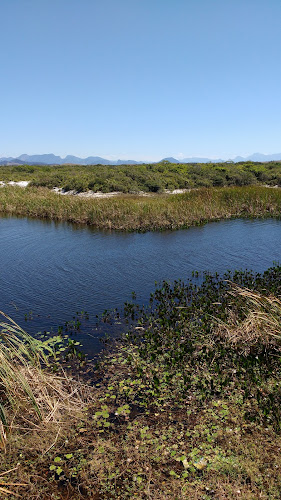
Restinga de Jurubatiba National Park is one of those rare wild places that still feels… well, wild. Stretching along the northern coast of Rio de Janeiro state, it protects the largest continuous strip of coastal restinga vegetation in Brazil. That means you’re stepping into a landscape that’s both fragile and fiercely alive — a patchwork of wind-shaped shrubs, sandy trails, shimmering lagoons, and beaches where you might not see another soul for hours. It’s not a manicured tourist park; it’s raw, a bit unpredictable, and that’s exactly its charm.
Some visitors come for the birdwatching — and yes, you can easily spot herons, sandpipers, and maybe even a rare species or two if you’re patient. Others are drawn to the 44 lagoons scattered throughout, each with its own personality. Lagoa de Jurubatiba is the star, a broad, mirror-like expanse that changes color with the light. The beaches here can be windswept and quiet, the kind of place where you might just sit in the sand and let the Atlantic’s rhythm take over your thoughts. And if you like hiking, the park’s trails range from short, kid-friendly walks to longer treks that’ll leave your calves humming.
Sure, it’s not perfect — facilities are minimal, and you might have to deal with some rough paths or the occasional closed area. But for those who love nature in its truest form, that’s part of the deal. It’s a place for slowing down, breathing deeply, and remembering what an untouched coastline really looks like.
Key Features
- Over 44 lagoons, each offering unique scenery and wildlife viewing opportunities
- Largest preserved stretch of coastal restinga vegetation in Brazil
- Secluded beaches along the Atlantic coast, often empty and peaceful
- Trails for all levels, from easy family-friendly walks to more challenging hikes
- Rich biodiversity, including endangered plant and animal species
- Popular for birdwatching, especially migratory shorebirds
- Opportunities for photography, especially at sunrise and sunset
- Boat trips available on certain lagoons for a different perspective
Best Time to Visit
If you ask the locals, they’ll tell you the park shows its best side between May and September. That’s the dry season, so the trails are less muddy, the skies are clearer, and the lagoons sparkle under softer sunlight. Summer (December to March) can be hot — really hot — and the sand heats up fast, so if you go then, plan your hikes early in the morning or late afternoon. I once made the mistake of starting a midday walk in January; let’s just say it was more of a slow shuffle from shade to shade.
For birdwatchers, migration periods in spring and autumn can be magical, with species you won’t see at other times. And if you’re after solitude, weekdays outside of school holidays are your golden ticket.
How to Get There
The park lies along the northern coast of Rio de Janeiro state, spanning parts of Macaé, Carapebus, and Quissamã. The most common entry points are near Macaé, which is about a three-hour drive from Rio de Janeiro city. Public transport options are limited, so renting a car is the easiest way to get there — plus it gives you the freedom to explore different lagoons and trailheads at your own pace.
From Macaé, you can follow local roads toward the park entrances, but note that some access points are sandy or unpaved. A regular car can usually handle them in dry weather, but after heavy rain, a 4×4 can be a lifesaver. If you’re not driving, some tour operators in Macaé and Carapebus offer guided trips, which can be a good option if you want local insights and don’t feel like navigating on your own.
Tips for Visiting
First things first: pack water. Even on cooler days, the coastal sun can be strong, and shade isn’t always easy to find. Wear a hat, sunscreen, and shoes you’re okay with getting sandy. If you’re planning to swim in a lagoon, check with locals or park staff about conditions — some have currents or deeper spots that aren’t obvious at first glance.
Bring binoculars if you’re into birdwatching; you’ll thank yourself later when you spot a distant flock skimming the water. And don’t expect big visitor centers or cafes — this is a bring-your-own-snacks kind of place. I like to pack a simple picnic and find a quiet spot by one of the smaller lagoons; it’s my version of a five-star lunch.
Also, keep in mind that cell signal can be patchy, so download maps ahead of time if you’re hiking. Respect the wildlife and the vegetation — the restinga ecosystem is fragile, and even a few careless steps off-trail can cause damage. Lastly, give yourself time. This isn’t a park to rush through in an hour. Let the pace slow you down, and you’ll leave with more than just photos — you’ll leave with that rare sense of having been somewhere truly unspoiled.
Key Features
- Over 44 lagoons, each offering unique scenery and wildlife viewing opportunities
- Largest preserved stretch of coastal restinga vegetation in Brazil
- Secluded beaches along the Atlantic coast, often empty and peaceful
- Trails for all levels, from easy family-friendly walks to more challenging hikes
- Rich biodiversity, including endangered plant and animal species
- Popular for birdwatching, especially migratory shorebirds
- Opportunities for photography, especially at sunrise and sunset
- Boat trips available on certain lagoons for a different perspective
You Might Also Like

Aerobunda

Aeródromo Campo Formoso - BA (SD27)

Aeroporto Municipal Orlando de Carvalho
Tours & Activities
GetYourGuide provides this tour inventory. We may earn a commission if you book through it; verify current availability, prices, and terms with the provider.
Visitor Reviews
There are no reviews yet. Be the first one to write one.
Share Your Experience
Have you visited Restinga National Park Jurubatiba? Help other travelers by leaving a review.