
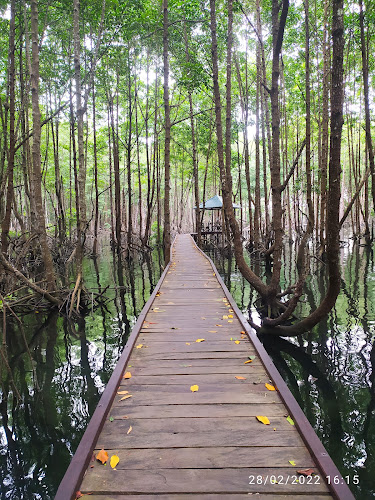
Kutai National Park
About Kutai National Park
Description
Kutai National Park is one of those rare places that still feels raw, untamed, and very much alive. Located in East Kalimantan, Indonesia, it’s a sanctuary where wild orangutans swing through the trees, hornbills cut across the sky, and the rainforest hums with a thousand unseen creatures. The park isn’t just about wildlife spotting—it’s about stepping into a living, breathing ecosystem that’s been here long before us and, hopefully, will be long after. It’s not a polished, manicured tourist attraction, and honestly, that’s the charm. The trails can be muddy, the air thick with humidity, and the calls of the forest both mysterious and a little eerie at times. But for travelers who crave authenticity over comfort, that’s exactly the magic.
There’s a certain honesty to the park’s setup. Facilities are basic—yes, there’s a restroom, but don’t expect luxury. Accessibility is limited, so it’s not the easiest destination for those with mobility challenges. And yet, that’s part of what keeps it feeling so untouched. Guided treks are the norm here, often led by rangers who know the forest like the back of their hand. They’ll take you off the beaten path (literally) to follow the rustle of leaves or the distant whoop of an orangutan. You’ll sweat, you’ll get dirty, and you’ll probably have moments where you wonder why you signed up for this… right before you catch sight of a mother orangutan cradling her baby high in the canopy, and suddenly, you remember exactly why you came.
Key Features
- Home to one of the largest populations of wild orangutans in Borneo
- Guided treks available in both morning and afternoon for better wildlife spotting
- Dense primary rainforest with rich biodiversity including hornbills, macaques, and sun bears
- Opportunities to observe ongoing conservation and research efforts
- Rustic facilities with minimal development for a truly wild experience
- Photography opportunities for both wildlife and lush landscapes
- Chance to learn directly from local rangers and conservationists
Best Time to Visit
If you ask me, the dry season—roughly June to September—is the sweet spot. The trails are less slippery, and you’ll have a better chance of spotting wildlife since animals tend to be more active and visible. That said, the rainforest doesn’t exactly have a “dry” dry season. You’ll still get rain, but it’s usually shorter bursts rather than all-day downpours. And honestly, there’s something almost cinematic about watching mist rise from the canopy after a rainstorm. If you visit in the wetter months, expect fewer crowds and a greener, lusher environment, but also be ready for leeches and knee-deep mud. It’s a trade-off, and it really depends on your tolerance for soggy socks.
How to Get There
Most travelers start their journey in Balikpapan, the main gateway city with an airport that connects to Jakarta and other major Indonesian hubs. From Balikpapan, it’s about a 6–8 hour drive to the park depending on road conditions and weather. Some choose to break the trip with a stop in Samarinda or Tenggarong to explore local culture before diving into the wilderness. Public transport options are limited and not exactly straightforward, so arranging a private car or joining a tour is the most practical choice. The final stretch into the park often involves bumpy roads, and sometimes even a short boat ride depending on your entry point. It’s not the easiest place to reach, but that’s exactly why it remains so special.
Tips for Visiting
First off, pack light but smart. Quick-dry clothes, a decent pair of hiking shoes, and a rain poncho will save you a lot of grief. Insect repellent is non-negotiable unless you enjoy being a buffet for mosquitoes. Bring a refillable water bottle and snacks—there aren’t convenience stores in the middle of the rainforest. If you’re a photography enthusiast, a zoom lens is worth its weight in gold here. And here’s a tip I learned the hard way: keep your electronics in waterproof bags, because the rainforest humidity is relentless.
Book your guided treks in advance, especially during peak months. The rangers are not just guides—they’re storytellers, trackers, and protectors of this fragile ecosystem. Listen to their advice, even if it means taking a longer route or skipping a certain area. Wildlife encounters are never guaranteed, but patience pays off. And lastly, keep your expectations flexible. This is a wild place, and nature doesn’t run on a schedule. Sometimes the best moments are the ones you didn’t plan for—like spotting a rare bird while you’re catching your breath on a steep climb, or hearing the forest come alive at dusk as you head back to camp.
Key Features
- Home to one of the largest populations of wild orangutans in Borneo
- Guided treks available in both morning and afternoon for better wildlife spotting
- Dense primary rainforest with rich biodiversity including hornbills, macaques, and sun bears
- Opportunities to observe ongoing conservation and research efforts
- Rustic facilities with minimal development for a truly wild experience
- Photography opportunities for both wildlife and lush landscapes
- Chance to learn directly from local rangers and conservationists
More Details
Updated August 10, 2025
Table of Contents
Description
Kutai National Park is one of those rare places that still feels raw, untamed, and very much alive. Located in East Kalimantan, Indonesia, it’s a sanctuary where wild orangutans swing through the trees, hornbills cut across the sky, and the rainforest hums with a thousand unseen creatures. The park isn’t just about wildlife spotting—it’s about stepping into a living, breathing ecosystem that’s been here long before us and, hopefully, will be long after. It’s not a polished, manicured tourist attraction, and honestly, that’s the charm. The trails can be muddy, the air thick with humidity, and the calls of the forest both mysterious and a little eerie at times. But for travelers who crave authenticity over comfort, that’s exactly the magic.
There’s a certain honesty to the park’s setup. Facilities are basic—yes, there’s a restroom, but don’t expect luxury. Accessibility is limited, so it’s not the easiest destination for those with mobility challenges. And yet, that’s part of what keeps it feeling so untouched. Guided treks are the norm here, often led by rangers who know the forest like the back of their hand. They’ll take you off the beaten path (literally) to follow the rustle of leaves or the distant whoop of an orangutan. You’ll sweat, you’ll get dirty, and you’ll probably have moments where you wonder why you signed up for this… right before you catch sight of a mother orangutan cradling her baby high in the canopy, and suddenly, you remember exactly why you came.
Key Features
- Home to one of the largest populations of wild orangutans in Borneo
- Guided treks available in both morning and afternoon for better wildlife spotting
- Dense primary rainforest with rich biodiversity including hornbills, macaques, and sun bears
- Opportunities to observe ongoing conservation and research efforts
- Rustic facilities with minimal development for a truly wild experience
- Photography opportunities for both wildlife and lush landscapes
- Chance to learn directly from local rangers and conservationists
Best Time to Visit
If you ask me, the dry season—roughly June to September—is the sweet spot. The trails are less slippery, and you’ll have a better chance of spotting wildlife since animals tend to be more active and visible. That said, the rainforest doesn’t exactly have a “dry” dry season. You’ll still get rain, but it’s usually shorter bursts rather than all-day downpours. And honestly, there’s something almost cinematic about watching mist rise from the canopy after a rainstorm. If you visit in the wetter months, expect fewer crowds and a greener, lusher environment, but also be ready for leeches and knee-deep mud. It’s a trade-off, and it really depends on your tolerance for soggy socks.
How to Get There
Most travelers start their journey in Balikpapan, the main gateway city with an airport that connects to Jakarta and other major Indonesian hubs. From Balikpapan, it’s about a 6–8 hour drive to the park depending on road conditions and weather. Some choose to break the trip with a stop in Samarinda or Tenggarong to explore local culture before diving into the wilderness. Public transport options are limited and not exactly straightforward, so arranging a private car or joining a tour is the most practical choice. The final stretch into the park often involves bumpy roads, and sometimes even a short boat ride depending on your entry point. It’s not the easiest place to reach, but that’s exactly why it remains so special.
Tips for Visiting
First off, pack light but smart. Quick-dry clothes, a decent pair of hiking shoes, and a rain poncho will save you a lot of grief. Insect repellent is non-negotiable unless you enjoy being a buffet for mosquitoes. Bring a refillable water bottle and snacks—there aren’t convenience stores in the middle of the rainforest. If you’re a photography enthusiast, a zoom lens is worth its weight in gold here. And here’s a tip I learned the hard way: keep your electronics in waterproof bags, because the rainforest humidity is relentless.
Book your guided treks in advance, especially during peak months. The rangers are not just guides—they’re storytellers, trackers, and protectors of this fragile ecosystem. Listen to their advice, even if it means taking a longer route or skipping a certain area. Wildlife encounters are never guaranteed, but patience pays off. And lastly, keep your expectations flexible. This is a wild place, and nature doesn’t run on a schedule. Sometimes the best moments are the ones you didn’t plan for—like spotting a rare bird while you’re catching your breath on a steep climb, or hearing the forest come alive at dusk as you head back to camp.
Key Highlights
- Home to one of the largest populations of wild orangutans in Borneo
- Guided treks available in both morning and afternoon for better wildlife spotting
- Dense primary rainforest with rich biodiversity including hornbills, macaques, and sun bears
- Opportunities to observe ongoing conservation and research efforts
- Rustic facilities with minimal development for a truly wild experience
- Photography opportunities for both wildlife and lush landscapes
- Chance to learn directly from local rangers and conservationists
Location
Places to Stay Near Kutai National Park
Find and Book a Tour
Explore More Travel Guides
No reviews found! Be the first to review!
Traveler Reviews for Kutai National Park
There are no reviews yet. Be the first one to write one.
Have you visited Kutai National Park? Help other travelers by sharing your review.
You Might Also Like

Find Accommodations Nearby
Recommended Tours & Activities
Visitor Reviews
There are no reviews yet. Be the first one to write one.
Share Your Experience
Have you visited Kutai National Park? Help other travelers by leaving a review.