
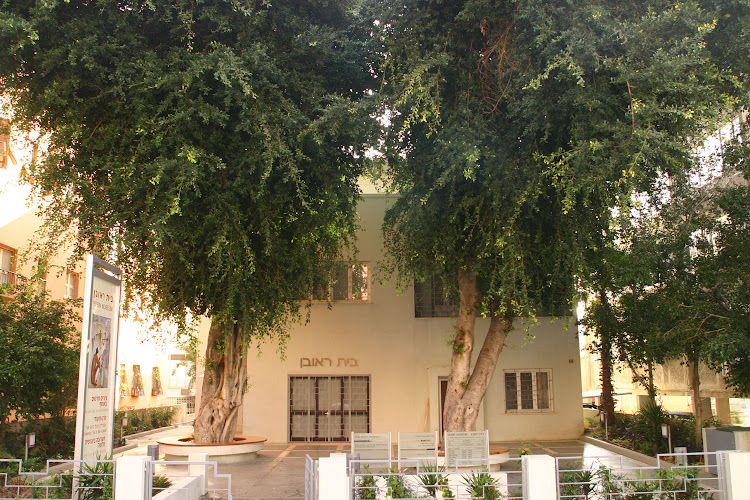
Rubin Museum
About Rubin Museum
Description
The Rubin Museum is one of those places that feels more like stepping into someone’s personal story than just walking into a museum. Housed in the former home of Reuben Rubin, one of Israel’s pioneering artists, the space carries both the intimacy of a residence and the depth of a gallery. Visitors often remark on how the rooms still echo with the warmth of a lived-in home, while at the same time, the walls are alive with paintings that capture the changing landscapes and people of Israel during the early 20th century. It’s not the kind of museum where you rush through; instead, it invites you to slow down, lean in close, and almost feel like you’re having a quiet conversation with the artist himself.
What makes it special is the personal touch. Rubin’s works are displayed alongside furniture, photographs, and little details from his life, which makes the experience less formal and more like being welcomed into a friend’s home. Some visitors absolutely adore this atmosphere, saying it feels authentic and soulful, while others might find it less grand compared to larger museums. But that’s part of its charm—it’s not trying to overwhelm you with size or spectacle. It’s more about connection, about seeing the world through Rubin’s eyes, and walking away with a deeper appreciation of the cultural roots he painted so vividly.
Key Features
- Original home of Reuben Rubin, preserved with a mix of art and personal items
- Extensive collection of Rubin’s paintings, sketches, and illustrations
- Rotating exhibitions that sometimes highlight other Israeli artists
- Wheelchair-accessible entrance and restrooms for ease of access
- Family-friendly environment, with exhibits that can engage children
- Quiet, intimate setting away from the busier tourist attractions
- Knowledgeable staff who share stories and context about Rubin’s life
Best Time to Visit
Honestly, this museum works well any time of year, but mornings tend to be the sweet spot. Arriving earlier in the day means fewer crowds, so you can take your time moving from room to room without feeling rushed. If you’re traveling during the hotter months, the museum’s calm indoor space is a welcome break from the sun. On cooler days, the natural light streaming through the house’s windows adds a beautiful glow to Rubin’s paintings. Personally, I think visiting during the shoulder seasons—spring and autumn—adds a little magic, because Rubin’s art often reflects the landscapes of Israel, and stepping outside afterward feels like an extension of what you’ve just seen inside.
How to Get There
The Rubin Museum is located in a central part of the city, which makes it fairly easy to reach. Public transportation is usually the most convenient option, with several bus lines stopping nearby. If you’re more comfortable with taxis or ride-sharing apps, that’s also straightforward and not too costly. For those who enjoy walking, pairing a visit here with a stroll through the surrounding streets is a great way to get a sense of the local neighborhood. Parking can be tricky at times, so unless you’re confident about navigating city driving, leaving the car behind might save you some stress. And if you’re like me, getting a little lost on foot sometimes leads to the best discoveries—small cafés, street art, or even a hidden bakery that wasn’t on your list.
Tips for Visiting
First and foremost, don’t rush. This isn’t a museum you “check off” quickly; it’s one you savor. Give yourself at least an hour or two, especially if you like to read the little notes and descriptions. Bring a curious mindset, because Rubin’s art is layered and often tells stories about the people and landscapes of Israel in ways that aren’t immediately obvious. If you’re traveling with kids, know that the museum is welcoming to families, though younger children may enjoy the visit more if you make it interactive by asking them what they see in the paintings.
Accessibility is well thought out, so visitors with mobility needs will find it manageable. There’s no restaurant inside, so plan to grab a bite before or after. Personally, I like to combine a visit here with a coffee stop nearby—it gives me time to sit and reflect on what I’ve just seen. And here’s a little personal tip: chat with the staff if you can. They often share small anecdotes about Rubin’s life or the history of the house that you won’t find printed on the walls. Those stories stick with you long after you’ve left.
Lastly, don’t be surprised if your experience feels different from what you might expect at a larger, more polished museum. Some people love the quiet intimacy, others might wish for more buzz. But if you’re open to it, the Rubin Museum offers something rare: a chance to step into the world of an artist in the very space where he lived and created. And that’s an experience you don’t stumble upon every day.
Key Features
- Original home of Reuben Rubin, preserved with a mix of art and personal items
- Extensive collection of Rubin’s paintings, sketches, and illustrations
- Rotating exhibitions that sometimes highlight other Israeli artists
- Wheelchair-accessible entrance and restrooms for ease of access
- Family-friendly environment, with exhibits that can engage children
- Quiet, intimate setting away from the busier tourist attractions
- Knowledgeable staff who share stories and context about Rubin’s life
More Details
Updated September 8, 2025
Table of Contents
Description
The Rubin Museum is one of those places that feels more like stepping into someone’s personal story than just walking into a museum. Housed in the former home of Reuben Rubin, one of Israel’s pioneering artists, the space carries both the intimacy of a residence and the depth of a gallery. Visitors often remark on how the rooms still echo with the warmth of a lived-in home, while at the same time, the walls are alive with paintings that capture the changing landscapes and people of Israel during the early 20th century. It’s not the kind of museum where you rush through; instead, it invites you to slow down, lean in close, and almost feel like you’re having a quiet conversation with the artist himself.
What makes it special is the personal touch. Rubin’s works are displayed alongside furniture, photographs, and little details from his life, which makes the experience less formal and more like being welcomed into a friend’s home. Some visitors absolutely adore this atmosphere, saying it feels authentic and soulful, while others might find it less grand compared to larger museums. But that’s part of its charm—it’s not trying to overwhelm you with size or spectacle. It’s more about connection, about seeing the world through Rubin’s eyes, and walking away with a deeper appreciation of the cultural roots he painted so vividly.
Key Features
- Original home of Reuben Rubin, preserved with a mix of art and personal items
- Extensive collection of Rubin’s paintings, sketches, and illustrations
- Rotating exhibitions that sometimes highlight other Israeli artists
- Wheelchair-accessible entrance and restrooms for ease of access
- Family-friendly environment, with exhibits that can engage children
- Quiet, intimate setting away from the busier tourist attractions
- Knowledgeable staff who share stories and context about Rubin’s life
Best Time to Visit
Honestly, this museum works well any time of year, but mornings tend to be the sweet spot. Arriving earlier in the day means fewer crowds, so you can take your time moving from room to room without feeling rushed. If you’re traveling during the hotter months, the museum’s calm indoor space is a welcome break from the sun. On cooler days, the natural light streaming through the house’s windows adds a beautiful glow to Rubin’s paintings. Personally, I think visiting during the shoulder seasons—spring and autumn—adds a little magic, because Rubin’s art often reflects the landscapes of Israel, and stepping outside afterward feels like an extension of what you’ve just seen inside.
How to Get There
The Rubin Museum is located in a central part of the city, which makes it fairly easy to reach. Public transportation is usually the most convenient option, with several bus lines stopping nearby. If you’re more comfortable with taxis or ride-sharing apps, that’s also straightforward and not too costly. For those who enjoy walking, pairing a visit here with a stroll through the surrounding streets is a great way to get a sense of the local neighborhood. Parking can be tricky at times, so unless you’re confident about navigating city driving, leaving the car behind might save you some stress. And if you’re like me, getting a little lost on foot sometimes leads to the best discoveries—small cafés, street art, or even a hidden bakery that wasn’t on your list.
Tips for Visiting
First and foremost, don’t rush. This isn’t a museum you “check off” quickly; it’s one you savor. Give yourself at least an hour or two, especially if you like to read the little notes and descriptions. Bring a curious mindset, because Rubin’s art is layered and often tells stories about the people and landscapes of Israel in ways that aren’t immediately obvious. If you’re traveling with kids, know that the museum is welcoming to families, though younger children may enjoy the visit more if you make it interactive by asking them what they see in the paintings.
Accessibility is well thought out, so visitors with mobility needs will find it manageable. There’s no restaurant inside, so plan to grab a bite before or after. Personally, I like to combine a visit here with a coffee stop nearby—it gives me time to sit and reflect on what I’ve just seen. And here’s a little personal tip: chat with the staff if you can. They often share small anecdotes about Rubin’s life or the history of the house that you won’t find printed on the walls. Those stories stick with you long after you’ve left.
Lastly, don’t be surprised if your experience feels different from what you might expect at a larger, more polished museum. Some people love the quiet intimacy, others might wish for more buzz. But if you’re open to it, the Rubin Museum offers something rare: a chance to step into the world of an artist in the very space where he lived and created. And that’s an experience you don’t stumble upon every day.
Key Highlights
- Original home of Reuben Rubin, preserved with a mix of art and personal items
- Extensive collection of Rubin’s paintings, sketches, and illustrations
- Rotating exhibitions that sometimes highlight other Israeli artists
- Wheelchair-accessible entrance and restrooms for ease of access
- Family-friendly environment, with exhibits that can engage children
- Quiet, intimate setting away from the busier tourist attractions
- Knowledgeable staff who share stories and context about Rubin’s life
Location
Places to Stay Near Rubin Museum
Find and Book a Tour
Explore More Travel Guides
No reviews found! Be the first to review!
Traveler Reviews for Rubin Museum
There are no reviews yet. Be the first one to write one.
Have you visited Rubin Museum? Help other travelers by sharing your review.
You Might Also Like
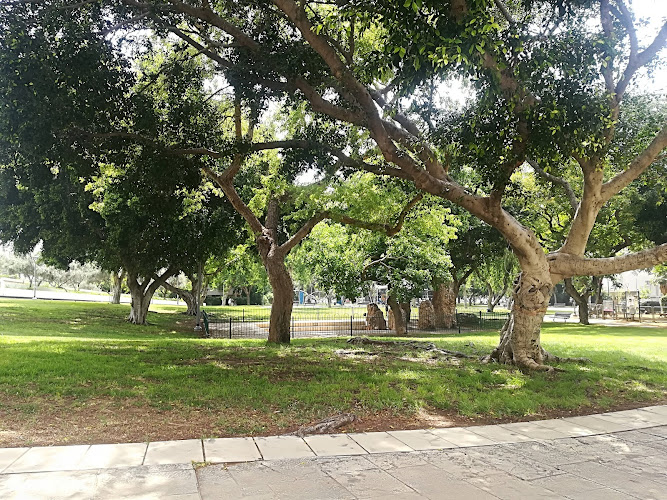
Dubnov Garden
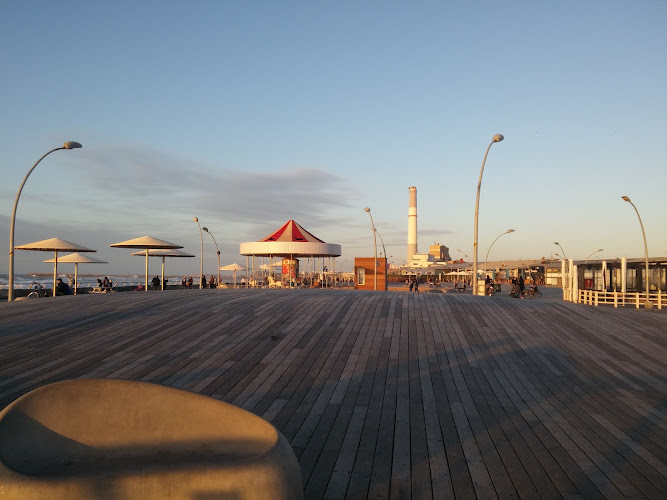
Tel Aviv Port
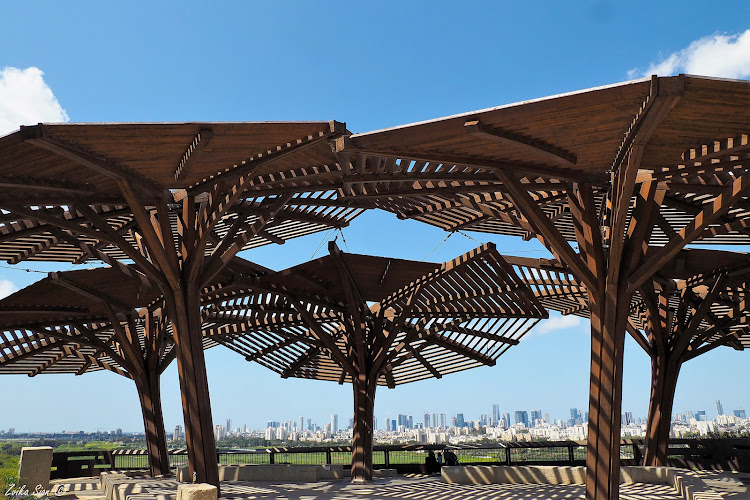
Ariel Sharon Park
Find Accommodations Nearby
Recommended Tours & Activities
Visitor Reviews
There are no reviews yet. Be the first one to write one.
Share Your Experience
Have you visited Rubin Museum? Help other travelers by leaving a review.