
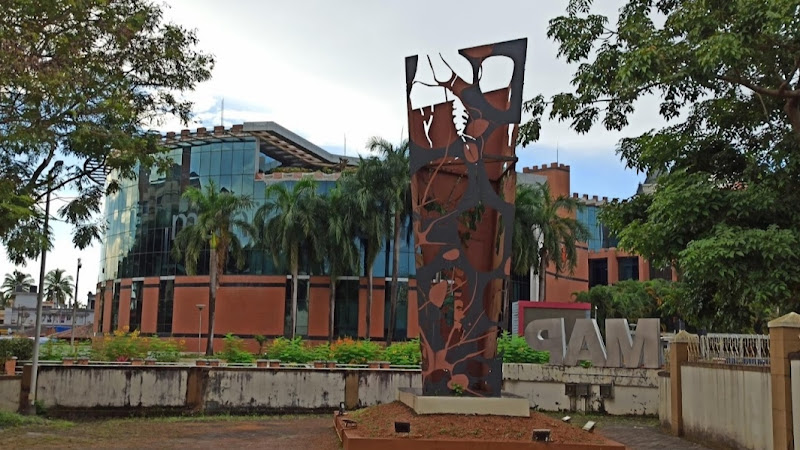
Manipal Museum of Anatomy & Pathology
About Manipal Museum of Anatomy & Pathology
Description
The Manipal Museum of Anatomy and Pathology is not your average museum—it’s one of those places that sticks with you long after you’ve walked out of its doors. Established in 1967, it has grown into one of the largest anatomy and pathology museums in Asia, housing more than 1,500 specimens. From human skeletons and preserved organs to animal bones and even rare embryological displays, the collection is vast, detailed, and, honestly, a little overwhelming in the best possible way. It’s both educational and slightly eerie, but that’s what makes it such a unique stop for travelers who crave something beyond the usual tourist checklist.
What makes this museum stand out is the way it balances science and storytelling. The specimens aren’t just lined up in glass jars; they’re arranged thoughtfully to explain how the human body works, how diseases affect organs, and how humans compare to animals. You don’t need to be a medical student to appreciate it. Even casual visitors can walk away with a deeper respect for the intricacies of life and the fragility of health. Of course, some people might find it a little too intense—especially the pathology section with diseased organs—but that’s part of its raw authenticity.
Most visitors describe the museum as clean, well-maintained, and surprisingly accessible. And yes, it’s kid-friendly, though I’d suggest gauging your child’s curiosity level before bringing them in. Personally, I remember my first visit as a student—it was fascinating, but I also had to look away a couple of times. That’s the beauty of it, though: it challenges you to face the realities of the human body, both in health and in disease.
Key Features
- Over 1,500 specimens including human skeletons, cross-sections, and preserved organs
- Animal skeletons and comparative anatomy displays
- Dedicated sections for normal anatomy and pathology
- Educational models and charts that simplify complex concepts
- One of the largest anatomy and pathology museums in Asia
- Wheelchair accessible with restrooms and free parking on-site
- Suitable for children with a curious mind
Best Time to Visit
The museum is open year-round, so timing really depends on your travel style. If you’re already in Manipal during the academic season, weekdays are quieter and better for exploring at your own pace. Weekends, on the other hand, tend to draw more families and student groups. Weather-wise, the cooler months from November to February make walking around the campus area more pleasant. I once visited during the monsoon season, and while the lush greenery outside was breathtaking, getting from one building to another without an umbrella was a bit of a comedy show.
How to Get There
Reaching the museum is pretty straightforward. Manipal is well-connected by road, and the nearest major town is Udupi. From there, it’s just a short drive or auto-rickshaw ride. If you’re flying in, the closest airport is in Mangaluru, which is about an hour and a half away by car. Trains also connect Udupi to major cities, making it convenient for those traveling from within Karnataka or neighboring states. Once you’re in Manipal, local transport is easy—autos, cabs, and even buses can get you to the museum without much hassle.
Tips for Visiting
First things first—give yourself at least an hour or two inside. Rushing through won’t do justice to the scale of the collection. If you’re squeamish, start with the anatomy section before moving into pathology. Trust me, it’s a smoother transition. And don’t forget to read the labels and charts; they’re surprisingly easy to understand, even if you don’t have a medical background.
Photography rules may vary, so check at the entrance before snapping away. Also, since there’s no restaurant inside, grab a bite beforehand or plan a meal afterward in one of Manipal’s many cafes. If you’re traveling with kids, prepare them for what they’ll see—some displays can be a bit graphic. On a practical note, wear comfy shoes because you’ll be walking and standing quite a bit.
I’d also say go in with an open mind. This isn’t just a museum; it’s a reminder of the marvel and mystery of life itself. And if you’re anything like me, you’ll walk out feeling a strange mix of awe, humility, and maybe even gratitude for your own health. It’s not a flashy tourist attraction, but it’s one that leaves an impression—and those are the best kind, aren’t they?
Key Features
- Over 1,500 specimens including human skeletons, cross-sections, and preserved organs
- Animal skeletons and comparative anatomy displays
- Dedicated sections for normal anatomy and pathology
- Educational models and charts that simplify complex concepts
- One of the largest anatomy and pathology museums in Asia
- Wheelchair accessible with restrooms and free parking on-site
- Suitable for children with a curious mind
More Details
Updated September 8, 2025
Table of Contents
- Description
- Key Features
- Best Time to Visit
- How to Get There
- Tips for Visiting
- Key Highlights
- Location
- Places to Stay Near Manipal Museum of Anatomy & Pathology
- Find and Book a Tour
- Explore More Travel Guides
- Nearby Places You Might Like
- Traveler Reviews for Manipal Museum of Anatomy & Pathology
- Share Your Experience
Description
The Manipal Museum of Anatomy and Pathology is not your average museum—it’s one of those places that sticks with you long after you’ve walked out of its doors. Established in 1967, it has grown into one of the largest anatomy and pathology museums in Asia, housing more than 1,500 specimens. From human skeletons and preserved organs to animal bones and even rare embryological displays, the collection is vast, detailed, and, honestly, a little overwhelming in the best possible way. It’s both educational and slightly eerie, but that’s what makes it such a unique stop for travelers who crave something beyond the usual tourist checklist.
What makes this museum stand out is the way it balances science and storytelling. The specimens aren’t just lined up in glass jars; they’re arranged thoughtfully to explain how the human body works, how diseases affect organs, and how humans compare to animals. You don’t need to be a medical student to appreciate it. Even casual visitors can walk away with a deeper respect for the intricacies of life and the fragility of health. Of course, some people might find it a little too intense—especially the pathology section with diseased organs—but that’s part of its raw authenticity.
Most visitors describe the museum as clean, well-maintained, and surprisingly accessible. And yes, it’s kid-friendly, though I’d suggest gauging your child’s curiosity level before bringing them in. Personally, I remember my first visit as a student—it was fascinating, but I also had to look away a couple of times. That’s the beauty of it, though: it challenges you to face the realities of the human body, both in health and in disease.
Key Features
- Over 1,500 specimens including human skeletons, cross-sections, and preserved organs
- Animal skeletons and comparative anatomy displays
- Dedicated sections for normal anatomy and pathology
- Educational models and charts that simplify complex concepts
- One of the largest anatomy and pathology museums in Asia
- Wheelchair accessible with restrooms and free parking on-site
- Suitable for children with a curious mind
Best Time to Visit
The museum is open year-round, so timing really depends on your travel style. If you’re already in Manipal during the academic season, weekdays are quieter and better for exploring at your own pace. Weekends, on the other hand, tend to draw more families and student groups. Weather-wise, the cooler months from November to February make walking around the campus area more pleasant. I once visited during the monsoon season, and while the lush greenery outside was breathtaking, getting from one building to another without an umbrella was a bit of a comedy show.
How to Get There
Reaching the museum is pretty straightforward. Manipal is well-connected by road, and the nearest major town is Udupi. From there, it’s just a short drive or auto-rickshaw ride. If you’re flying in, the closest airport is in Mangaluru, which is about an hour and a half away by car. Trains also connect Udupi to major cities, making it convenient for those traveling from within Karnataka or neighboring states. Once you’re in Manipal, local transport is easy—autos, cabs, and even buses can get you to the museum without much hassle.
Tips for Visiting
First things first—give yourself at least an hour or two inside. Rushing through won’t do justice to the scale of the collection. If you’re squeamish, start with the anatomy section before moving into pathology. Trust me, it’s a smoother transition. And don’t forget to read the labels and charts; they’re surprisingly easy to understand, even if you don’t have a medical background.
Photography rules may vary, so check at the entrance before snapping away. Also, since there’s no restaurant inside, grab a bite beforehand or plan a meal afterward in one of Manipal’s many cafes. If you’re traveling with kids, prepare them for what they’ll see—some displays can be a bit graphic. On a practical note, wear comfy shoes because you’ll be walking and standing quite a bit.
I’d also say go in with an open mind. This isn’t just a museum; it’s a reminder of the marvel and mystery of life itself. And if you’re anything like me, you’ll walk out feeling a strange mix of awe, humility, and maybe even gratitude for your own health. It’s not a flashy tourist attraction, but it’s one that leaves an impression—and those are the best kind, aren’t they?
Key Highlights
- Over 1,500 specimens including human skeletons, cross-sections, and preserved organs
- Animal skeletons and comparative anatomy displays
- Dedicated sections for normal anatomy and pathology
- Educational models and charts that simplify complex concepts
- One of the largest anatomy and pathology museums in Asia
- Wheelchair accessible with restrooms and free parking on-site
- Suitable for children with a curious mind
Location
Places to Stay Near Manipal Museum of Anatomy & Pathology
Find and Book a Tour
Explore More Travel Guides
No reviews found! Be the first to review!
Traveler Reviews for Manipal Museum of Anatomy & Pathology
There are no reviews yet. Be the first one to write one.
Have you visited Manipal Museum of Anatomy & Pathology? Help other travelers by sharing your review.
You Might Also Like
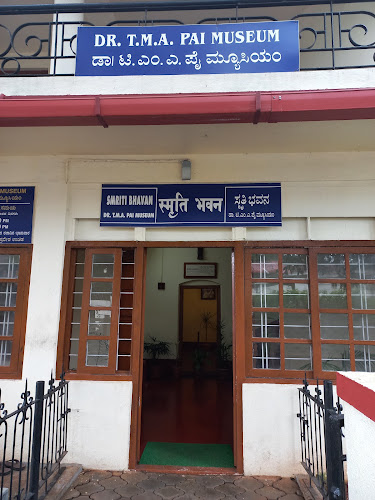
Smriti Bhavan Museum

Hasta Shilpa Heritage Village Museum

Sharada Children's Park
Find Accommodations Nearby
Recommended Tours & Activities
Visitor Reviews
There are no reviews yet. Be the first one to write one.
Share Your Experience
Have you visited Manipal Museum of Anatomy & Pathology? Help other travelers by leaving a review.