
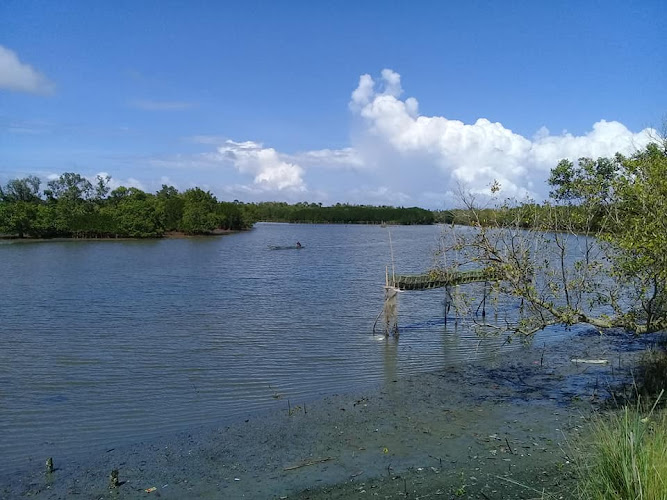
Culajao Mangrove Eco Park
About Culajao Mangrove Eco Park
Description
Culajao Mangrove Eco Park in Roxas City is one of those places that quietly works its way into your memory. It’s not flashy or overly commercialized — and honestly, that’s part of its charm. Spread across nearly five hectares of protected mangrove forest, this eco park is both a sanctuary for wildlife and a peaceful retreat for people who just want to breathe a little easier. The air here feels cleaner, the pace is slower, and there’s this soft hum of nature that you just don’t get in the city.
It’s a community-led conservation area, which means locals have a real stake in keeping it alive and thriving. You’ll see that pride in the way the trails are maintained and in how guides talk about the mangroves like they’re old friends. And while it’s a great spot for kids to learn about the environment without feeling like they’re in school, it’s also surprisingly soothing for adults who just need to unplug for an hour or two. Still, it’s not perfect — some areas could use a bit more upkeep, and if you’re expecting luxury facilities, you might be disappointed. But if you’re after authenticity and connection to nature, it’s hard to beat.
Key Features
- Nearly 5 hectares of protected mangrove forest with diverse plant and marine life.
- Boardwalk trails shaded by thick mangrove canopies, perfect for slow walks.
- Community-managed conservation project with knowledgeable local guides.
- Opportunities for birdwatching and spotting small marine creatures in their natural habitat.
- Educational displays about mangrove ecosystems and their role in coastal protection.
- Quiet picnic areas for small groups and families.
- Close proximity to Roxas City, making it easy to visit without a long commute.
Best Time to Visit
If you can, aim for the early morning or late afternoon. The light at those times makes the mangroves glow in a way that’s almost magical, and the temperature is far more forgiving. The dry season, typically from December to May, is ideal because the boardwalk stays dry and the air feels crisp. During the rainy months, the mangroves take on a wilder, moodier look — which can be beautiful in its own right — but you’ll need to be ready for muddy paths and the occasional splash from passing rain showers. Personally, I find the cooler months more comfortable, but if you love that earthy smell after rain, a wet-season visit might be your thing.
How to Get There
From the center of Roxas City, it’s just a short drive northeast — about 10 to 15 minutes if traffic’s light. Tricycles are the most common way to get there, and they’re affordable, though not the fastest option. If you’re traveling with a group or want more comfort, hiring a private car or van is a good call. Once you arrive, there’s a short walk from the road to the reception area, shaded by mangroves that feel like they’re already welcoming you in. And here’s a tip: wear comfortable walking shoes because while the boardwalk is smooth, the approach path can be a bit uneven.
Tips for Visiting
First off, bring water. It’s easy to underestimate how warm it can get, even under the shade of the mangroves. Insect repellent is also a must — this is a wetland, after all. If you’re a photography fan, a polarizing filter can help cut the glare from the water and make your shots pop. And don’t rush. This isn’t the kind of place you “do” in 20 minutes; it’s meant for slow exploration.
If you’re bringing kids, turn it into a little treasure hunt — spotting crabs, identifying different mangrove species, or counting birds. Just remember to keep noise down so you don’t scare off the wildlife. And while there might be a temptation to take “souvenirs” like shells or leaves, it’s better to leave everything as it is. The beauty of the park is in its untouched nature, and it should stay that way for the next person who wanders through. Finally, always check the weather before you go — a sudden downpour can cut a visit short, and trust me, walking back in soaked clothes isn’t the most fun way to end the day.
Key Features
- Nearly 5 hectares of protected mangrove forest with diverse plant and marine life.
- Boardwalk trails shaded by thick mangrove canopies, perfect for slow walks.
- Community-managed conservation project with knowledgeable local guides.
- Opportunities for birdwatching and spotting small marine creatures in their natural habitat.
- Educational displays about mangrove ecosystems and their role in coastal protection.
- Quiet picnic areas for small groups and families.
- Close proximity to Roxas City, making it easy to visit without a long commute.
More Details
Updated August 10, 2025
Table of Contents
Description
Culajao Mangrove Eco Park in Roxas City is one of those places that quietly works its way into your memory. It’s not flashy or overly commercialized — and honestly, that’s part of its charm. Spread across nearly five hectares of protected mangrove forest, this eco park is both a sanctuary for wildlife and a peaceful retreat for people who just want to breathe a little easier. The air here feels cleaner, the pace is slower, and there’s this soft hum of nature that you just don’t get in the city.
It’s a community-led conservation area, which means locals have a real stake in keeping it alive and thriving. You’ll see that pride in the way the trails are maintained and in how guides talk about the mangroves like they’re old friends. And while it’s a great spot for kids to learn about the environment without feeling like they’re in school, it’s also surprisingly soothing for adults who just need to unplug for an hour or two. Still, it’s not perfect — some areas could use a bit more upkeep, and if you’re expecting luxury facilities, you might be disappointed. But if you’re after authenticity and connection to nature, it’s hard to beat.
Key Features
- Nearly 5 hectares of protected mangrove forest with diverse plant and marine life.
- Boardwalk trails shaded by thick mangrove canopies, perfect for slow walks.
- Community-managed conservation project with knowledgeable local guides.
- Opportunities for birdwatching and spotting small marine creatures in their natural habitat.
- Educational displays about mangrove ecosystems and their role in coastal protection.
- Quiet picnic areas for small groups and families.
- Close proximity to Roxas City, making it easy to visit without a long commute.
Best Time to Visit
If you can, aim for the early morning or late afternoon. The light at those times makes the mangroves glow in a way that’s almost magical, and the temperature is far more forgiving. The dry season, typically from December to May, is ideal because the boardwalk stays dry and the air feels crisp. During the rainy months, the mangroves take on a wilder, moodier look — which can be beautiful in its own right — but you’ll need to be ready for muddy paths and the occasional splash from passing rain showers. Personally, I find the cooler months more comfortable, but if you love that earthy smell after rain, a wet-season visit might be your thing.
How to Get There
From the center of Roxas City, it’s just a short drive northeast — about 10 to 15 minutes if traffic’s light. Tricycles are the most common way to get there, and they’re affordable, though not the fastest option. If you’re traveling with a group or want more comfort, hiring a private car or van is a good call. Once you arrive, there’s a short walk from the road to the reception area, shaded by mangroves that feel like they’re already welcoming you in. And here’s a tip: wear comfortable walking shoes because while the boardwalk is smooth, the approach path can be a bit uneven.
Tips for Visiting
First off, bring water. It’s easy to underestimate how warm it can get, even under the shade of the mangroves. Insect repellent is also a must — this is a wetland, after all. If you’re a photography fan, a polarizing filter can help cut the glare from the water and make your shots pop. And don’t rush. This isn’t the kind of place you “do” in 20 minutes; it’s meant for slow exploration.
If you’re bringing kids, turn it into a little treasure hunt — spotting crabs, identifying different mangrove species, or counting birds. Just remember to keep noise down so you don’t scare off the wildlife. And while there might be a temptation to take “souvenirs” like shells or leaves, it’s better to leave everything as it is. The beauty of the park is in its untouched nature, and it should stay that way for the next person who wanders through. Finally, always check the weather before you go — a sudden downpour can cut a visit short, and trust me, walking back in soaked clothes isn’t the most fun way to end the day.
Key Highlights
- Nearly 5 hectares of protected mangrove forest with diverse plant and marine life.
- Boardwalk trails shaded by thick mangrove canopies, perfect for slow walks.
- Community-managed conservation project with knowledgeable local guides.
- Opportunities for birdwatching and spotting small marine creatures in their natural habitat.
- Educational displays about mangrove ecosystems and their role in coastal protection.
- Quiet picnic areas for small groups and families.
- Close proximity to Roxas City, making it easy to visit without a long commute.
Location
Places to Stay Near Culajao Mangrove Eco Park
Find and Book a Tour
Explore More Travel Guides
No reviews found! Be the first to review!
Traveler Reviews for Culajao Mangrove Eco Park
There are no reviews yet. Be the first one to write one.
Have you visited Culajao Mangrove Eco Park? Help other travelers by sharing your review.
You Might Also Like

Ang Panublion Museum
Loctugan Public Plaza
GraceRTWshop
Find Accommodations Nearby
Recommended Tours & Activities
Visitor Reviews
There are no reviews yet. Be the first one to write one.
Share Your Experience
Have you visited Culajao Mangrove Eco Park? Help other travelers by leaving a review.