
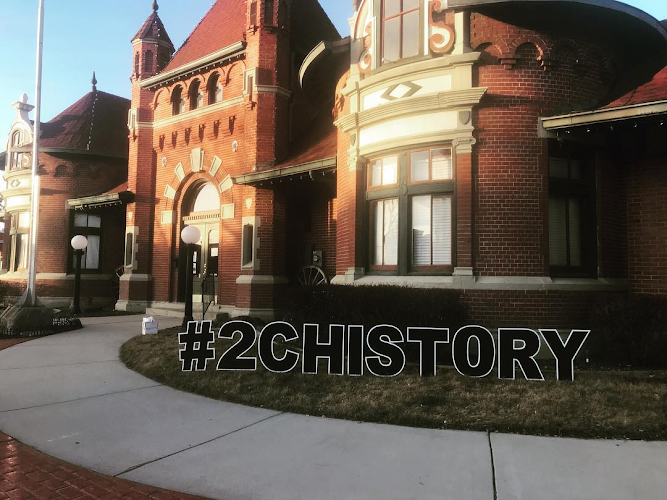
Canyon County Historical Society’s Nampa Train Depot Museum
About Canyon County Historical Society’s Nampa Train Depot Museum
Description
The Canyon County Historical Society’s Nampa Train Depot Museum occupies a genuine piece of railroad history. Built as a working train depot in 1903, the building itself is the first exhibit: original timbers, ticket windows, and the low-slung platform still whisper the comings and goings of an earlier era. Inside, the museum presents a focused, human-sized collection of local artifacts that trace Nampa and Canyon County from the turn of the 20th century through mid-century developments. It’s the kind of place where a single photograph or a brass telegraph key can pivot an afternoon’s curiosity into a full-on story about families, farms, and freight.
The museum is run largely by volunteers who know their stuff and enjoy sharing it. They’ll point out the small, surprising details — like the way the depot’s molding was cut to make room for leather suitcases or the original freight ledger pages that list goods shipped to nearby towns. Tours are available and often led by people with living connections to the stories on display, which gives visits an immediacy that pure-text exhibits often lack. And while the museum is modest in size, that modesty works in its favor: nothing feels staged or anonymous. Every artifact has a provenance and, frequently, a local anecdote attached.
Accessibility is taken seriously. The building offers a wheelchair accessible entrance and parking, plus an accessible restroom, which makes the museum a practical stop for travelers of varying mobility. Families find it welcoming: kids can touch certain hands-on displays, and the layout is compact enough that younger visitors don’t get overwhelmed. The site does not have an on-site restaurant, so plan food stops before or after the visit, but restrooms are available for guests. Active military receive discounts, which is a small but meaningful gesture that reflects the museum’s community-minded approach.
Visitors often remark on the friendly, lived-in feel. The volunteers aren’t curators in blazer-and-gloves mode; they’re neighbors, historians, retired railroad hands, and people who grew up in town. This creates a conversational pace to self-guided or guided tours that makes learning easy and enjoyable. For travelers who appreciate authenticity over flash, the depot offers a dose of local color and context that’s rare in larger, glossier institutions. It’s a micro-museum with heart, and one that rewards curiosity and conversation.
Key Features
- Historic 1903 train depot building preserved as the museum’s primary exhibit
- Focused local history collection featuring artifacts related to railroading, agriculture, commerce, and daily life in Canyon County
- Volunteer-led guided tours that add personal narratives and behind-the-scenes insight
- Wheelchair accessible entrance, parking lot, and restroom for easier access
- Family-friendly environment with kid-oriented displays and hands-on elements
- Active military discounts available — bring ID to confirm eligibility
- On-site restrooms, though no restaurant or café; plan dining elsewhere
- Small, intimate galleries that make for relaxed, conversational visits rather than large museum wanderings
- Opportunities to ask volunteers about genealogy, local businesses, and railroad operations past and present
Best Time to Visit
Timing matters—particularly at a volunteer-run museum where staffing and special programming can vary. Weekday mornings are often the quietest, giving visitors space and time to linger over exhibits and to chat with volunteers without feeling rushed. For those who enjoy a bit more bustle, mid-afternoons on weekends tend to be livelier but still manageable. Peak tourist season in the region (late spring through early fall) brings out more families and school groups, so if one craves a calmer, reflective visit, shoulder seasons like late March to early May and September to early November are attractive choices.
Weather-wise, indoor exhibits make the depot a reliable rainy-day or hot-summer refuge. But fair-weather travelers may prefer to combine a museum visit with a stroll along nearby streets or a picnic nearby. If a guided tour is a priority, it’s wise to check in advance or call ahead, since volunteers occasionally hold special tours or local-history talks that can add real depth to a visit. And if an exhibit sounds particularly appealing, plan to arrive early in the day — rotating exhibits or special displays can draw the local crowd fast.
How to Get There
The museum sits close to the historic rail corridor that shaped Nampa’s growth, making it easy to locate for anyone familiar with downtown landmarks. Visitors arriving by car will find accessible parking at the site; spots for accessible parking are clearly marked, and the entrance is street-level. For those using ride-share services, there’s a convenient drop-off area near the entrance that avoids long walks over uneven ground.
Public transit options can vary, so travelers relying on buses should check local schedules in advance. Many visitors combine a depot visit with a short walk through nearby parts of the city, which is handy if they want to explore local shops or cafés afterward. Bicyclists will find getting to the museum straightforward, and there’s room to secure a bike while viewing exhibits. For out-of-towners navigating by GPS, searching for the museum name or the Canyon County Historical Society will generally guide them to the right neighborhood without fuss.
Tips for Visiting
Plan around the museum’s size. It’s intimate, and most visitors find a 45 to 90-minute window plenty to take in the artifacts, talk with volunteers, and take pictures. Bring a camera — low lighting in parts creates moodier shots, and volunteers often enjoy pointing out the more photogenic features, like original signage or the restored ticket counter. That said, be respectful: some artifacts are fragile and not for handling.
Check hours before you go. Because the museum depends on volunteers, opening hours can shift for holidays, community events, or staffing constraints. A quick call or a checked schedule saves disappointment. If a guided tour is important, ask about times; tours can make dry facts sparkle because the people telling them usually have local connections or family stories that aren’t written on placards.
Take advantage of conversations. Volunteers are the museum’s secret weapon; they tend to know nuances that don’t make it into the permanent displays — who donated a quilt, which family kept a merchant ledger for generations, which freight route put the town on the map. Ask questions about genealogy resources if that’s of interest. Even if the museum can’t do deep archival work on the spot, volunteers can often point visitors toward online resources, local groups, or county records that will help continue the research.
Be mindful of food and drink policy. There’s no on-site restaurant, and museums of this size usually prefer that visitors don’t eat in the exhibit spaces. Pack a small snack for after the tour or plan to visit a nearby café. Also, military members should remember to bring ID to access discounts. Donations and memberships directly support preservation efforts and programming, so consider contributing if the visit felt valuable.
Bring kids’ curiosity. The museum rewards small detectives — a child who asks why a telegraph key was important will probably get a demonstration and a story. Pair a visit with a simple scavenger hunt for common items like old suitcases, ledger books, or embossed railroad tools; it keeps little ones engaged and turns the whole outing into a mini-adventure.
Finally, combine the stop with other local experiences. The depot sits within a community that’s proud of its past and often hosts seasonal events, parades, or neighborhood markets. A morning at the museum followed by lunch at a nearby café and a stroll through historic streets is a low-effort, high-reward plan for travelers who want context as well as content. And if travelers fall in love with local stories, they’ll find ways to take a piece of that history home — often in the form of a museum membership, a donated reproduction, or simply stories shared at the dinner table that night.
All told, the Canyon County Historical Society’s Nampa Train Depot Museum is a compact, well-maintained stop that appeals to history-minded travelers, families, and anyone curious about how rail and community life intertwined in Idaho’s past. It’s not flashy, and it doesn’t try to be. Instead, it leans into authenticity, local knowledge, and human-scale storytelling — the exact kind of place where a traveler can pause, ask a question, and come away feeling that the town’s past is a little less distant.
Key Features
- Historic 1903 train depot building preserved as the museum’s primary exhibit
- Focused local history collection featuring artifacts related to railroading, agriculture, commerce, and daily life in Canyon County
- Volunteer-led guided tours that add personal narratives and behind-the-scenes insight
- Wheelchair accessible entrance, parking lot, and restroom for easier access
- Family-friendly environment with kid-oriented displays and hands-on elements
- Active military discounts available — bring ID to confirm eligibility
- On-site restrooms, though no restaurant or café; plan dining elsewhere
- Small, intimate galleries that make for relaxed, conversational visits rather than large museum wanderings
More Details
Updated August 30, 2025
Table of Contents
- Description
- Key Features
- Best Time to Visit
- How to Get There
- Tips for Visiting
- Key Highlights
- Location
- Places to Stay Near Canyon County Historical Society's Nampa Train Depot Museum
- Find and Book a Tour
- Explore More Travel Guides
- Nearby Places You Might Like
- Traveler Reviews for Canyon County Historical Society’s Nampa Train Depot Museum
- Share Your Experience
Description
The Canyon County Historical Society’s Nampa Train Depot Museum occupies a genuine piece of railroad history. Built as a working train depot in 1903, the building itself is the first exhibit: original timbers, ticket windows, and the low-slung platform still whisper the comings and goings of an earlier era. Inside, the museum presents a focused, human-sized collection of local artifacts that trace Nampa and Canyon County from the turn of the 20th century through mid-century developments. It’s the kind of place where a single photograph or a brass telegraph key can pivot an afternoon’s curiosity into a full-on story about families, farms, and freight.
The museum is run largely by volunteers who know their stuff and enjoy sharing it. They’ll point out the small, surprising details — like the way the depot’s molding was cut to make room for leather suitcases or the original freight ledger pages that list goods shipped to nearby towns. Tours are available and often led by people with living connections to the stories on display, which gives visits an immediacy that pure-text exhibits often lack. And while the museum is modest in size, that modesty works in its favor: nothing feels staged or anonymous. Every artifact has a provenance and, frequently, a local anecdote attached.
Accessibility is taken seriously. The building offers a wheelchair accessible entrance and parking, plus an accessible restroom, which makes the museum a practical stop for travelers of varying mobility. Families find it welcoming: kids can touch certain hands-on displays, and the layout is compact enough that younger visitors don’t get overwhelmed. The site does not have an on-site restaurant, so plan food stops before or after the visit, but restrooms are available for guests. Active military receive discounts, which is a small but meaningful gesture that reflects the museum’s community-minded approach.
Visitors often remark on the friendly, lived-in feel. The volunteers aren’t curators in blazer-and-gloves mode; they’re neighbors, historians, retired railroad hands, and people who grew up in town. This creates a conversational pace to self-guided or guided tours that makes learning easy and enjoyable. For travelers who appreciate authenticity over flash, the depot offers a dose of local color and context that’s rare in larger, glossier institutions. It’s a micro-museum with heart, and one that rewards curiosity and conversation.
Key Features
- Historic 1903 train depot building preserved as the museum’s primary exhibit
- Focused local history collection featuring artifacts related to railroading, agriculture, commerce, and daily life in Canyon County
- Volunteer-led guided tours that add personal narratives and behind-the-scenes insight
- Wheelchair accessible entrance, parking lot, and restroom for easier access
- Family-friendly environment with kid-oriented displays and hands-on elements
- Active military discounts available — bring ID to confirm eligibility
- On-site restrooms, though no restaurant or café; plan dining elsewhere
- Small, intimate galleries that make for relaxed, conversational visits rather than large museum wanderings
- Opportunities to ask volunteers about genealogy, local businesses, and railroad operations past and present
Best Time to Visit
Timing matters—particularly at a volunteer-run museum where staffing and special programming can vary. Weekday mornings are often the quietest, giving visitors space and time to linger over exhibits and to chat with volunteers without feeling rushed. For those who enjoy a bit more bustle, mid-afternoons on weekends tend to be livelier but still manageable. Peak tourist season in the region (late spring through early fall) brings out more families and school groups, so if one craves a calmer, reflective visit, shoulder seasons like late March to early May and September to early November are attractive choices.
Weather-wise, indoor exhibits make the depot a reliable rainy-day or hot-summer refuge. But fair-weather travelers may prefer to combine a museum visit with a stroll along nearby streets or a picnic nearby. If a guided tour is a priority, it’s wise to check in advance or call ahead, since volunteers occasionally hold special tours or local-history talks that can add real depth to a visit. And if an exhibit sounds particularly appealing, plan to arrive early in the day — rotating exhibits or special displays can draw the local crowd fast.
How to Get There
The museum sits close to the historic rail corridor that shaped Nampa’s growth, making it easy to locate for anyone familiar with downtown landmarks. Visitors arriving by car will find accessible parking at the site; spots for accessible parking are clearly marked, and the entrance is street-level. For those using ride-share services, there’s a convenient drop-off area near the entrance that avoids long walks over uneven ground.
Public transit options can vary, so travelers relying on buses should check local schedules in advance. Many visitors combine a depot visit with a short walk through nearby parts of the city, which is handy if they want to explore local shops or cafés afterward. Bicyclists will find getting to the museum straightforward, and there’s room to secure a bike while viewing exhibits. For out-of-towners navigating by GPS, searching for the museum name or the Canyon County Historical Society will generally guide them to the right neighborhood without fuss.
Tips for Visiting
Plan around the museum’s size. It’s intimate, and most visitors find a 45 to 90-minute window plenty to take in the artifacts, talk with volunteers, and take pictures. Bring a camera — low lighting in parts creates moodier shots, and volunteers often enjoy pointing out the more photogenic features, like original signage or the restored ticket counter. That said, be respectful: some artifacts are fragile and not for handling.
Check hours before you go. Because the museum depends on volunteers, opening hours can shift for holidays, community events, or staffing constraints. A quick call or a checked schedule saves disappointment. If a guided tour is important, ask about times; tours can make dry facts sparkle because the people telling them usually have local connections or family stories that aren’t written on placards.
Take advantage of conversations. Volunteers are the museum’s secret weapon; they tend to know nuances that don’t make it into the permanent displays — who donated a quilt, which family kept a merchant ledger for generations, which freight route put the town on the map. Ask questions about genealogy resources if that’s of interest. Even if the museum can’t do deep archival work on the spot, volunteers can often point visitors toward online resources, local groups, or county records that will help continue the research.
Be mindful of food and drink policy. There’s no on-site restaurant, and museums of this size usually prefer that visitors don’t eat in the exhibit spaces. Pack a small snack for after the tour or plan to visit a nearby café. Also, military members should remember to bring ID to access discounts. Donations and memberships directly support preservation efforts and programming, so consider contributing if the visit felt valuable.
Bring kids’ curiosity. The museum rewards small detectives — a child who asks why a telegraph key was important will probably get a demonstration and a story. Pair a visit with a simple scavenger hunt for common items like old suitcases, ledger books, or embossed railroad tools; it keeps little ones engaged and turns the whole outing into a mini-adventure.
Finally, combine the stop with other local experiences. The depot sits within a community that’s proud of its past and often hosts seasonal events, parades, or neighborhood markets. A morning at the museum followed by lunch at a nearby café and a stroll through historic streets is a low-effort, high-reward plan for travelers who want context as well as content. And if travelers fall in love with local stories, they’ll find ways to take a piece of that history home — often in the form of a museum membership, a donated reproduction, or simply stories shared at the dinner table that night.
All told, the Canyon County Historical Society’s Nampa Train Depot Museum is a compact, well-maintained stop that appeals to history-minded travelers, families, and anyone curious about how rail and community life intertwined in Idaho’s past. It’s not flashy, and it doesn’t try to be. Instead, it leans into authenticity, local knowledge, and human-scale storytelling — the exact kind of place where a traveler can pause, ask a question, and come away feeling that the town’s past is a little less distant.
Key Highlights
- Historic 1903 train depot building preserved as the museum’s primary exhibit
- Focused local history collection featuring artifacts related to railroading, agriculture, commerce, and daily life in Canyon County
- Volunteer-led guided tours that add personal narratives and behind-the-scenes insight
- Wheelchair accessible entrance, parking lot, and restroom for easier access
- Family-friendly environment with kid-oriented displays and hands-on elements
- Active military discounts available — bring ID to confirm eligibility
- On-site restrooms, though no restaurant or café; plan dining elsewhere
- Small, intimate galleries that make for relaxed, conversational visits rather than large museum wanderings
Location
Places to Stay Near Canyon County Historical Society's Nampa Train Depot Museum
Find and Book a Tour
Explore More Travel Guides
No reviews found! Be the first to review!
Traveler Reviews for Canyon County Historical Society’s Nampa Train Depot Museum
There are no reviews yet. Be the first one to write one.
Have you visited Canyon County Historical Society’s Nampa Train Depot Museum? Help other travelers by sharing your review.
You Might Also Like
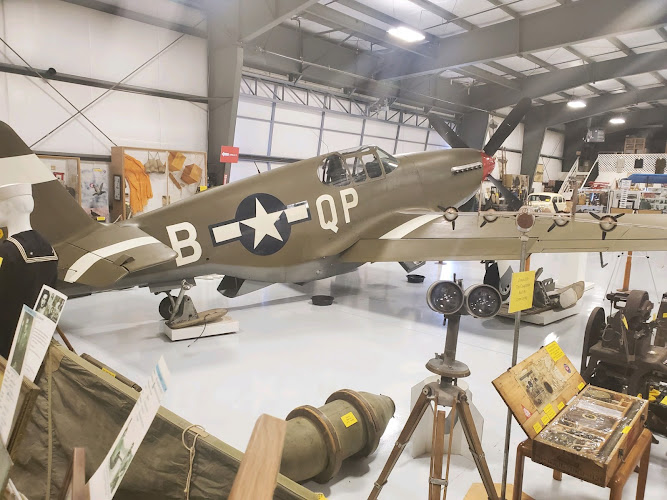
Warhawk Air Museum
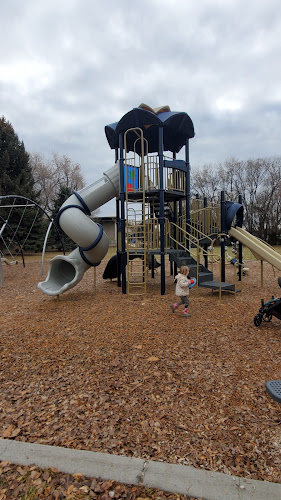
City Acres Park
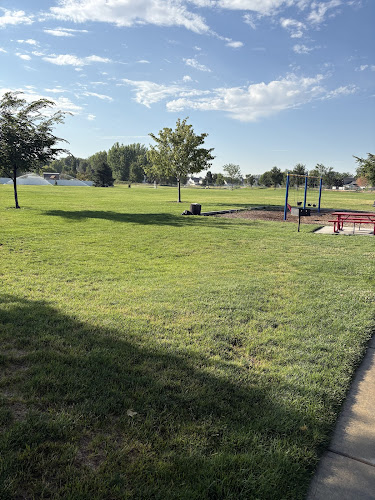
Osborne Park
Find Accommodations Nearby
Recommended Tours & Activities
Visitor Reviews
There are no reviews yet. Be the first one to write one.
Share Your Experience
Have you visited Canyon County Historical Society’s Nampa Train Depot Museum? Help other travelers by leaving a review.