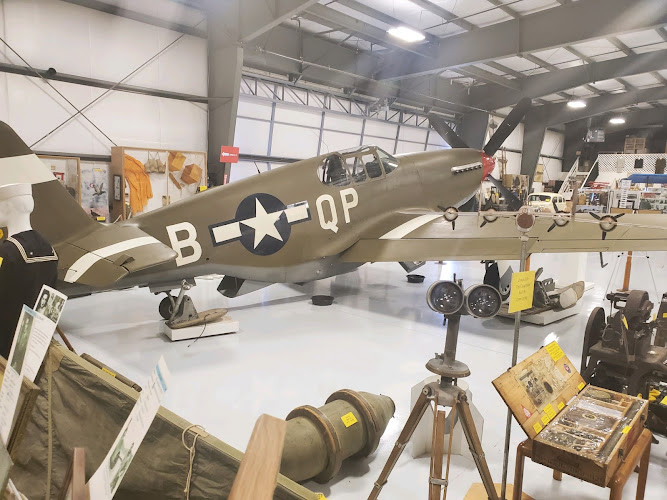
Exhibits focus on aircraft themselves—metal, fabric, rivets, cockpit panels—and the human stories that rode inside them: pilots, mechanics, families, and the memorabilia they kept. The collection includes restored fighters, trainers, and support aircraft, plus uniforms, patches, photographs, and flight gear that make history feel immediate rather than distant.
Visitors who appreciate mechanical detail will enjoy studying instrument panels up close. Those seeking narrative will find letters, logbooks, and personal artifacts that stitch together combat and training experiences. The museum emphasizes preservation: many planes are restored to static display quality, and some are maintained to a standard where they taxi for demonstrations on special occasions. It’s the kind of place where a child’s wide eyes meet an engine cowling, and an older visitor quietly points out a detail that sparks a memory—there’s real human texture here.
The Warhawk is accessible and practical. It offers onsite services like guided tours, has wheelchair-accessible entrances and restrooms, and a no-fuss parking situation. There’s a cafe for midday refueling and a gift shop where collectors and kids can take home a piece of the visit. The museum’s volunteer base and staff are often noted for their willingness to talk—so expect friendly, sometimes opinionated, explanations. The writer once overheard a volunteer recounting a pilot’s near-miraculous landing; the story made the whole hangar hush for a beat. Those little moments are part of the charm.
Key Features
- Family-friendly layout and exhibits suitable for children and school groups
- Wi-Fi available for visitors who need to stay connected
Best Time to Visit
Spring through early fall tends to be the most comfortable window for visiting, simply because airport hangars warm up quickly in winter and events are more likely during warmer months. Weekdays, especially mid-mornings after opening, are quieter—perfect for people who like to read each placard, take photos without a crowd, and linger under a plane wing. If someone wants to catch guided tours or volunteer talks, it’s smart to check ahead and coordinate a visit around those schedules; volunteers often lead the most illuminating walkthroughs.
Weekends will draw families and groups; that’s when the energy is lively but also when lines form at the cafe and gift shop. For those after a more contemplative experience, weekday afternoons can yield serendipitous conversations with docents. The writer remembers stopping in on a Tuesday and ending up chatting for nearly an hour with a former maintenance chief about how radios were wired in the 1940s—time flew, pun intended.
Special events—sometimes restorations, open hangar days, or anniversary celebrations—offer unique access but expect more visitors. If an event calendar lists a restoration demonstration or an anniversary fly-in, snag that visit. It’s one thing to see a cockpit behind a rope and another to watch a restoration volunteer lift a panel and explain the process in real time.
How to Get There
The Warhawk Air Museum sits near regional transportation arteries that make driving the most straightforward option for most visitors. Free on-site parking simplifies arrival: no meter hunting, no cramped lots, and a short walk from the lot to the museum entrance. Those traveling by rideshare or taxi will find drop-off convenient and close to accessible entries.
Public transport options in the immediate area are limited compared with larger urban centers, so visitors coming from out of town will likely pair the museum with a rental car or a local driver. For travelers planning a road trip through Idaho or the Pacific Northwest, the museum is an easy and satisfying stop to break up a drive—planes, coffee, and a stretch for the legs make for a pleasant detour.
For pilots thinking of flying in: the museum is adjacent to a general aviation field (note: verify runway and operational details through official aviation channels before planning). For the rest of the public, standard driving directions and the free parking are the practical realities—simple, predictable, and low-stress. The parking lot is flat and close to the entrance, which is a small but meaningful detail for anyone navigating with kids or luggage—or a heavy curiosity about radial engines.
Tips for Visiting
Plan at least two hours. Many visitors breeze through in an hour and miss the layers: personal stories, restoration notes, and smaller displays tucked between the big metal birds. Two hours lets visitors read several exhibit cards, take photos, enjoy a coffee, and poke around the gift shop without a rush.
Come prepared for cool hangar air. Even on warm days, large open spaces with high ceilings can be chilly. A light jacket or sweater is a sensible add-on, especially for seniors and children. Comfortable shoes are a must; there’s a surprising amount of ground to cover and some uneven flooring near display areas that were once functional tie-down points and taxiways.
Ask questions. The volunteers and staff often have direct knowledge—mechanics who worked on restorations, former pilots with first-hand tales, or curators who can point to a tiny insignia with a fascinating backstory. The best moments at the Warhawk come from those short exchanges. The writer still remembers the smell of oil and coffee during one such chat, and how a volunteer’s offhand remark about a pilot’s nickname made the plane feel less like an exhibit and more like a character in a grander story.
Take photos—but be respectful. Photography is generally encouraged, but some artifacts may be sensitive to flash or have signage requesting no close contact. Family photos with kids in front of a cockpit make for great souvenirs, but respect ropes and boundaries. If a docent or staff member mentions fragile vintage fabric or flaking paint, step back and listen; preservation is a careful business.
Budget for the gift shop and cafe. The cafe is small but reliable for sandwiches and coffee; the gift shop has books, patches, and model planes that are often very well curated. These purchases support the museum’s upkeep and restoration projects—an effective way to leave a tip in a form that keeps history running.
Consider guided tours. They transform a visit from passive to active learning. Tours often include anecdotes, technical explanations, and pathways through the collection that a self-guided visit might not reveal. If group tours aren’t available that day, docents are usually happy to chat informally.
Accessibility matters here. The museum provides wheelchair-accessible entrances, parking, and restrooms, making it a thoughtful option for visitors with mobility needs. If someone requires special accommodations, contacting the museum ahead of time can smooth logistics—staff tend to be accommodating and practical about arranging an easier route or quieter times to visit.
Finally, bring curiosity. This is an aviation museum that rewards the curious: the person who wonders about the story behind a scratched cockpit glass or the origin of a faded insignia will be rewarded. The Warhawk isn’t a sterile display case; it’s a place where machines meet memory, and where rust and polish both say something meaningful. Leave room for at least one unexpected conversation—those are the moments that stick.
 Real Journey Travels