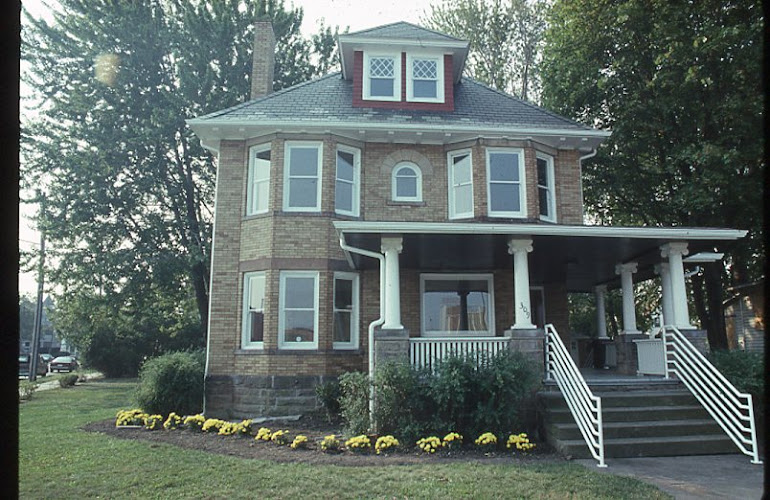
Built in 1907 as the family home of the Moore family, the house has been stewarded by community volunteers and staff who are passionate about local preservation. As of 2024, the property is not regularly open for daily tours; staff and volunteers are actively preparing the space for future programs, so visits tend to happen during scheduled Open House events and special programs. Visitors who enjoy historic architecture, period rooms, and intimate performance-based programming will find the Moore House especially appealing when it is open.
The atmosphere inside is intentionally small-scale: think parlor concerts, docent-led stories, and close-up views of original woodwork and period furnishings rather than the echoing galleries of big museums. Live performances have become a highlight of the site’s programming, offering an almost theatrical way to experience local history. The Lorain Historical Society operates the museum with a volunteer-first spirit; this means staffing is friendly, informal, and deeply knowledgeable about the people who once lived there. That personal touch is what sets the Moore House apart from larger institutions—it’s less about blockbuster exhibits and more about conversations, neighborhood memory, and community care of historic fabric.
Practical amenities are modest but useful: the museum offers a small gift shop, restroom facilities, free parking in an on-site lot, and docent tours during events. The site also welcomes families—children find the period rooms and stories engaging, and programming often reflects an educational, kid-friendly slant. On the flip side, accessibility is partial: the parking lot is wheelchair accessible, but the building itself does not offer an accessible entrance, restroom, or seating. The museum does not currently have an assistive hearing loop. Those details matter for planning, so the Lorain Historical Society encourages visitors to check event notices and reach out ahead of a visit if accessibility accommodations are required.
Because it is volunteer-run and project-focused, the Moore House experience is a bit like dropping in on a living community project. There are times when restoration work is visible — scaffolding, paint, volunteers with tools — and for many visitors that behind-the-scenes feel is part of the charm. It’s a museum that lives in process, and that makes each visit feel a touch unique.
Key Features
- Offers occasional guided tours during Open House events rather than daily public hours (as of 2024)
- Volunteer opportunities and membership options for those who want to support preservation
Best Time to Visit
The Moore House Museum makes the most sense to visit during scheduled Open House events, programmed lectures, and live performances. These events are when the house is actively staffed, rooms are interpretively arranged, and educational materials are available. In general, late spring through early fall tends to host a higher concentration of public programming, community concerts, and family-friendly activities, but holiday-themed events in late fall and early winter can also be especially memorable.
Weekends, and especially Saturday afternoons, are often the most reliable window for programming. Weekdays may see limited access, as volunteers and staff balance conservation work with public outreach. Because the house is undergoing preparation and occasional restoration work in 2024, the most practical advice is to time a visit around announced events; doing so increases the chance of encountering live music, volunteer-led tours, and staff who can share stories about the Moore family and the house’s architectural details.
Arriving mid-morning to early afternoon usually gives visitors a comfortable visit length—about 45 to 90 minutes—to take in period rooms, attend a short performance or talk, and browse the gift shop without rushing. And if a special performance is on the calendar, plan to arrive earlier than the listed start time; seating is limited and events often feel cozy in the best possible way.
How to Get There
The Moore House Museum is most easily reached by car, with a free parking lot that includes wheelchair-accessible parking spaces. Visitors driving in from nearby towns should allow extra time during event days, when the lot can fill and neighborhood street parking may be used by other attendees. Ride-share or taxi services are practical alternatives for those who prefer not to drive; drop-off near the museum entrance works well for visitors who might have mobility concerns.
Public transit options exist in Lorain County, and local bus routes can get travelers relatively close to the museum. Since public transit schedules and stops change from time to time, visitors relying on buses should check the most current schedules and plan a short walk or ride-share from the nearest stop. Cyclists will find the neighborhood approachable for a pleasant ride, though bike racks are limited—bring a sturdy lock just in case.
For visitors unfamiliar with the area, modern map apps and GPS work fine. Still, the museum’s scale and the volunteer-run nature of operations mean that planning ahead—checking for event dates, parking notes, and accessibility advisories—saves a lot of guesswork. The Lorain Historical Society announces Open House dates and special programming on its public channels; visitors who want to ensure access and staffing for their planned visit should consult those announcements before making the trip.
Tips for Visiting
Plan around Open House events: Because the house is not regularly open in 2024, the smartest move is to align a visit with a posted Open House or special program. Those days are curated with tours, volunteers, and performances in place, which makes the experience far richer than an unscheduled drop-by.
Contact ahead for accessibility needs: The museum’s parking lot is wheelchair accessible, but the building itself lacks an accessible entrance, restroom, and seating. Visitors with mobility concerns should reach out in advance to discuss potential accommodations or to arrange alternative experiences when possible. This small advance call or message can remove a lot of uncertainty.
Bring modest cash or card for the gift shop and donations: The gift shop carries local-interest items and publications that make great quick souvenirs. Donations and small purchases directly support ongoing preservation work, and volunteers on site will appreciate the support. The writer remembers a time when a simple book purchase covered the cost of a new archival supply—small gestures add up fast.
Allow adequate time for a slow visit: The Moore House rewards a patient pace. Visitors who linger in the parlor to listen to a short performance or take a guided tour of the bedrooms will leave with a deeper sense of the Moore family’s daily life. Expect a visit to take between 45 minutes and 90 minutes, especially when performances or talks are scheduled.
Respect the volunteer-run nature: Staff and docents are often volunteers who care deeply about the museum. They’ll happily answer questions, but they also balance many roles at once. A friendly tone, patience, and a quick thank-you go a long way. Those little human moments are the heart of a place like this.
Mind photography policies: Photography may be allowed during events but with reasonable restrictions to protect fragile objects and the privacy of performers. Visitors should ask docents about photography rules before snapping away.
Bring children but prepare them: The house is kid-friendly and educational, but fragile objects and cramped rooms require supervision. Families should plan for short, interactive visits rather than long, unstructured explorations. Many visitors report that themed events and living-history programs make the museum genuinely enjoyable for kids.
Dress in layers and wear comfortable shoes: Historic houses can be a bit chilly in shoulder seasons and warm in summer, and traffic through smaller rooms often involves steps and narrow thresholds. Comfortable footwear and an extra layer make the visit physically easier and more pleasant.
Consider a membership or volunteer shift: For those who unexpectedly fall in love with the place (it happens often), the Lorain Historical Society offers ways to support ongoing work. Memberships, small donations, and volunteer time directly sustain preservation and programming. The museum’s future depends on this community support, and many visitors leave feeling like they want to chip in.
Finally, go with curiosity: The Moore House is less polished than a large state museum—that’s the point. It’s a living project where historical stories, volunteer energy, and neighborhood memory intersect. Those who come prepared to learn, ask questions, and savor small discoveries will find their visit richly rewarding.
 Real Journey Travels