
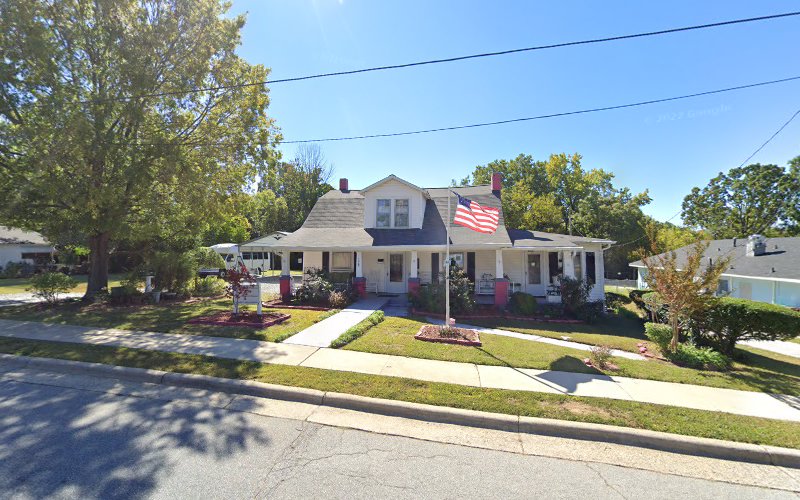
The Rosetta C. Baldwin African-American Museum
About The Rosetta C. Baldwin African-American Museum
Description
The Rosetta C. Baldwin African-American Museum in High Point, North Carolina, stands as a focused, community-rooted tribute to African-American life, culture, and achievement in the Piedmont Triad. The museum emphasizes local stories—family archives, oral histories, school memorabilia, and photographic collections—woven together with broader historical threads that connect High Point to regional and national narratives. It is the kind of place where the walls feel like pages from a neighborhood scrapbook, carefully arranged and lovingly preserved.
Visitors find a compact but rich experience. Galleries are modest in size, which makes them easy to navigate, especially for travelers who prefer a relaxed pace rather than marathon museum days. Exhibits highlight personal histories—teachers, church leaders, small-business owners, veterans—individuals whose contributions often went unrecorded in mainstream history books. And that absence is precisely the museum’s mission: to record, highlight, and honor stories that might otherwise murmur away with time.
The museum is named after Rosetta C. Baldwin, a figure associated with local civic life and preservation efforts, and the institution reflects that local dedication. It balances rotating exhibits and permanent displays, so repeat visits often reveal something new. Interpretive panels are written plainly, avoiding academic jargon, which makes the material approachable for families and non-specialist travelers. For those who enjoy context, hands-on displays and well-labeled artifacts provide chronological anchors—Reconstruction-era items, segregation-era school documents, mid-20th-century church materials, and civil rights ephemera.
While small museums sometimes feel underwhelming, this one rarely is. It aims for depth over spectacle. The curator and volunteers often prioritize people over flashy technology, so visitors will encounter genuine objects and recorded interviews rather than endless touchscreens. There is charm in that: an old program from a church centennial can suddenly become a portal to a whole community’s life. A traveling history buff will appreciate the specificity; a family exploring local heritage will find conversation starters everywhere.
Community programming is a notable part of the museum’s identity. Workshops, school visits, and commemorative events connect the archive to living memory. A local docent might be standing by to share a story that is not printed on any plaque—an anecdote about a neighborhood hero or a recollection about a parade down the main street. Those voices give the visit texture. The museum also collaborates with regional heritage groups and occasionally hosts panels on genealogy, which makes it a useful stop for researchers as well as casual travelers.
Accessibility is straightforward: exhibits are on a single floor, seating is available, and signage is clear. The pace invites lingering—sit for a minute, read a letter, study a photograph—and that slow attention often pays off. And yes, the museum can feel intimate; not every visitor seeks grandeur, and many leave feeling they encountered something honest and meaningful. One might say it rewards curiosity.
For travelers planning an itinerary through High Point and the surrounding Triad, the Rosetta C. Baldwin African-American Museum offers an experience that complements larger institutions. It fills in gaps, shedding light on local narratives that amplify regional history. In short, it is the kind of museum that leaves a memory: not because it is the biggest, but because it takes the time to tell small, powerful stories well.
Key Features
- Focused local collections: artifacts, photographs, and documents that map the African-American experience in High Point and surrounding counties.
- Rotating exhibits: temporary shows that highlight themes from education to entrepreneurship, often changing several times a year.
- Oral history recordings: first-person accounts that give voice to elders and community leaders—listening stations make these accessible.
- Educational programs: school tours, workshops, and genealogy sessions tailored to both students and adult learners.
- Volunteer-led tours: friendly local guides who add context, personal stories, and regional color—expect warmth and knowledge rather than script-reading.
- Community event space: a modest area used for talks, panels, and small gatherings during commemorations and heritage months.
- Accessible layout: single-floor exhibits, clear signage, and seating areas that make for an easy, relaxed visit.
- Research support: staff and volunteers who can point researchers to archives, newspaper clippings, and community contacts.
- Family-friendly interpretation: exhibits written for a general audience, with artifacts that spark questions and conversation among multi-generational visitors.
- Connections to local sites: the museum often suggests nearby historic churches, cemeteries, and neighborhoods for deeper exploration.
Best Time to Visit
The museum works well year-round, but there are a few times when a visit feels especially meaningful. Late spring and early fall are pleasant: the weather in the Piedmont Triad is comfortable, which makes pairing the museum with a stroll through nearby historic neighborhoods an easy, enjoyable combination. But timing a visit around community programming—Black History Month in February, Juneteenth events in June, or local heritage days—adds depth. These periods often bring special exhibits, guest speakers, and performances that illuminate the collections in fresh ways.
Weekdays tend to be quieter, and that’s ideal for contemplative visitors, researchers, or anyone who prefers fewer crowds. Weekend mornings are livelier; families and groups drop in then. If someone wants the most attentive interaction with staff or docents, a weekday morning visit is often best. But if the goal is to soak up community energy—meet volunteers, chat with other visitors, hear live talks—a weekend during an event is exactly the time to go.
Weather matters less for this museum than for outdoor attractions, but seasonal moods do affect local life. Fall brings a calmer, academically-paced energy as schools start up, while summer can be busier with school groups and family travel. In short: choose a quiet weekday for research and a community event for lively engagement. Both options offer strong experiences.
How to Get There
Reaching the Rosetta C. Baldwin African-American Museum is straightforward for most travelers. High Point is accessible by car from nearby Greensboro and Winston-Salem, and the museum is located within town easy to reach from main thoroughfares. Most visitors arrive by private vehicle, and local parking is generally available nearby. Street parking and small lots serve the neighborhood; it is not a destination that requires complex logistics.
Public transit options exist but are more limited—travelers should check local bus schedules if relying on public transportation. For those driving in from farther afield, the museum makes a convenient stop in a broader Triad itinerary that might include furniture showrooms, other historic sites, and regional parks. Taxi and rideshare services operate in High Point and offer a hassle-free alternative when parking is tight or when visitors prefer not to drive.
Accessibility for visitors with mobility needs is considered; the single-floor layout and short walking distances within the museum make navigation manageable. Travelers planning guided groups or educational trips can contact the museum in advance to arrange special accommodations, though it’s wise to plan ahead for larger groups to ensure space and personnel availability.
Tips for Visiting
Plan for 45 minutes to 90 minutes. The museum is compact, and many visitors find that an hour allows time to read labels, listen to oral histories, and browse exhibits without rushing. But linger longer if a particular item sparks curiosity—this place rewards the slow look.
Bring questions. The staff and volunteers know local stories that don’t appear on exhibit panels. Ask about families, schools, churches, and businesses named in displays. A good question can unlock an anecdote that transforms an artifact into a vivid human story. The museum’s strength is oral tradition; engage with it.
Photographs are often allowed, but rules can vary by exhibit—so check with staff. If photography is permitted, it’s a great way to take home details and follow up later for research or family history projects. And while one shouldn’t handle artifacts without permission, many items are displayed in ways that invite close inspection.
Combine the visit with nearby stops. The museum sits in a neighborhood with additional heritage points—churches, historic homes, and community landmarks—that deepen context. A walking route that includes a local church or cemetery can transform a single stop into a mini-heritage tour. The museum staff can usually suggest nearby sites worth a quick detour.
For families: use the exhibits as conversation starters. Instead of telling kids to move along, ask them what they notice. What does a letter or a school program tell them about daily life decades ago? Turning the visit into a scavenger-hunt-like experience keeps younger visitors engaged.
Researchers should contact the museum ahead. While many records are accessible, staff time is limited. Scheduling a visit in advance helps guarantee that volunteers with specific knowledge will be available. It also gives staff time to pull materials of interest.
Check hours before traveling. Small museums sometimes have irregular opening times or special holiday schedules, so calling ahead or checking an official listing is recommended. And if the museum hosts an event the day of the visit, arriving early gives the best chance to enjoy both the exhibit and the program without crowding.
Finally, leave a note. If a visitor appreciates the museum, dropping a comment in the guestbook or sending a short email later helps small institutions enormously. Funding, volunteer support, and community visibility often hinge on simple acts of appreciation. It’s a small thing, but it matters—and it’s the kind of small thing Rosetta C. Baldwin’s namesake would likely appreciate.
Key Features
- Focused local collections: artifacts, photographs, and documents that map the African-American experience in High Point and surrounding counties.
- Rotating exhibits: temporary shows that highlight themes from education to entrepreneurship, often changing several times a year.
- Oral history recordings: first-person accounts that give voice to elders and community leaders—listening stations make these accessible.
- Educational programs: school tours, workshops, and genealogy sessions tailored to both students and adult learners.
- Volunteer-led tours: friendly local guides who add context, personal stories, and regional color—expect warmth and knowledge rather than script-reading.
- Community event space: a modest area used for talks, panels, and small gatherings during commemorations and heritage months.
- Accessible layout: single-floor exhibits, clear signage, and seating areas that make for an easy, relaxed visit.
- Research support: staff and volunteers who can point researchers to archives, newspaper clippings, and community contacts.
More Details
Updated August 30, 2025
Table of Contents
- Description
- Key Features
- Best Time to Visit
- How to Get There
- Tips for Visiting
- Key Highlights
- Location
- Places to Stay Near The Rosetta C. Baldwin African-American Museum
- Find and Book a Tour
- Explore More Travel Guides
- Nearby Places You Might Like
- Traveler Reviews for The Rosetta C. Baldwin African-American Museum
- Share Your Experience
Description
The Rosetta C. Baldwin African-American Museum in High Point, North Carolina, stands as a focused, community-rooted tribute to African-American life, culture, and achievement in the Piedmont Triad. The museum emphasizes local stories—family archives, oral histories, school memorabilia, and photographic collections—woven together with broader historical threads that connect High Point to regional and national narratives. It is the kind of place where the walls feel like pages from a neighborhood scrapbook, carefully arranged and lovingly preserved.
Visitors find a compact but rich experience. Galleries are modest in size, which makes them easy to navigate, especially for travelers who prefer a relaxed pace rather than marathon museum days. Exhibits highlight personal histories—teachers, church leaders, small-business owners, veterans—individuals whose contributions often went unrecorded in mainstream history books. And that absence is precisely the museum’s mission: to record, highlight, and honor stories that might otherwise murmur away with time.
The museum is named after Rosetta C. Baldwin, a figure associated with local civic life and preservation efforts, and the institution reflects that local dedication. It balances rotating exhibits and permanent displays, so repeat visits often reveal something new. Interpretive panels are written plainly, avoiding academic jargon, which makes the material approachable for families and non-specialist travelers. For those who enjoy context, hands-on displays and well-labeled artifacts provide chronological anchors—Reconstruction-era items, segregation-era school documents, mid-20th-century church materials, and civil rights ephemera.
While small museums sometimes feel underwhelming, this one rarely is. It aims for depth over spectacle. The curator and volunteers often prioritize people over flashy technology, so visitors will encounter genuine objects and recorded interviews rather than endless touchscreens. There is charm in that: an old program from a church centennial can suddenly become a portal to a whole community’s life. A traveling history buff will appreciate the specificity; a family exploring local heritage will find conversation starters everywhere.
Community programming is a notable part of the museum’s identity. Workshops, school visits, and commemorative events connect the archive to living memory. A local docent might be standing by to share a story that is not printed on any plaque—an anecdote about a neighborhood hero or a recollection about a parade down the main street. Those voices give the visit texture. The museum also collaborates with regional heritage groups and occasionally hosts panels on genealogy, which makes it a useful stop for researchers as well as casual travelers.
Accessibility is straightforward: exhibits are on a single floor, seating is available, and signage is clear. The pace invites lingering—sit for a minute, read a letter, study a photograph—and that slow attention often pays off. And yes, the museum can feel intimate; not every visitor seeks grandeur, and many leave feeling they encountered something honest and meaningful. One might say it rewards curiosity.
For travelers planning an itinerary through High Point and the surrounding Triad, the Rosetta C. Baldwin African-American Museum offers an experience that complements larger institutions. It fills in gaps, shedding light on local narratives that amplify regional history. In short, it is the kind of museum that leaves a memory: not because it is the biggest, but because it takes the time to tell small, powerful stories well.
Key Features
- Focused local collections: artifacts, photographs, and documents that map the African-American experience in High Point and surrounding counties.
- Rotating exhibits: temporary shows that highlight themes from education to entrepreneurship, often changing several times a year.
- Oral history recordings: first-person accounts that give voice to elders and community leaders—listening stations make these accessible.
- Educational programs: school tours, workshops, and genealogy sessions tailored to both students and adult learners.
- Volunteer-led tours: friendly local guides who add context, personal stories, and regional color—expect warmth and knowledge rather than script-reading.
- Community event space: a modest area used for talks, panels, and small gatherings during commemorations and heritage months.
- Accessible layout: single-floor exhibits, clear signage, and seating areas that make for an easy, relaxed visit.
- Research support: staff and volunteers who can point researchers to archives, newspaper clippings, and community contacts.
- Family-friendly interpretation: exhibits written for a general audience, with artifacts that spark questions and conversation among multi-generational visitors.
- Connections to local sites: the museum often suggests nearby historic churches, cemeteries, and neighborhoods for deeper exploration.
Best Time to Visit
The museum works well year-round, but there are a few times when a visit feels especially meaningful. Late spring and early fall are pleasant: the weather in the Piedmont Triad is comfortable, which makes pairing the museum with a stroll through nearby historic neighborhoods an easy, enjoyable combination. But timing a visit around community programming—Black History Month in February, Juneteenth events in June, or local heritage days—adds depth. These periods often bring special exhibits, guest speakers, and performances that illuminate the collections in fresh ways.
Weekdays tend to be quieter, and that’s ideal for contemplative visitors, researchers, or anyone who prefers fewer crowds. Weekend mornings are livelier; families and groups drop in then. If someone wants the most attentive interaction with staff or docents, a weekday morning visit is often best. But if the goal is to soak up community energy—meet volunteers, chat with other visitors, hear live talks—a weekend during an event is exactly the time to go.
Weather matters less for this museum than for outdoor attractions, but seasonal moods do affect local life. Fall brings a calmer, academically-paced energy as schools start up, while summer can be busier with school groups and family travel. In short: choose a quiet weekday for research and a community event for lively engagement. Both options offer strong experiences.
How to Get There
Reaching the Rosetta C. Baldwin African-American Museum is straightforward for most travelers. High Point is accessible by car from nearby Greensboro and Winston-Salem, and the museum is located within town easy to reach from main thoroughfares. Most visitors arrive by private vehicle, and local parking is generally available nearby. Street parking and small lots serve the neighborhood; it is not a destination that requires complex logistics.
Public transit options exist but are more limited—travelers should check local bus schedules if relying on public transportation. For those driving in from farther afield, the museum makes a convenient stop in a broader Triad itinerary that might include furniture showrooms, other historic sites, and regional parks. Taxi and rideshare services operate in High Point and offer a hassle-free alternative when parking is tight or when visitors prefer not to drive.
Accessibility for visitors with mobility needs is considered; the single-floor layout and short walking distances within the museum make navigation manageable. Travelers planning guided groups or educational trips can contact the museum in advance to arrange special accommodations, though it’s wise to plan ahead for larger groups to ensure space and personnel availability.
Tips for Visiting
Plan for 45 minutes to 90 minutes. The museum is compact, and many visitors find that an hour allows time to read labels, listen to oral histories, and browse exhibits without rushing. But linger longer if a particular item sparks curiosity—this place rewards the slow look.
Bring questions. The staff and volunteers know local stories that don’t appear on exhibit panels. Ask about families, schools, churches, and businesses named in displays. A good question can unlock an anecdote that transforms an artifact into a vivid human story. The museum’s strength is oral tradition; engage with it.
Photographs are often allowed, but rules can vary by exhibit—so check with staff. If photography is permitted, it’s a great way to take home details and follow up later for research or family history projects. And while one shouldn’t handle artifacts without permission, many items are displayed in ways that invite close inspection.
Combine the visit with nearby stops. The museum sits in a neighborhood with additional heritage points—churches, historic homes, and community landmarks—that deepen context. A walking route that includes a local church or cemetery can transform a single stop into a mini-heritage tour. The museum staff can usually suggest nearby sites worth a quick detour.
For families: use the exhibits as conversation starters. Instead of telling kids to move along, ask them what they notice. What does a letter or a school program tell them about daily life decades ago? Turning the visit into a scavenger-hunt-like experience keeps younger visitors engaged.
Researchers should contact the museum ahead. While many records are accessible, staff time is limited. Scheduling a visit in advance helps guarantee that volunteers with specific knowledge will be available. It also gives staff time to pull materials of interest.
Check hours before traveling. Small museums sometimes have irregular opening times or special holiday schedules, so calling ahead or checking an official listing is recommended. And if the museum hosts an event the day of the visit, arriving early gives the best chance to enjoy both the exhibit and the program without crowding.
Finally, leave a note. If a visitor appreciates the museum, dropping a comment in the guestbook or sending a short email later helps small institutions enormously. Funding, volunteer support, and community visibility often hinge on simple acts of appreciation. It’s a small thing, but it matters—and it’s the kind of small thing Rosetta C. Baldwin’s namesake would likely appreciate.
Key Highlights
- Focused local collections: artifacts, photographs, and documents that map the African-American experience in High Point and surrounding counties.
- Rotating exhibits: temporary shows that highlight themes from education to entrepreneurship, often changing several times a year.
- Oral history recordings: first-person accounts that give voice to elders and community leaders—listening stations make these accessible.
- Educational programs: school tours, workshops, and genealogy sessions tailored to both students and adult learners.
- Volunteer-led tours: friendly local guides who add context, personal stories, and regional color—expect warmth and knowledge rather than script-reading.
- Community event space: a modest area used for talks, panels, and small gatherings during commemorations and heritage months.
- Accessible layout: single-floor exhibits, clear signage, and seating areas that make for an easy, relaxed visit.
- Research support: staff and volunteers who can point researchers to archives, newspaper clippings, and community contacts.
Location
Places to Stay Near The Rosetta C. Baldwin African-American Museum
Find and Book a Tour
Explore More Travel Guides
No reviews found! Be the first to review!
Traveler Reviews for The Rosetta C. Baldwin African-American Museum
There are no reviews yet. Be the first one to write one.
Have you visited The Rosetta C. Baldwin African-American Museum? Help other travelers by sharing your review.
You Might Also Like
High Point Bowling Center
Deep River Recreation Center

High Point Museum
Find Accommodations Nearby
Recommended Tours & Activities
Visitor Reviews
There are no reviews yet. Be the first one to write one.
Share Your Experience
Have you visited The Rosetta C. Baldwin African-American Museum? Help other travelers by leaving a review.