
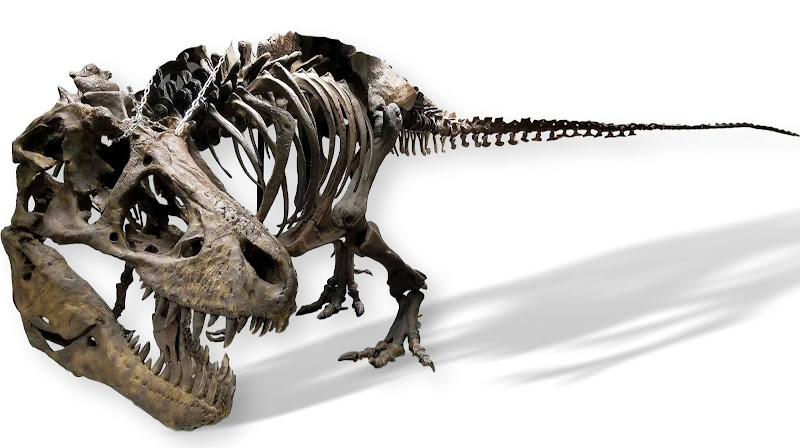
Earth Experience – Middle Tennessee Museum of Natural History
About Earth Experience – Middle Tennessee Museum of Natural History
Description
The Earth Experience at the Middle Tennessee Museum of Natural History is a hands-on, slightly quirky celebration of deep time, local discovery, and global fossils. It presents a mix of international and Tennessee-specific archeological finds and fossil specimens in a way that invites curiosity rather than just cataloging facts. Exhibits are arranged so that people can lean in — literally and figuratively — to touch replicas, handle certain specimens under supervision, and piece together the stories of ancient landscapes. This is not a hushed hall of glass cases; it’s more of a small, focused place that rewards patience and invites questions.
Visitors will see a range of fossils from microfossils to larger vertebrate specimens, plus archaeological artifacts that hint at human activity across the region and beyond. The collection emphasizes context: where something was found, how it was dated, and why that matters. That emphasis on story over spectacle makes it appealing for travelers who want to understand the place they’re visiting, not just snap a photo and move on. Local fossils are presented alongside international finds so visitors can compare and contrast — and often come away with a deeper appreciation for Tennessee’s own geologic and cultural heritage.
The museum’s layout is intentionally approachable. Narrow labels and jargon-heavy panels are kept to a minimum; instead, signage uses plain language, bold headings, and a few well-placed maps and timelines. Families, teachers, students, and solo travelers will find the pace comfortable: exhibits are rich enough to spend an hour or two in, but the space isn’t so big that it feels like an expedition. There are guided tours available — led by enthusiastic volunteers and staff who clearly love the specimens — and these tours frequently reveal stories and provenance details that aren’t printed anywhere. Those little extras often become the memorable part of a visit.
Accessibility is taken seriously here. The entrance, parking, and restrooms are wheelchair accessible, and the flow of the museum accommodates visitors with mobility concerns. That matters, because so many small museums skimp on those details. The Earth Experience is practical-minded: it offers onsite services, restrooms, a modest gift shop stocked with field guides, replica fossils, and family-centric souvenirs, and it charges an admission fee that most visitors describe as reasonable for the depth of material presented. There’s no on-site restaurant, so plan accordingly — but the staff is good at pointing out nearby spots for a coffee or a casual bite.
What helps the Earth Experience stand out is how it blends scientific credibility with warm, community-driven energy. Many items on display come from local digs, donated by area collectors, or recovered during construction projects around Middle Tennessee. That local provenance gives exhibits a tangible connection to place: you can stand in front of a fossil and imagine the landscape it once inhabited, and then look at a map and see that the dig was, in fact, only a short drive away. The museum leans into that intimacy. It feels less like a distant institution and more like a well-curated neighborhood collection that happens to hold some rare and interesting pieces.
For travelers who like to geek out without feeling judged, the Earth Experience hits the sweet spot. It’s educational but not pedantic; it’s engaging but not overproduced. School groups and families arrive expecting hands-on learning — kids get to find things, touch certain elements, and ask a thousand questions — and adults often find themselves drawn into the same wonder. There’s a visible effort to make exhibits meaningful for different ages: interactive stations for younger visitors, deeper interpretive panels for hobbyists, and regular programming that includes talks and themed tours for adults.
There are a few quirks worth mentioning because, frankly, they’re part of the charm. The museum is run on a modest budget compared to big-city institutions, so some displays are classic, old-school museum design: thoughtful label copy, careful specimen mounts, and display cases that have character. Don’t expect high-tech projections in every room. Instead, plan to encounter real artifacts and knowledgeable staff who will answer follow-up questions and sometimes go out of their way to show a behind-the-scenes box or discuss ongoing cataloging projects. For travelers who prefer sleek, high-budget exhibits, that might feel dated. But for those who enjoy authenticity and the sense that discoveries are still being made here, it’s delightful.
Another plus: the museum is family-friendly without pandering. Kids can be noisy, curious, and messy; the Earth Experience channels that energy into learning opportunities. Programs geared to children are frequent and practical: fossil digs, identification workshops, and guided scavenger hunts that are equal parts science and fun. Parents often report that their children leave with a real question in mind, something like Why do some rocks have patterns? or How do scientists know how old a fossil is? Those are the sparks museum educators aim to light.
On the research and community front, the Earth Experience partners with local universities, amateur paleontologists, and regional historical societies. That network means rotating exhibits make periodic appearances, and there’s sometimes fresh material to see from recent excavations. For a traveler who plans to visit the same place more than once, that turnover is nice — exhibits evolve rather than remain static. Programs and tours are offered onsite and are typically announced at the front desk; drop-ins are welcome when space allows, but booking a tour can unlock deeper insights and sometimes hands-on opportunities not available during self-guided visits.
Pricing is straightforward and clear, and the admission fee helps fund the museum’s conservation and educational work. Many visitors comment that for the price, the level of engagement and the quality of the specimens offers excellent value. The on-site gift shop is small but curated — think field guides, kid-friendly books, and tasteful replica fossils. It’s a good place to pick up a memento that won’t collect dust in the back of a closet.
Practical travelers will appreciate the museum’s orientation toward accessibility and convenience. The building has a single-level flow in most exhibit areas, tactile displays where appropriate, and restrooms that meet accessibility standards. Staff are used to accommodating groups with different needs, including school trips and those with mobility considerations. For travelers with limited time, the layout makes it easy to get a meaningful experience in as little as 60–90 minutes, while enthusiasts can linger for several hours and still find new details to enjoy.
Finally, the Earth Experience quietly excels at storytelling. It doesn’t rely on flashy gimmicks to hold attention; instead, it connects objects to larger narratives about climate change, regional ecology, and human adaptation. Exhibits frequently encourage visitors to think about the planet on different timescales — millennia rather than decades — and that perspective can be unexpectedly moving. Travelers who leave feeling slightly more curious, slightly more humble about human timeframes, and with a list of things to read next will have had precisely the visit this museum aims to deliver.
In short, the Earth Experience at the Middle Tennessee Museum of Natural History is a thoughtfully curated, community-minded natural history museum that offers hands-on learning, meaningful local context, and accessible programming. It’s ideal for those who prefer substance over spectacle, who like to ask questions, and who enjoy the kind of museum where a visit might lead to a conversation, a field guide purchase, and a plan to dig deeper into the region’s natural history long after the trip home.
Key Features
More Details
Updated August 30, 2025
Table of Contents
Description
The Earth Experience at the Middle Tennessee Museum of Natural History is a hands-on, slightly quirky celebration of deep time, local discovery, and global fossils. It presents a mix of international and Tennessee-specific archeological finds and fossil specimens in a way that invites curiosity rather than just cataloging facts. Exhibits are arranged so that people can lean in — literally and figuratively — to touch replicas, handle certain specimens under supervision, and piece together the stories of ancient landscapes. This is not a hushed hall of glass cases; it’s more of a small, focused place that rewards patience and invites questions.
Visitors will see a range of fossils from microfossils to larger vertebrate specimens, plus archaeological artifacts that hint at human activity across the region and beyond. The collection emphasizes context: where something was found, how it was dated, and why that matters. That emphasis on story over spectacle makes it appealing for travelers who want to understand the place they’re visiting, not just snap a photo and move on. Local fossils are presented alongside international finds so visitors can compare and contrast — and often come away with a deeper appreciation for Tennessee’s own geologic and cultural heritage.
The museum’s layout is intentionally approachable. Narrow labels and jargon-heavy panels are kept to a minimum; instead, signage uses plain language, bold headings, and a few well-placed maps and timelines. Families, teachers, students, and solo travelers will find the pace comfortable: exhibits are rich enough to spend an hour or two in, but the space isn’t so big that it feels like an expedition. There are guided tours available — led by enthusiastic volunteers and staff who clearly love the specimens — and these tours frequently reveal stories and provenance details that aren’t printed anywhere. Those little extras often become the memorable part of a visit.
Accessibility is taken seriously here. The entrance, parking, and restrooms are wheelchair accessible, and the flow of the museum accommodates visitors with mobility concerns. That matters, because so many small museums skimp on those details. The Earth Experience is practical-minded: it offers onsite services, restrooms, a modest gift shop stocked with field guides, replica fossils, and family-centric souvenirs, and it charges an admission fee that most visitors describe as reasonable for the depth of material presented. There’s no on-site restaurant, so plan accordingly — but the staff is good at pointing out nearby spots for a coffee or a casual bite.
What helps the Earth Experience stand out is how it blends scientific credibility with warm, community-driven energy. Many items on display come from local digs, donated by area collectors, or recovered during construction projects around Middle Tennessee. That local provenance gives exhibits a tangible connection to place: you can stand in front of a fossil and imagine the landscape it once inhabited, and then look at a map and see that the dig was, in fact, only a short drive away. The museum leans into that intimacy. It feels less like a distant institution and more like a well-curated neighborhood collection that happens to hold some rare and interesting pieces.
For travelers who like to geek out without feeling judged, the Earth Experience hits the sweet spot. It’s educational but not pedantic; it’s engaging but not overproduced. School groups and families arrive expecting hands-on learning — kids get to find things, touch certain elements, and ask a thousand questions — and adults often find themselves drawn into the same wonder. There’s a visible effort to make exhibits meaningful for different ages: interactive stations for younger visitors, deeper interpretive panels for hobbyists, and regular programming that includes talks and themed tours for adults.
There are a few quirks worth mentioning because, frankly, they’re part of the charm. The museum is run on a modest budget compared to big-city institutions, so some displays are classic, old-school museum design: thoughtful label copy, careful specimen mounts, and display cases that have character. Don’t expect high-tech projections in every room. Instead, plan to encounter real artifacts and knowledgeable staff who will answer follow-up questions and sometimes go out of their way to show a behind-the-scenes box or discuss ongoing cataloging projects. For travelers who prefer sleek, high-budget exhibits, that might feel dated. But for those who enjoy authenticity and the sense that discoveries are still being made here, it’s delightful.
Another plus: the museum is family-friendly without pandering. Kids can be noisy, curious, and messy; the Earth Experience channels that energy into learning opportunities. Programs geared to children are frequent and practical: fossil digs, identification workshops, and guided scavenger hunts that are equal parts science and fun. Parents often report that their children leave with a real question in mind, something like Why do some rocks have patterns? or How do scientists know how old a fossil is? Those are the sparks museum educators aim to light.
On the research and community front, the Earth Experience partners with local universities, amateur paleontologists, and regional historical societies. That network means rotating exhibits make periodic appearances, and there’s sometimes fresh material to see from recent excavations. For a traveler who plans to visit the same place more than once, that turnover is nice — exhibits evolve rather than remain static. Programs and tours are offered onsite and are typically announced at the front desk; drop-ins are welcome when space allows, but booking a tour can unlock deeper insights and sometimes hands-on opportunities not available during self-guided visits.
Pricing is straightforward and clear, and the admission fee helps fund the museum’s conservation and educational work. Many visitors comment that for the price, the level of engagement and the quality of the specimens offers excellent value. The on-site gift shop is small but curated — think field guides, kid-friendly books, and tasteful replica fossils. It’s a good place to pick up a memento that won’t collect dust in the back of a closet.
Practical travelers will appreciate the museum’s orientation toward accessibility and convenience. The building has a single-level flow in most exhibit areas, tactile displays where appropriate, and restrooms that meet accessibility standards. Staff are used to accommodating groups with different needs, including school trips and those with mobility considerations. For travelers with limited time, the layout makes it easy to get a meaningful experience in as little as 60–90 minutes, while enthusiasts can linger for several hours and still find new details to enjoy.
Finally, the Earth Experience quietly excels at storytelling. It doesn’t rely on flashy gimmicks to hold attention; instead, it connects objects to larger narratives about climate change, regional ecology, and human adaptation. Exhibits frequently encourage visitors to think about the planet on different timescales — millennia rather than decades — and that perspective can be unexpectedly moving. Travelers who leave feeling slightly more curious, slightly more humble about human timeframes, and with a list of things to read next will have had precisely the visit this museum aims to deliver.
In short, the Earth Experience at the Middle Tennessee Museum of Natural History is a thoughtfully curated, community-minded natural history museum that offers hands-on learning, meaningful local context, and accessible programming. It’s ideal for those who prefer substance over spectacle, who like to ask questions, and who enjoy the kind of museum where a visit might lead to a conversation, a field guide purchase, and a plan to dig deeper into the region’s natural history long after the trip home.
Key Highlights
Earth Experience – Middle Tennessee Museum of Natural History
Location
Places to Stay Near Earth Experience - Middle Tennessee Museum of Natural History
Find and Book a Tour
Explore More Travel Guides
No reviews found! Be the first to review!
Traveler Reviews for Earth Experience – Middle Tennessee Museum of Natural History
There are no reviews yet. Be the first one to write one.
Have you visited Earth Experience – Middle Tennessee Museum of Natural History? Help other travelers by sharing your review.
You Might Also Like

GO USA Fun Park

Boro Beach
Kids Castle
Find Accommodations Nearby
Recommended Tours & Activities
Visitor Reviews
There are no reviews yet. Be the first one to write one.
Share Your Experience
Have you visited Earth Experience – Middle Tennessee Museum of Natural History? Help other travelers by leaving a review.