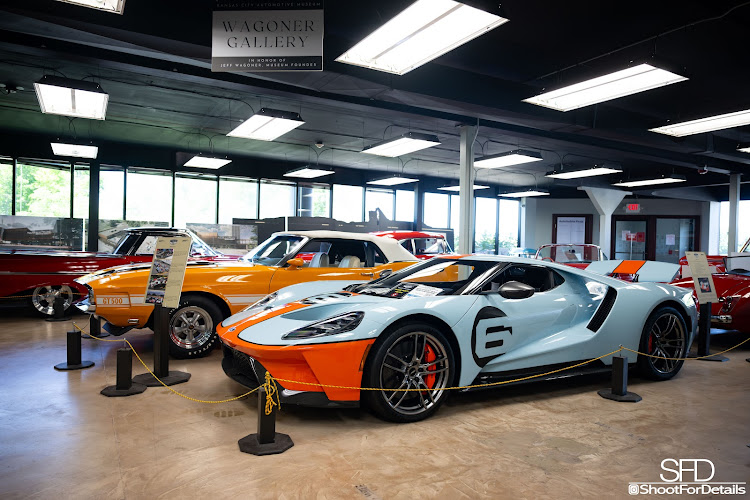
It showcases a curated collection of more than 30 automobiles—each chosen for its connection to local industry, interesting engineering, or memorable design. Beyond shiny chrome and hood ornaments, the museum balances static displays with hands-on, interactive exhibits that invite curiosity. Visitors will see restored classics, locally built models, race-bred machines, and interpretive panels that explain why certain cars matter to Kansas City’s automotive story.
What sets this museum apart is the emphasis on local relevance. Instead of trying to be encyclopedic, it tells smaller, richer stories: a particular dealership that helped shape a neighborhood, a manufacturing milestone that changed employment patterns, or a family-owned restoration shop that kept a model alive. The floor layout encourages meandering and discovery; galleries flow from early manufacturing history to mid-century design, then to modern innovations and community impact. There are moments that feel almost intimate—a single car displayed with a handwritten letter, a child’s drawing pinned beside an older owner’s photo—details that make the exhibits feel lived-in rather than museum-perfect.
The museum is fully accessible: it provides a wheelchair accessible entrance, parking, and restroom facilities, which makes it practical for families traveling with strollers or visitors with mobility needs. Practical amenities include a small cafe to recharge with coffee and snacks, clean restrooms, and free on-site parking—an underrated convenience that eases arrival and departure. Guided tours are offered for those who want deeper context; docents often weave in local anecdotes and point out subtle restoration details that casual visitors might miss.
Admission requires a fee, but most visitors find the experience worth the cost—especially families with kids. Exhibits are designed with younger guests in mind: interactive touchscreens, simple mechanical demonstrations, and an activity corner where children can try on a mechanic’s glove or sketch a car silhouette. It’s not a massive institution, but it is thoughtfully arranged and surprisingly immersive for its size.
Key Features
- Rotating exhibits and special displays that change seasonally
Best Time to Visit
For most travelers, mid-morning on a weekday is the sweet spot. Mornings tend to be quieter, allowing visitors to linger by favorite cars and read exhibit labels without feeling rushed. Weekends are livelier—more families and local car-club meetups—so if a more social, buzzy atmosphere is welcome, Saturday afternoons can feel like a mini-event. Conversely, anyone who wants a calm, contemplative experience should aim for Tuesday or Wednesday mornings.
Seasonal events and rotating exhibits can shift the optimal timing. The museum occasionally hosts themed weekends, guest speakers, and restoration demonstrations; during those times, arrive a bit earlier to secure spots for guided sessions. If there’s a special exhibition that focuses on an era—say mid-century American sedans or post-war innovations—plan to allocate extra time; those displays often bring in more visitors and extra docents for Q&A.
Weather matters only in so far as it impacts travel and local events. Because parking is free and on-site, rainy days are less of a hassle than at outdoor attractions. Still, sunny weekends tend to host car-club gatherings in the lot, which can be a pleasure or a nuisance depending on whether you like crowds and the smell of gasoline in the air.
How to Get There
The museum sits within the greater Kansas City metro area in the city of Olathe, making it accessible from multiple directions. Drivers will find it easy to reach by car, and the free, on-site parking means there’s no need to hunt for a spot or pay a city fee. For folks relying on rideshares or taxis, drop-off areas near the entrance simplify arrival—no long walks from remote lots here. Public transit options are available in the region, though schedules and stops vary, so visitors planning to use buses should check the local transit route maps and allow extra travel time.
Navigation-wise, major highways and arterials connect to Olathe; once inside town, local signage and GPS generally guide visitors accurately to the museum area. If traveling from Kansas City proper, expect a straightforward drive that typically takes under an hour depending on traffic. Weekend traffic is often lighter than weekday commuter windows, so that’s a consideration when plotting an arrival time.
Groups and car clubs often coordinate meetups at the museum because parking is both ample and free. For organized groups, the museum offers options to arrange guided tours in advance; this is recommended if the party is larger than a dozen people or if specific exhibit commentary is desired. And one more practical note: because the museum focuses on cars, visitors often arrive in interesting vehicles—so even the approach down the parking aisle can feel like a low-key car show.
Tips for Visiting
Plan on 90 to 180 minutes for a satisfying visit. That gives time to tour the main galleries, take part in an interactive exhibit, enjoy a snack at the cafe, and ask a few questions during a docent-led segment. If a special exhibit is on display, or if the museum is holding a workshop, add another half-hour to an hour.
Buy tickets in advance when possible. The museum charges an admission fee and sometimes offers timed entries during busier periods. Pre-purchasing reduces wait time and secures preferred tour slots. Groups should contact the museum ahead of time to arrange a guided experience; docents are happy to tailor commentary to a group’s interests, whether that’s engines, bodywork, or social history.
Bring a camera but be respectful about flash photography. Many displays allow photography for personal use, and enthusiasts will want to capture details—badging, upholstery, instrument panels. Yet, some artifacts and interactive screens are sensitive; staff signage will indicate any no-photo zones. Also, close-up pictures are great, but resist leaning on cars or touching paint—fingerprints and oils add up fast.
Kids love the hands-on corners, so let them explore, but keep an eye on them around delicate displays. The museum is kid-friendly, yes, but fragile metals and polished glass don’t mix well with roughhousing. Strollers are accommodated easily thanks to ramped entrances and flat gallery floors.
Ask about guided tours. Docents often have favorite stories—such as a local mechanic who saved a rare model from the scrap heap, or a dealership that once hosted an infamous publicity stunt. These anecdotes enrich the exhibits and make connections between vehicles and community life. For people who geek out over restoration techniques, the museum sometimes runs short demonstrations or invites restorers to discuss their craft; these pop up on the calendar and are worth catching if possible.
Budget time for the cafe. It’s small but comfortable and gives visitors a chance to process what they’ve seen. Coffee and light bites are available, and the seating area is a decent place to sketch, write notes, or swap stories with travel companions. The museum atmosphere encourages conversation—expect to overhear an excited kid explaining what a carburetor is, or a retiree comparing paint codes with a former co-worker.
Don’t miss the less obvious displays. Some of the most memorable items are not headline cars but ephemera: old sales brochures, service manuals with grease-stained notes, and community posters announcing an era’s big parades or dealership openings. These artifacts flesh out the narrative and often give the best sense of place. If a certain piece sparks curiosity, ask staff for background; they usually have an extra tidbit that transforms a static object into a story.
Be ready for rotating exhibits. The museum refreshes portions of its collection periodically, which means repeat visits can feel new. Enthusiasts who live in the area often plan seasonal visits—spring for restoration showcases, fall for classic-car photo ops—so it’s a good idea to check event listings before making a special trip.
Finally, manage expectations. This museum isn’t the size of a national monument, and that is actually one of its strengths. It’s a compact, well-curated space that invites curiosity rather than trying to overwhelm. For a traveler who enjoys design lines, local history, and a dose of hands-on learning, the Kansas City Automotive Museum in Olathe offers a satisfying, accessible, and sometimes surprisingly emotional look at what cars have meant to this community.
 Real Journey Travels