
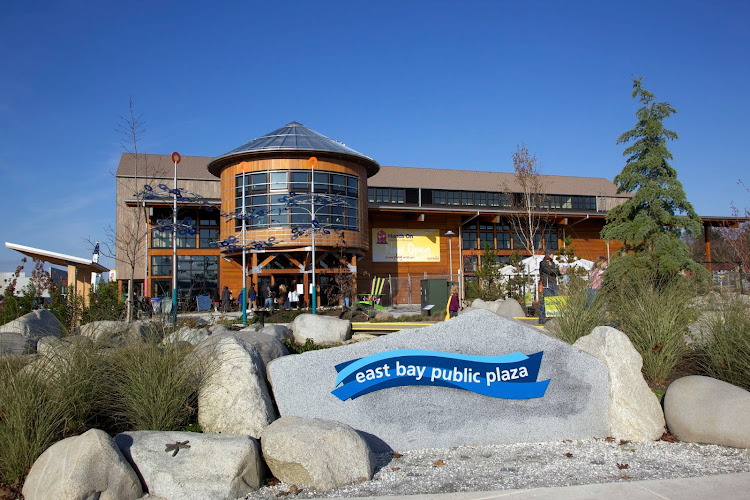
Hands On Children’s Museum
About Hands On Children’s Museum
Description
The Hands On Children’s Museum in Olympia delivers a hands-on, exploratory experience for families who like to learn by doing. The museum focuses on art and science for kids with participatory exhibits, live performances, and rotating programs that encourage curiosity and creative play. It presents itself as more than a place to kill an afternoon; it’s a neighborhood hub where preschool classes meet, summer camps run experiments and projects, birthday parties get delightfully messy, and even small celebrations—yes, weddings—have taken advantage of the playful, memorable atmosphere. Visitors often remark that it’s the kind of place where a 3-year-old can forget they’re being educated and a 9-year-old will happily design, test, fail, and try again.
Operationally, the museum offers onsite services including guided tours and public programming. Practical features like a cafe, a gift shop, clean restrooms, and changing tables make longer visits manageable. Accessibility has been thoughtfully addressed: wheelchair accessible entrances, parking and restrooms are highlighted so families with mobility needs can plan ahead without surprises. Military families can expect savings thanks to active military discounts, and the venue emphasizes inclusivity—LGBTQ+ friendly policies and a welcoming atmosphere are part of the everyday promise.
What sets this museum apart from a generic children’s play space is its multi-use identity: a museum by day, a preschool classroom and summer camp hub by season, and an event venue when needed. It’s educational without being overly precious; hands get painty, gears get turned, and stories get told on a small stage. Some exhibits invite scientific tinkering, others invite artistic exploration. The live performances are scheduled regularly and draw local artists and puppeteers, so check ahead if that’s a priority for the day. Overall, the museum balances structured learning with freeform play in a way that nudges kids toward discovery, without making parents feel like they’re on duty 100% of the time.
Key Features
- Participatory exhibits that blend art and science for ages toddler to early tweens
- Live performances and rotating program schedule that refreshes seasonally
- Onsite cafe and restaurant-style seating for snacks and a relaxed break
- Preschool programs and organized summer camps for extended learning
- Event and wedding venue options—good for unique, playful gatherings
- Guided tours available for groups and school visits
- Gift shop with educational toys, books, and local maker items
- Family-friendly amenities: restrooms, changing tables, and a playground area
- Accessibility features: wheelchair accessible entrance, parking, and restrooms
- Active military discounts and clearly posted admission fees
Best Time to Visit
Timing a visit to the museum depends on what kind of experience the family wants. Weekday mornings during the school year are usually quieter—perfect for toddlers, preschool groups, and caregivers who want more space to roam. If the goal is to catch live performances or special workshops, midweek afternoons and weekend slots tend to have the fuller program rosters, though that naturally brings bigger crowds.
Summer means camps and special exhibits, and while it can be lively, it’s also when unique hands-on workshops and extended hours sometimes appear. If crowds are a concern, aim for the first hour after opening; the museum tends to be freshest then, literally and figuratively. For families who prefer a sensory-friendly visit, the museum occasionally schedules lower-stimulation hours—call or check the schedule in advance. And if a birthday party or small event is on the radar, reserve well in advance: weekends book up quickly.
How to Get There
The museum is centrally positioned within Olympia and is relatively straightforward to reach by car, ride-share, or public transit. Visitors arriving by car will find accessible parking options; parking logistics can vary, so plan a few extra minutes during busy seasons. Public transit stops are nearby, making it feasible for caregivers without a car to reach the site from several parts of the city. Group organizers and school chaperones should contact the museum ahead to arrange drop-off and tour times—this helps avoid congestion at busy gates and ensures staff are ready to greet groups.
When planning the route, consider times of day with lighter traffic. Olympia’s downtown and surrounding areas can squeeze into busier pockets during commute times and special city events. Finally, for larger events or weddings, the museum’s staff works with event planners to coordinate arrivals, parking signage, and set-up logistics; that level of coordination makes it a surprisingly practical venue for non-museum functions.
Tips for Visiting
Plan ahead: Tickets are best purchased in advance, particularly on weekends, holidays, and during summer camp rotations. General admission is charged, so checking prices and any available discounts (active military, membership deals) before arrival will save time and some potential wallet-grimacing at the doorway.
Arrive early: Mornings are usually calmer, and early arrival means first dibs on popular exhibits—those art stations and science-build tables fill up fast. If a guided tour is desired, reserve a slot when booking admission to lock in the time that fits the family’s schedule.
Pack smart: Bring a small bag with essentials—spare clothes for messy-rooted activities, wipes, and a water bottle. The onsite cafe is convenient but tends to have lines during peak hours. For long days, plan snack breaks around slower times to avoid fighting the crowd.
Use the facilities: Restrooms and changing tables are available; parents report these are well-maintained which is a bigger deal than it sounds when you’ve got a houseful of energetic kids. The museum also offers clearly marked accessible entrances and parking for visitors who need them. If mobility is a concern, let the staff know ahead of time—staff are used to accommodating diverse needs and can suggest the best route through exhibits.
Engage with staff and volunteers: Museum educators are usually passionate and full of suggestions. Ask them what’s new or what shows they recommend—sometimes they’ll point out a short demonstration or a quieter corner that’s ideal for younger kids. Tours and programming are more than just extras; they’re a way to maximize the experience, especially for families that want an educational spin without it feeling like homework.
Consider memberships: Frequent visitors often find memberships pay for themselves after a few visits and come with perks such as discounted camp tuition, priority event booking, and reduced admission for special programs. For locals, membership is a practical way to experience seasonal change-ups without repeated ticket purchases.
Be mindful of noise and space: This is a place for exuberant learning, but some kids (and adults) need quieter space. The museum does a decent job carving out calmer pockets; look for them if a child needs a breather. Also, note that while the atmosphere is friendly and welcoming, some exhibits are high-touch—expect paint on hands and gears that deliberately encourage experimentation.
Plan for events: If visiting during a special event or booking the museum as a venue, read the event policies thoroughly—timelines, vendor rules, and clean-up expectations vary. Wedding and event bookings can be charmingly unconventional here, and the staff’s experience with public programming means they can usually guide logistics in useful ways.
Read reviews—but balance them: Feedback from past visitors is overwhelmingly positive overall, though occasional mixed experiences appear—this is normal for any busy, hands-on institution. Reviews can help set expectations: busy weekends, occasional wait for popular exhibits, and the reality that active play spaces require a little tolerance for noise and clutter. If any question is pressing, call ahead—staff will clarify current exhibit availability and crowd levels.
Finally, savor the small things: The museum does a tidy job of blending educational intent with play. Little wins—like a child’s quiet moment at a discovery table, a successful engineering test of a homemade ramp, or a sticky-handed giggle at the art table—are the real value here. For many families, those minutes add up to memories that outlast the glitter on the floor and the paint on shirts.
In short, the Hands On Children’s Museum offers an energetic, well-resourced environment for families who value curiosity, hands-on learning, and creative celebration. With accessible amenities, programs that span the calendar, and staff who are accustomed to hosting both preschool classes and private events, the museum makes a practical, fun stop on an Olympia visit. Bring patience, a sense of adventure, and a spare outfit—or two—and the visit will likely be one of those days people talk about long after the paint has dried.
Key Features
- Participatory exhibits that blend art and science for ages toddler to early tweens
- Live performances and rotating program schedule that refreshes seasonally
- Onsite cafe and restaurant-style seating for snacks and a relaxed break
- Preschool programs and organized summer camps for extended learning
- Event and wedding venue options—good for unique, playful gatherings
- Guided tours available for groups and school visits
- Gift shop with educational toys, books, and local maker items
- Family-friendly amenities: restrooms, changing tables, and a playground area
More Details
Updated August 30, 2025
Table of Contents
Description
The Hands On Children’s Museum in Olympia delivers a hands-on, exploratory experience for families who like to learn by doing. The museum focuses on art and science for kids with participatory exhibits, live performances, and rotating programs that encourage curiosity and creative play. It presents itself as more than a place to kill an afternoon; it’s a neighborhood hub where preschool classes meet, summer camps run experiments and projects, birthday parties get delightfully messy, and even small celebrations—yes, weddings—have taken advantage of the playful, memorable atmosphere. Visitors often remark that it’s the kind of place where a 3-year-old can forget they’re being educated and a 9-year-old will happily design, test, fail, and try again.
Operationally, the museum offers onsite services including guided tours and public programming. Practical features like a cafe, a gift shop, clean restrooms, and changing tables make longer visits manageable. Accessibility has been thoughtfully addressed: wheelchair accessible entrances, parking and restrooms are highlighted so families with mobility needs can plan ahead without surprises. Military families can expect savings thanks to active military discounts, and the venue emphasizes inclusivity—LGBTQ+ friendly policies and a welcoming atmosphere are part of the everyday promise.
What sets this museum apart from a generic children’s play space is its multi-use identity: a museum by day, a preschool classroom and summer camp hub by season, and an event venue when needed. It’s educational without being overly precious; hands get painty, gears get turned, and stories get told on a small stage. Some exhibits invite scientific tinkering, others invite artistic exploration. The live performances are scheduled regularly and draw local artists and puppeteers, so check ahead if that’s a priority for the day. Overall, the museum balances structured learning with freeform play in a way that nudges kids toward discovery, without making parents feel like they’re on duty 100% of the time.
Key Features
- Participatory exhibits that blend art and science for ages toddler to early tweens
- Live performances and rotating program schedule that refreshes seasonally
- Onsite cafe and restaurant-style seating for snacks and a relaxed break
- Preschool programs and organized summer camps for extended learning
- Event and wedding venue options—good for unique, playful gatherings
- Guided tours available for groups and school visits
- Gift shop with educational toys, books, and local maker items
- Family-friendly amenities: restrooms, changing tables, and a playground area
- Accessibility features: wheelchair accessible entrance, parking, and restrooms
- Active military discounts and clearly posted admission fees
Best Time to Visit
Timing a visit to the museum depends on what kind of experience the family wants. Weekday mornings during the school year are usually quieter—perfect for toddlers, preschool groups, and caregivers who want more space to roam. If the goal is to catch live performances or special workshops, midweek afternoons and weekend slots tend to have the fuller program rosters, though that naturally brings bigger crowds.
Summer means camps and special exhibits, and while it can be lively, it’s also when unique hands-on workshops and extended hours sometimes appear. If crowds are a concern, aim for the first hour after opening; the museum tends to be freshest then, literally and figuratively. For families who prefer a sensory-friendly visit, the museum occasionally schedules lower-stimulation hours—call or check the schedule in advance. And if a birthday party or small event is on the radar, reserve well in advance: weekends book up quickly.
How to Get There
The museum is centrally positioned within Olympia and is relatively straightforward to reach by car, ride-share, or public transit. Visitors arriving by car will find accessible parking options; parking logistics can vary, so plan a few extra minutes during busy seasons. Public transit stops are nearby, making it feasible for caregivers without a car to reach the site from several parts of the city. Group organizers and school chaperones should contact the museum ahead to arrange drop-off and tour times—this helps avoid congestion at busy gates and ensures staff are ready to greet groups.
When planning the route, consider times of day with lighter traffic. Olympia’s downtown and surrounding areas can squeeze into busier pockets during commute times and special city events. Finally, for larger events or weddings, the museum’s staff works with event planners to coordinate arrivals, parking signage, and set-up logistics; that level of coordination makes it a surprisingly practical venue for non-museum functions.
Tips for Visiting
Plan ahead: Tickets are best purchased in advance, particularly on weekends, holidays, and during summer camp rotations. General admission is charged, so checking prices and any available discounts (active military, membership deals) before arrival will save time and some potential wallet-grimacing at the doorway.
Arrive early: Mornings are usually calmer, and early arrival means first dibs on popular exhibits—those art stations and science-build tables fill up fast. If a guided tour is desired, reserve a slot when booking admission to lock in the time that fits the family’s schedule.
Pack smart: Bring a small bag with essentials—spare clothes for messy-rooted activities, wipes, and a water bottle. The onsite cafe is convenient but tends to have lines during peak hours. For long days, plan snack breaks around slower times to avoid fighting the crowd.
Use the facilities: Restrooms and changing tables are available; parents report these are well-maintained which is a bigger deal than it sounds when you’ve got a houseful of energetic kids. The museum also offers clearly marked accessible entrances and parking for visitors who need them. If mobility is a concern, let the staff know ahead of time—staff are used to accommodating diverse needs and can suggest the best route through exhibits.
Engage with staff and volunteers: Museum educators are usually passionate and full of suggestions. Ask them what’s new or what shows they recommend—sometimes they’ll point out a short demonstration or a quieter corner that’s ideal for younger kids. Tours and programming are more than just extras; they’re a way to maximize the experience, especially for families that want an educational spin without it feeling like homework.
Consider memberships: Frequent visitors often find memberships pay for themselves after a few visits and come with perks such as discounted camp tuition, priority event booking, and reduced admission for special programs. For locals, membership is a practical way to experience seasonal change-ups without repeated ticket purchases.
Be mindful of noise and space: This is a place for exuberant learning, but some kids (and adults) need quieter space. The museum does a decent job carving out calmer pockets; look for them if a child needs a breather. Also, note that while the atmosphere is friendly and welcoming, some exhibits are high-touch—expect paint on hands and gears that deliberately encourage experimentation.
Plan for events: If visiting during a special event or booking the museum as a venue, read the event policies thoroughly—timelines, vendor rules, and clean-up expectations vary. Wedding and event bookings can be charmingly unconventional here, and the staff’s experience with public programming means they can usually guide logistics in useful ways.
Read reviews—but balance them: Feedback from past visitors is overwhelmingly positive overall, though occasional mixed experiences appear—this is normal for any busy, hands-on institution. Reviews can help set expectations: busy weekends, occasional wait for popular exhibits, and the reality that active play spaces require a little tolerance for noise and clutter. If any question is pressing, call ahead—staff will clarify current exhibit availability and crowd levels.
Finally, savor the small things: The museum does a tidy job of blending educational intent with play. Little wins—like a child’s quiet moment at a discovery table, a successful engineering test of a homemade ramp, or a sticky-handed giggle at the art table—are the real value here. For many families, those minutes add up to memories that outlast the glitter on the floor and the paint on shirts.
In short, the Hands On Children’s Museum offers an energetic, well-resourced environment for families who value curiosity, hands-on learning, and creative celebration. With accessible amenities, programs that span the calendar, and staff who are accustomed to hosting both preschool classes and private events, the museum makes a practical, fun stop on an Olympia visit. Bring patience, a sense of adventure, and a spare outfit—or two—and the visit will likely be one of those days people talk about long after the paint has dried.
Key Highlights
- Participatory exhibits that blend art and science for ages toddler to early tweens
- Live performances and rotating program schedule that refreshes seasonally
- Onsite cafe and restaurant-style seating for snacks and a relaxed break
- Preschool programs and organized summer camps for extended learning
- Event and wedding venue options—good for unique, playful gatherings
- Guided tours available for groups and school visits
- Gift shop with educational toys, books, and local maker items
- Family-friendly amenities: restrooms, changing tables, and a playground area
Location
Places to Stay Near Hands On Children's Museum
Find and Book a Tour
Explore More Travel Guides
No reviews found! Be the first to review!
Traveler Reviews for Hands On Children’s Museum
There are no reviews yet. Be the first one to write one.
Have you visited Hands On Children’s Museum? Help other travelers by sharing your review.
You Might Also Like
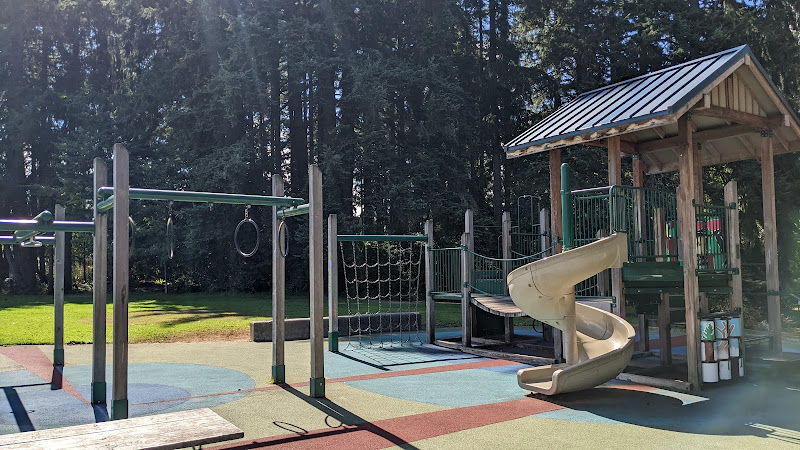
Decatur Woods Park
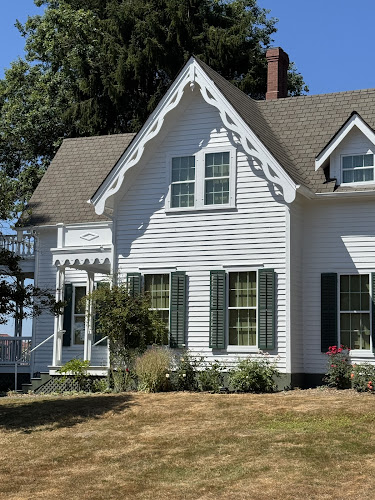
Bigelow House Museum, a historic house museum of the Olympia Historical Society
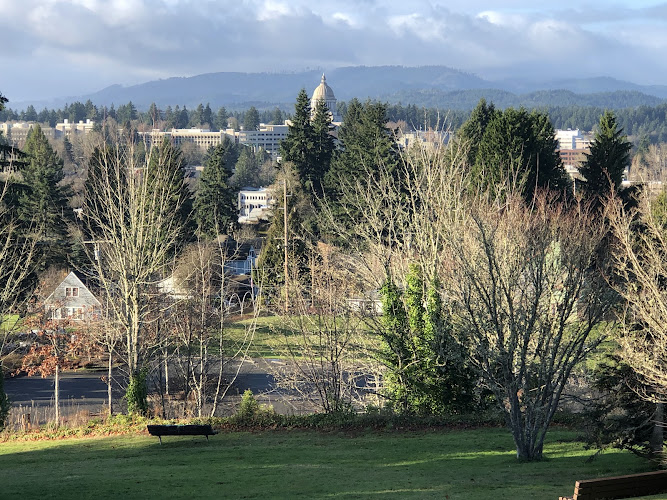
Madison Scenic Park
Find Accommodations Nearby
Recommended Tours & Activities
Visitor Reviews
There are no reviews yet. Be the first one to write one.
Share Your Experience
Have you visited Hands On Children’s Museum? Help other travelers by leaving a review.