
Bigelow House Museum, a historic house museum of the Olympia Historical Society
About Bigelow House Museum, a historic house museum of the Olympia Historical Society
Description
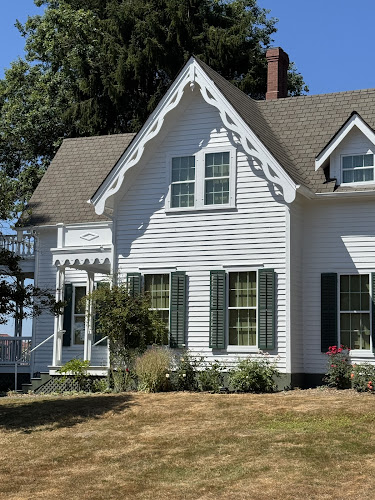
The Bigelow House Museum is a Carpenter Gothic–style house museum cared for by the Olympia Historical Society, offering a rare, well-preserved slice of mid-19th-century life in Washington state. Built in the 1840s and kept with many of its original furnishings and artifacts, the house reads like a time capsule: turned wood trim, steep gables, and intricate scrollwork that announce its architectural pedigree the moment one approaches. Inside, rooms are arranged as they would have been lived in, with period textiles, family heirlooms, and household items that quietly tell human-sized stories about daily routines, celebrations, and hard work in a burgeoning frontier town.
This is not a museum that relies on glass cases alone. It offers a warm, lived-in feeling that docents and volunteers like to build on. Guided tours are available and tend to be conversational—docents often weave in little anecdotes about the family who lived there, the changing neighborhood, and local events that shaped Olympia. There is also a small theater space used for talks, historical presentations, and community programming; the presence of a theater within a historic house is one of those delightful surprises that sets this site apart from many other house museums in the region.
Accessibility has been thoughtfully addressed: the museum provides a wheelchair-accessible entrance, parking, and restroom, making it easier for visitors with mobility needs to experience the collection and interpreted rooms. Families are welcomed, and the museum runs kid-friendly activities and occasional hands-on programs aimed at younger audiences—so children can get a tangible sense of past lives without the usual no-touch frustration. The site also positions itself as an inclusive space, affirming a respectful environment for LGBTQ+ visitors and transgender community members.
What makes the Bigelow House Museum distinctive is its balance between architectural charm and intimate, object-driven storytelling. Instead of overwhelming visitors with an avalanche of dates, the exhibits focus on material culture—objects that spark curiosity. A sewing basket, a well-worn platter, a faded photograph: these everyday artifacts are used as gateways to larger discussions about settlement patterns, domestic labor, and social networks in 19th-century Olympia. For people who like history that feels human and messy rather than sterile and monumental, this approach lands well.
Practical pleasures are part of the experience too. The museum grounds and rooms are compact enough to explore in under an hour, which makes it a perfect stop for travelers fitting a history fix into a busy day. Yet spend a little more time, and the layers begin to show—period wallpaper, original woodwork, and small inscriptions that hint at lives lived over multiple generations. The museum’s programming calendar sometimes includes special exhibits and community events staged in the theater, so there are moments when a routine visit becomes an unexpectedly lively cultural outing.
Visitors who appreciate architecture will notice fine Carpenter Gothic details up close: the ornate bargeboards, pointed arch motifs, and decorative trim that demonstrate a local interpretation of a national Victorian trend. Those more interested in social history will appreciate how objects and personal stories are used to illuminate broader themes: migration, family dynamics, work patterns, and the relationship between a growing town and the natural environment around it.
Finally, the museum rewards curiosity. People who poke around, ask questions, and linger in the corners often leave with the best impressions—tidbits from a docent about a long-ago birthday celebration or a neighborly feud, or the small human detail scratched into a desk that suddenly makes the past feel present. It’s the kind of place where details matter and where an ordinary item can open the door to an extraordinary story. For travelers who want a short, meaningful encounter with local history that’s accessible, welcoming, and quietly rich, the Bigelow House Museum is worth carving into an Olympia itinerary.
Key Features
More Details
Updated August 30, 2025
Table of Contents
- Description
- Key Highlights
- Location
- Places to Stay Near Bigelow House Museum, a historic house museum of the Olympia Historical Society
- Find and Book a Tour
- Explore More Travel Guides
- Nearby Places You Might Like
- Traveler Reviews for Bigelow House Museum, a historic house museum of the Olympia Historical Society
- Share Your Experience
Description
The Bigelow House Museum is a Carpenter Gothic–style house museum cared for by the Olympia Historical Society, offering a rare, well-preserved slice of mid-19th-century life in Washington state. Built in the 1840s and kept with many of its original furnishings and artifacts, the house reads like a time capsule: turned wood trim, steep gables, and intricate scrollwork that announce its architectural pedigree the moment one approaches. Inside, rooms are arranged as they would have been lived in, with period textiles, family heirlooms, and household items that quietly tell human-sized stories about daily routines, celebrations, and hard work in a burgeoning frontier town.
This is not a museum that relies on glass cases alone. It offers a warm, lived-in feeling that docents and volunteers like to build on. Guided tours are available and tend to be conversational—docents often weave in little anecdotes about the family who lived there, the changing neighborhood, and local events that shaped Olympia. There is also a small theater space used for talks, historical presentations, and community programming; the presence of a theater within a historic house is one of those delightful surprises that sets this site apart from many other house museums in the region.
Accessibility has been thoughtfully addressed: the museum provides a wheelchair-accessible entrance, parking, and restroom, making it easier for visitors with mobility needs to experience the collection and interpreted rooms. Families are welcomed, and the museum runs kid-friendly activities and occasional hands-on programs aimed at younger audiences—so children can get a tangible sense of past lives without the usual no-touch frustration. The site also positions itself as an inclusive space, affirming a respectful environment for LGBTQ+ visitors and transgender community members.
What makes the Bigelow House Museum distinctive is its balance between architectural charm and intimate, object-driven storytelling. Instead of overwhelming visitors with an avalanche of dates, the exhibits focus on material culture—objects that spark curiosity. A sewing basket, a well-worn platter, a faded photograph: these everyday artifacts are used as gateways to larger discussions about settlement patterns, domestic labor, and social networks in 19th-century Olympia. For people who like history that feels human and messy rather than sterile and monumental, this approach lands well.
Practical pleasures are part of the experience too. The museum grounds and rooms are compact enough to explore in under an hour, which makes it a perfect stop for travelers fitting a history fix into a busy day. Yet spend a little more time, and the layers begin to show—period wallpaper, original woodwork, and small inscriptions that hint at lives lived over multiple generations. The museum’s programming calendar sometimes includes special exhibits and community events staged in the theater, so there are moments when a routine visit becomes an unexpectedly lively cultural outing.
Visitors who appreciate architecture will notice fine Carpenter Gothic details up close: the ornate bargeboards, pointed arch motifs, and decorative trim that demonstrate a local interpretation of a national Victorian trend. Those more interested in social history will appreciate how objects and personal stories are used to illuminate broader themes: migration, family dynamics, work patterns, and the relationship between a growing town and the natural environment around it.
Finally, the museum rewards curiosity. People who poke around, ask questions, and linger in the corners often leave with the best impressions—tidbits from a docent about a long-ago birthday celebration or a neighborly feud, or the small human detail scratched into a desk that suddenly makes the past feel present. It’s the kind of place where details matter and where an ordinary item can open the door to an extraordinary story. For travelers who want a short, meaningful encounter with local history that’s accessible, welcoming, and quietly rich, the Bigelow House Museum is worth carving into an Olympia itinerary.
Key Highlights
Bigelow House Museum, a historic house museum of the Olympia Historical Society
Location
Places to Stay Near Bigelow House Museum, a historic house museum of the Olympia Historical Society
Find and Book a Tour
Explore More Travel Guides
No reviews found! Be the first to review!
Traveler Reviews for Bigelow House Museum, a historic house museum of the Olympia Historical Society
There are no reviews yet. Be the first one to write one.
Have you visited Bigelow House Museum, a historic house museum of the Olympia Historical Society? Help other travelers by sharing your review.
You Might Also Like
12245 Tilley Rd SW
Madison Scenic Park

Hands On Children's Museum
Find Accommodations Nearby
Recommended Tours & Activities
Visitor Reviews
There are no reviews yet. Be the first one to write one.
Share Your Experience
Have you visited Bigelow House Museum, a historic house museum of the Olympia Historical Society? Help other travelers by leaving a review.