
Clifford’s Tower, York
About Clifford’s Tower, York
Key Features
More Details
Updated June 11, 2025
## Clifford’s Tower, York: What It Is, Why It Matters, and How to Visit Thoughtfully
Clifford’s Tower is the largest surviving part of York Castle, once described by English Heritage as northern England’s greatest medieval fortress. Heritage From the outside it can look like “just a ruin on a mound,” but the site’s value is in two things that most visitors miss on a quick glance: its layered, often uncomfortable history and its elevated vantage point over central York.
If you’ve heard someone say “there are better things to see and do in York,” that’s not always a knock on the monument itself—it’s often a signal that they visited without context, rushed the climb, or didn’t realize what they were looking at. This guide fixes that.
## Quick facts you can rely on
– Name: Clifford’s Tower
– Address area: Tower Street, York, YO1 9SA, United Kingdom
– What it is: The largest surviving part of York Castle Heritage
– Managed by: English Heritage (official visitor information, opening times, and tickets are published on their site). Heritage
## The history most people don’t get told (but you should know)
### 1) A “dissonant heritage” site, not just a viewpoint
Clifford’s Tower is not only a medieval monument—it’s also the setting for one of the worst antisemitic massacres of the Middle Ages, which took place in York in 1190. English Heritage explicitly frames the event as a violent anti-Jewish attack in which members of York’s Jewish community were trapped at the castle and many chose death rather than murder or forced conversion. Heritage
A practical note on respectful visiting: if you’re traveling with children or in a group that wants “light” sightseeing, it’s worth deciding in advance whether you want to include this part of the interpretation in your visit. The history is presented on-site as part of the tower’s story, and it’s not something to treat as background trivia. Heritage
### 2) A thousand years of change—fire included
English Heritage summarizes the wider site as home to one thousand years of history, and notes that the raised earthwork was once the site of a timber keep built by William the Conqueror. Heritage Their visitor description also points to several key episodes interpreted on-site, including:
– the Harrying of the North (a brutal campaign following the Norman Conquest),
– the anti-Jewish pogrom of 1190,
– and the fire of 1684. Heritage
Those anchor points matter because they explain why the tower feels like a ruin: it has repeatedly been reshaped by conflict, violence, and disaster—not preserved as a neat medieval “time capsule.”
## What you’ll actually do on a visit
### The climb: short, steep, and more important than it looks
You reach Clifford’s Tower by climbing the mound. English Heritage notes steep steps, plus resting places added to make the ascent easier. Heritage If you have knee issues, reduced mobility, or you’re carrying a toddler, that detail matters more than “distance from the station.”
At the base, English Heritage also describes a welcome area with a tactile map of the castle and city. Heritage That’s useful even if you’re not using the tactile features—because it helps you orient what you’re seeing from above (river, walls, central landmarks) rather than treating the view as “random rooftops.”
### Inside the tower: interpretation across multiple periods
English Heritage’s visitor page emphasizes that the tower is set up to help you explore key periods of its history, including interpretive storytelling that confronts the site’s darker chapters rather than skating past them. Heritage
If you’re choosing between multiple York paid attractions, this is the deciding factor: Clifford’s Tower is small, but dense. You’re not paying for a multi-hour museum; you’re paying for access to a historic structure plus interpretation and one of the city’s most useful “mental map” viewpoints.
## How long to budget (realistic timing)
Most visitors can plan on:
– 30–60 minutes if you’re primarily there for the climb, views, and a brisk read of interpretation.
– 60–90 minutes if you’re engaging fully with the historical narrative and taking your time with photos from the top.
That range is based on the site being compact but information-rich (and on the climb being the main “effort”). It’s also why some reviews underwhelm—people often compare it to larger-ticket attractions rather than judging it on what it is: a single monument with unusually heavy history. Heritage
## Tickets and opening times (avoid getting burned by outdated info)
English Heritage publishes prices and opening times on an official page, and these can vary by season and change over time. For accuracy, check the official listing close to your visit. Heritage
## Practical tips that genuinely improve the experience
– Do it early if you care about photos. You’re elevated, exposed, and looking across the city—light and crowding matter more here than in indoor attractions.
– Pair it with nearby street-level context. The tower tells one story from above; York makes more sense when you also walk the perimeter around the castle area and then back toward the medieval core.
– Read the interpretation before you chase the view. It changes the meaning of what you’re standing on—especially the 1190 narrative, which English Heritage treats as central to the site. Heritage
## Two editor-ready internal link opportunities (contextual, not assumptions)
Because I can’t verify your RealJourneyTravels.com URL structure from the info provided, here are safe, contextual internal link placements you (or an editor) can wire up to existing site pages:
1) Anchor: “York Minster (planning notes + what to prioritize)”
Placement: In the “How long to budget” section, as a comparison to another major York sight.
2) Anchor: “The Shambles (best times to walk it, photo strategy)”
Placement: In “Practical tips,” as the street-level counterpoint to Clifford’s Tower’s viewpoint.
## Inclusivity + accuracy note (so the history is handled responsibly)
The 1190 event is widely described as an anti-Jewish massacre/antisemitic violence at York Castle; English Heritage’s own material foregrounds this history, including the coercion and threat of forced conversion faced by the Jewish community. Heritage If you summarize this on-page, avoid euphemisms like “unrest” or “incident”—they understate what happened and conflict with the framing used by the site’s official interpretation.
—
If you want, paste your RealJourneyTravels.com York-related slugs (even just 5–10), and I’ll weave the two internal links directly into the article body with exact URLs and more natural anchor text.
Table of Contents
Key Highlights
Clifford’s Tower, York
Location
Places to Stay Near Clifford's Tower, York"There are better things toc see and do in York."
Find and Book a Tour
Explore More Travel Guides
No reviews found! Be the first to review!
Traveler Reviews for Clifford’s Tower, York
There are no reviews yet. Be the first one to write one.
Have you visited Clifford’s Tower, York? Help other travelers by sharing your review.
You Might Also Like

Murton Park
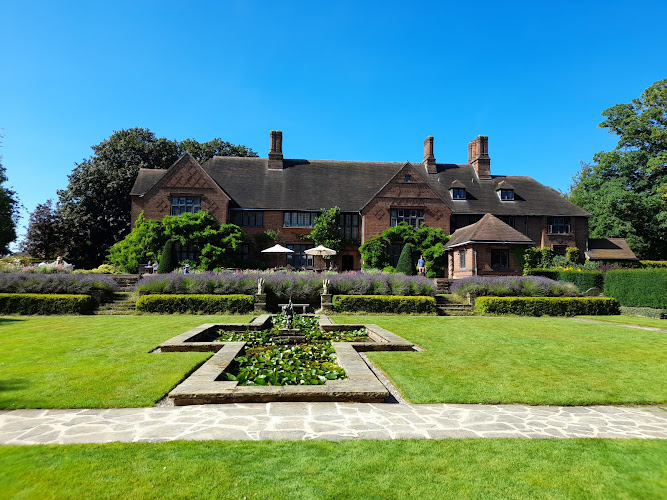
Goddards

York Castle Museum
Find Accommodations Nearby
Recommended Tours & Activities
Visitor Reviews
There are no reviews yet. Be the first one to write one.
Share Your Experience
Have you visited Clifford’s Tower, York? Help other travelers by leaving a review.