
Floating Torii Gate of Oouo Shrine
About Floating Torii Gate of Oouo Shrine
Key Features
More Details
Updated April 15, 2024
Hidden Wonders | The ‘Floating’ Torii Gates of Oouo Shrine | JAPAN Forward
## Floating Torii Gate of Ōuo Shrine (Oouo Shrine), Saga: What to Know Before You Go
The Floating Torii Gate of Ōuo Shrine (often written “Oouo Shrine” in English listings) is a Shinto shrine approach marked by three vermilion torii gates standing in the Ariake Sea at Tara Town (Tara-chō) in Saga Prefecture, Kyushu. At high tide, the gates appear to rise from the water; at low tide, the water pulls back far enough that a stone-paved approach/path reappears, letting you walk much closer to the gates.
You’re not imagining the drama: the Ariake Sea is known for a very large tidal range, and reporting around Ōuo Shrine commonly cites a maximum around 6 meters, which is why the scenery changes so radically within the same day. Forward
—
## Quick facts (based on published listings)
– Place name: Ōuo Shrine / Oouo Shrine (大魚神社) LUCK TRIP)
– Address: 1874-9 Tara, Tarachō, Fujitsu-gun, Saga 849-1602, Japan LUCK TRIP)
– Cost: Listed as free
– Access (on foot): One guide lists ~10 minutes walking from JR Nagasaki Main Line’s Tara Station LUCK TRIP)
– Hours: One directory lists it as open all day for worship LUCK TRIP)
Outdated-data flag: hours, transit details, and phone numbers can change—especially in rural tourist spots—so treat those as “last known good” and verify with a local tourism source before planning around them. LUCK TRIP)
—
## Why the torii “float” (and why timing matters more than weather)
Ōuo Shrine’s gates are famous because the tide does half the storytelling:
– High tide: the gates look partially submerged, giving the “floating torii” effect.
– Low tide: the water recedes dramatically; you can approach much closer, and the seabed/stone approach becomes visible again.
If you can only plan one thing, plan around tide times, not around sunrise/sunset. The same sky can deliver totally different photos depending on whether the sea is “in” or “out.”
Practical tip: look up tide tables for the Ariake Sea/Tara area before you go, and aim to arrive ~60–90 minutes before the tide phase you want, so you can watch the transition. (I’m not giving specific tide times here because they vary by date and location and shouldn’t be guessed.)
—
## A little context: history, rebuilding, and why the gates stay bright
Several sources describe the torii as historically significant and maintained over time:
– Reporting notes the torii were constructed along the shrine approach in the mid-Edo period, and that they’ve been rebuilt periodically, commonly described as around every 30 years due to harsh exposure to seawater and spray. Forward
– Multiple travel write-ups state the current structures date to a 2012 reconstruction/renewal, after deterioration and local efforts to restore them. Forward
That cycle explains something visitors often notice: the gates don’t look “aged into the landscape.” They’re intentionally vivid—because they’re maintained.
—
## What it’s like on-site
Expect a small coastal shrine atmosphere rather than a large temple complex. The experience is essentially:
1. Shoreline view of the three gates (your first photo moment).
2. If the tide is out: a closer approach becomes possible as the water recedes.
3. If the tide is in: you’ll likely stay on the shore/edge viewpoints and watch the gates framed against the Ariake Sea. Forward
Because conditions change quickly, footwear matters: even when the path is visible, coastal edges can be slick. Move slowly and assume surfaces are uneven.
—
## Visiting etiquette (simple, but worth getting right)
This is a Shinto sacred space, not a “set.” A few basics go a long way:
– Don’t climb on the torii or treat them as props.
– Give space to anyone there for worship or ceremonies.
– If you’re photographing people, keep it respectful—especially around families taking formal photos (the location is known for ceremonial and commemorative shoots in local reporting). Forward
Inclusivity note: Shinto sites are open to visitors of any background; the main expectation is respectful behavior rather than insider knowledge.
—
## Photography notes (what actually changes your results)
– High tide = “floating” look with the gates visually emerging from water.
– Low tide = scale and texture (tidal flats/approach details) and the ability to frame the gates from closer angles.
If you’re shooting with a phone, wipe your lens often—sea mist and humidity can soften images fast. If you’re shooting with a longer lens, you can compress the three gates into a tight, layered composition.
—
## Getting there: what we can say confidently
A reliable directory-style listing provides a clear, specific access note:
– From JR Nagasaki Main Line’s Tara Station, it lists about a 10-minute walk to the site. LUCK TRIP)
If you’re building a day around it, pair it with other Saga coastal stops—but don’t over-schedule. The whole point is catching the tide phase you want.
Outdated-data flag: station access and walking routes can be affected by local construction or signage changes; confirm on a current map app on the day. LUCK TRIP)
—
## Two internal links for readers who like torii (and how each one differs)
If you’re building a Japan torii “thread” for your RealJourneyTravels readers, these two pages already on your site make strong contextual companions:
– Hakusan Shrine Torii Gate (Niigata): a quieter, pond-side torii experience—good contrast to Ōuo’s coastal tidal drama. Journey Tours & Travels
– https://www.realjourneytravels.com/places/hakusan-shrine-torii-gate/
– Sannō Shrine One-Legged Torii Gate (Nagasaki): historically heavy, tied to the 1945 atomic bombing survival story—completely different emotional register from Ōuo. Journey Tours & Travels
– https://www.realjourneytravels.com/places/sanno-shrine-one-legged-torii-gate/
—
## Bottom line: who this is best for
Ōuo Shrine’s floating torii is ideal if you care about:
– Natural rhythm + cultural symbol in one place (tide mechanics + torii meaning).
– A short visit with high “visual payoff” that doesn’t require a full-day commitment—as long as you time the tide.
If you go without checking tide timing, it can still be beautiful—but you’re gambling on the main reason it’s famous.
Table of Contents
Key Highlights
Floating Torii Gate of Oouo Shrine
Location
Places to Stay Near Floating Torii Gate of Oouo Shrine
Find and Book a Tour
Explore More Travel Guides
No reviews found! Be the first to review!
Traveler Reviews for Floating Torii Gate of Oouo Shrine
There are no reviews yet. Be the first one to write one.
Have you visited Floating Torii Gate of Oouo Shrine? Help other travelers by sharing your review.
You Might Also Like
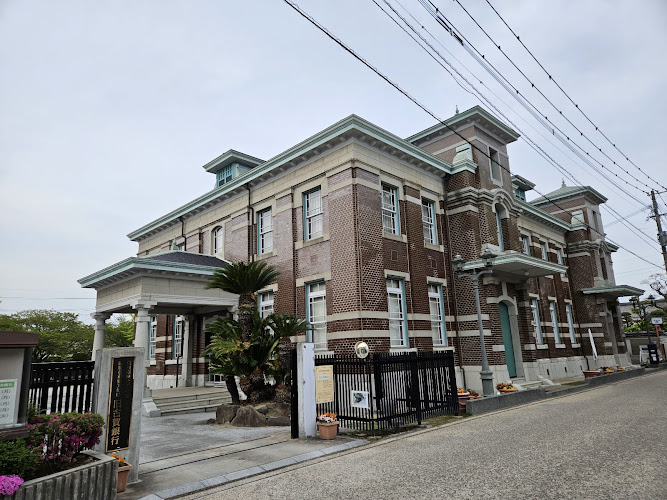
Former Koga Bank (Saga City Cultural Museum)
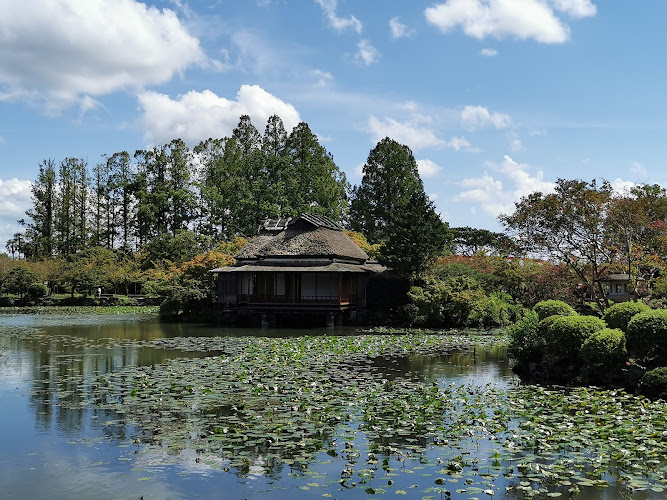
Kouno park
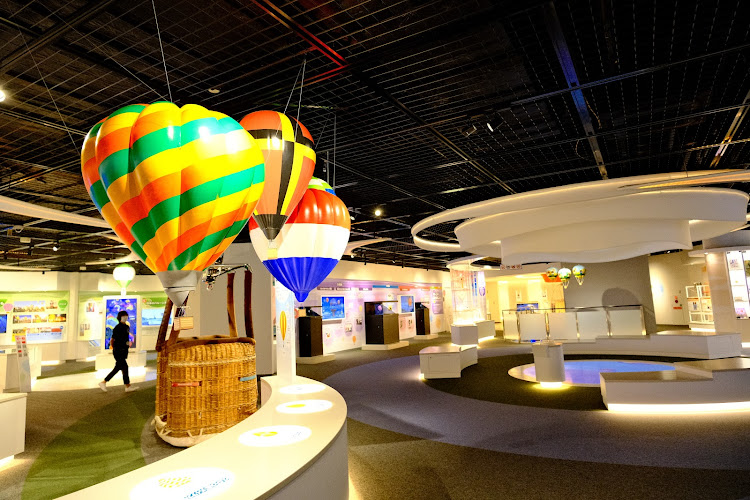
Saga Balloon Museum
Find Accommodations Nearby
Recommended Tours & Activities
Visitor Reviews
There are no reviews yet. Be the first one to write one.
Share Your Experience
Have you visited Floating Torii Gate of Oouo Shrine? Help other travelers by leaving a review.