
Beji Sangsit Temple
About Beji Sangsit Temple
Description
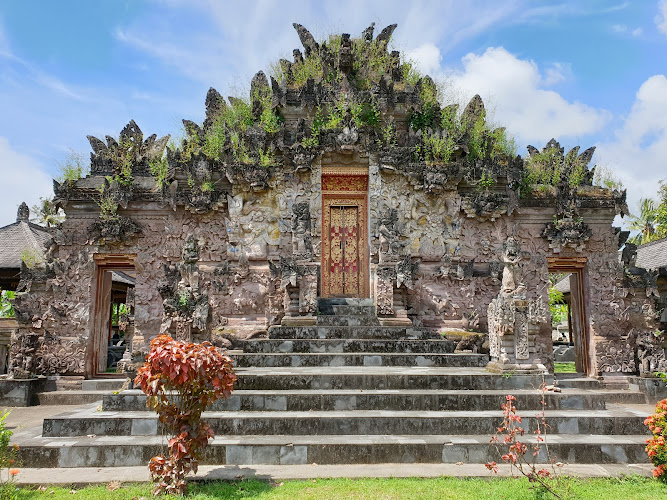
Beji Sangsit Temple, also known as Pura Beji, is a 15th-century Hindu temple located in the northern part of Bali in Buleleng Regency. This historic temple holds a deep cultural and spiritual significance as it is dedicated to Dewi Sri, the Balinese goddess of rice and fertility. For centuries, local farmers have come here to seek blessings for fertile lands and abundant harvests. And though agriculture and subak irrigation systems have transformed over time, the temple still serves as a place of worship and gratitude for the rice goddess.
What makes Beji Sangsit Temple truly remarkable is its architecture and artistry. Unlike many other temples in Bali where dark volcanic stone dominates, this temple was constructed using pink sandstone that glows warmly under the tropical sun. The walls, gateways, and shrines are covered in elaborately detailed carvings — floral motifs, serpents, and mythical figures that seem alive with stories from centuries past. Even if one isn’t deeply interested in religion, standing among the stone carvings feels a bit like walking through a giant piece of art frozen in time. Some visitors even notice small faces peeking through walls of detail, as though the temple itself is watching quietly over its guests.
Despite its beauty, Beji Sangsit Temple is not the busiest attraction in Bali. And that can be both a blessing and a curse. On the one hand, visitors can often wander through the courtyards at their own pace without being lost in crowds. On the other hand, facilities are rather minimal and accessibility is limited, especially for those needing wheelchairs. That being said, this understated and raw charm is perhaps part of the appeal, especially for travelers seeking something beyond Bali’s more commercialized south.
If we’re being honest here, the temple does show its age. Some carvings have worn down and moss covers parts of the structure. But to me, that only adds to its character. It feels lived in, weathered by time, and still standing proudly after centuries. Many who explore this site appreciate that sense of authenticity — you’re not just seeing a polished-up relic for photographs, you’re experiencing history in its organic form. And on certain days when the light filters down through temple gates and shadow-dances across the statues, it’s hard not to pause in awe and think about all the generations of Balinese people who’ve knelt here in worship, asking for prosperity in their rice fields.
While some travelers may find the temple less dramatic than Bali’s larger sites like Besakih or Uluwatu, it uniquely represents the northern Balinese style of temple architecture. The artistry is intricate, the stories embedded in every carving rich, and the connection to the island’s agrarian tradition is something you’ll feel more deeply the longer you explore. Beji Sangsit Temple is not just a stop for temple-hoppers, it’s a window into the relationship between people, nature, and belief that built Bali’s cultural fabric.
Key Features
More Details
Updated October 2, 2025
Table of Contents
Description
Beji Sangsit Temple, also known as Pura Beji, is a 15th-century Hindu temple located in the northern part of Bali in Buleleng Regency. This historic temple holds a deep cultural and spiritual significance as it is dedicated to Dewi Sri, the Balinese goddess of rice and fertility. For centuries, local farmers have come here to seek blessings for fertile lands and abundant harvests. And though agriculture and subak irrigation systems have transformed over time, the temple still serves as a place of worship and gratitude for the rice goddess.
What makes Beji Sangsit Temple truly remarkable is its architecture and artistry. Unlike many other temples in Bali where dark volcanic stone dominates, this temple was constructed using pink sandstone that glows warmly under the tropical sun. The walls, gateways, and shrines are covered in elaborately detailed carvings — floral motifs, serpents, and mythical figures that seem alive with stories from centuries past. Even if one isn’t deeply interested in religion, standing among the stone carvings feels a bit like walking through a giant piece of art frozen in time. Some visitors even notice small faces peeking through walls of detail, as though the temple itself is watching quietly over its guests.
Despite its beauty, Beji Sangsit Temple is not the busiest attraction in Bali. And that can be both a blessing and a curse. On the one hand, visitors can often wander through the courtyards at their own pace without being lost in crowds. On the other hand, facilities are rather minimal and accessibility is limited, especially for those needing wheelchairs. That being said, this understated and raw charm is perhaps part of the appeal, especially for travelers seeking something beyond Bali’s more commercialized south.
If we’re being honest here, the temple does show its age. Some carvings have worn down and moss covers parts of the structure. But to me, that only adds to its character. It feels lived in, weathered by time, and still standing proudly after centuries. Many who explore this site appreciate that sense of authenticity — you’re not just seeing a polished-up relic for photographs, you’re experiencing history in its organic form. And on certain days when the light filters down through temple gates and shadow-dances across the statues, it’s hard not to pause in awe and think about all the generations of Balinese people who’ve knelt here in worship, asking for prosperity in their rice fields.
While some travelers may find the temple less dramatic than Bali’s larger sites like Besakih or Uluwatu, it uniquely represents the northern Balinese style of temple architecture. The artistry is intricate, the stories embedded in every carving rich, and the connection to the island’s agrarian tradition is something you’ll feel more deeply the longer you explore. Beji Sangsit Temple is not just a stop for temple-hoppers, it’s a window into the relationship between people, nature, and belief that built Bali’s cultural fabric.
Key Highlights
Beji Sangsit Temple
Location
Places to Stay Near Beji Sangsit Temple
Find and Book a Tour
Explore More Travel Guides
No reviews found! Be the first to review!
Traveler Reviews for Beji Sangsit Temple
There are no reviews yet. Be the first one to write one.
Have you visited Beji Sangsit Temple? Help other travelers by sharing your review.
You Might Also Like
Puri Agung Singaraja
Banjar Hot Spring

Krisna Water Sports
Find Accommodations Nearby
Recommended Tours & Activities
Visitor Reviews
There are no reviews yet. Be the first one to write one.
Share Your Experience
Have you visited Beji Sangsit Temple? Help other travelers by leaving a review.