
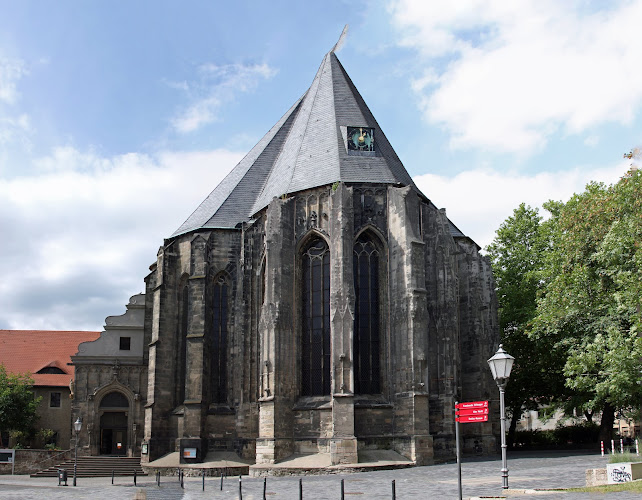
Moritzkirche
About Moritzkirche
Description
Moritzkirche in Halle (Saale), Germany, is one of those historical places that tends to capture both admiration and quiet reflection. Built in the early 15th century and consecrated in 1411, it is a Gothic hall church dedicated to Saint Maurice. As soon as one steps inside, the soaring vaulted ceilings and the spacious layout make an impression, a reminder of what late Gothic architecture was designed to achieve: openness, light, and a sense of community gathering under one grand roof. While some travelers are left wanting more in terms of preserved decoration, many find the simplicity of its structure and the stillness it offers to be charming in their own right.
For centuries, the church has been an important part of the city’s religious and cultural life. Beyond its role as a Catholic parish, it has also evolved into a space for art, live music, and community events. On certain evenings, the acoustics fill with organ performances or choir rehearsals drifting across the nave. If you have ever heard music in such a place, you’ll know how hauntingly beautiful it can be, the kind of sound that lingers with you long after you’ve left.
The Moritzkirche isn’t the most lavish church you’ll ever see. Instead, its strength lies in its atmosphere and enduring presence. Some visitors walk in expecting the glamour of cathedrals with gilded altars or overflowing ornamentation. But here, the details are more subtle. Pieces of religious art find their place quietly along the walls, and the structure itself tells the story of Saxony-Anhalt through the centuries. Like many buildings in Halle, it has been shaped by history’s ups and downs, surviving wars, neglect, and periods of renewal. I often think churches like this remind us that a building doesn’t need to scream grandeur to earn respect — sometimes calm persistence speaks louder.
It’s also worth noting that the church makes an effort toward accessibility, with a wheelchair-friendly entrance, which is not always the case with older Gothic churches in Europe. This modern update balances its medieval bones with contemporary inclusivity, enabling more people to experience it without barriers. Travelers who enjoy blending history with moments of stillness, or who seek out community-centered sites rather than purely touristy ones, usually find Moritzkirche quite rewarding. And yes, like any destination, there are folks who may consider it less impressive compared to other churches they’ve seen in Germany, but that variation of perspective is part of what makes travel interesting. Here, the true value lies in slowing down, soaking in the centuries that echo through its walls, and perhaps catching a live performance that transforms the space entirely.
Key Features
More Details
Updated October 2, 2025
Table of Contents Moritzkirche in Halle (Saale), Germany, is one of those historical places that tends to capture both admiration and quiet reflection. Built in the early 15th century and consecrated in 1411, it is a Gothic hall church dedicated to Saint Maurice. As soon as one steps inside, the soaring vaulted ceilings and the spacious layout make an impression, a reminder of what late Gothic architecture was designed to achieve: openness, light, and a sense of community gathering under one grand roof. While some travelers are left wanting more in terms of preserved decoration, many find the simplicity of its structure and the stillness it offers to be charming in their own right. For centuries, the church has been an important part of the city’s religious and cultural life. Beyond its role as a Catholic parish, it has also evolved into a space for art, live music, and community events. On certain evenings, the acoustics fill with organ performances or choir rehearsals drifting across the nave. If you have ever heard music in such a place, you’ll know how hauntingly beautiful it can be, the kind of sound that lingers with you long after you’ve left. The Moritzkirche isn’t the most lavish church you’ll ever see. Instead, its strength lies in its atmosphere and enduring presence. Some visitors walk in expecting the glamour of cathedrals with gilded altars or overflowing ornamentation. But here, the details are more subtle. Pieces of religious art find their place quietly along the walls, and the structure itself tells the story of Saxony-Anhalt through the centuries. Like many buildings in Halle, it has been shaped by history’s ups and downs, surviving wars, neglect, and periods of renewal. I often think churches like this remind us that a building doesn’t need to scream grandeur to earn respect — sometimes calm persistence speaks louder. It’s also worth noting that the church makes an effort toward accessibility, with a wheelchair-friendly entrance, which is not always the case with older Gothic churches in Europe. This modern update balances its medieval bones with contemporary inclusivity, enabling more people to experience it without barriers. Travelers who enjoy blending history with moments of stillness, or who seek out community-centered sites rather than purely touristy ones, usually find Moritzkirche quite rewarding. And yes, like any destination, there are folks who may consider it less impressive compared to other churches they’ve seen in Germany, but that variation of perspective is part of what makes travel interesting. Here, the true value lies in slowing down, soaking in the centuries that echo through its walls, and perhaps catching a live performance that transforms the space entirely.Description
Key Highlights
Moritzkirche
Location
Places to Stay Near Moritzkirche
Find and Book a Tour
Explore More Travel Guides
No reviews found! Be the first to review!
Traveler Reviews for Moritzkirche
There are no reviews yet. Be the first one to write one.
Have you visited Moritzkirche? Help other travelers by sharing your review.
You Might Also Like
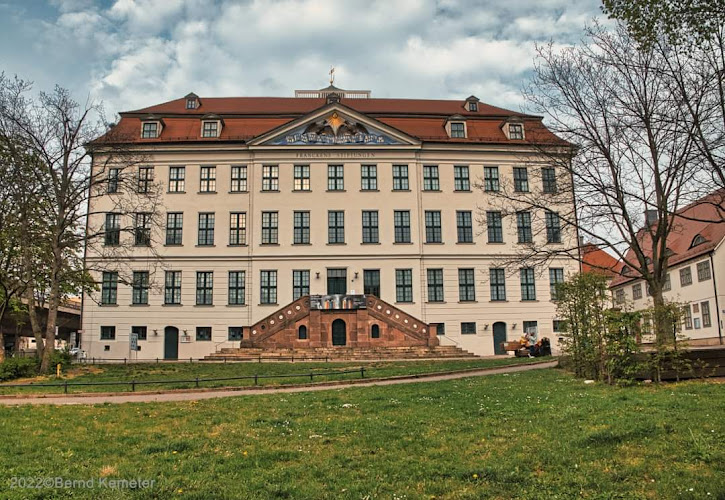
Francke Foundations
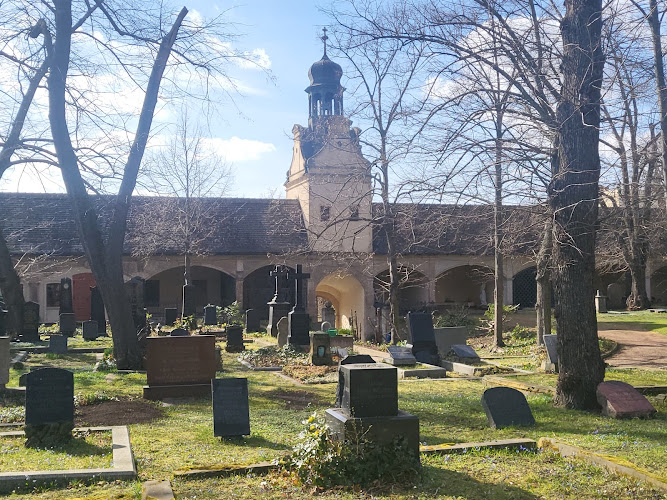
Stadtgottesacker

06108 Halle (Saale)
Find Accommodations Nearby
Recommended Tours & Activities
Visitor Reviews
There are no reviews yet. Be the first one to write one.
Share Your Experience
Have you visited Moritzkirche? Help other travelers by leaving a review.