
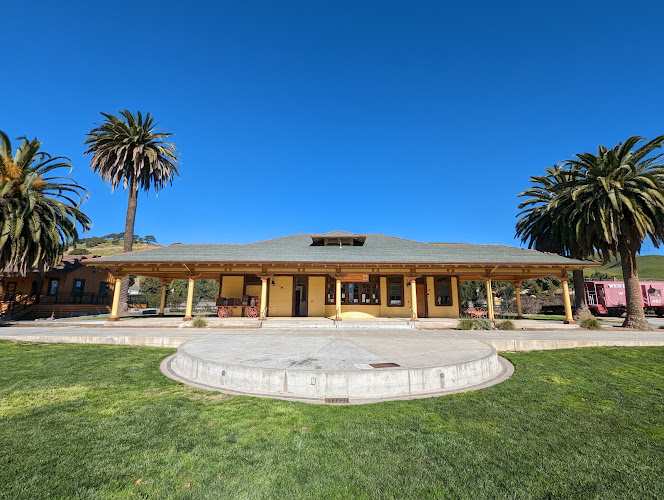
Niles Depot Museum
About Niles Depot Museum
Description
The Niles Depot Museum, standing since 1901, is a compact but captivating slice of railroad history in Fremont, California. Housed in an original train depot, the museum showcases the rise of railroading in the East Bay and the role that this small station played in linking communities, freight, and industry across the region. It keeps the character of an early 20th-century passenger depot while presenting artifacts, photographs, timetables, and model displays that trace local railroad developments, including ties to the Southern Pacific rail lines and the broader story of California rail transport.
This museum feels like a neighborhood treasure rather than a sprawling institution — and that is part of its charm. The interior has been arranged so that visitors can easily follow a narrative: from the era when steam ruled the rails to the later shifts toward diesel and commuter services. Exhibits are curated with an eye toward both preservation and storytelling, and docents — often volunteers with decades of personal railroad experience — add color and context, telling small stories that don't appear on placards. A docent might point out a worn seat or a ledger and say, very matter-of-factly, that a particular item belonged to a conductor who rode these rails for forty years. That kind of thing gives the place personality, and people notice.
Families with kids will find a friendly, hands-on vibe here. The museum emphasizes tangible artifacts: model trains, signal equipment, maps, and interpretive displays that are approachable for younger visitors. Kids can peer into signal boxes, stand next to replica signage, and trace old rail lines on maps that show how the region connected to San Francisco and beyond. It’s small enough that a family visit feels manageable, not exhausting — though watch out: some children get hooked and will beg to return for the miniature trains.
Accessibility has been thoughtfully addressed. The depot maintains a wheelchair-accessible entrance and a parking area that accommodates mobility needs, which makes it practical for visitors with varying levels of mobility. There is an admission fee, which helps support conservation efforts and the volunteer-run programming. There is no restaurant on site, so visitors should plan accordingly if they expect to linger for a longer day out.
Beyond the artifacts, the Niles Depot Museum serves as a living reminder of the Niles district’s layered history. The neighborhood once hosted early film studios and railroad workshops, and the depot sits at an intersection of transportation and cultural memory. Visitors who like to stitch together local stories — trains, silent films, and small-town commerce — will find the museum an ideal starting point for exploring the district's past and present.
Key Features
- Historic 1901 train depot building preserved with period details and interpretive signage
- Exhibits on local railroad history including artifacts, photographs, timetables, and oral histories
- Model train displays and educational elements suitable for children and families
- Volunteer docents who provide first-hand anecdotes and personal perspectives on railroading
- Wheelchair-accessible entrance and designated accessible parking
- Admission fee supports museum operations and preservation projects
- Proximity to Niles Canyon Railway excursions and other railroad-related attractions in the area
- Special events and themed days (check local listings or inquire in person for current schedules)
Best Time to Visit
For a relaxed experience, weekday mornings are ideal. The museum tends to be quieter then, which means more time to read displays, chat with volunteers, and let kids explore without elbowing through crowds. Weekends draw families and hobbyists, especially when the Niles Canyon Railway runs special excursion trains — which makes the area busier but also more festive. If a visitor wants to photograph the depot with softer, golden light, aim for late afternoon; the south-facing façades glow in the last hour before sunset.
Spring and fall are personally recommended for those who like mild weather and comfortable walks through the surrounding historic district. Summers can get warm and weekends can become lively with events, so plan ahead if a low-key visit is preferred. And if a traveler has any interest in model-railroading clubs or railfan gatherings, checking the museum’s event calendar (or asking a docent) can reveal special open houses or model layouts on display. Those are small, delightful surprises that elevate a routine visit into a memorable one.
How to Get There
The Niles Depot Museum is situated in the Niles district of Fremont, making it accessible by car from most parts of the Bay Area. Driving is the most straightforward option for many visitors, and there is nearby parking including spaces designed for wheelchair access. Because there’s no on-site restaurant, combining a museum visit with a short walk through the town center works well — there are cafes and small eateries a short stroll away in the historic district if a bite is needed.
Public transit options reach Fremont, but a short local connection (rideshare or local bus) may be required to reach Niles itself depending on where a visitor starts. And if someone is traveling specifically for rail experiences, a trip that includes a ride on the Niles Canyon Railway can be stitched together with a museum stop; the timing of trains and museum hours is worth coordinating in advance. Visitors coming from other Bay Area cities should allow extra time for traffic, especially during commute hours and busy weekend event days.
Most visitors find it helpful to plan visits around train excursion schedules if they want the fuller experience. The depot and the surrounding district are compact and pedestrian-friendly, so once a person arrives, it’s easy to explore on foot. Also, bring comfortable shoes: the best discoveries are often just off the beaten path — like an old freight platform or a plaque that tells a surprising story about the town’s past.
Tips for Visiting
Plan for a short, focused visit or a longer day that mixes the museum with nearby attractions. The museum itself can be thoroughly enjoyed in an hour or so, but if a visitor wants to soak in the neighborhood, attend an excursion, and linger in cafés, budget half a day. There is an admission fee; exact rates vary, so bringing small cash and a card is wise. Because the site is volunteer-run, checking hours before arrival is important — or else one might show up to a closed door and that is annoying (it happened to someone once, they told the story at the ticket desk, still laughing about it).
Accessibility is good, but accessible parking and entrances can fill up on busy days. If mobility is a concern, arriving early or calling ahead to let the staff know can smooth the day. Families should note that there is no restaurant on site; packing water and snacks or planning a stop at a neighborhood café afterward keeps hunger from hijacking the outing.
Bring a camera. The architecture is appealing and the small details photograph beautifully: old signage, polished woodwork, a cracked signal lens, or a volunteer at a display telling a personal tale. But be considerate — some artifacts are fragile and behind glass; flash photography might be discouraged to protect materials. And visitors who are into trains should carry binoculars for watching rail activity along the nearby tracks — it’s a small pleasure that railfans tend to savor.
Engage the volunteers. They are often the heart of the museum. Ask questions about specific artifacts, or about the local rail history that influenced the wider Bay Area. Do not be shy to ask for stories — many exhibits come alive when someone who used to work on the rail or in the local shops weighs in. These first-person recollections are the kind of content that doesn’t make it into every museum label, and they transform an ordinary visit into something more intimate.
Combine the museum with a walk through the Niles historic district to get context. The depot won’t tell the whole story on its own; a stroll past the old storefronts, an eye toward any remaining industrial buildings, and a peek at commemorative plaques fills in the blank spaces. Nearby, the district’s film history is often overlooked; a visitor who enjoys cinema and trains can appreciate how the area once played host to early movie production alongside rail activity. It’s a neat juxtaposition.
For parents traveling with small children: set expectations. The museum is hands-on in spirit but not a large children’s museum with play zones. Still, the model trains and interactive explanations are usually a hit. A small, portable activity — like a notebook for drawing trains or a scavenger list (find a timetable, spot a locomotive photo, locate a signal lamp) — turns the visit into a purposeful mini-adventure and reduces wanders and whines.
Finally, support the museum if possible. Admission fees are part of sustaining the depot and its collections, and donations or membership help keep the lights on and the exhibits in good repair. Buying a postcard or a small memento is another modest way to give back. It’s easy to underestimate how much local museums like this rely on community support; even a few dollars make a difference.
In short: the Niles Depot Museum does what small, focused museums do best — it preserves a piece of regional history, presents it with care, and connects visitors to people who carry memory and expertise. The experience is quieter than a big city museum but richer in personal stories. For anyone traveling through Fremont or exploring rail history in California, it’s a stop that rewards curiosity, invites questions, and leaves a few pleasant surprises tucked into a very old depot building.
Key Features
- Restored 1901 Southern Pacific depot building
- Local railroad artifacts and interpretive panels
- Original telegraph and ticketing equipment
- Short platform and preserved rolling stock for photos
- Located in the walkable historic Niles district
More Details
Updated August 29, 2025
Table of Contents
Description
The Niles Depot Museum, standing since 1901, is a compact but captivating slice of railroad history in Fremont, California. Housed in an original train depot, the museum showcases the rise of railroading in the East Bay and the role that this small station played in linking communities, freight, and industry across the region. It keeps the character of an early 20th-century passenger depot while presenting artifacts, photographs, timetables, and model displays that trace local railroad developments, including ties to the Southern Pacific rail lines and the broader story of California rail transport.
This museum feels like a neighborhood treasure rather than a sprawling institution — and that is part of its charm. The interior has been arranged so that visitors can easily follow a narrative: from the era when steam ruled the rails to the later shifts toward diesel and commuter services. Exhibits are curated with an eye toward both preservation and storytelling, and docents — often volunteers with decades of personal railroad experience — add color and context, telling small stories that don’t appear on placards. A docent might point out a worn seat or a ledger and say, very matter-of-factly, that a particular item belonged to a conductor who rode these rails for forty years. That kind of thing gives the place personality, and people notice.
Families with kids will find a friendly, hands-on vibe here. The museum emphasizes tangible artifacts: model trains, signal equipment, maps, and interpretive displays that are approachable for younger visitors. Kids can peer into signal boxes, stand next to replica signage, and trace old rail lines on maps that show how the region connected to San Francisco and beyond. It’s small enough that a family visit feels manageable, not exhausting — though watch out: some children get hooked and will beg to return for the miniature trains.
Accessibility has been thoughtfully addressed. The depot maintains a wheelchair-accessible entrance and a parking area that accommodates mobility needs, which makes it practical for visitors with varying levels of mobility. There is an admission fee, which helps support conservation efforts and the volunteer-run programming. There is no restaurant on site, so visitors should plan accordingly if they expect to linger for a longer day out.
Beyond the artifacts, the Niles Depot Museum serves as a living reminder of the Niles district’s layered history. The neighborhood once hosted early film studios and railroad workshops, and the depot sits at an intersection of transportation and cultural memory. Visitors who like to stitch together local stories — trains, silent films, and small-town commerce — will find the museum an ideal starting point for exploring the district’s past and present.
Key Features
- Historic 1901 train depot building preserved with period details and interpretive signage
- Exhibits on local railroad history including artifacts, photographs, timetables, and oral histories
- Model train displays and educational elements suitable for children and families
- Volunteer docents who provide first-hand anecdotes and personal perspectives on railroading
- Wheelchair-accessible entrance and designated accessible parking
- Admission fee supports museum operations and preservation projects
- Proximity to Niles Canyon Railway excursions and other railroad-related attractions in the area
- Special events and themed days (check local listings or inquire in person for current schedules)
Best Time to Visit
For a relaxed experience, weekday mornings are ideal. The museum tends to be quieter then, which means more time to read displays, chat with volunteers, and let kids explore without elbowing through crowds. Weekends draw families and hobbyists, especially when the Niles Canyon Railway runs special excursion trains — which makes the area busier but also more festive. If a visitor wants to photograph the depot with softer, golden light, aim for late afternoon; the south-facing façades glow in the last hour before sunset.
Spring and fall are personally recommended for those who like mild weather and comfortable walks through the surrounding historic district. Summers can get warm and weekends can become lively with events, so plan ahead if a low-key visit is preferred. And if a traveler has any interest in model-railroading clubs or railfan gatherings, checking the museum’s event calendar (or asking a docent) can reveal special open houses or model layouts on display. Those are small, delightful surprises that elevate a routine visit into a memorable one.
How to Get There
The Niles Depot Museum is situated in the Niles district of Fremont, making it accessible by car from most parts of the Bay Area. Driving is the most straightforward option for many visitors, and there is nearby parking including spaces designed for wheelchair access. Because there’s no on-site restaurant, combining a museum visit with a short walk through the town center works well — there are cafes and small eateries a short stroll away in the historic district if a bite is needed.
Public transit options reach Fremont, but a short local connection (rideshare or local bus) may be required to reach Niles itself depending on where a visitor starts. And if someone is traveling specifically for rail experiences, a trip that includes a ride on the Niles Canyon Railway can be stitched together with a museum stop; the timing of trains and museum hours is worth coordinating in advance. Visitors coming from other Bay Area cities should allow extra time for traffic, especially during commute hours and busy weekend event days.
Most visitors find it helpful to plan visits around train excursion schedules if they want the fuller experience. The depot and the surrounding district are compact and pedestrian-friendly, so once a person arrives, it’s easy to explore on foot. Also, bring comfortable shoes: the best discoveries are often just off the beaten path — like an old freight platform or a plaque that tells a surprising story about the town’s past.
Tips for Visiting
Plan for a short, focused visit or a longer day that mixes the museum with nearby attractions. The museum itself can be thoroughly enjoyed in an hour or so, but if a visitor wants to soak in the neighborhood, attend an excursion, and linger in cafés, budget half a day. There is an admission fee; exact rates vary, so bringing small cash and a card is wise. Because the site is volunteer-run, checking hours before arrival is important — or else one might show up to a closed door and that is annoying (it happened to someone once, they told the story at the ticket desk, still laughing about it).
Accessibility is good, but accessible parking and entrances can fill up on busy days. If mobility is a concern, arriving early or calling ahead to let the staff know can smooth the day. Families should note that there is no restaurant on site; packing water and snacks or planning a stop at a neighborhood café afterward keeps hunger from hijacking the outing.
Bring a camera. The architecture is appealing and the small details photograph beautifully: old signage, polished woodwork, a cracked signal lens, or a volunteer at a display telling a personal tale. But be considerate — some artifacts are fragile and behind glass; flash photography might be discouraged to protect materials. And visitors who are into trains should carry binoculars for watching rail activity along the nearby tracks — it’s a small pleasure that railfans tend to savor.
Engage the volunteers. They are often the heart of the museum. Ask questions about specific artifacts, or about the local rail history that influenced the wider Bay Area. Do not be shy to ask for stories — many exhibits come alive when someone who used to work on the rail or in the local shops weighs in. These first-person recollections are the kind of content that doesn’t make it into every museum label, and they transform an ordinary visit into something more intimate.
Combine the museum with a walk through the Niles historic district to get context. The depot won’t tell the whole story on its own; a stroll past the old storefronts, an eye toward any remaining industrial buildings, and a peek at commemorative plaques fills in the blank spaces. Nearby, the district’s film history is often overlooked; a visitor who enjoys cinema and trains can appreciate how the area once played host to early movie production alongside rail activity. It’s a neat juxtaposition.
For parents traveling with small children: set expectations. The museum is hands-on in spirit but not a large children’s museum with play zones. Still, the model trains and interactive explanations are usually a hit. A small, portable activity — like a notebook for drawing trains or a scavenger list (find a timetable, spot a locomotive photo, locate a signal lamp) — turns the visit into a purposeful mini-adventure and reduces wanders and whines.
Finally, support the museum if possible. Admission fees are part of sustaining the depot and its collections, and donations or membership help keep the lights on and the exhibits in good repair. Buying a postcard or a small memento is another modest way to give back. It’s easy to underestimate how much local museums like this rely on community support; even a few dollars make a difference.
In short: the Niles Depot Museum does what small, focused museums do best — it preserves a piece of regional history, presents it with care, and connects visitors to people who carry memory and expertise. The experience is quieter than a big city museum but richer in personal stories. For anyone traveling through Fremont or exploring rail history in California, it’s a stop that rewards curiosity, invites questions, and leaves a few pleasant surprises tucked into a very old depot building.
Key Highlights
- Restored 1901 Southern Pacific depot building
- Local railroad artifacts and interpretive panels
- Original telegraph and ticketing equipment
- Short platform and preserved rolling stock for photos
- Located in the walkable historic Niles district
Location
Places to Stay Near Niles Depot Museum
Find and Book a Tour
Explore More Travel Guides
No reviews found! Be the first to review!
Traveler Reviews for Niles Depot Museum
There are no reviews yet. Be the first one to write one.
Have you visited Niles Depot Museum? Help other travelers by sharing your review.
Nearby Attractions
You Might Also Like
Warm Springs Community Park

Shinn Historical Park and Arboretum
Ardenwood Historic Farm
Find Accommodations Nearby
Recommended Tours & Activities
Visitor Reviews
There are no reviews yet. Be the first one to write one.
Share Your Experience
Have you visited Niles Depot Museum? Help other travelers by leaving a review.