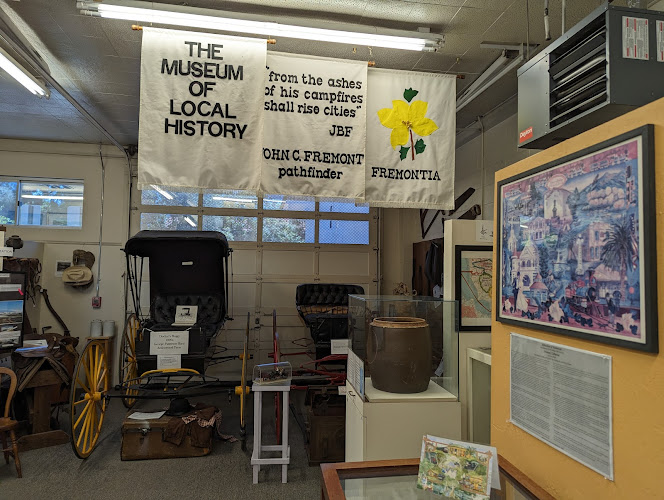
Description
Visitors will notice right away that this is a museum with a civic heart. It operates with a strong volunteer base and a historical society ethos — preservation, interpretation and community outreach. Exhibits are rotated with care; one month might highlight vintage school photographs and the next a trove of household artifacts from the 19th century. Because the space is intentionally human-scale, wandering through the exhibits feels like rummaging through a family attic that someone thoughtfully organized into themes. That intimacy is a strength. It invites curiosity, slows the pace and rewards close reading of labels and captions.
Accessibility is a real priority here. Wheelchair accessible entrances, parking and restrooms mean that older visitors and families with strollers can move through the building without awkward barriers. Tours are offered regularly, often led by docents who remember names and local lore, and the gift shop stocks locally-produced books and reproductions that make good souvenirs or thoughtful gifts. The museum is family-friendly; hands-on activities and kid-oriented displays make it a sensible stop for families who want to inject a bit of regional history into a weekend outing.
This is not a blockbuster museum. And that is alright. It wins on authenticity and local relevance rather than on audio-visual fireworks. For travelers who enjoy discovering neighborhood-level histories — the small decisions, the eccentric characters and the infrastructural projects that quietly changed the landscape — this museum is a gem. Expect to spend between 45 minutes and 2 hours depending on interest level. Some visitors race through; others settle in with a volunteer-led oral history and leave having learned a surprising amount about early rail lines, orchard economies and the way Mission San Jose shaped nearby settlements.
Practical note: there is no on-site restaurant, so plan accordingly. Restrooms are available. The museum offers guided tours that add depth to the material on display. Those tours are where the place shines: volunteers tell stories that never quite made it into textbooks and point out small artifacts whose backstories are pure local theater — a donated quilt that once paid for a child’s schooling, or a ledger that reveals how a family business negotiated a tough winter.
Best Time to Visit
The best time to visit depends on preferred rhythm. Weekday mornings tend to be quieter and are ideal for visitors who enjoy lingering over exhibits, reading labels and asking volunteers detailed questions. On one wet weekday morning the museum felt like a cozy refuge — a docent brewed a cup of coffee and patiently traced the history of an immigrant family’s bakery across three display cases. Moments like that are why mornings are recommended.
Weekends, especially late mornings and early afternoons, are busier with families and school groups. But busy isn’t necessarily bad here; the atmosphere becomes lively and communal. If someone wants guided tours, they often line up on weekends, so timing a visit for a scheduled docent session can be worthwhile. The museum also schedules special exhibits and public programs throughout the year. Spring and fall often host community-focused events tied to local anniversaries or harvest-related themes — fitting, given the region’s agricultural past.
Travelers visiting the broader Bay Area who want to combine stops should note that the museum pairs well with nearby historic sites and parks. A mid-morning visit followed by a picnic in an Alameda County park or a stroll through Mission San Jose historic district makes for a relaxed half-day outing. Because there is no on-site dining, plan to arrive with snacks or choose a nearby café for a post-visit break.
How to Get There
The museum is comfortably reachable by car from most parts of Fremont and the surrounding Alameda County communities. Street parking and a small parking lot make arriving by car straightforward. For those relying on public transit, local bus routes serve the area, though they may require a short walk. Rideshare options are plentiful across the Bay Area and are a convenient alternative if public transit timings don’t align with a visit.
Travelers coming from outside the immediate area should factor in Bay Area traffic patterns. Late morning arrivals on weekends tend to be easiest: rush hour is avoided and parking is rarely a headache. For those who like to combine stops, a regional loop including nearby historic neighborhoods, local parks and other small museums can be planned without long detours. But again, there is no restaurant inside the museum, so plan meal stops accordingly.
Visitors who enjoy strolling neighborhoods should allow an extra 15–30 minutes to explore the surrounding streets, where older homes, plaques and a few historic landmarks hint at the municipal past. The museum functions as a local hub: its exhibits make connections between property maps, building permits and oral histories that suddenly give nearby streets more meaning.
Tips for Visiting
Plan on at least an hour to do the museum justice. That gives time for a self-guided wander plus a docent-led tour if one is available. Many visitors find the docent tours the highlight; they bring context to objects that might otherwise appear as isolated curiosities.
Photography is usually allowed for personal use but check signage upon arrival. Fragile documents and certain artifacts may be off-limits for flash photography. And sometimes a docent will allow a closer look at an archival item if a visitor asks politely; those small concessions make for memorable moments.
Families should check the museum’s calendar for kid-focused programming and school-group hours. Interactive elements are limited but thoughtfully arranged, and young visitors often enjoy the tactile displays. Parents who remember field trips from their own childhood will appreciate the museum’s focus on primary sources — things rather than summaries — which tend to spark questions from children.
Buy a book or two from the gift shop. It supports the museum and supplies more depth for anyone who wants to continue the story at home. Dollars spent there help with preservation and community programs; visitors who value small independent museums will often say that a modest purchase is one of the best ways to give back.
Ask questions. Volunteers are generally local people who care about the material; they are more than willing to share off-the-record stories, point out oddities in the collection and suggest follow-up places to visit. One frequent volunteer is known for tracing the lineage of local families and will happily point curious genealogists toward resources in nearby archives and libraries.
Accessibility is taken seriously, but if mobility is a concern, calling ahead can confirm any specific needs. The museum strives to be welcoming and will often accommodate special requests when notified in advance. For large group visits, scheduling a tour ensures the best use of staff and volunteer time and creates a richer experience for everyone.
Finally, temper expectations about scale. The museum is intimate rather than epic. Travelers who expect multi-story galleries with endless halls will be disappointed. But those who appreciate detail, local color and the kind of history that explains why a community developed the way it did will leave satisfied. In short: come curious, ask questions, and treat the visit as a conversation with the place itself.
For anyone mapping a Bay Area itinerary, the Washington Township Museum of Local History is a rewarding detour. It offers context to the neighborhoods many visitors pass through without seeing, and it preserves stories that otherwise risk being lost to new developments and changing generations. The museum’s strength is its relationship to place — the building, the objects and, most importantly, the people who steward the local past. That human element means visits are seldom routine and often memorable.