
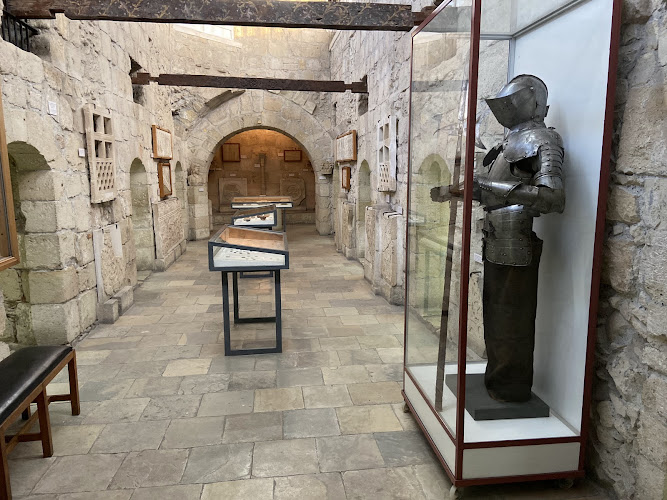
Lemesos Castle – Cyprus Medieval Museum
About Lemesos Castle – Cyprus Medieval Museum
Lemesos Castle, commonly known as Limassol Castle, stands as one of the more compelling pieces of Cyprus medieval history—equal parts fortress and museum, equal parts story and stone. The structure seen today was rebuilt around 1590, and it wears those layers of time openly: foundations and architectural echoes that nod to earlier Byzantine and medieval phases, thick stone walls that seem to hold onto the salty breath of the nearby sea, and interior rooms that quietly transform into galleries for the Cyprus Medieval Museum collection. Visitors strolling the castle's modest courtyards get a sense of continuity; this place has been altered, repurposed, and used across centuries, and it still feels alive in a deliberate, stubborn way.
The castle is perhaps best known for its long, surprisingly recent life as a working prison. The cells inside were used up until 1950, and walking inside those low, shadowed chambers can create a real chill—even on sunlit Limassol afternoons. That contrast—bright Mediterranean light outside, sombre confinement within—makes it more than just another restored monument. It's a place where the island's layered past can be experienced in a tactile, human way. The Cyprus Medieval Museum housed within the castle offers exhibits that range from small finds like pottery and coins to larger architectural fragments, tombstones and weaponry. These artifacts whisper about everyday life, trade, and warfare on the island through the medieval period and beyond.
The site sits close to Limassol's old town and the old harbour area, so it frequently appears on walking routes that thread the historic fabric of the city. That location is both convenient and deceptive: it invites a casual drop-in between coffee stops but rewards anyone who lingers with stories of kings, crusaders, local life and imperial hands. There are tales—some sticky with legend—that link the castle to King Richard the Lionheart and his marriage to Berengaria of Navarre; while the hard archaeology doesn't always line up perfectly with every romantic account, these stories have shaped the popular imagination and help explain why the castle has been such a focal point in local storytelling and tourism.
Practicalities: tours are offered on site for those who want structure and explanation rather than wandering alone. The museum is set up to be accessible to a range of visitors, with exhibits arranged across rooms that once served very different purposes—audience halls, guardrooms, and cells. There are panels and displays that do a decent job of bridging the gap between casual curiosity and deeper interest. The collection emphasizes medieval artifacts from Cyprus, giving a face to a period that often feels distant; pottery shards, coins, carved stones and ecclesiastical objects bring the past closer. The department of antiquities has curated these pieces so that visitors can see how the island's strategic position in the eastern Mediterranean shaped everything from daily ceramics to larger political fortunes.
The castle's architecture is an object lesson in adaptation. Rebuilt in the late 16th century, it has elements that reflect both military necessity and the available materials and skills of the time. Visitors who notice details—sturdy battlements, narrow windows suited to archery, and the way rooms are clustered—can imagine how the place functioned during times of conflict. But, the museum staff also often likes to point out quieter features: the stonework's repairs testify to periods of neglect and revival; different masonry styles reflect different eras and rulers; even a shallow well or drainage groove can tell a story about how medieval occupants managed water during sieges. These are the little things that excite people who like history with texture.
Atmosphere matters, and Lemesos Castle has plenty. The top battlements offer compact but charming vantage points over the city center and toward the port—views that help situate Limassol in its broader coastal geography. Those views are especially satisfying late in the afternoon when the light softens and the city hum becomes more distinct. Inside, the museum's exhibits are often arranged with a thoughtful eye: artifacts placed so they complement rather than compete, with labels that try to avoid jargon. That said, some of the smaller rooms can feel cramped during peak visiting times, and tactile displays are limited—this is a preserved historic site, after all, not a hands-on children’s museum. Still, families with kids do report that the castle's mix of genuine cells and weaponry sparks imagination in younger visitors; there's a slightly electric thrill to walking where real prisoners once waited out long days.
There are lesser-known bits that reward curious visitors. For instance, not everyone notices the carved tombstones tucked into the walls or displayed in niches—stone markers that speak of medieval funerary practices and iconography. And, if one listens, local guides will sometimes recount the story of how a small section of the castle was once adapted into administrative offices in the Ottoman period, then repurposed again under British rule. These odd juxtapositions—medieval stonework used as colonial offices, prison cells reused in more modern penal systems—are the human notes that help history feel continuous rather than frozen.
The museum also places emphasis on education and outreach, albeit modestly. It offers guided tours and information aimed at international visitors; signage typically includes English, which helps, and the onsite services are set up to accept modern payments like credit and debit cards, plus NFC mobile payments for convenience. That small practical detail matters to travellers who don't like fumbling for cash. And yes, it’s kid-friendly—families will find the castle manageable and interesting for young imaginations. The layout is compact enough to keep young feet from getting exhausted, but there are enough surprises to keep them engaged. Still, the narrow staircases and low doorways mean caretakers should keep a close eye on toddlers.
A balanced view: the experience here isn't flawless. Some visitors mention tight display spaces and a desire for more interactive multimedia to explain complex historical shifts. Others wish for longer opening hours or more frequent guided tour times. But what the castle does exceptionally well is present real material culture within authentic medieval architecture. For travellers who prefer authenticity and atmosphere over glitzy, museum-style production values, Lemesos Castle hits the sweet spot. For those who want polished, interactive exhibits with lots of hands-on learning, the site can feel a bit restrained.
Personal note from the guide's perspective—still third person, because the writer promised to stay that way: the guide remembers a rainy spring afternoon when only a small handful of visitors braved the weather. The quiet was almost reverent, and the castle's stones seemed to speak louder than usual; the guide confesses to having been struck by how the place feels different under rain, as if the textures of the past become more legible. That sort of small, personal observation is the kind of thing a visitor might miss on a hurried summer day—but it helps explain why some people make a point of visiting off-peak, or returning for a second, more reflective trip.
Finally, this is a place that rewards curiosity and a bit of patience. Even if one arrives with only a passing interest in medieval Cyprus, the castle's layered narrative—fortress, prison, museum—tends to draw people in. There is an intimate scale to the site that contrasts nicely with grander ruins elsewhere on the island; it's human-sized history, made of stone and stories. And yes, occasional imperfections and small crowds can make the visit feel like discovering a local secret rather than ticking off a tourist box. For travellers who like their history tangible and slightly mysterious, Lemesos Castle and the Cyprus Medieval Museum provide a memorable stop in Limassol's historic quarter.
Key Features
Lemesos Castle – Cyprus Medieval Museum
You Might Also Like

A. G. Leventis Gallery

Acropolis Park
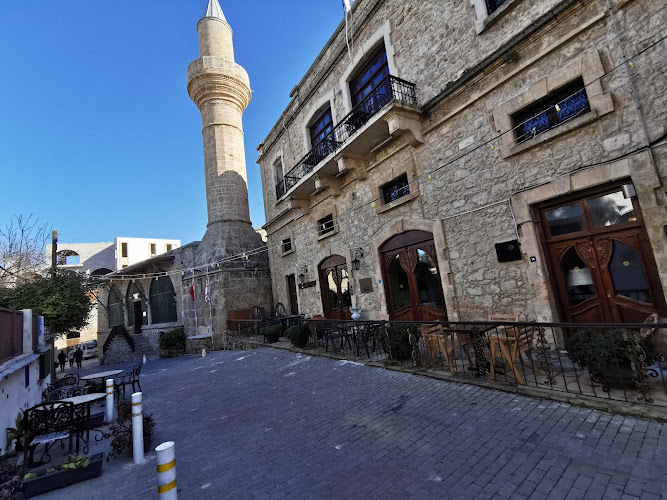
Ağa Cafer Pasha Mosque
Tours & Activities
GetYourGuide provides this tour inventory. We may earn a commission if you book through it; verify current availability, prices, and terms with the provider.
Visitor Reviews
There are no reviews yet. Be the first one to write one.
Share Your Experience
Have you visited Lemesos Castle – Cyprus Medieval Museum? Help other travelers by leaving a review.