
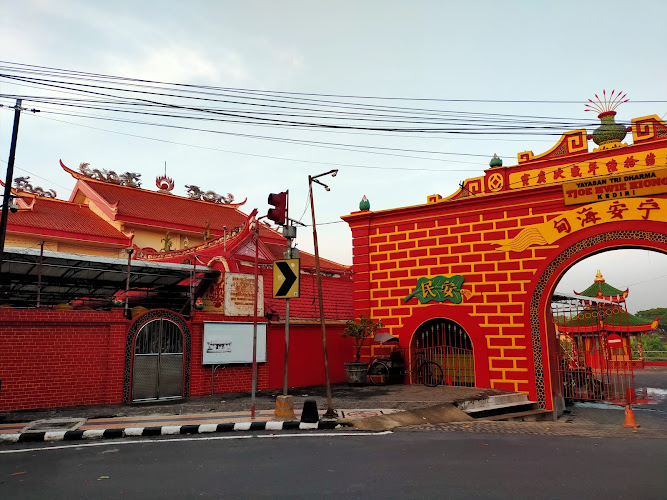
Kelenteng Tjoe Hwie Kiong
About Kelenteng Tjoe Hwie Kiong
Description
Kelenteng Tjoe Hwie Kiong in Kota Kediri, Indonesia, is one of those places that quietly tugs at you from the moment you lay eyes on it. Maybe it’s the way the roof curves upward in that elegant Minnan architectural style, or the fact that the air feels just a little heavier with incense and history. This Taoist temple, which also embraces the teachings of the Tri Dharma, isn’t just a religious site—it’s a living, breathing piece of cultural memory that still beats strongly in the heart of East Java. I remember my own first visit here: stepping through the main gate and being immediately surrounded by a burst of color—vermillion reds, deep golds, and those gentle hints of jade green that seem to shimmer in the tropical light. It’s hard not to slow down. Just being in that courtyard, you feel a mix of reverence and calm that’s hard to describe.
The locals often call it “klenteng,” and it serves as a house of worship for followers of Confucianism, Taoism, and Buddhism alike. What’s fascinating—if you’re the kind of traveler who loves stories behind the places you go—is that Kelenteng Tjoe Hwie Kiong reflects centuries of cultural blending between Javanese and Chinese communities. The craftsmen who built it infused it with artistry that’s both spiritual and meticulously detailed. If you look closely at the walls, you’ll find stone carvings depicting animals and deities from Chinese mythology, each meant to guard the grounds and bring blessings. The smell of burning sandalwood hangs in the air, and you’ll notice people bowing gently before statues of deities—each small gesture done with solemn care.
Even if you aren’t religious, there’s so much to appreciate here as a traveler. The temple is beautifully maintained, and the volunteers who look after it are incredibly kind. They’re used to curious wanderers who stumble in to admire the architecture or to photograph the ornate pagodas. And though the site’s spiritual importance is undeniable, it also feels very open—welcoming anyone who shows quiet respect.
I’ve met a few locals who say they come here not just to pray but to think. There’s a comforting rhythm to the space: the rhythmic striking of a small bell, the shuffle of people lighting joss sticks, and the hushed murmurs of visitors reflecting on life. If you stay long enough, you’ll see how much the kelenteng embodies the way Kediri people hold onto their heritage. It’s humble and proud at once—a rare combination these days.
Key Features
- Minnan-style architecture – Distinctively curved rooftops, intricate dragon motifs, and detailed stone carvings remind you of southern Chinese design traditions, rare in this part of Java.
- Elaborate pagodas and statues – Sculpted from stone and painted in bold reds and yellows, the pagodas and statues of deities add splendor and depth to the temple grounds.
- Tri Dharma sanctuary – The temple merges Taoism, Confucianism, and Buddhism, making it a unique spiritual site that showcases inclusive Indonesian-Chinese culture.
- Peaceful location near the Brantas River – Set near the banks of the Sungai Brantas, the sound of flowing water adds serenity to the environment.
- Community role – Beyond its spiritual significance, it serves as a meeting place for local residents and visitors to engage in cultural activities, especially around the Lunar New Year.
- Dewi Mak Co and Thian Sang Sing Bo statues – These prominent deities are intricately carved and are deeply revered by devotees who believe they guard the city from misfortune.
- Stone carvings and murals – Look for carved panels illustrating Chinese folklore and myth. It’s like walking through an open-air gallery of faith and legend.
- Atmospheric prayer hall – Dimly lit interiors with red lanterns create an ambiance that feels sacred yet approachable.
- Well-kept amenities – There are clean restrooms and shaded benches, proof that the temple truly considers the comfort of visitors.
Best Time to Visit
If you can, visit Kelenteng Tjoe Hwie Kiong around the time of the Tahun Baru Imlek (Chinese Lunar New Year). During this period, the temple comes alive in ways that are wonderful to witness, even for non-worshippers. There are paper lanterns strung across doorways, offerings arranged beautifully in front of altars, and you’ll hear traditional music drifting through the air. The celebration draws people from across Kediri and beyond—some come for prayer, others just to soak in that electric yet peaceful festive energy. Just remember: the temple can be quite packed then, so patience and courtesy go a long way.
But if crowds aren’t your thing, weekday mornings are perfect. The light hits the temple roofs just right, and you can take your time exploring without bumping shoulders. The fragrance of incense feels softer, and even the caretakers seem more relaxed and chatty. Late afternoons are good too, with golden sunlight bouncing off the red columns. And if you happen to come during the monsoon months, don’t worry—there’s something surprisingly calming about hearing the rain bounce off the tiled roofs while you stand in the open courtyard, watching the wind stir the ribbons hanging from lanterns.
How to Get There
Reaching Kelenteng Tjoe Hwie Kiong isn’t tricky at all if you’re already in Kota Kediri. Most visitors simply take a becak or motorbike taxi, which can be quite fun if you enjoy a bit of local adventure. The temple sits not far from the city center, so even if you opt to walk, it won’t take more than a leisurely thirty minutes depending on where you start. I once wandered there on foot, passing small warungs selling sweet iced tea and fried snacks—trust me, that’s part of the charm.
If you’re coming from outside Kediri, you can take a train or bus from Surabaya or Madiun. From the Kediri station or terminal, it’s just a short ride via local transport. Roads here can get a bit narrow, so a scooter ride might be faster than a car. For those who prefer comfort, you can rent a small city car, but parking, especially during festival days, can be challenging. Try to go early in the morning when traffic is lighter and the streets still feel peaceful before the noon rush.
The temple’s location near Sungai Brantas gives it a special atmosphere—after your visit, strolling by the riverbank is a perfect way to end the day. Locals love doing that, chatting over snacks as the sun dips low.
Tips for Visiting
Visiting Kelenteng Tjoe Hwie Kiong isn’t like checking off another sightseeing spot—it’s more of an experience, a gentle immersion into the rhythm of Kediri’s cultural and spiritual life. Here are a few friendly tips to make your visit even better:
- Respect the dress code. You don’t need to be overly formal, but try to wear modest clothing—covered shoulders and below-the-knee outfits are appreciated.
- Mind your manners during prayers. If you walk in during a ritual, move quietly and avoid using flash photography. Trust me, the low light and soft glow of candles are best captured as they are.
- Bring cash donations if you wish to contribute. It’s customary to leave small offerings at the temple; it helps maintain the grounds and support community events.
- Ask questions, respectfully. The temple caretakers love sharing stories about the deities or explaining the symbols across the altars. Just approach with genuine curiosity—people here are warm and generous with knowledge.
- Stay hydrated. It can get pretty warm, especially around midday. A bottle of water and maybe a hand fan go a long way.
- Check the calendar before you go. Special events and ceremonies happen during certain lunar months. If you’re lucky to catch one, it’s a beautiful window into Chinese-Indonesian cultural expression.
- Photography etiquette. Always ask before taking close-up shots of people praying. Photographing statues and architectural details is generally fine, but showing sensitivity never hurts.
- Combine it with local sightseeing. After spending time here, many travelers like to hop to other cultural spots around Kediri—there’s even a few small markets not far from the temple, selling traditional snacks and incense sticks.
Most of all, take your time. This isn’t a place that reveals itself in a rush. Stand for a bit beneath the red lanterns, listen to the faint echo of chants, and just feel the passing of time. You might not expect it, but there’s an odd kind of power in standing still amid so much quiet devotion. Kelenteng Tjoe Hwie Kiong may be centuries old, but it doesn’t feel tired—it feels alive. I guess that’s what makes it so special among the temples of East Java. You don’t just visit it. You feel it, and it stays with you long after you’ve left.
Key Features
- Key Features
- Best Time to Visit
- How to Get There
- Tips for Visiting
More Details
Updated October 21, 2025
Description
Kelenteng Tjoe Hwie Kiong in Kota Kediri, Indonesia, is one of those places that quietly tugs at you from the moment you lay eyes on it. Maybe it’s the way the roof curves upward in that elegant Minnan architectural style, or the fact that the air feels just a little heavier with incense and history. This Taoist temple, which also embraces the teachings of the Tri Dharma, isn’t just a religious site—it’s a living, breathing piece of cultural memory that still beats strongly in the heart of East Java. I remember my own first visit here: stepping through the main gate and being immediately surrounded by a burst of color—vermillion reds, deep golds, and those gentle hints of jade green that seem to shimmer in the tropical light. It’s hard not to slow down. Just being in that courtyard, you feel a mix of reverence and calm that’s hard to describe.
The locals often call it “klenteng,” and it serves as a house of worship for followers of Confucianism, Taoism, and Buddhism alike. What’s fascinating—if you’re the kind of traveler who loves stories behind the places you go—is that Kelenteng Tjoe Hwie Kiong reflects centuries of cultural blending between Javanese and Chinese communities. The craftsmen who built it infused it with artistry that’s both spiritual and meticulously detailed. If you look closely at the walls, you’ll find stone carvings depicting animals and deities from Chinese mythology, each meant to guard the grounds and bring blessings. The smell of burning sandalwood hangs in the air, and you’ll notice people bowing gently before statues of deities—each small gesture done with solemn care.
Even if you aren’t religious, there’s so much to appreciate here as a traveler. The temple is beautifully maintained, and the volunteers who look after it are incredibly kind. They’re used to curious wanderers who stumble in to admire the architecture or to photograph the ornate pagodas. And though the site’s spiritual importance is undeniable, it also feels very open—welcoming anyone who shows quiet respect.
I’ve met a few locals who say they come here not just to pray but to think. There’s a comforting rhythm to the space: the rhythmic striking of a small bell, the shuffle of people lighting joss sticks, and the hushed murmurs of visitors reflecting on life. If you stay long enough, you’ll see how much the kelenteng embodies the way Kediri people hold onto their heritage. It’s humble and proud at once—a rare combination these days.
Key Features
- Minnan-style architecture – Distinctively curved rooftops, intricate dragon motifs, and detailed stone carvings remind you of southern Chinese design traditions, rare in this part of Java.
- Elaborate pagodas and statues – Sculpted from stone and painted in bold reds and yellows, the pagodas and statues of deities add splendor and depth to the temple grounds.
- Tri Dharma sanctuary – The temple merges Taoism, Confucianism, and Buddhism, making it a unique spiritual site that showcases inclusive Indonesian-Chinese culture.
- Peaceful location near the Brantas River – Set near the banks of the Sungai Brantas, the sound of flowing water adds serenity to the environment.
- Community role – Beyond its spiritual significance, it serves as a meeting place for local residents and visitors to engage in cultural activities, especially around the Lunar New Year.
- Dewi Mak Co and Thian Sang Sing Bo statues – These prominent deities are intricately carved and are deeply revered by devotees who believe they guard the city from misfortune.
- Stone carvings and murals – Look for carved panels illustrating Chinese folklore and myth. It’s like walking through an open-air gallery of faith and legend.
- Atmospheric prayer hall – Dimly lit interiors with red lanterns create an ambiance that feels sacred yet approachable.
- Well-kept amenities – There are clean restrooms and shaded benches, proof that the temple truly considers the comfort of visitors.
Best Time to Visit
If you can, visit Kelenteng Tjoe Hwie Kiong around the time of the Tahun Baru Imlek (Chinese Lunar New Year). During this period, the temple comes alive in ways that are wonderful to witness, even for non-worshippers. There are paper lanterns strung across doorways, offerings arranged beautifully in front of altars, and you’ll hear traditional music drifting through the air. The celebration draws people from across Kediri and beyond—some come for prayer, others just to soak in that electric yet peaceful festive energy. Just remember: the temple can be quite packed then, so patience and courtesy go a long way.
But if crowds aren’t your thing, weekday mornings are perfect. The light hits the temple roofs just right, and you can take your time exploring without bumping shoulders. The fragrance of incense feels softer, and even the caretakers seem more relaxed and chatty. Late afternoons are good too, with golden sunlight bouncing off the red columns. And if you happen to come during the monsoon months, don’t worry—there’s something surprisingly calming about hearing the rain bounce off the tiled roofs while you stand in the open courtyard, watching the wind stir the ribbons hanging from lanterns.
How to Get There
Reaching Kelenteng Tjoe Hwie Kiong isn’t tricky at all if you’re already in Kota Kediri. Most visitors simply take a becak or motorbike taxi, which can be quite fun if you enjoy a bit of local adventure. The temple sits not far from the city center, so even if you opt to walk, it won’t take more than a leisurely thirty minutes depending on where you start. I once wandered there on foot, passing small warungs selling sweet iced tea and fried snacks—trust me, that’s part of the charm.
If you’re coming from outside Kediri, you can take a train or bus from Surabaya or Madiun. From the Kediri station or terminal, it’s just a short ride via local transport. Roads here can get a bit narrow, so a scooter ride might be faster than a car. For those who prefer comfort, you can rent a small city car, but parking, especially during festival days, can be challenging. Try to go early in the morning when traffic is lighter and the streets still feel peaceful before the noon rush.
The temple’s location near Sungai Brantas gives it a special atmosphere—after your visit, strolling by the riverbank is a perfect way to end the day. Locals love doing that, chatting over snacks as the sun dips low.
Tips for Visiting
Visiting Kelenteng Tjoe Hwie Kiong isn’t like checking off another sightseeing spot—it’s more of an experience, a gentle immersion into the rhythm of Kediri’s cultural and spiritual life. Here are a few friendly tips to make your visit even better:
- Respect the dress code. You don’t need to be overly formal, but try to wear modest clothing—covered shoulders and below-the-knee outfits are appreciated.
- Mind your manners during prayers. If you walk in during a ritual, move quietly and avoid using flash photography. Trust me, the low light and soft glow of candles are best captured as they are.
- Bring cash donations if you wish to contribute. It’s customary to leave small offerings at the temple; it helps maintain the grounds and support community events.
- Ask questions, respectfully. The temple caretakers love sharing stories about the deities or explaining the symbols across the altars. Just approach with genuine curiosity—people here are warm and generous with knowledge.
- Stay hydrated. It can get pretty warm, especially around midday. A bottle of water and maybe a hand fan go a long way.
- Check the calendar before you go. Special events and ceremonies happen during certain lunar months. If you’re lucky to catch one, it’s a beautiful window into Chinese-Indonesian cultural expression.
- Photography etiquette. Always ask before taking close-up shots of people praying. Photographing statues and architectural details is generally fine, but showing sensitivity never hurts.
- Combine it with local sightseeing. After spending time here, many travelers like to hop to other cultural spots around Kediri—there’s even a few small markets not far from the temple, selling traditional snacks and incense sticks.
Most of all, take your time. This isn’t a place that reveals itself in a rush. Stand for a bit beneath the red lanterns, listen to the faint echo of chants, and just feel the passing of time. You might not expect it, but there’s an odd kind of power in standing still amid so much quiet devotion. Kelenteng Tjoe Hwie Kiong may be centuries old, but it doesn’t feel tired—it feels alive. I guess that’s what makes it so special among the temples of East Java. You don’t just visit it. You feel it, and it stays with you long after you’ve left.
Key Highlights
- Key Features
- Best Time to Visit
- How to Get There
- Tips for Visiting
Location
Places to Stay Near Kelenteng Tjoe Hwie Kiong
Find and Book a Tour
Explore More Travel Guides
No reviews found! Be the first to review!
Traveler Reviews for Kelenteng Tjoe Hwie Kiong
There are no reviews yet. Be the first one to write one.
Have you visited Kelenteng Tjoe Hwie Kiong? Help other travelers by sharing your review.
You Might Also Like
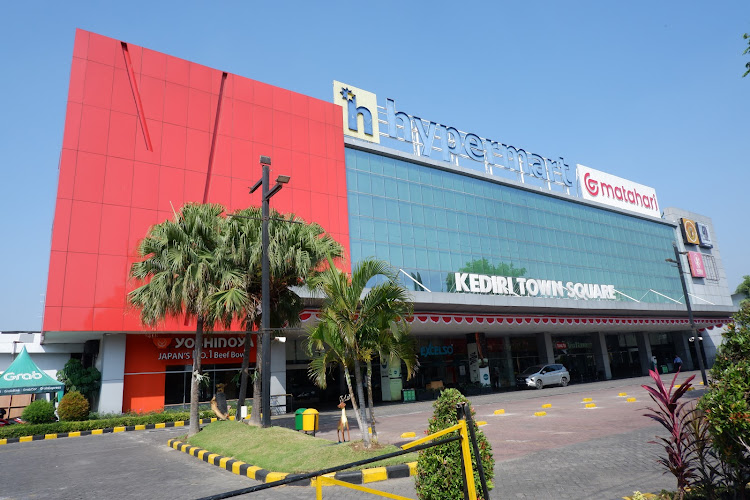
Kediri Town Square
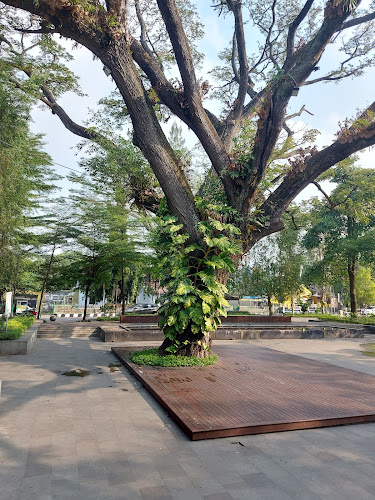
Sekartaji Park
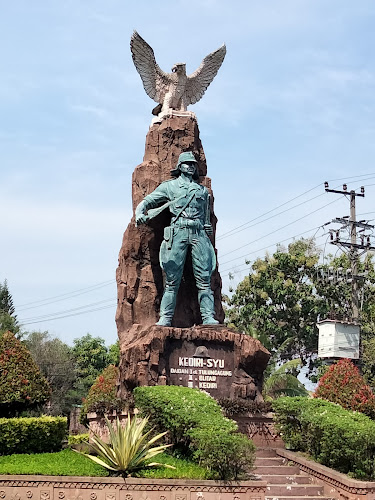
Monumen Kediri-Syu (PETA) Kediri
Find Accommodations Nearby
Recommended Tours & Activities
Visitor Reviews
There are no reviews yet. Be the first one to write one.
Share Your Experience
Have you visited Kelenteng Tjoe Hwie Kiong? Help other travelers by leaving a review.