

Printing Museum
About Printing Museum
Description
The Printing Museum sits inside the headquarters building of a major printing company in Bunkyo City, Tokyo, and it offers a deep, tactile look at the evolution of printing from hand-set type and letterpress to modern security printing and digital processes. It is a focused, slightly nerdy little world for anyone who cares about text, images, and how things get reproduced at scale. Artists, designers, students of Japanese culture, and people who tinker with vintage presses will find the exhibits rewarding; travelers with a casual interest will often be pleasantly surprised by how engrossing the subject can be when it is presented with real machines and real samples.
Exhibits are arranged to tell a story — not just dates and names, but technique. Visitors move from early methods such as woodblock printing that shaped Edo-period visual culture, through the slow diffusion of movable type, to the European letterpress tradition and finally to the high-precision, security-focused printing that underpins banknotes and identity documents today. A highlight for many is the letterpress section: heavy iron presses, drawers of metal and wooden type, and trays of printed proof sheets. There is a satisfying thud to these machines that photographs can never convey; hearing them in action gives a visceral sense of how print once dominated communication.
The collection blends the historical with the technical. Original woodblock prints and reproductions illustrate traditional Japanese printmaking while displays of mechanical components and printed materials show how industrial printing developed. There are also examples of modern print outputs that demonstrate color separation, security inks, and microprinting techniques. The narrative is practical rather than purely academic — the museum aims to explain how techniques work and why they mattered, which makes complex subjects approachable for non-specialists.
Accessibility and visitor comfort are given clear attention. The building provides wheelchair-accessible entrances, parking, and restrooms, and there is an on-site restaurant and public restrooms so visitors can linger without rushing off for a coffee. Families with children are explicitly welcomed; child-friendly displays and hands-on corners let younger guests touch type blocks, handle safe demonstration materials, and try simple printing activities. That hands-on element is often cited by school groups and creative travelers as the part they remember best.
Staff members are typically knowledgeable and, for the most part, enthusiastic about sharing printing lore. There are often demonstrations of presses in operation, and on occasion small workshops or live demos allow participants to print a keepsake. These opportunities tend to be limited in capacity, so repeat visitors or locals sometimes enroll in scheduled sessions. The tone is quietly professional — this is a museum with industry roots — but the staff’s pride in the craft tends to make tours feel personal rather than corporate.
One should note that the museum’s focus is specialized. It is not a large cultural complex with sweeping galleries; rather it is an intimate, topic-driven museum that rewards curiosity. Some visitors come expecting broad, tourist-style displays and leave feeling the place is small and detailed — which is exactly what many aficianados love. Other visitors may prefer a broader cultural sweep and find the specificity a bit narrow. In short, the experience depends on expectations: travelers who enjoy learning how things work, and who like objects and demonstrations, will likely rate their visit highly.
There is also an interesting corporate angle here. Housed within a major printing company’s headquarters, the museum offers rare glimpses into technologies that are often behind the scenes — specialized machinery, historical artifacts from company archives, and examples of printed materials that illustrate commercial and security applications. That behind-the-scenes access gives the place an authenticity that purely municipal museums sometimes lack. At the same time, visitors should not expect heavy marketing; the presentation tends toward education rather than product promotion.
For the visitor who likes a story with texture, the museum often includes narratives about craftsmen and technicians — for example, how a type founder mixed alloy to balance wear and crispness, or how a press operator developed a workaround for a misregister problem before automation. These human touches make the mechanical displays feel lived-in. One long-time visitor once mentioned enjoying an audio clip of an elderly printer describing the rhythm of his day; small elements like that turn technical description into cultural memory.
Logistics and practicalities are handled well. The museum has on-site parking, which is a pleasant surprise in central Tokyo, and the restaurant provides a simple place to eat without trekking back into the neighborhood. Signage is generally clear within the museum spaces, though some labeling and interpretive panels favor Japanese-first explanations; English summaries are available but not always exhaustive. Visitors with limited Japanese may need to lean on demonstration areas, models, and staff explanations. The overall environment is quiet and contemplative, making it ideal for slower exploration rather than a hurried tick-box visit.
Photographers who love close-up detail will enjoy the variety of textures — metal type, inked rollers, registration marks, and printed fibers. There are plenty of visual storylines for social media or a design portfolio, though visitors should check the museum’s photography policy for demonstrations and workshop areas. Those who keep notebooks often record press names, model numbers, and the peculiarities of different inks; the place feels like a research library for the senses.
In terms of crowding, the museum tends to attract a mix of students, designers, local visitors, and curious travelers. Peak days will be school trip days or when a special demonstration or workshop is scheduled. Otherwise, it’s usually possible to stroll through the galleries at a relaxed pace. The compact scale of the museum makes it especially suitable for travelers with limited time who prefer targeted experiences — it is the sort of place one can visit in an hour or linger in for two if drawn into workshops or demonstrations.
Beyond the machines and prints, the museum invites reflection on how reproduction technologies shape culture. Visitors leave with a better appreciation of the invisible work behind the books, posters, packaging, and documents they interact with daily. For people who care about typography, paper, and color, the visit often sparks creative ideas. For historians, it offers material evidence of technological shifts. For casual travelers, it can be a surprisingly calming detour from the city's high-energy attractions.
There are a few practical caveats worth mentioning. Because of its specialized nature, not every exhibit is translated into multiple languages, and some technical explanations assume a basic familiarity with printing concepts. Travelers who want a richer experience may consider joining a guided demonstration or arranging a workshop in advance when possible. Also, some of the demonstration spaces and workshops have strict capacity limits for safety and preservation reasons, so spontaneity can be limited on busy days.
Overall, the Printing Museum in Bunkyo City is a quiet, thoughtful destination for those who appreciate craft, technology, and the history of communication. It blends historical artifacts, hands-on demonstration, and corporate archival materials into a compact museum that rewards slow attention. Visitors with an eye for detail and a taste for mechanical storytelling will walk away with an improved sense of how printing changed the world — and with small, inked mementos if they join a workshop. For the traveler who loves to discover the offbeat corners of Tokyo’s cultural map, this museum is the kind of place where curiosity is richly rewarded.
Key Features
More Details
Updated August 29, 2025
Table of Contents
Description
The Printing Museum sits inside the headquarters building of a major printing company in Bunkyo City, Tokyo, and it offers a deep, tactile look at the evolution of printing from hand-set type and letterpress to modern security printing and digital processes. It is a focused, slightly nerdy little world for anyone who cares about text, images, and how things get reproduced at scale. Artists, designers, students of Japanese culture, and people who tinker with vintage presses will find the exhibits rewarding; travelers with a casual interest will often be pleasantly surprised by how engrossing the subject can be when it is presented with real machines and real samples.
Exhibits are arranged to tell a story — not just dates and names, but technique. Visitors move from early methods such as woodblock printing that shaped Edo-period visual culture, through the slow diffusion of movable type, to the European letterpress tradition and finally to the high-precision, security-focused printing that underpins banknotes and identity documents today. A highlight for many is the letterpress section: heavy iron presses, drawers of metal and wooden type, and trays of printed proof sheets. There is a satisfying thud to these machines that photographs can never convey; hearing them in action gives a visceral sense of how print once dominated communication.
The collection blends the historical with the technical. Original woodblock prints and reproductions illustrate traditional Japanese printmaking while displays of mechanical components and printed materials show how industrial printing developed. There are also examples of modern print outputs that demonstrate color separation, security inks, and microprinting techniques. The narrative is practical rather than purely academic — the museum aims to explain how techniques work and why they mattered, which makes complex subjects approachable for non-specialists.
Accessibility and visitor comfort are given clear attention. The building provides wheelchair-accessible entrances, parking, and restrooms, and there is an on-site restaurant and public restrooms so visitors can linger without rushing off for a coffee. Families with children are explicitly welcomed; child-friendly displays and hands-on corners let younger guests touch type blocks, handle safe demonstration materials, and try simple printing activities. That hands-on element is often cited by school groups and creative travelers as the part they remember best.
Staff members are typically knowledgeable and, for the most part, enthusiastic about sharing printing lore. There are often demonstrations of presses in operation, and on occasion small workshops or live demos allow participants to print a keepsake. These opportunities tend to be limited in capacity, so repeat visitors or locals sometimes enroll in scheduled sessions. The tone is quietly professional — this is a museum with industry roots — but the staff’s pride in the craft tends to make tours feel personal rather than corporate.
One should note that the museum’s focus is specialized. It is not a large cultural complex with sweeping galleries; rather it is an intimate, topic-driven museum that rewards curiosity. Some visitors come expecting broad, tourist-style displays and leave feeling the place is small and detailed — which is exactly what many aficianados love. Other visitors may prefer a broader cultural sweep and find the specificity a bit narrow. In short, the experience depends on expectations: travelers who enjoy learning how things work, and who like objects and demonstrations, will likely rate their visit highly.
There is also an interesting corporate angle here. Housed within a major printing company’s headquarters, the museum offers rare glimpses into technologies that are often behind the scenes — specialized machinery, historical artifacts from company archives, and examples of printed materials that illustrate commercial and security applications. That behind-the-scenes access gives the place an authenticity that purely municipal museums sometimes lack. At the same time, visitors should not expect heavy marketing; the presentation tends toward education rather than product promotion.
For the visitor who likes a story with texture, the museum often includes narratives about craftsmen and technicians — for example, how a type founder mixed alloy to balance wear and crispness, or how a press operator developed a workaround for a misregister problem before automation. These human touches make the mechanical displays feel lived-in. One long-time visitor once mentioned enjoying an audio clip of an elderly printer describing the rhythm of his day; small elements like that turn technical description into cultural memory.
Logistics and practicalities are handled well. The museum has on-site parking, which is a pleasant surprise in central Tokyo, and the restaurant provides a simple place to eat without trekking back into the neighborhood. Signage is generally clear within the museum spaces, though some labeling and interpretive panels favor Japanese-first explanations; English summaries are available but not always exhaustive. Visitors with limited Japanese may need to lean on demonstration areas, models, and staff explanations. The overall environment is quiet and contemplative, making it ideal for slower exploration rather than a hurried tick-box visit.
Photographers who love close-up detail will enjoy the variety of textures — metal type, inked rollers, registration marks, and printed fibers. There are plenty of visual storylines for social media or a design portfolio, though visitors should check the museum’s photography policy for demonstrations and workshop areas. Those who keep notebooks often record press names, model numbers, and the peculiarities of different inks; the place feels like a research library for the senses.
In terms of crowding, the museum tends to attract a mix of students, designers, local visitors, and curious travelers. Peak days will be school trip days or when a special demonstration or workshop is scheduled. Otherwise, it’s usually possible to stroll through the galleries at a relaxed pace. The compact scale of the museum makes it especially suitable for travelers with limited time who prefer targeted experiences — it is the sort of place one can visit in an hour or linger in for two if drawn into workshops or demonstrations.
Beyond the machines and prints, the museum invites reflection on how reproduction technologies shape culture. Visitors leave with a better appreciation of the invisible work behind the books, posters, packaging, and documents they interact with daily. For people who care about typography, paper, and color, the visit often sparks creative ideas. For historians, it offers material evidence of technological shifts. For casual travelers, it can be a surprisingly calming detour from the city’s high-energy attractions.
There are a few practical caveats worth mentioning. Because of its specialized nature, not every exhibit is translated into multiple languages, and some technical explanations assume a basic familiarity with printing concepts. Travelers who want a richer experience may consider joining a guided demonstration or arranging a workshop in advance when possible. Also, some of the demonstration spaces and workshops have strict capacity limits for safety and preservation reasons, so spontaneity can be limited on busy days.
Overall, the Printing Museum in Bunkyo City is a quiet, thoughtful destination for those who appreciate craft, technology, and the history of communication. It blends historical artifacts, hands-on demonstration, and corporate archival materials into a compact museum that rewards slow attention. Visitors with an eye for detail and a taste for mechanical storytelling will walk away with an improved sense of how printing changed the world — and with small, inked mementos if they join a workshop. For the traveler who loves to discover the offbeat corners of Tokyo’s cultural map, this museum is the kind of place where curiosity is richly rewarded.
Key Highlights
Printing Museum
Location
Places to Stay Near Printing Museum
Find and Book a Tour
Explore More Travel Guides
No reviews found! Be the first to review!
Traveler Reviews for Printing Museum
There are no reviews yet. Be the first one to write one.
Have you visited Printing Museum? Help other travelers by sharing your review.
You Might Also Like
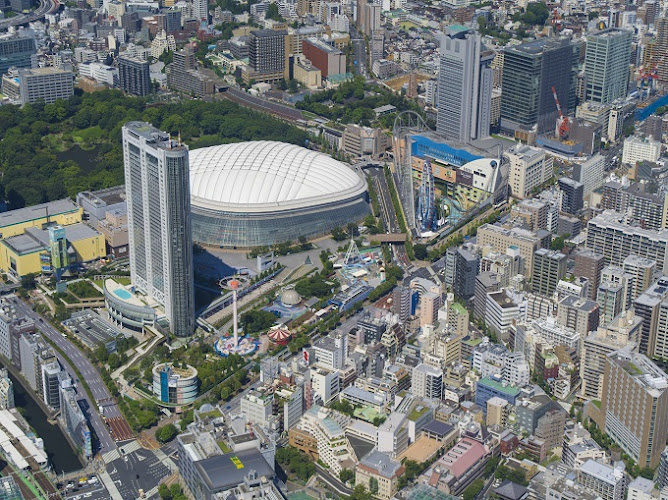
Tokyo Dome City
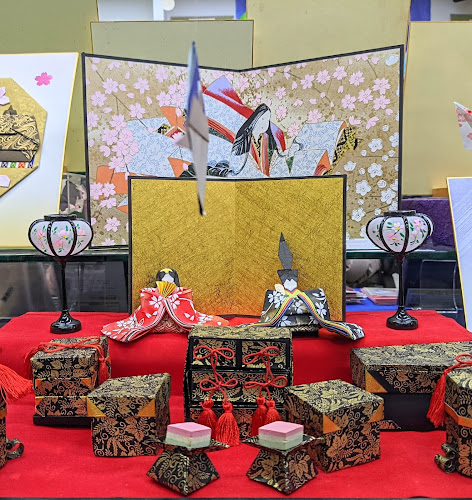
Origami Museum
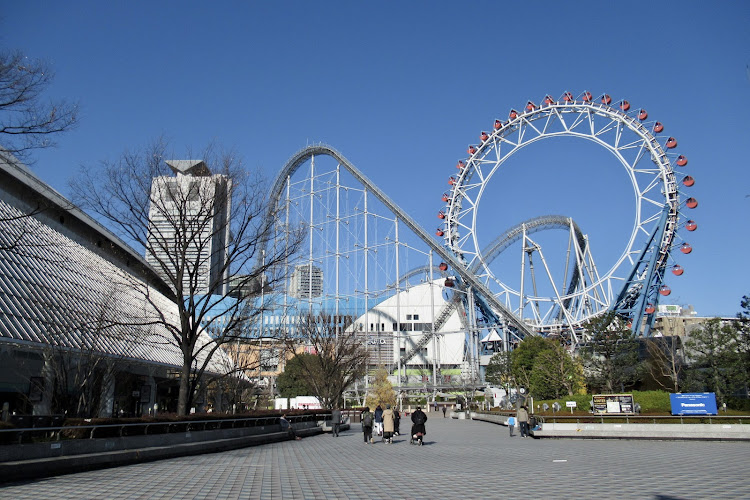
Big O
Find Accommodations Nearby
Recommended Tours & Activities
Visitor Reviews
There are no reviews yet. Be the first one to write one.
Share Your Experience
Have you visited Printing Museum? Help other travelers by leaving a review.