
Gokokuji Temple
About Gokokuji Temple
Description
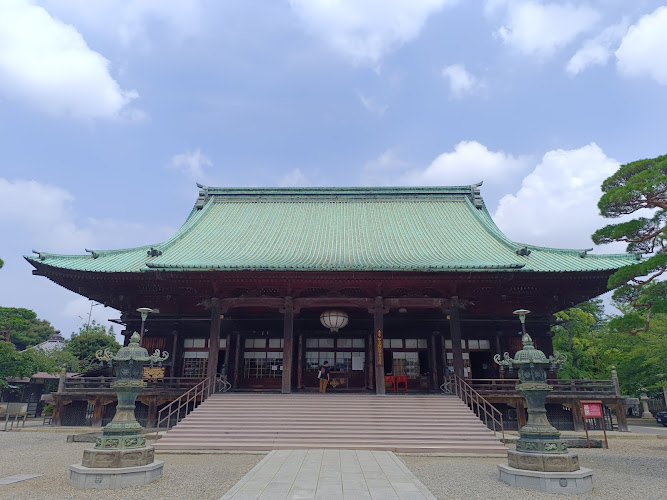
Gokokuji Temple in Tokyo is one of those rare places that seem to slow time down the moment you step inside. Built in 1681 by the fifth shogun, Tokugawa Tsunayoshi, at the request of his mother, Keishōin, this Buddhist temple has quietly stood through earthquakes, wars, and modernization. It belongs to the Toyoyama School of Shingon Buddhism, and unlike many of Tokyo’s temples that were rebuilt after World War II, Gokokuji’s main hall still retains its original Edo-period architecture. That’s a big deal—it’s one of the few surviving wooden structures from that era, and you can feel the weight of history in every beam and floorboard.
I remember the first time I wandered in by accident, actually. I was on my way to a café in Bunkyo and noticed a long stone staircase leading up through a canopy of old trees. Curiosity got the better of me, and before I knew it, I was standing in front of this serene temple complex, the city noise fading behind me like a door closing. There’s a certain calm here that’s hard to describe—like the temple just absorbs your stress and hands you back a bit of peace.
The grounds are spacious but not overwhelming. You’ll find a small cemetery, a few traditional tea houses, and a garden that changes its mood with the seasons. Cherry blossoms in spring, fiery maples in autumn—it’s the kind of place that rewards repeat visits. And though it’s not as famous as Senso-ji or Zojo-ji, that’s part of its charm. You don’t get the crowds or the souvenir stalls. Instead, you get the sound of wind through the trees and the occasional bell echoing from the main hall.
The temple’s main building, the Kannon-do Hall, is dedicated to the Goddess of Mercy, Kannon. The craftsmanship is breathtaking, from the curved eaves to the intricate carvings. Inside, the scent of incense lingers in the air, and the golden statue of Kannon sits quietly, radiating a kind of warmth that words don’t quite capture. If you’re lucky enough to visit on the 18th of the month, the hall opens to the public for special prayers—a tradition that’s been kept alive for centuries.
Key Features
- Historic Edo Architecture: The main hall is an original structure from 1681, one of the few in Tokyo that survived natural disasters and war.
- Connection to the Tokugawa Shogunate: Built under the patronage of Shogun Tokugawa Tsunayoshi, it served as a temple for the ruling family during the Edo period.
- Tea Houses and Gardens: The temple grounds include several tea houses, including Gekkoden (The Moonlight Pavilion), an Important Cultural Property relocated from Shiga Prefecture.
- Tranquil Cemetery: The peaceful cemetery holds the graves of monks, scholars, and notable figures, offering a quiet place for reflection.
- Accessibility: The temple provides wheelchair-accessible entrances and parking, making it easy for all visitors to explore comfortably.
- Authentic Atmosphere: Unlike many tourist-heavy temples, Gokokuji maintains a genuine spiritual ambiance with fewer crowds.
- Monthly Kannon Viewing: On the 18th of each month, visitors can view the main Kannon statue and participate in special ceremonies.
What really stands out about Gokokuji is how it balances its historical significance with a sense of everyday peace. It’s not trying to impress—it just exists, quietly, beautifully, as it has for more than three centuries. And maybe that’s why it leaves such a lasting impression.
Best Time to Visit
Honestly, there’s no bad time to visit Gokokuji, but each season brings its own kind of magic. Spring is probably the most photogenic, with cherry blossoms framing the temple’s wooden structures. It feels like stepping into an ukiyo-e painting. Summer brings lush greenery and the faint hum of cicadas, which adds a dreamy soundtrack to your walk. Autumn, though—autumn is my personal favorite. The maples turn a deep crimson, and the air feels crisp and clean. It’s perfect for slow wandering and quiet contemplation.
Winter has its own subtle charm too. The temple grounds are quieter, and if you happen to visit after a light snowfall, the scene looks straight out of a Japanese folktale. Just remember to bring warm layers—the stone paths can get chilly!
How to Get There
Reaching Gokokuji Temple is surprisingly easy, especially if you’re already exploring central Tokyo. The temple sits just a short walk from Gokokuji Station on the Tokyo Metro Yurakucho Line. From Ikebukuro, it’s just one stop away—so you could easily fit it into a half-day itinerary if you’re short on time.
If you prefer walking, it’s about a 20-minute stroll from the southern edge of Ikebukuro. The route takes you through quiet residential streets, offering a glimpse of everyday Tokyo life. I actually recommend walking if you can—it’s a nice way to transition from the city’s buzz to the temple’s calm. Taxis are also an option, of course, but honestly, walking gives you a better sense of where you are.
Tips for Visiting
First off, take your time. Gokokuji isn’t a place you rush through. It’s more about slowing down, breathing deeply, and letting the atmosphere sink in. I’d suggest visiting in the early morning if you can—the light filtering through the trees is gorgeous, and you’ll likely have the place almost to yourself.
Here are a few practical (and slightly personal) tips to make the most of your visit:
- Bring a small offering: Even if you’re not Buddhist, it’s customary to bow or offer a coin at the main hall. It’s a simple gesture of respect.
- Photography: You can take photos around the grounds, but avoid snapping pictures inside the worship areas. It’s a sacred space, and it’s better to experience it quietly.
- Restrooms and facilities: The temple has clean restrooms and is wheelchair accessible, which is great if you’re traveling with family or elderly companions.
- Visit on the 18th: If your timing allows, go on the 18th of the month to see the Kannon statue unveiled. It’s a special experience few tourists know about.
- Combine with nearby spots: You can easily pair Gokokuji with a visit to Rikugien Garden or the University of Tokyo campus for a full day of cultural exploration.
One more thing—don’t forget to just sit for a while. There’s a bench near the main hall that overlooks the garden. I once sat there for nearly an hour, watching a monk sweep fallen leaves in slow, meditative strokes. It reminded me that sometimes, the best travel memories aren’t about grand sights—they’re about quiet moments that catch you off guard.
Gokokuji Temple may not top every Tokyo travel list, but that’s exactly what makes it special. It’s a living piece of history, a sanctuary of calm in a city that never seems to stop moving. Whether you’re a history buff, a spiritual seeker, or just someone craving a peaceful corner of Tokyo, this temple offers something quietly profound. And when you leave, don’t be surprised if you find yourself walking a little slower, breathing a little deeper, and already planning to come back.
Key Features
- Key Features
- Best Time to Visit
- How to Get There
- Tips for Visiting
More Details
Updated November 9, 2025
Table of Contents
Description
Gokokuji Temple in Tokyo is one of those rare places that seem to slow time down the moment you step inside. Built in 1681 by the fifth shogun, Tokugawa Tsunayoshi, at the request of his mother, Keishōin, this Buddhist temple has quietly stood through earthquakes, wars, and modernization. It belongs to the Toyoyama School of Shingon Buddhism, and unlike many of Tokyo’s temples that were rebuilt after World War II, Gokokuji’s main hall still retains its original Edo-period architecture. That’s a big deal—it’s one of the few surviving wooden structures from that era, and you can feel the weight of history in every beam and floorboard.
I remember the first time I wandered in by accident, actually. I was on my way to a café in Bunkyo and noticed a long stone staircase leading up through a canopy of old trees. Curiosity got the better of me, and before I knew it, I was standing in front of this serene temple complex, the city noise fading behind me like a door closing. There’s a certain calm here that’s hard to describe—like the temple just absorbs your stress and hands you back a bit of peace.
The grounds are spacious but not overwhelming. You’ll find a small cemetery, a few traditional tea houses, and a garden that changes its mood with the seasons. Cherry blossoms in spring, fiery maples in autumn—it’s the kind of place that rewards repeat visits. And though it’s not as famous as Senso-ji or Zojo-ji, that’s part of its charm. You don’t get the crowds or the souvenir stalls. Instead, you get the sound of wind through the trees and the occasional bell echoing from the main hall.
The temple’s main building, the Kannon-do Hall, is dedicated to the Goddess of Mercy, Kannon. The craftsmanship is breathtaking, from the curved eaves to the intricate carvings. Inside, the scent of incense lingers in the air, and the golden statue of Kannon sits quietly, radiating a kind of warmth that words don’t quite capture. If you’re lucky enough to visit on the 18th of the month, the hall opens to the public for special prayers—a tradition that’s been kept alive for centuries.
Key Features
- Historic Edo Architecture: The main hall is an original structure from 1681, one of the few in Tokyo that survived natural disasters and war.
- Connection to the Tokugawa Shogunate: Built under the patronage of Shogun Tokugawa Tsunayoshi, it served as a temple for the ruling family during the Edo period.
- Tea Houses and Gardens: The temple grounds include several tea houses, including Gekkoden (The Moonlight Pavilion), an Important Cultural Property relocated from Shiga Prefecture.
- Tranquil Cemetery: The peaceful cemetery holds the graves of monks, scholars, and notable figures, offering a quiet place for reflection.
- Accessibility: The temple provides wheelchair-accessible entrances and parking, making it easy for all visitors to explore comfortably.
- Authentic Atmosphere: Unlike many tourist-heavy temples, Gokokuji maintains a genuine spiritual ambiance with fewer crowds.
- Monthly Kannon Viewing: On the 18th of each month, visitors can view the main Kannon statue and participate in special ceremonies.
What really stands out about Gokokuji is how it balances its historical significance with a sense of everyday peace. It’s not trying to impress—it just exists, quietly, beautifully, as it has for more than three centuries. And maybe that’s why it leaves such a lasting impression.
Best Time to Visit
Honestly, there’s no bad time to visit Gokokuji, but each season brings its own kind of magic. Spring is probably the most photogenic, with cherry blossoms framing the temple’s wooden structures. It feels like stepping into an ukiyo-e painting. Summer brings lush greenery and the faint hum of cicadas, which adds a dreamy soundtrack to your walk. Autumn, though—autumn is my personal favorite. The maples turn a deep crimson, and the air feels crisp and clean. It’s perfect for slow wandering and quiet contemplation.
Winter has its own subtle charm too. The temple grounds are quieter, and if you happen to visit after a light snowfall, the scene looks straight out of a Japanese folktale. Just remember to bring warm layers—the stone paths can get chilly!
How to Get There
Reaching Gokokuji Temple is surprisingly easy, especially if you’re already exploring central Tokyo. The temple sits just a short walk from Gokokuji Station on the Tokyo Metro Yurakucho Line. From Ikebukuro, it’s just one stop away—so you could easily fit it into a half-day itinerary if you’re short on time.
If you prefer walking, it’s about a 20-minute stroll from the southern edge of Ikebukuro. The route takes you through quiet residential streets, offering a glimpse of everyday Tokyo life. I actually recommend walking if you can—it’s a nice way to transition from the city’s buzz to the temple’s calm. Taxis are also an option, of course, but honestly, walking gives you a better sense of where you are.
Tips for Visiting
First off, take your time. Gokokuji isn’t a place you rush through. It’s more about slowing down, breathing deeply, and letting the atmosphere sink in. I’d suggest visiting in the early morning if you can—the light filtering through the trees is gorgeous, and you’ll likely have the place almost to yourself.
Here are a few practical (and slightly personal) tips to make the most of your visit:
- Bring a small offering: Even if you’re not Buddhist, it’s customary to bow or offer a coin at the main hall. It’s a simple gesture of respect.
- Photography: You can take photos around the grounds, but avoid snapping pictures inside the worship areas. It’s a sacred space, and it’s better to experience it quietly.
- Restrooms and facilities: The temple has clean restrooms and is wheelchair accessible, which is great if you’re traveling with family or elderly companions.
- Visit on the 18th: If your timing allows, go on the 18th of the month to see the Kannon statue unveiled. It’s a special experience few tourists know about.
- Combine with nearby spots: You can easily pair Gokokuji with a visit to Rikugien Garden or the University of Tokyo campus for a full day of cultural exploration.
One more thing—don’t forget to just sit for a while. There’s a bench near the main hall that overlooks the garden. I once sat there for nearly an hour, watching a monk sweep fallen leaves in slow, meditative strokes. It reminded me that sometimes, the best travel memories aren’t about grand sights—they’re about quiet moments that catch you off guard.
Gokokuji Temple may not top every Tokyo travel list, but that’s exactly what makes it special. It’s a living piece of history, a sanctuary of calm in a city that never seems to stop moving. Whether you’re a history buff, a spiritual seeker, or just someone craving a peaceful corner of Tokyo, this temple offers something quietly profound. And when you leave, don’t be surprised if you find yourself walking a little slower, breathing a little deeper, and already planning to come back.
Key Highlights
- Key Features
- Best Time to Visit
- How to Get There
- Tips for Visiting
Location
Places to Stay Near Gokokuji Temple
Find and Book a Tour
Explore More Travel Guides
No reviews found! Be the first to review!
Traveler Reviews for Gokokuji Temple
There are no reviews yet. Be the first one to write one.
Have you visited Gokokuji Temple? Help other travelers by sharing your review.
You Might Also Like
Koishikawa Korakuen Garden
Hongō Water Supply Station Park
Rekisen Park
Find Accommodations Nearby
Recommended Tours & Activities
Visitor Reviews
There are no reviews yet. Be the first one to write one.
Share Your Experience
Have you visited Gokokuji Temple? Help other travelers by leaving a review.